
Sustainability
Protecting our people
Our employees are our greatest asset. Their health and safety are fundamental to the sustainability and development of our business. Every person who works at Setforge deserves to return home safely at the end of each day. We work hard to provide a healthy, secure, and motivating workspace, not just because it's required, but because it's the right thing to do. A strong safety culture creates better workplaces where people are engaged, productive, and proud to contribute. When teams feel protected and valued, they bring their best to work every day.
Safety is everyone's responsibility, from operators on the shop floor to senior management. We've built systems, processes, and a culture that make safety a lived reality, not just words on a wall.
SAFETY ENABLES
EVERYTHING ELSE
Forging involves heavy machinery, high temperatures, significant operations, and complex logistics. Without rigorous safety management, the risk of accidents is real. These are inherent characteristics of our industry, and we take them seriously. But beyond managing these risks, we believe that a strong safety culture creates better workplaces overall, places where people want to work and where they can do their best work without fear.
Health and safety aren't separate from other business priorities, they're foundational. We can't pursue environmental goals, deliver exceptional quality, or create a great workplace if we don't get safety right.
Building a safety culture
Our approach to safety is based on three interconnected principles: transparency, systematic analysis, and open dialogue. These aren't just abstract values: they're the foundation of how we work every day. We've created structures and processes that make safety management consistent across all Setforge companies while allowing each site to adapt to its specific conditions, equipment, and workforce.
This balance between consistency and flexibility is essential because while principles are universal, implementation must be practical and relevant to local contexts.
Transparency
We try to create an environment where people report issues without fear. Hidden problems can't be fixed, so we need visibility into what's happening on the ground.
Systematic Analysis
Every event is analyzed to understand causes and determine corrective actions. This helps identify patterns and address root causes rather than symptoms.
Open Dialogue
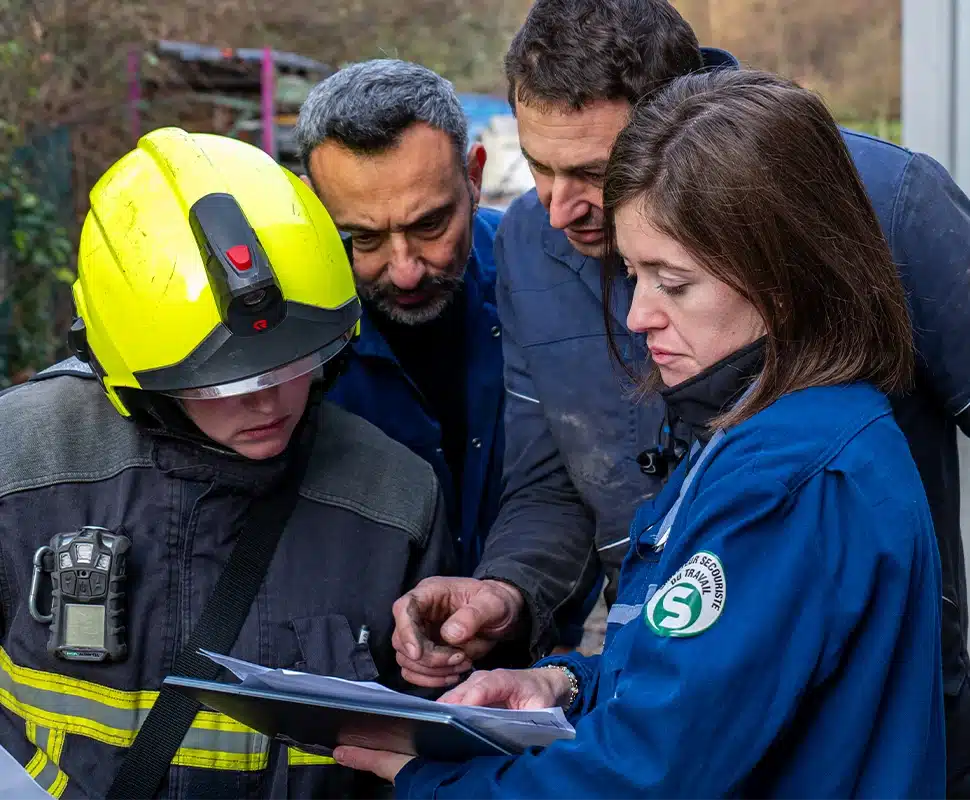
Trust and communication between field teams, safety managers, and general management enable continuous improvement and quick response to concerns.
Leadership Commitment
General management is immediately informed of significant events and participates directly in incident response, demonstrating that safety is a top priority.
Our Safety Initiative
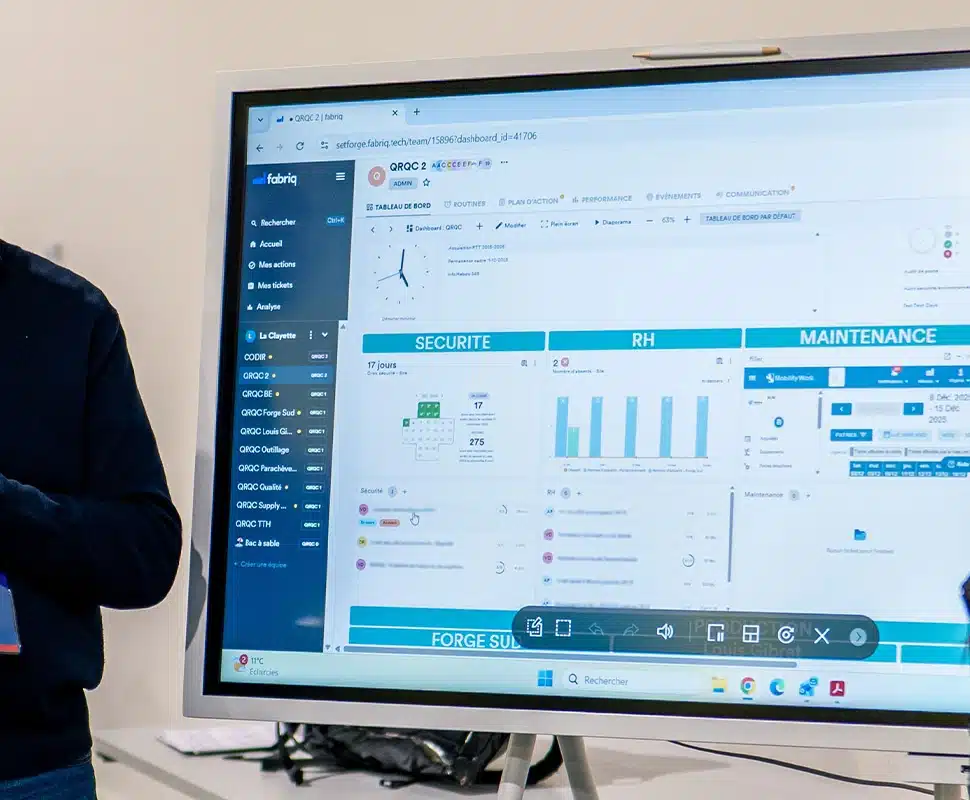
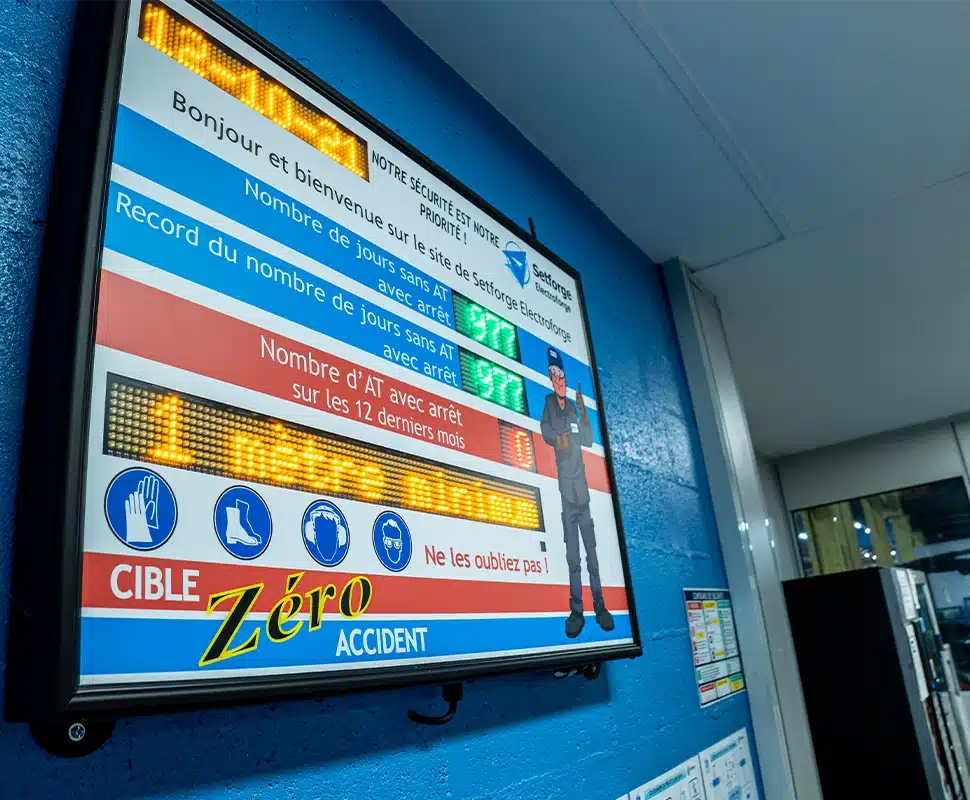
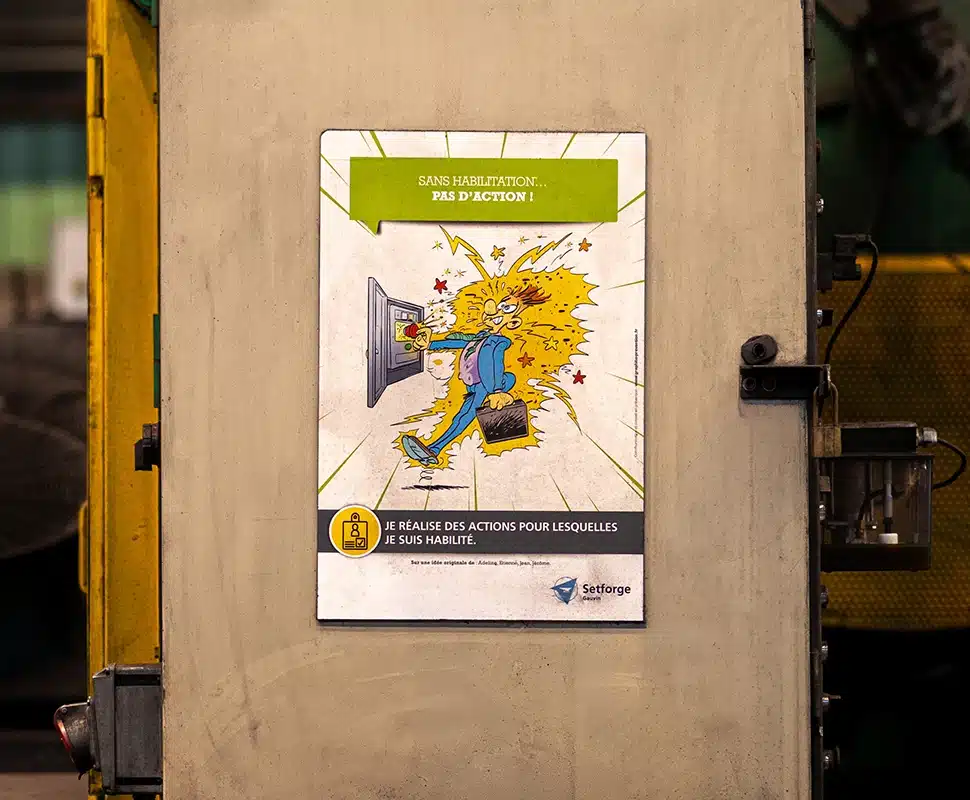
We've implemented specific programs and practices to make our safety culture real and effective. Practical tools that help us prevent incidents, learn from events when they do occur, and continuously improve our performance. Each initiative serves a specific purpose and contributes to the overall safety system.
Together, they create a comprehensive approach that addresses safety from multiple angles: prevention, response, learning, and continuous improvement.
From problem to solution
Identifying a safety issue is only the first step. Moving from identification to implementing an effective solution requires a structured, disciplined approach. We follow a clear five-step process that ensures issues are properly understood, solutions are well-designed, implementation is effective, and learnings are shared across the organization. This systematic approach prevents us from jumping to quick fixes that don't address root causes, and it ensures that the improvements we make at one site can benefit all others.
We track both lagging indicators (frequency rate, severity rate) and leading indicators (near-miss reporting, minor accident monitoring, audit scores). Lagging indicators show whether performance is improving. Leading indicators help predict where problems might emerge so we can intervene proactively. This balanced approach gives us a complete picture and helps focus improvement efforts where they'll have the greatest impact.
1. Identify & Report
Anyone can report a concern through multiple channels, at any time. We've built a culture where reporting is genuinely encouraged and valued.
2. Root Causes
We investigate why it happened, looking beyond immediate causes to identify underlying factors like inadequate training or procedures.
3. Take Action
We create corrective actions, training programs, procedure modifications, involving the people doing the work because they have the best insights.
4. Verify & Close
We implement changes with clear responsibilities and deadlines, then verify that the solution is working as intended without new problems.
5. Share Learning
Lessons are shared across sites through the safety committee, so when one site finds a hazard or solution, others benefit immediately.
Do you want to know more?
Download our QSEE Policy
WOULD YOU LIKE TO KNOW MORE?
LET’S TALK ABOUT IT!
On our Blog
Cold forging vs. Hot forging: which process fits your part?
31/07/2026
Forging is a manufacturing process, which shapes a solid-phase metal workpiece by applying compressive forces on it.
Read More
Developing a quality warm forging process
10/03/2026
Thanks to the automotive industry and its continuous development towards better, lighter and more cost efficient components, warm forging has gained greater importance. Alone or as a part of specia...
Read More
The undoubted advantages of the process
10/03/2026
Forging is classified in hot, warm and cold, according to the temperature at which is performed.
Read More