
A unique diversity of know-how
Cold Forging
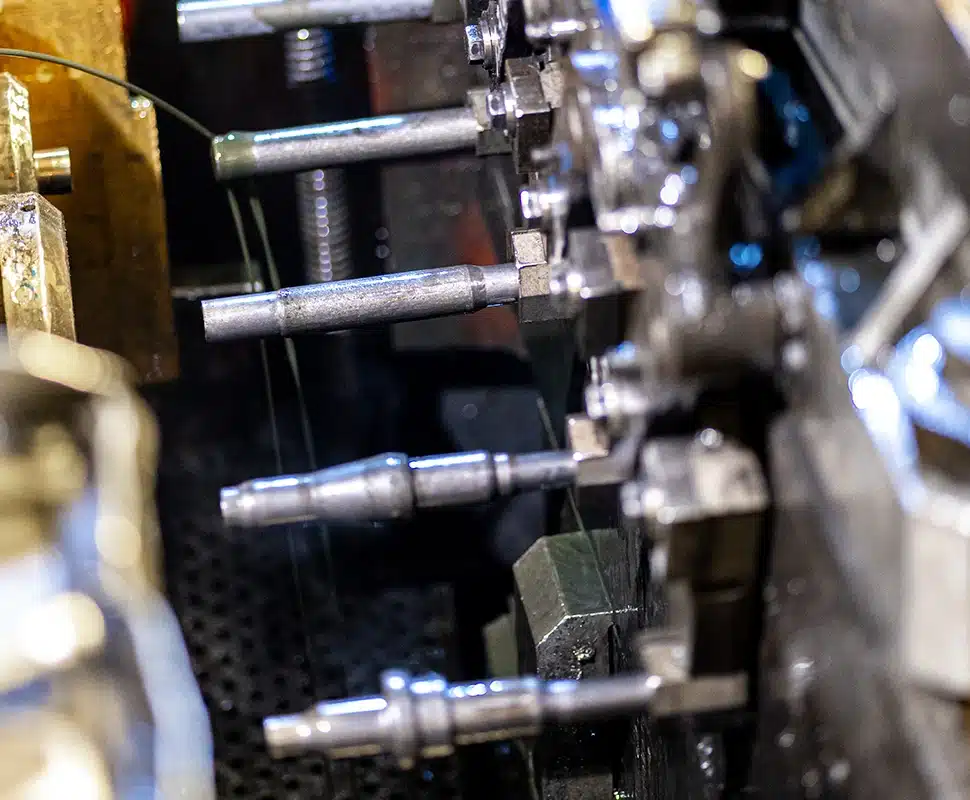
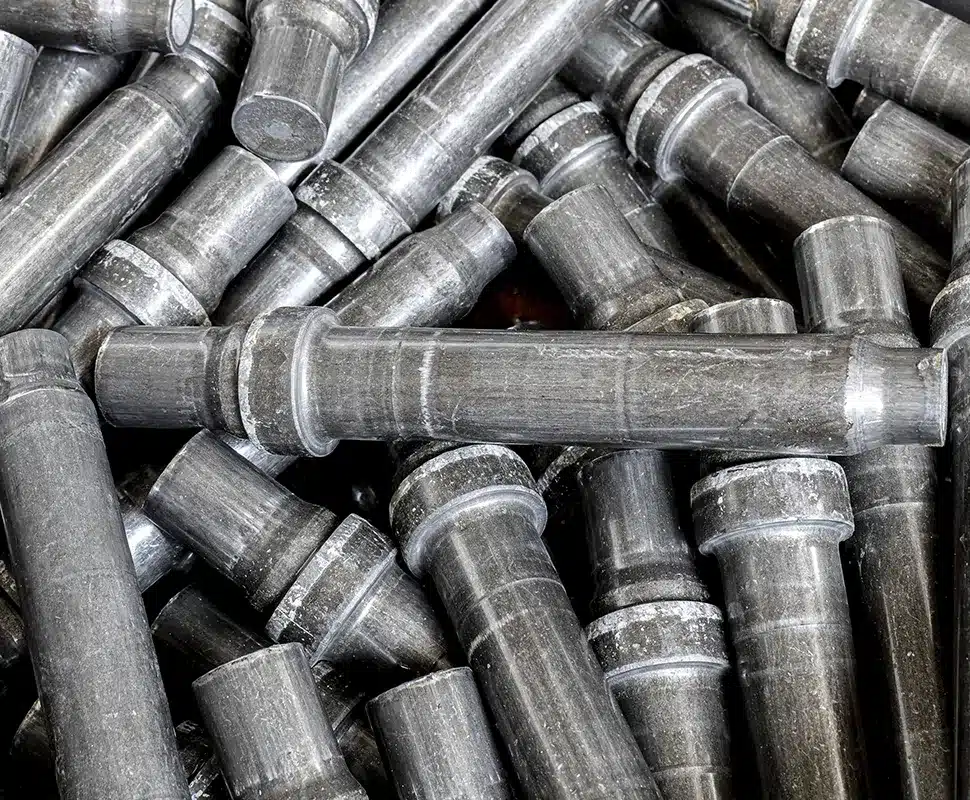
Cold forging, also known as cold forming, is a precision metal forming process carried out at room temperature by deforming metal under high pressure. It encompasses several operations, including upsetting, forward or backward extrusion, and sizing. With no prior heating of the billet, the process delivers excellent dimensional consistency and improves certain mechanical properties through strain hardening.
Suited to axisymmetric components and high-volume production, cold forging serves the needs of the automotive industry as well as commercial vehicles, construction machinery, and agricultural equipment. Our equipment supports projects from the first development batches through to production volumes of several million parts per year. Near-net-shape manufacturing limits material waste and reduces machining operations. Combined with the absence of billet preheating, this optimized use of material contributes to the competitiveness of the process, particularly for medium and high-volume programs.
High Precision process
Cold forging is suited to sectors requiring precision, mechanical strength, repeatability, and cost control. In the automotive industry, high-speed horizontal presses are used to produce gearbox shafts and transmission components in very high volumes. For commercial vehicles, agricultural equipment, and construction machinery, vertical presses offer greater flexibility for components of varying sizes and production volumes. This combination allows the production setup to be adapted to the part geometry, the required performance, and the production rate of the program.
Each process route is developed to control material flow, applied forces, and the component’s dimensional characteristics, while preventing defects.
Setforge capabilities
Small, medium and high production volumes
Steel, alloy steel, micro-alloy steel
From 0.1 kg up to 25 kg
Length up to 800 mm
Flange diameter up to 120 mm
Tolerance on diameter +/- 0.3 mm
Manufacturing Process
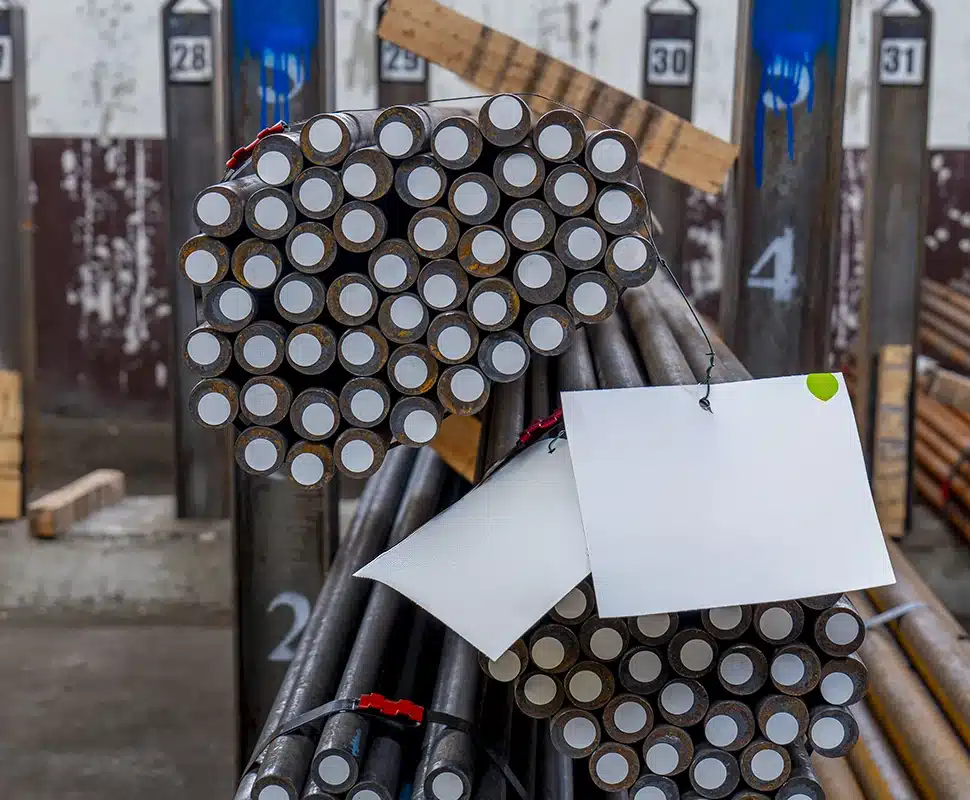
Material selection and preparation play an essential role in successful cold forging. Steels must offer ductility, inclusion cleanliness, and strain-hardening behavior compatible with the required deformation levels. Steel grades that can be processed include 17CrNiMo6, 42CrMo4, 16MnCr5, and 20MnCrS4. Their formability depends on their overall composition, microstructure, and as-delivered condition.
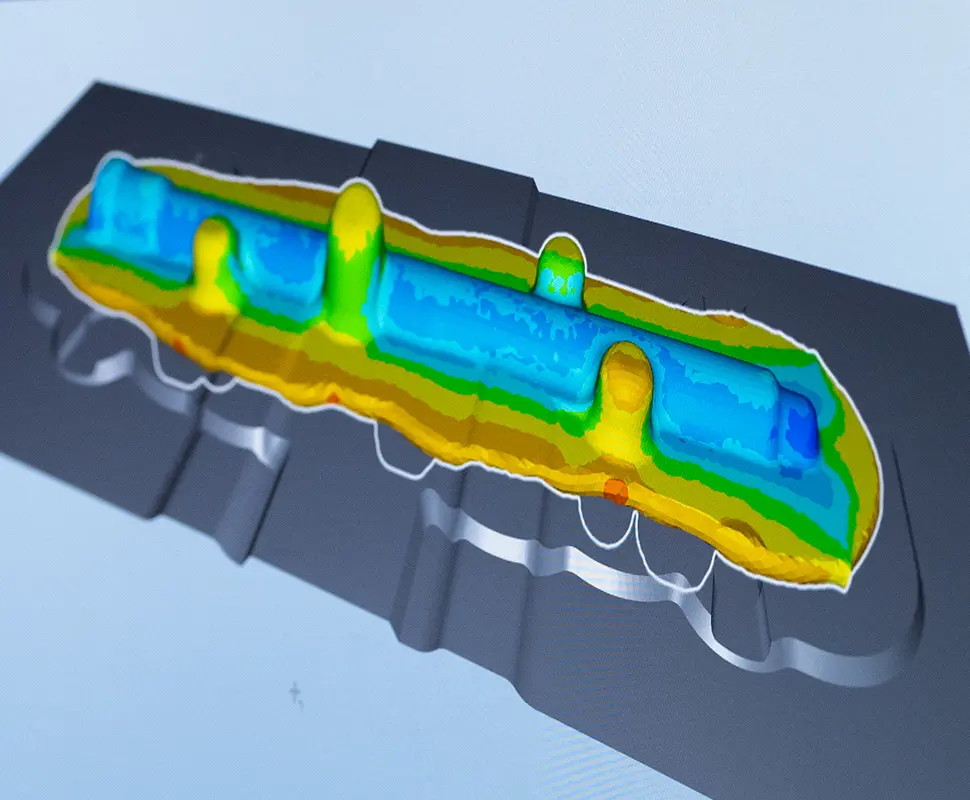
Raw materials are generally prepared by spheroidizing annealing or isothermal annealing. This preparation facilitates plastic deformation, helps control forging forces, and promotes smooth material flow throughout the successive operations.
WHY COLD FORGING ?
Cold forging combines dimensional precision, repeatability, mechanical strength, and optimized material usage. Compared with machining entirely from bar, it limits chip generation and allows the metal to be distributed and the grain flow to be oriented according to the component’s functional geometry. Compared with high-temperature processes, it avoids the oxidation and thermal shrinkage associated with billet heating. It therefore delivers high-quality surface finishes and excellent part-to-part consistency.
Let’s explore together how cold forging can benefit your project!
Natural strengthening of properties
Cold deformation increases the material’s yield strength and tensile strength through strain hardening. Depending on the condition of the selected raw material, this can, under certain conditions, provide sufficient properties to eliminate the need for heat treatment.
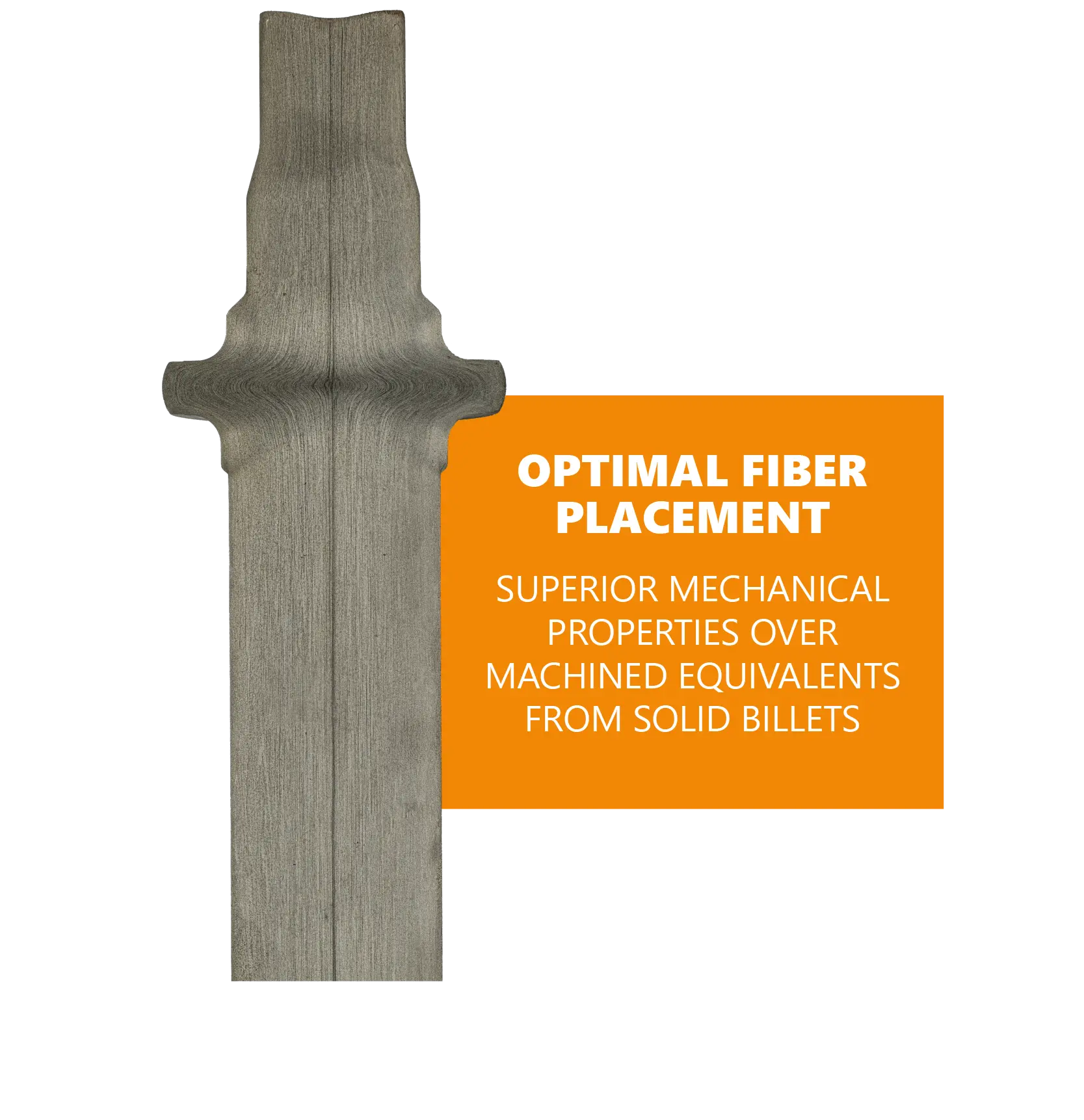
Material flow changes the orientation of the grain flow without interrupting its continuity. Appropriate design of the part and forging sequence allows the grain flow to be oriented according to the geometry and, where possible, along the main loading directions. Grain-flow continuity notably improves mechanical strength, fatigue resistance, and impact resistance.
Surface quality & machining
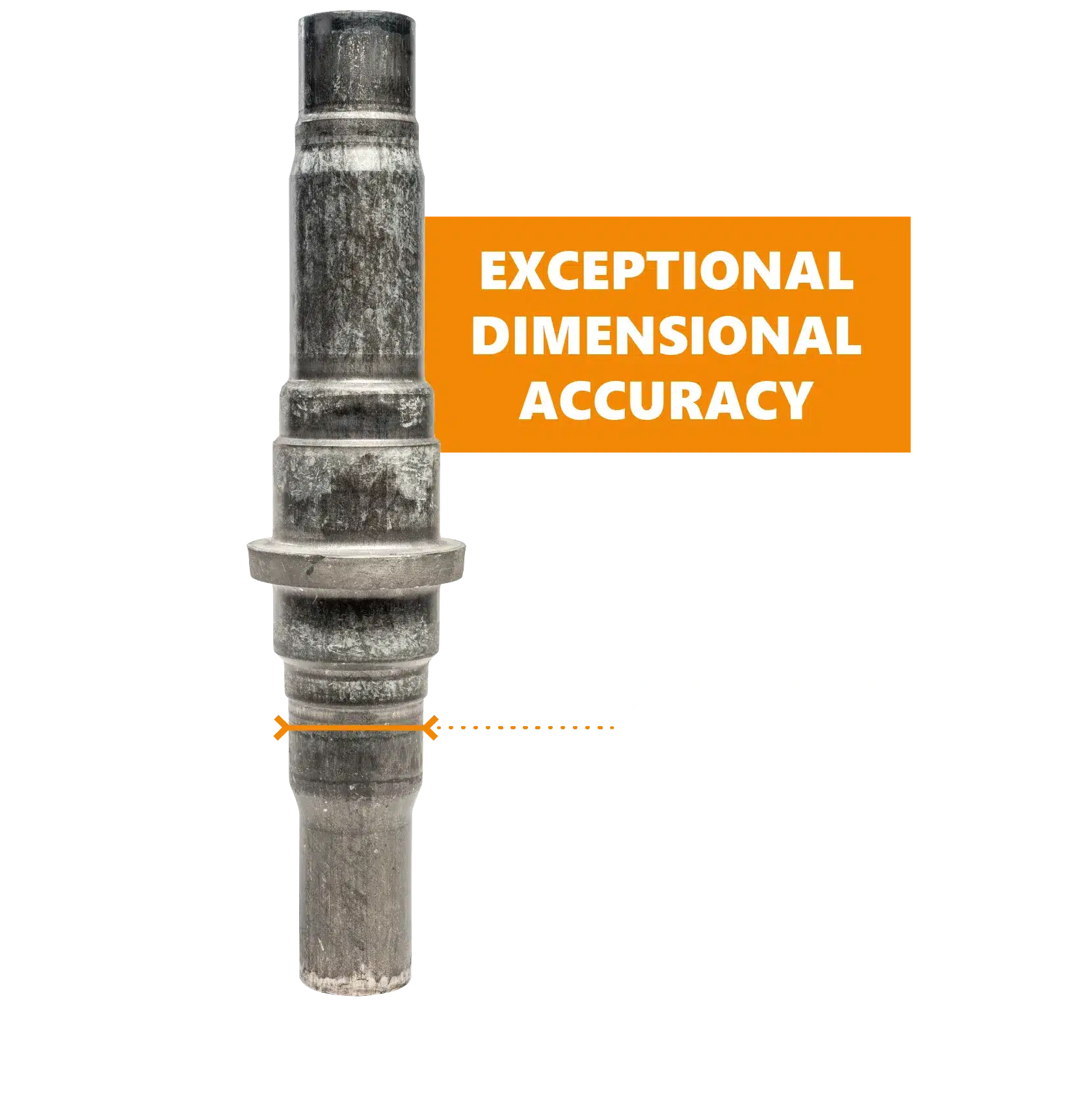
Cold forging can achieve tight dimensional tolerances, down to approximately ±0.3 mm for certain dimensions and geometries, helping reduce machining allowances. When heat treatment can be avoided, the absence of prior heating prevents surface decarburization and oxidation-related defects.
Compared with conventional hot-forging processes, which produce flash along the entire parting line, cold forging avoids end-grain exposure. This provides excellent geometric stability after machining and final heat treatment, eliminating or significantly reducing the need for straightening at the customer’s facility.
Optimized material usage
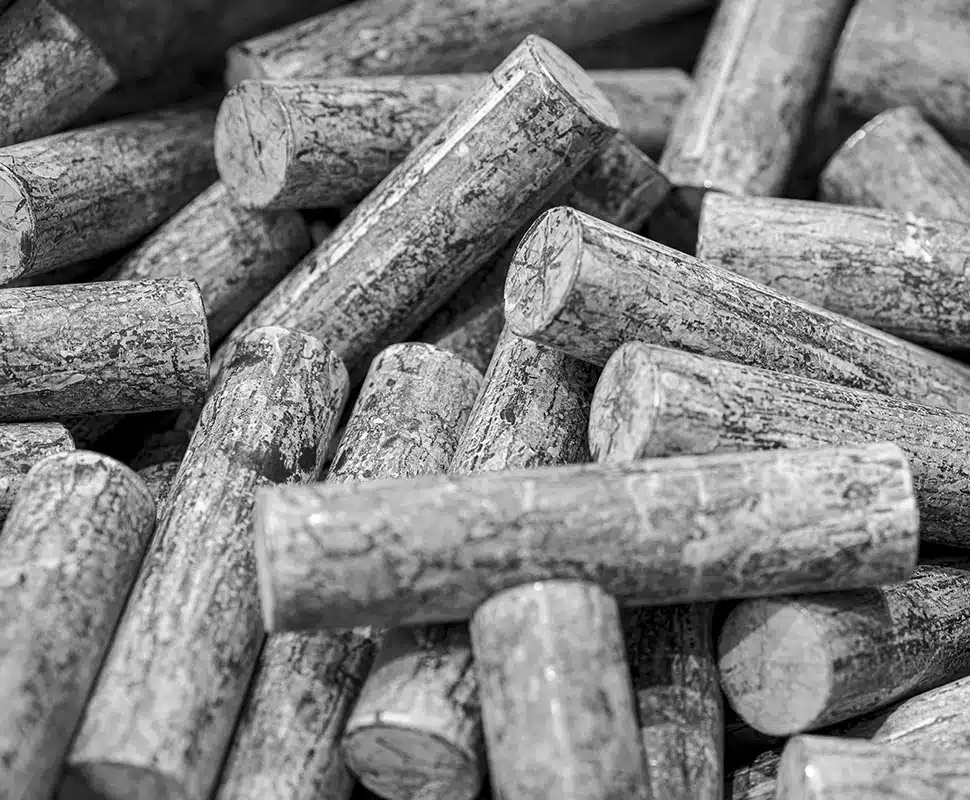
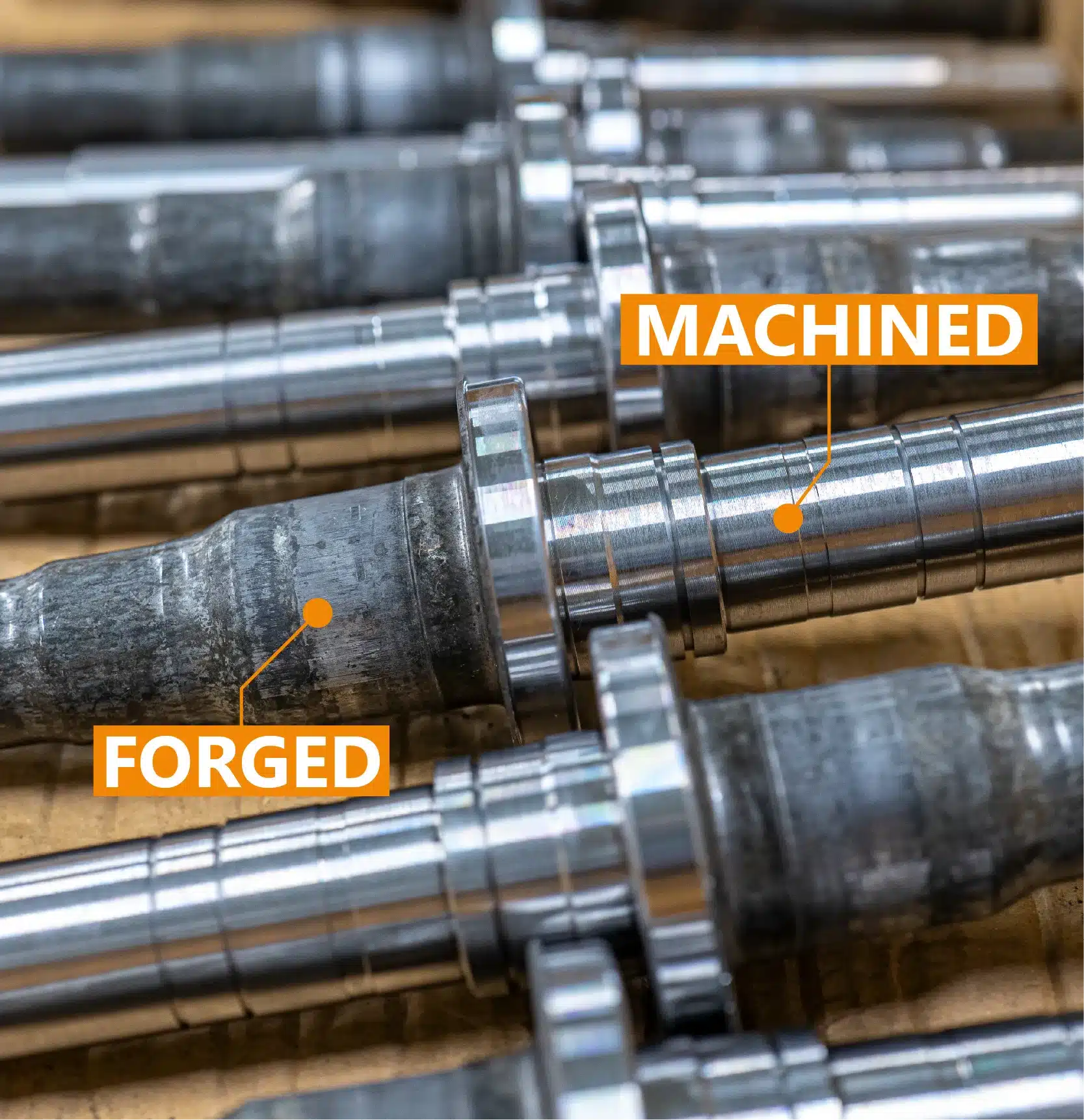
Flashless forming incorporates 100% of the billet into the forged part, with no material lost through trimming. The weight of the forged blank therefore matches the amount of material initially introduced into the process.
This complete use of the billet, combined with the absence of prior heating and the reduced amount of material to be machined, provides a particularly significant economic advantage for low to high-volume production.
Equipment matched to volumes
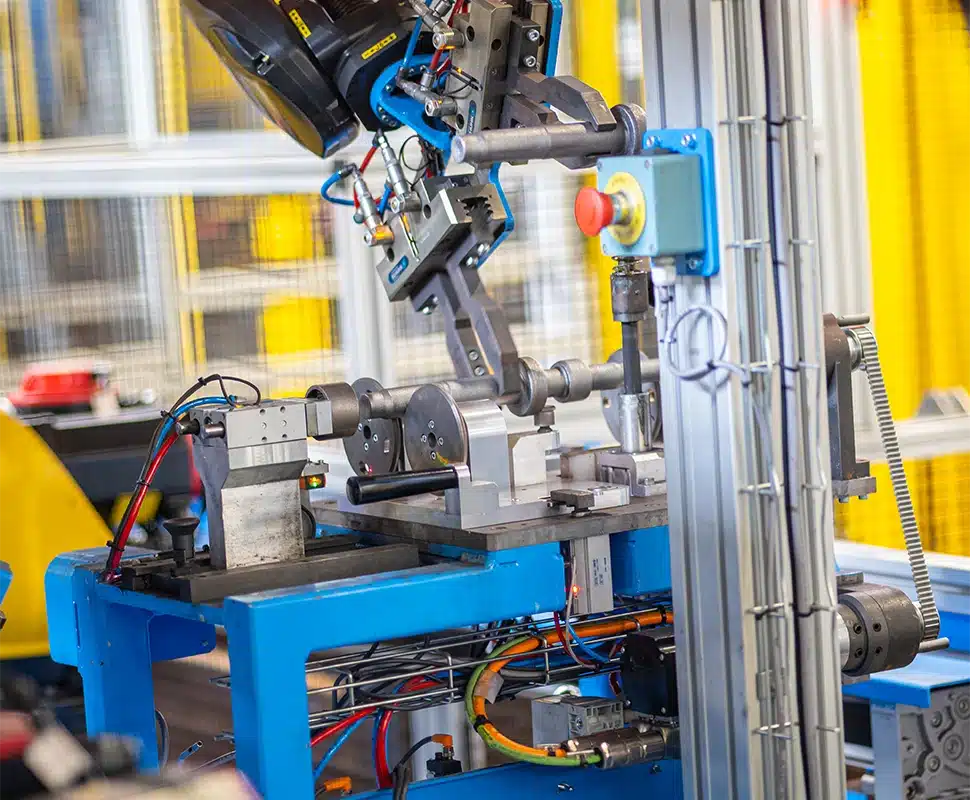
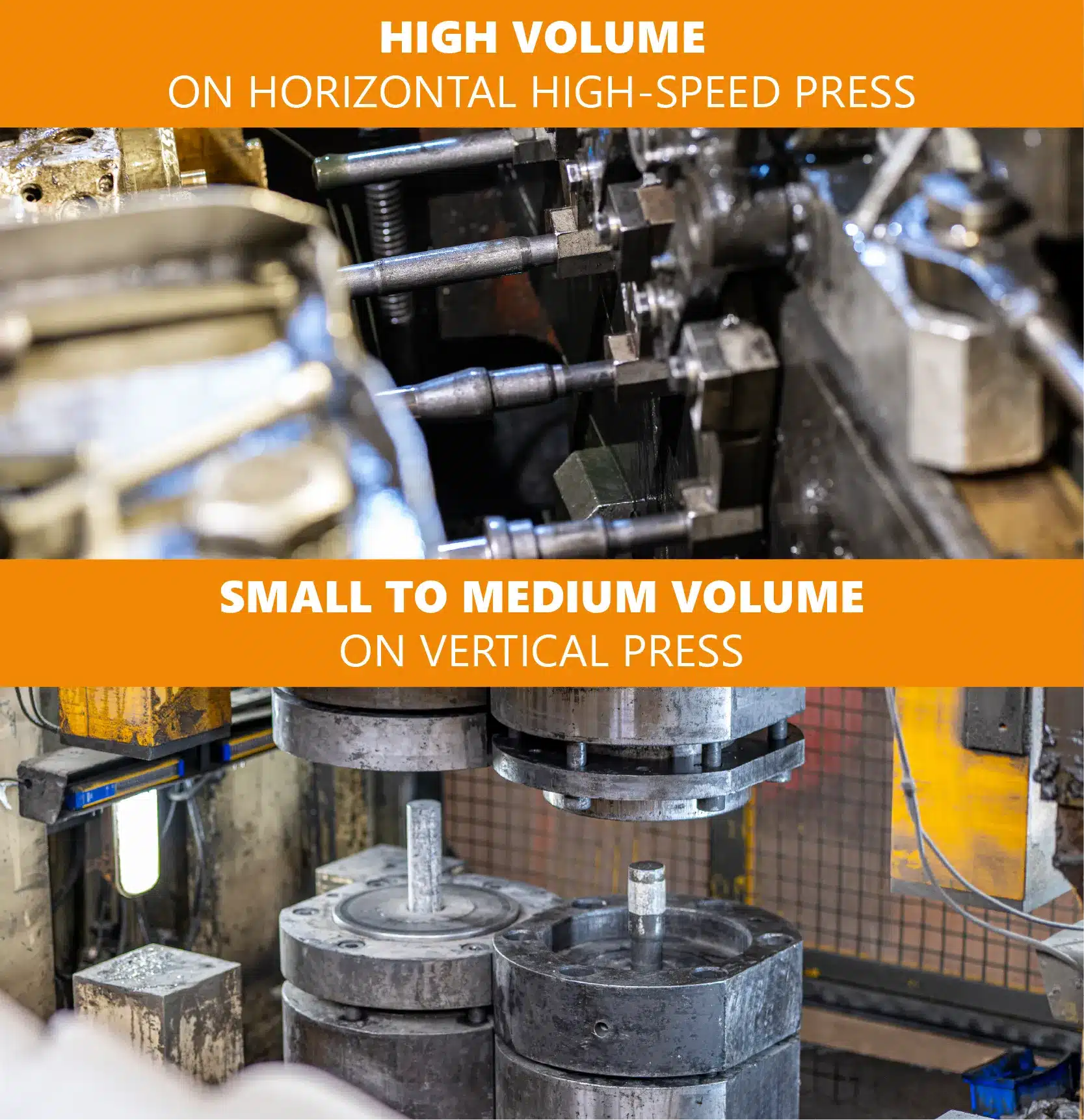
At Setforge, equipment is selected according to the weight, geometry, and production volume of each program. Robotic vertical press lines offer great flexibility for small- and medium-volume production, with components ranging from 500 g to 25 kg.
High-speed horizontal presses are particularly well suited to automotive production. They can produce components weighing from 500 g to 4 kg at rates of up to several thousand parts per hour, with automation designed to ensure consistent output and continuous production.
Energy and material efficiency
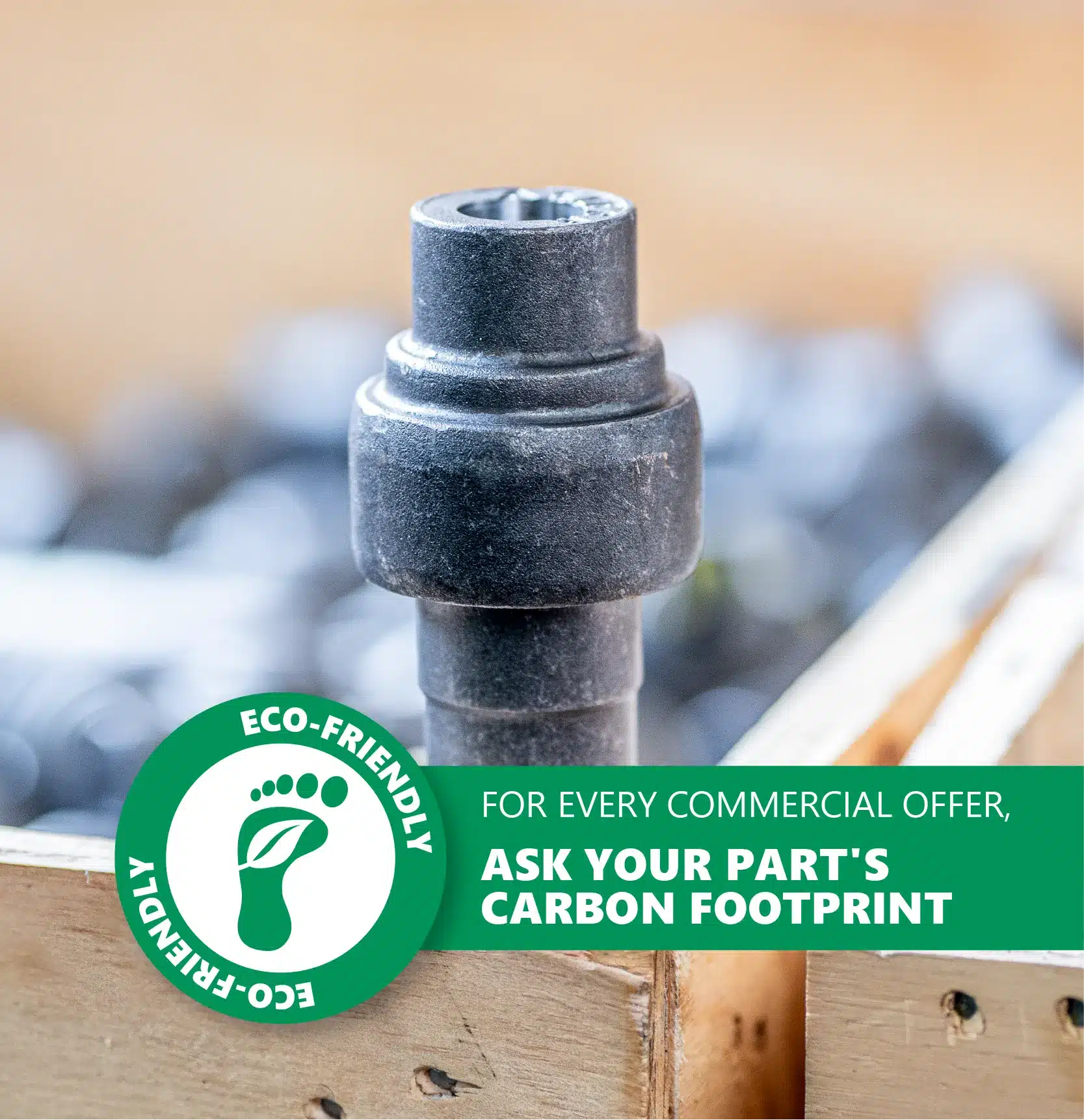
The absence of prior billet heating reduces direct thermal energy requirements compared with an equivalent hot-forging route. Optimal material utilization reduces machining operations, thereby helping to reduce the resources required for each component.
The use of increasingly low-carbon energy provides an additional lever for improving the environmental performance of the process and supporting industrial goals for reducing emissions.
Complex functional geometries
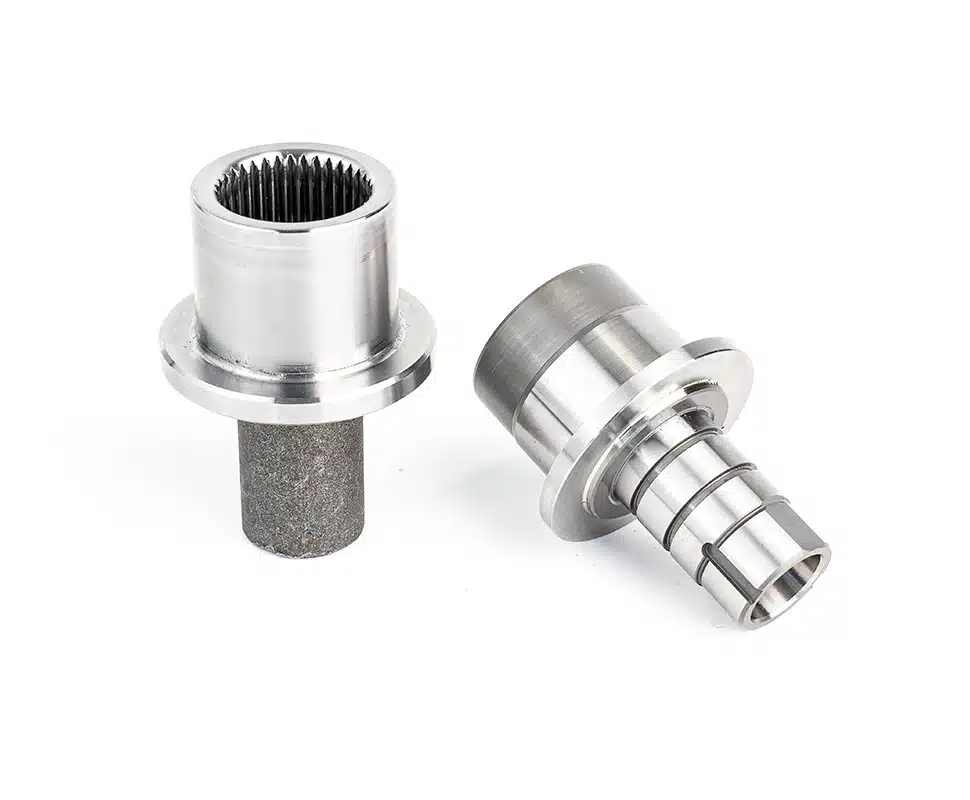
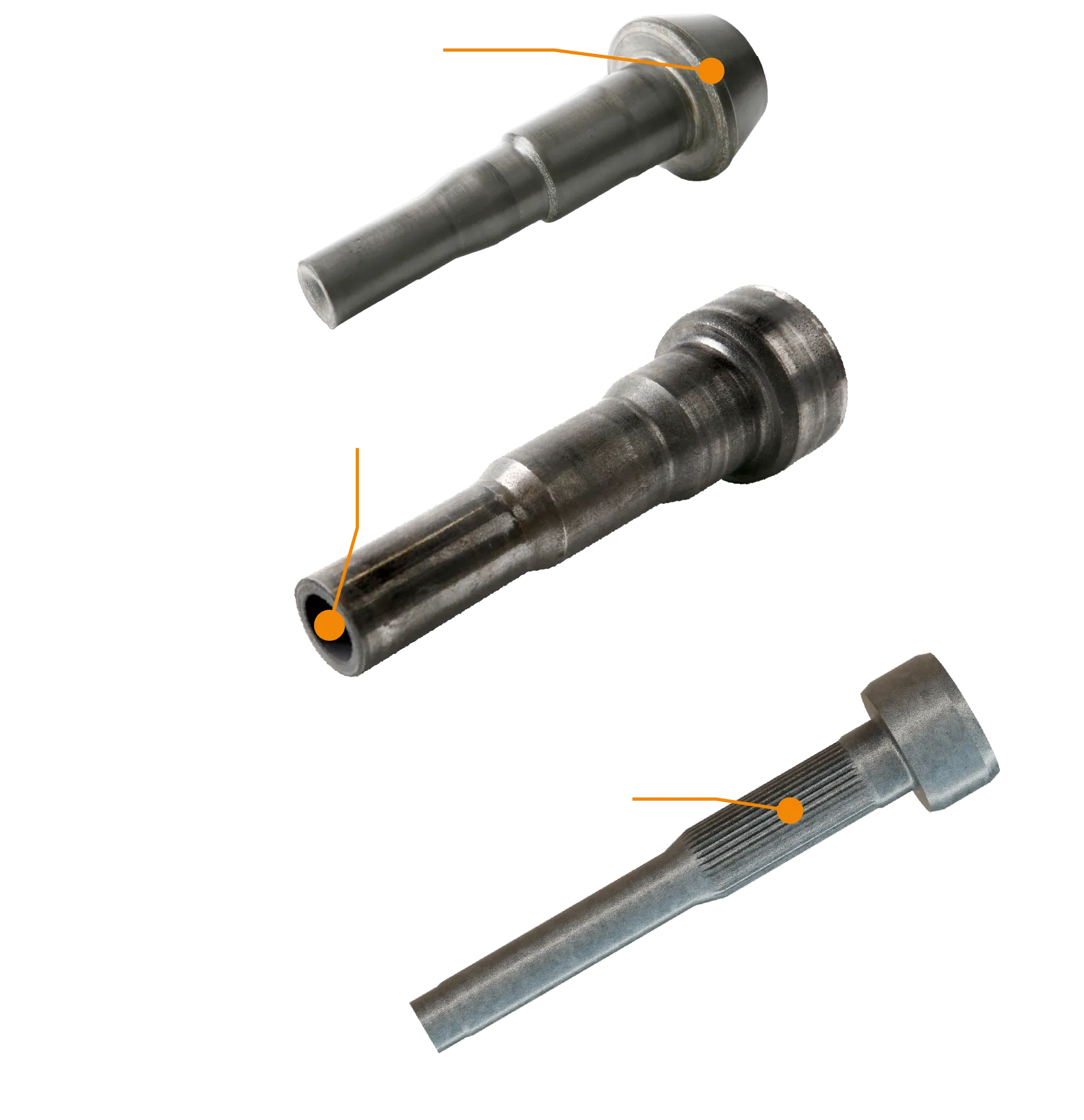
Suited to axisymmetric parts, cold forging can also produce specific features, including internal or external splines.
Successive operations progressively increase geometric complexity while maintaining material continuity. Advanced die design enables such shapes to be produced competitively, even when they would require extensive machining.
COLD FORGING at setforge
Setforge has two companies specializing in cold forging, with complementary capabilities addressing different production needs. Setforge Extrusion relies on vertical presses for more flexible production serving commercial vehicles, construction, agriculture, and specialized applications. The site handles components from 500 g to 25 kg, from the first development batches up to annual volumes of around 200,000 parts. Setforge Near Net uses high-speed horizontal presses mainly dedicated to high-volume automotive components. The site produces parts from 500 g to 4 kg, with volumes that can exceed 50,000 units and reach several million components per year depending on the program.
Both sites operate under ISO 9001, ISO 14001, and IATF 16949 certified management systems. Automated equipment and metallurgical inspection capabilities help ensure consistent properties and component conformity. Depending on project requirements, machining and finishing operations can be performed in-house or with selected, qualified partners to supply as-forged, pre-machined, or ready-to-install parts.
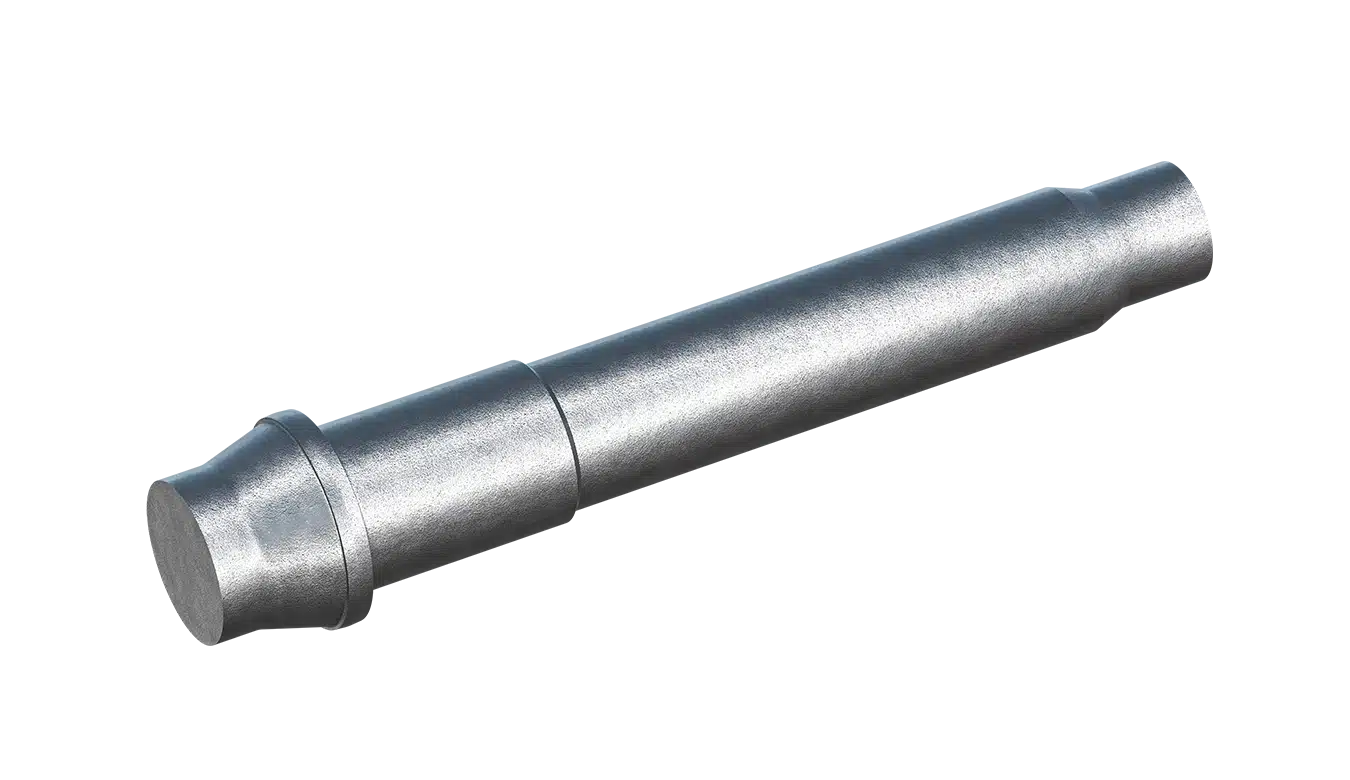
BEVEL PINION
Steel
Agriculture
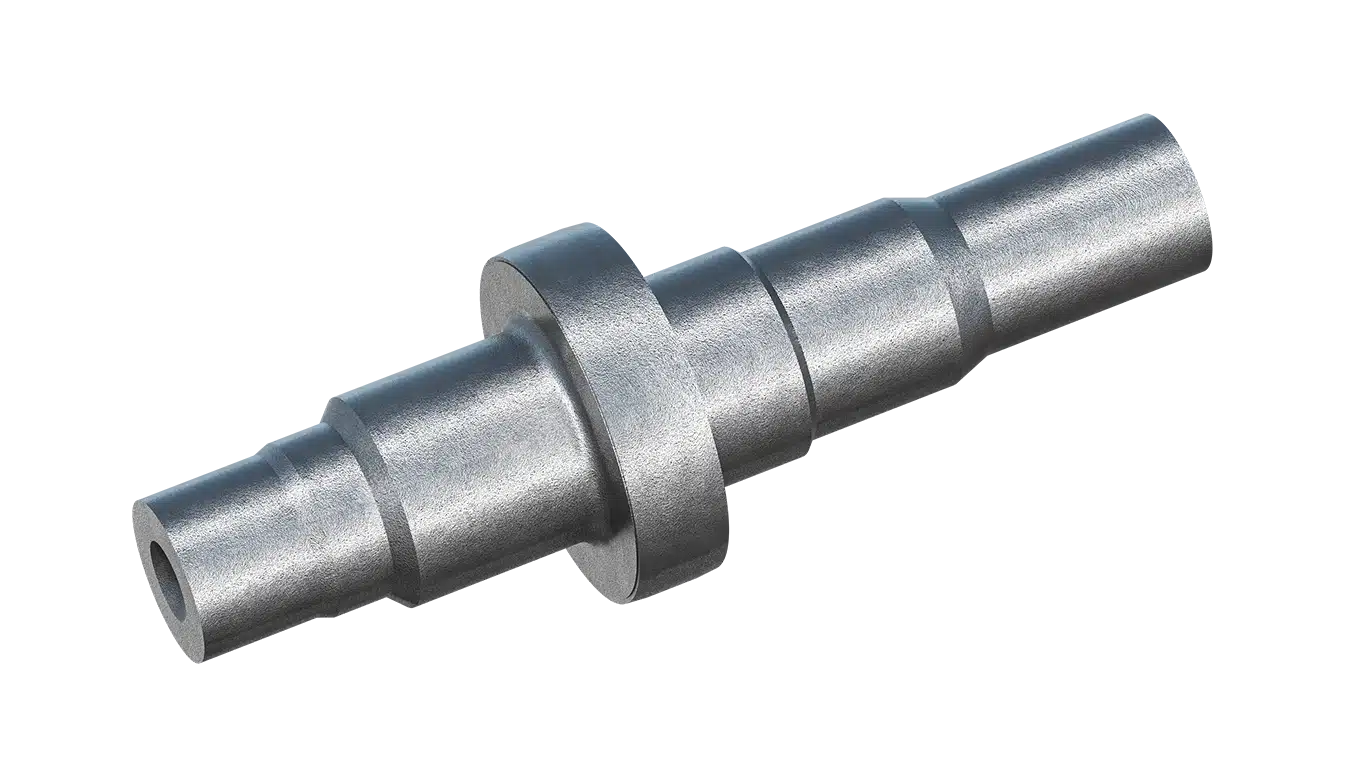
GEARBOX SHAFT
Steel
Trucks
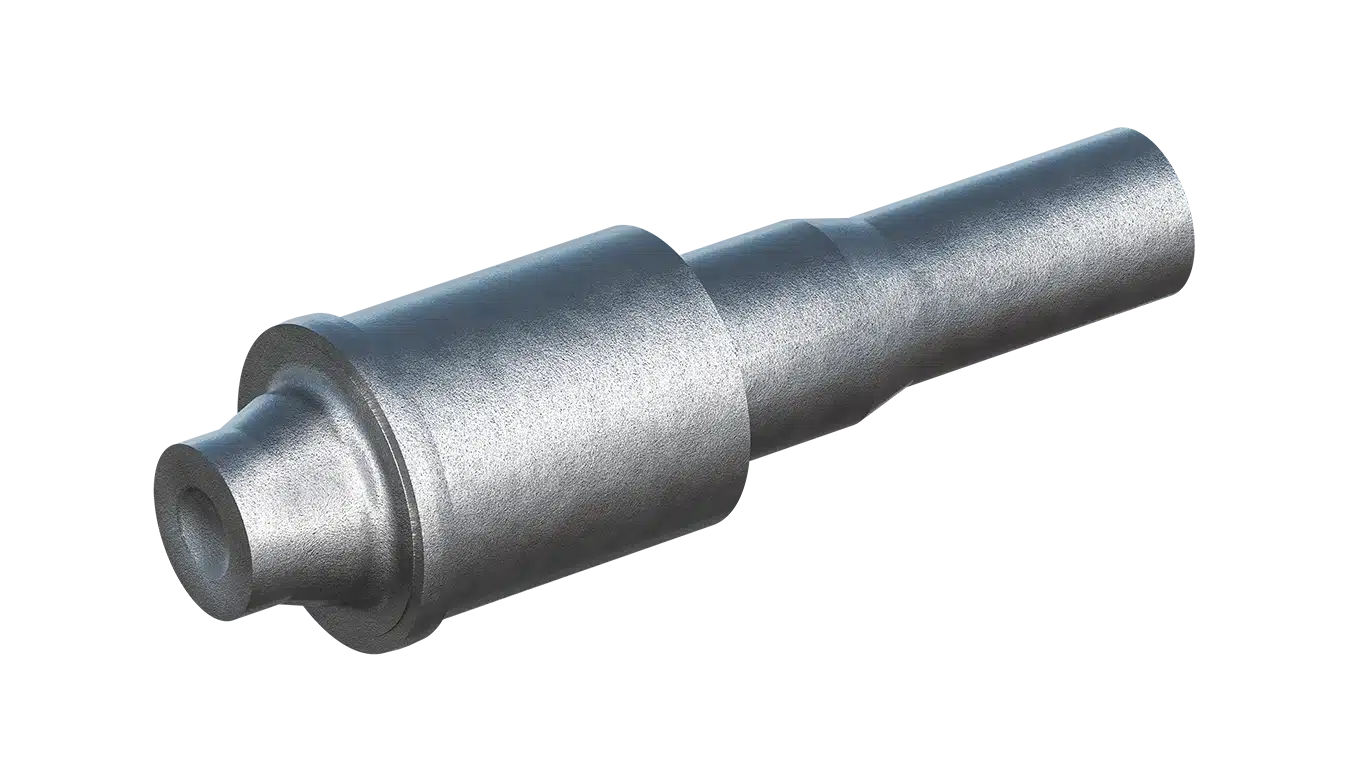
DRIVE SHAFT
Steel
Construction
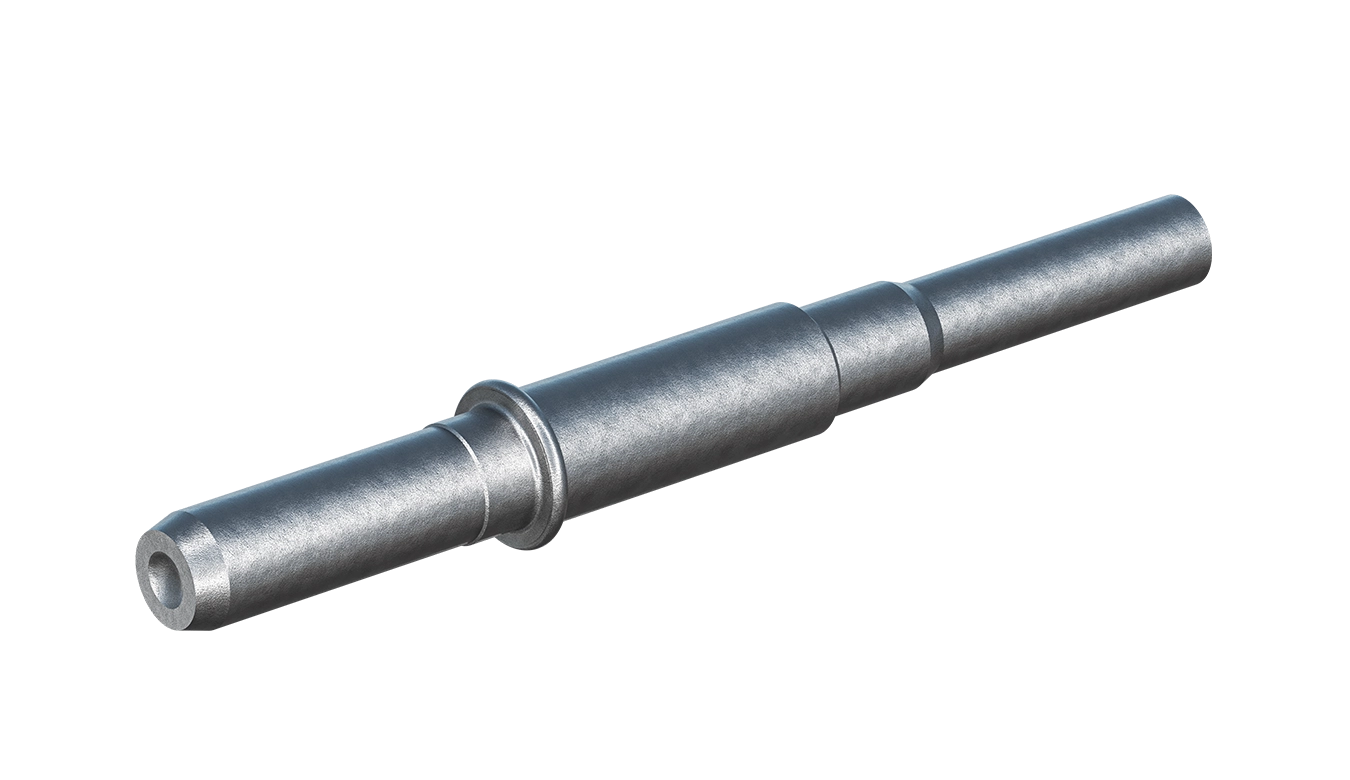
TRANSMISSION SHAFT
Steel
Construction
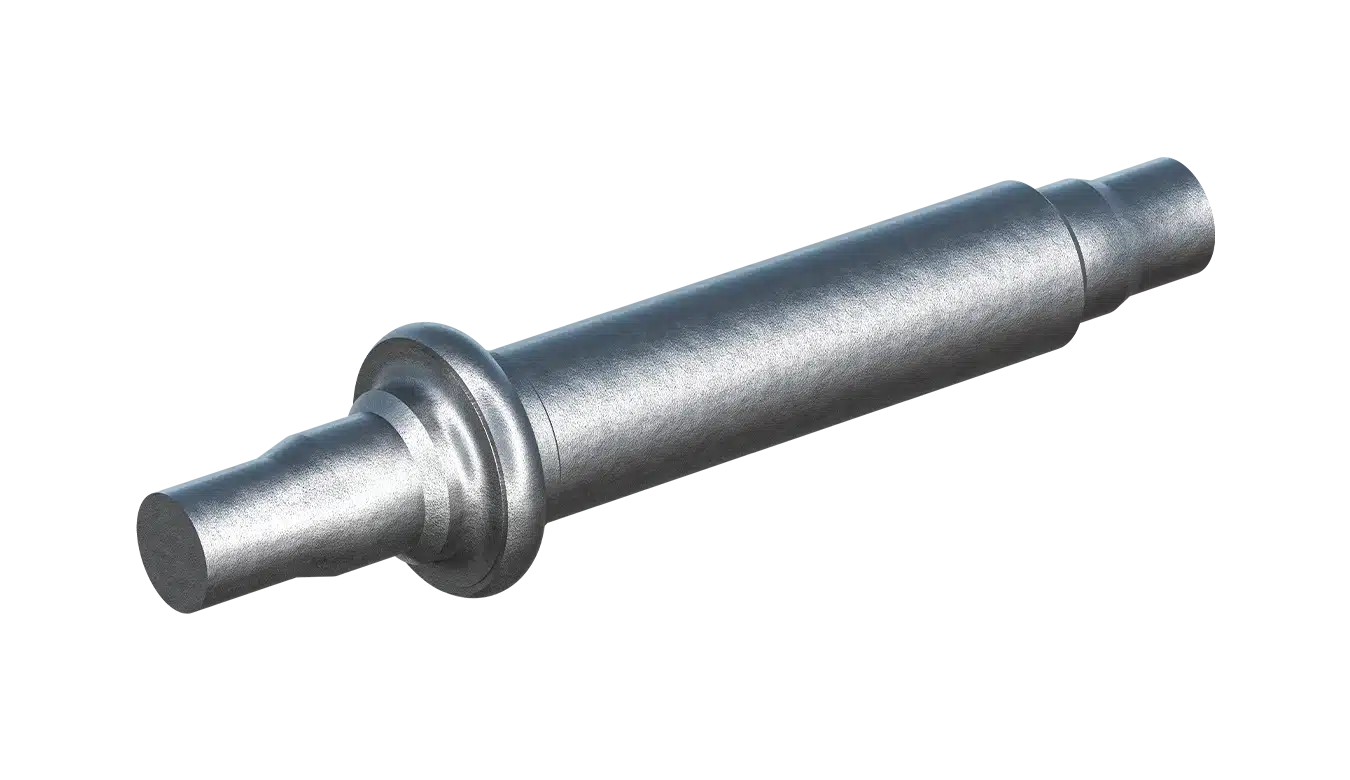
ROTOR SHAFT
Steel
Automotive
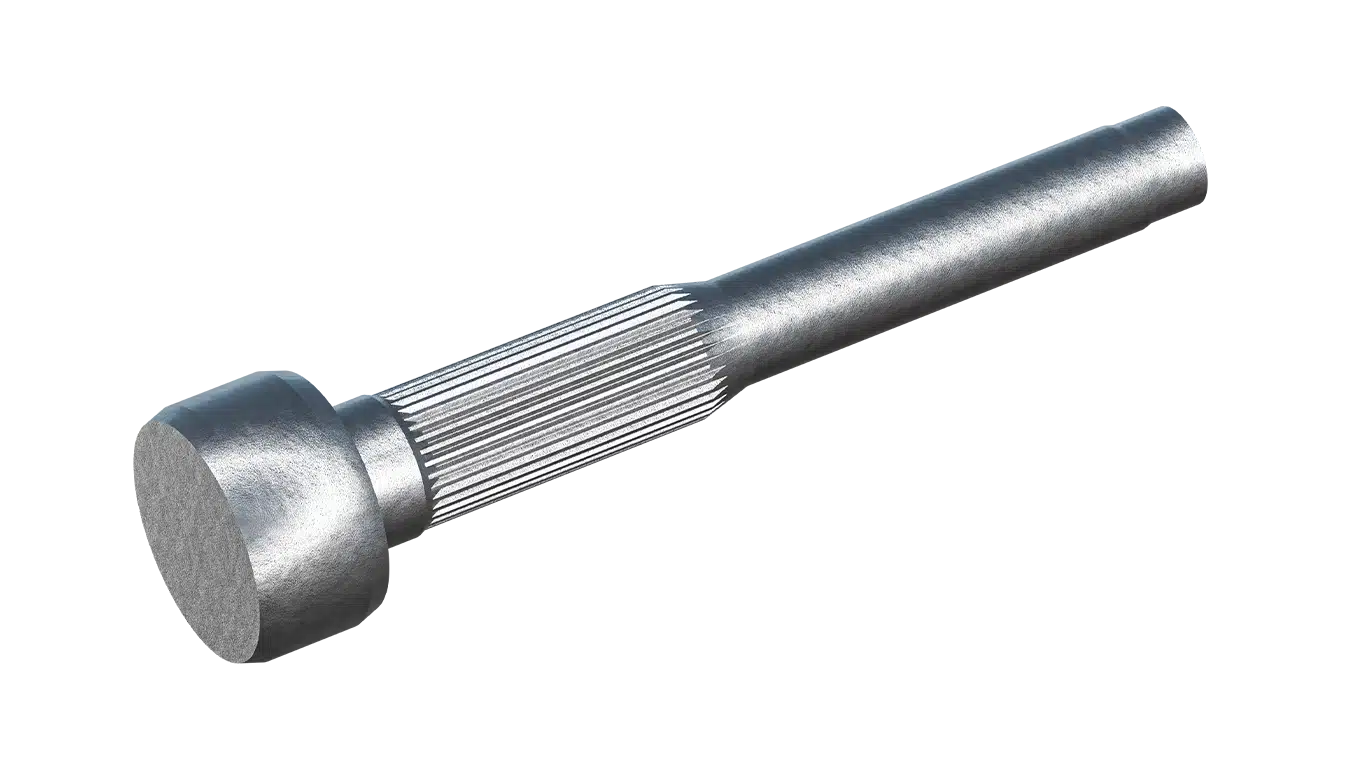
SPLINED SECONDARY SHAFT
Steel
Automotive
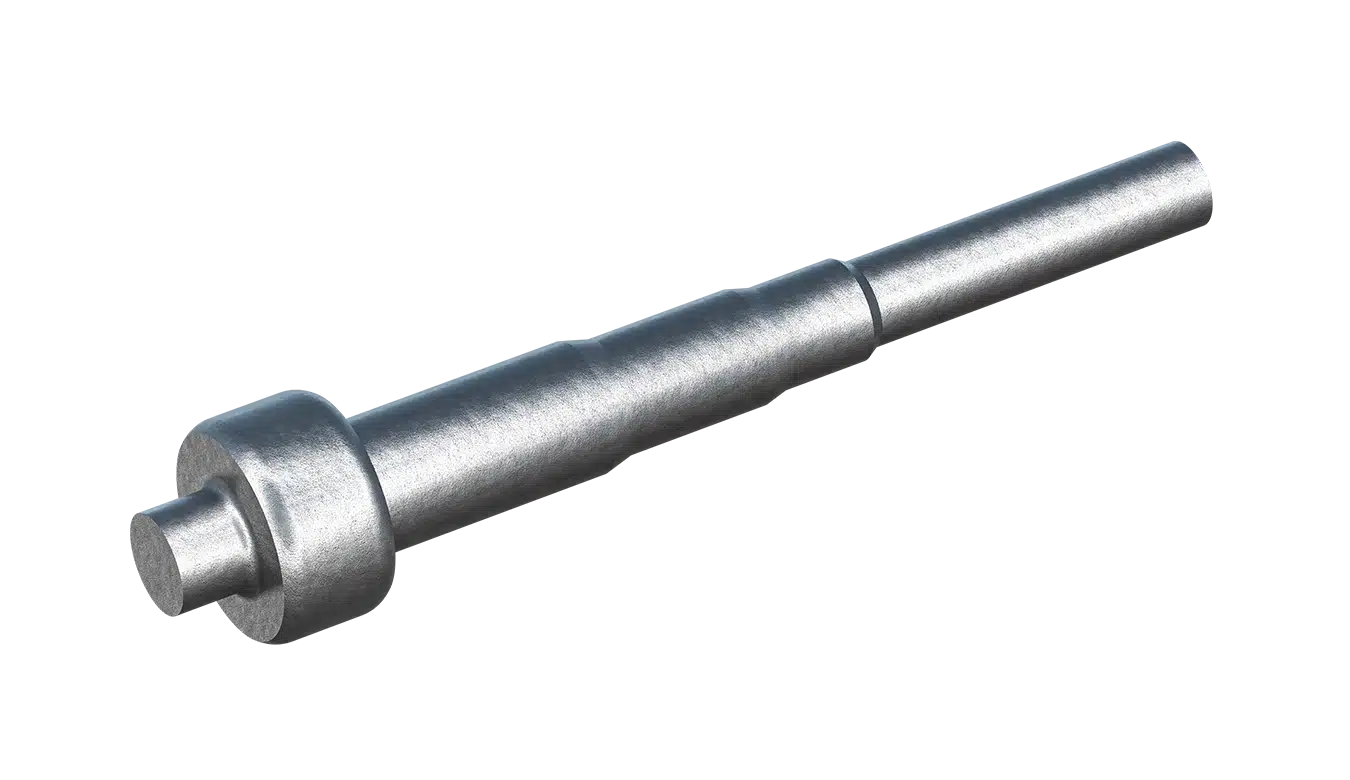
SECONDARY SHAFT
Steel
Automotive
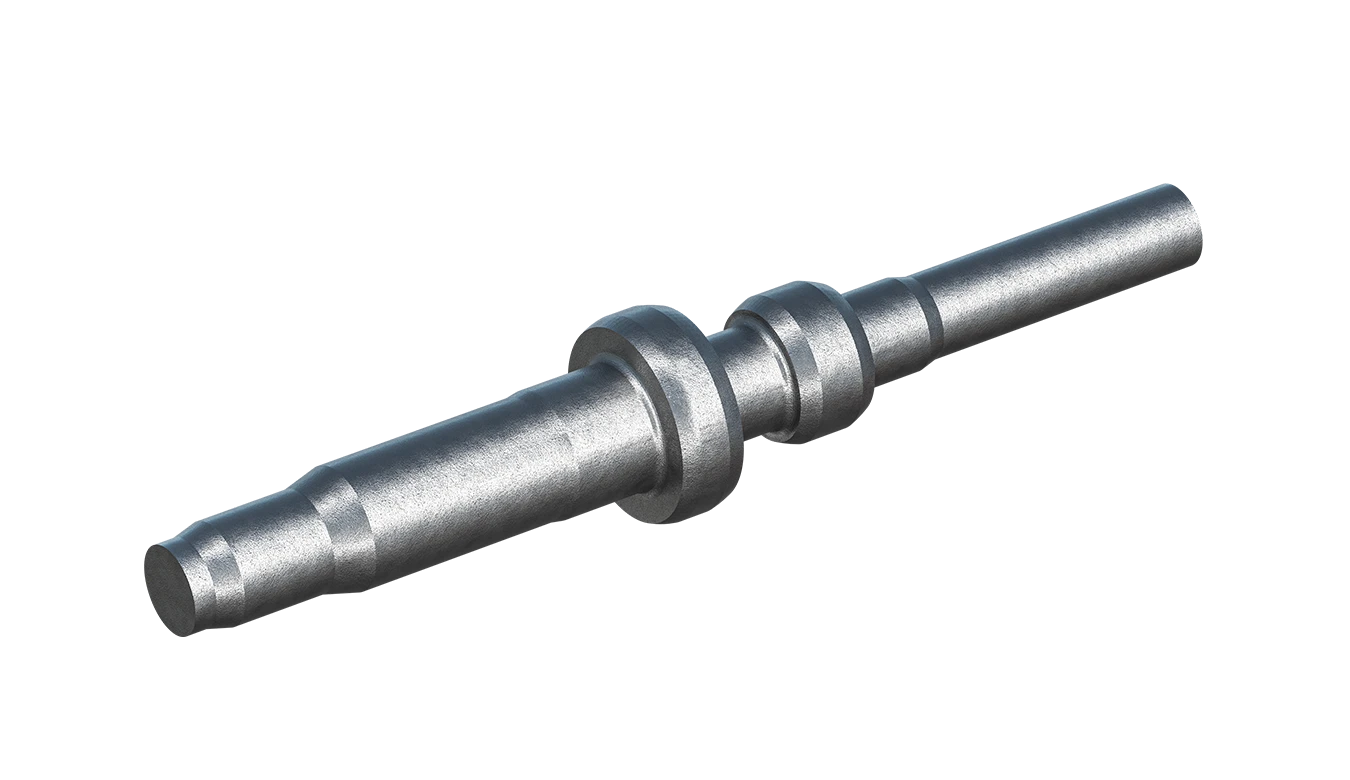
INPUT SHAFT
Steel
Automotive
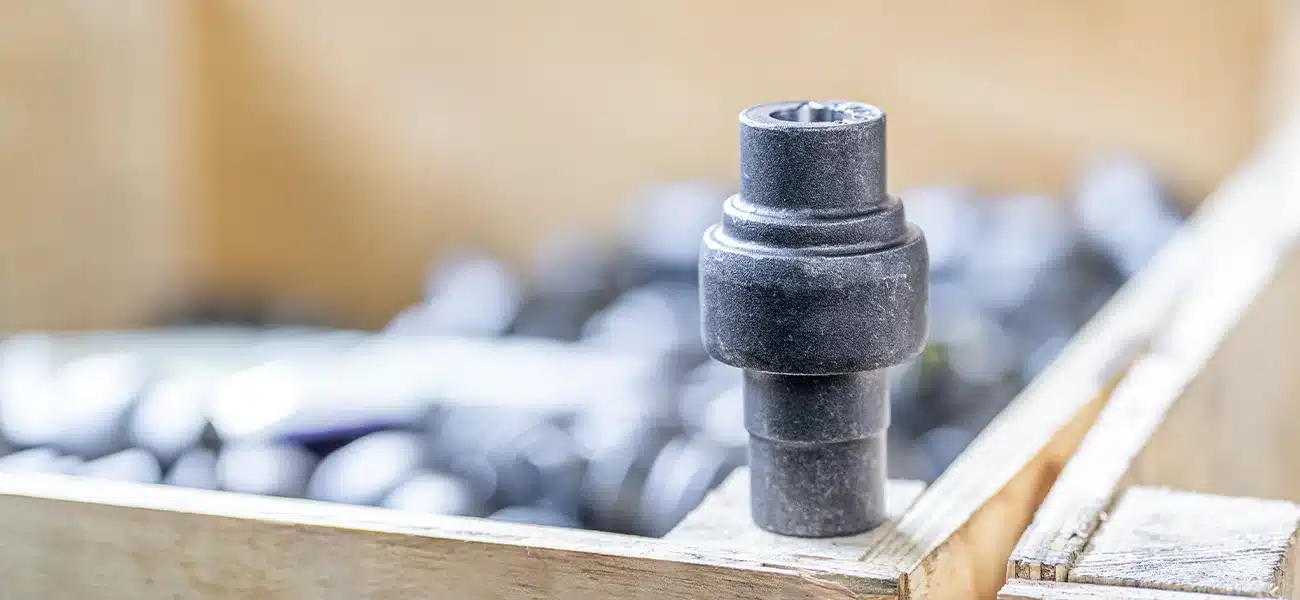
WOULD YOU LIKE TO KNOW MORE?
LET’S TALK ABOUT IT!
OUR FORGING PROCESSES
Setforge forges parts from 0.1 kg to 1,500 kg across the full range of closed-die forging processes. A breadth of capability that is, quite simply, unique in the market. From prototype to high-volume automotive production, our approach goes well beyond the forge itself: we work alongside our customers from the earliest stages of co-development through to finishing operations, covering every step of the journey from design intent to finished part.
Deep dive into the geometries we forge !
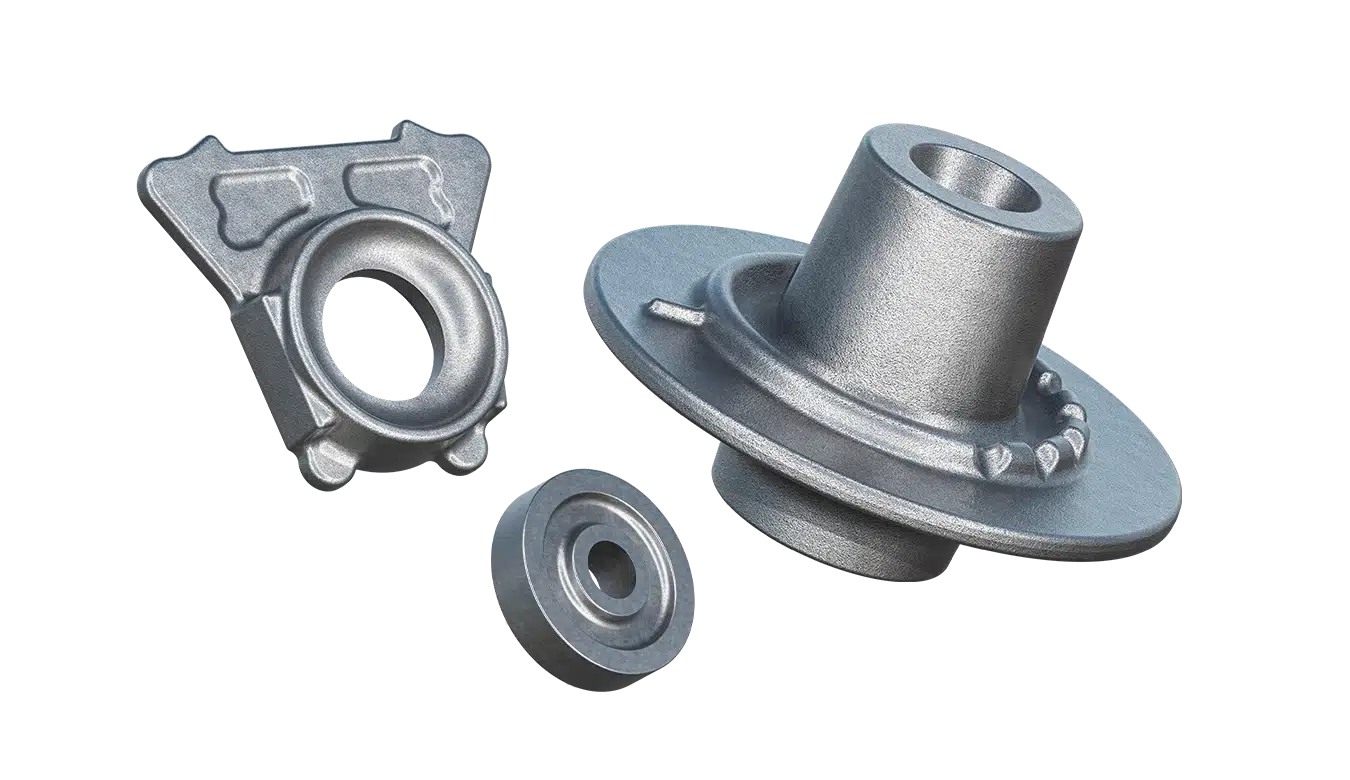
HOT FORGING
From 0.2 kg to 1,500 kg
Suitable for a wide range of complex shapes. Max weight: Steel 1,500 kg | Stainless Steel 1,400 kg | Ti and Ni-based 200 kg.
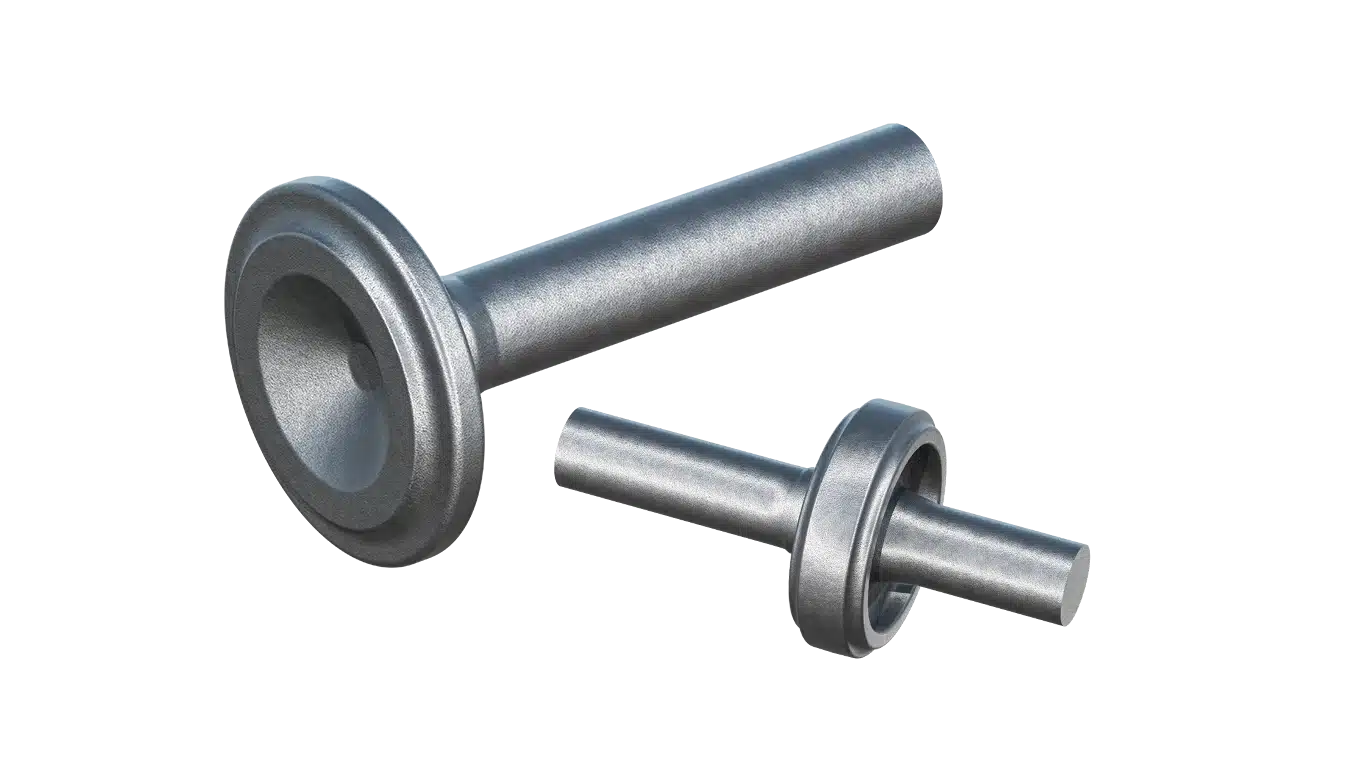
ELECTRICAL UPSETTING
From 0.1 kg to 200 kg
Long parts with flange up to 1,200 mm length, flanged diameter up to 450 mm and initial bar diameter up to 130 mm.
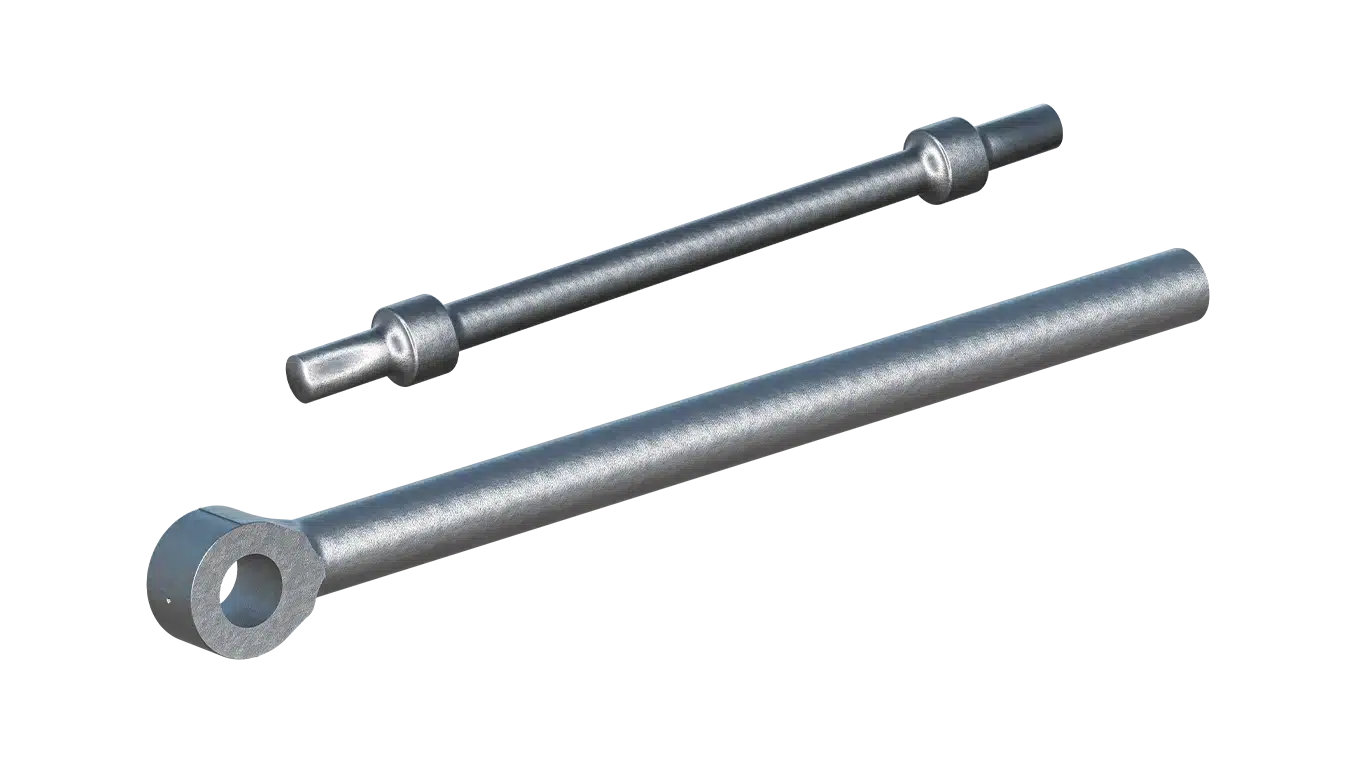
UPSET FORGING
From 2 kg to 600 kg
Long parts with complex head geometry up to 5,000 mm length, head diameter up to 400 mm and initial bar diameter up to 170 mm.
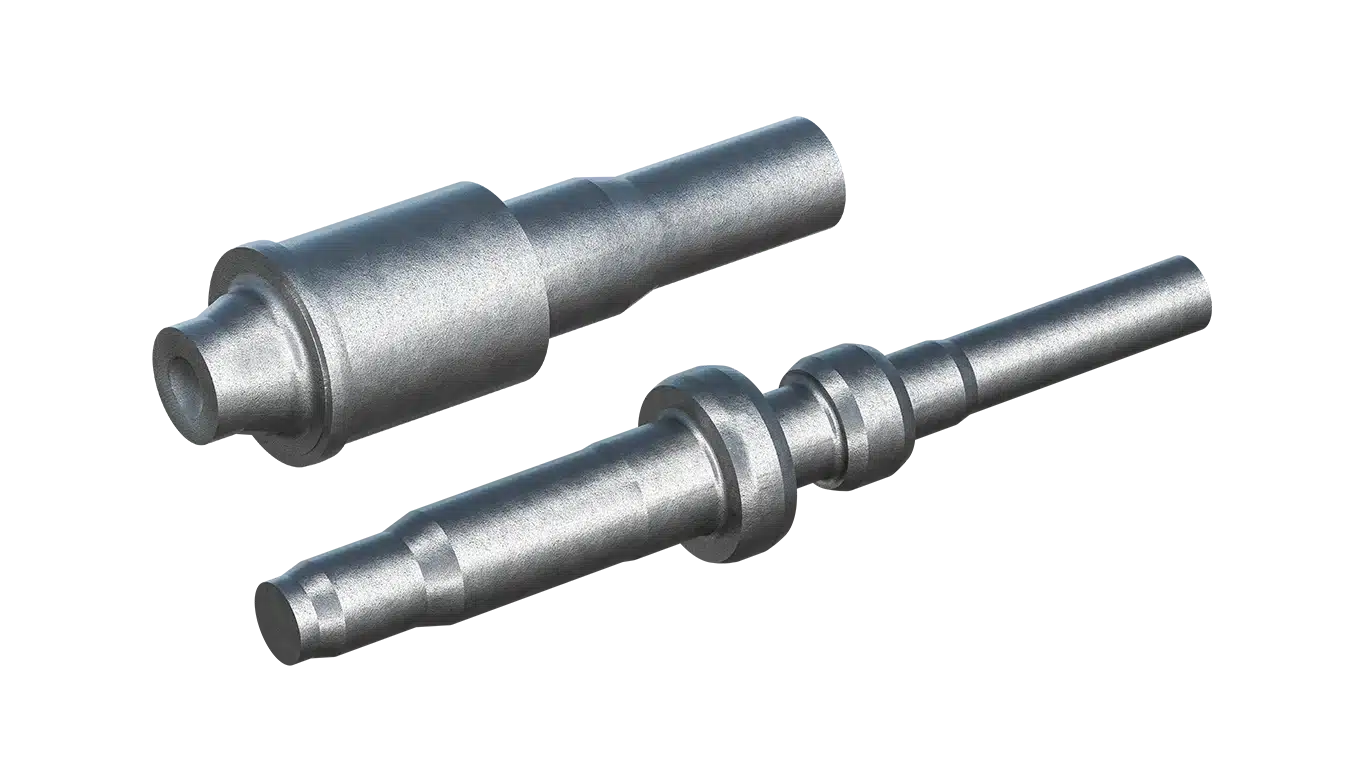
COLD FORGING
From 0.3 kg to 25 kg
Various shafts or long parts with max diameter up to 120 mm and 800 mm length.
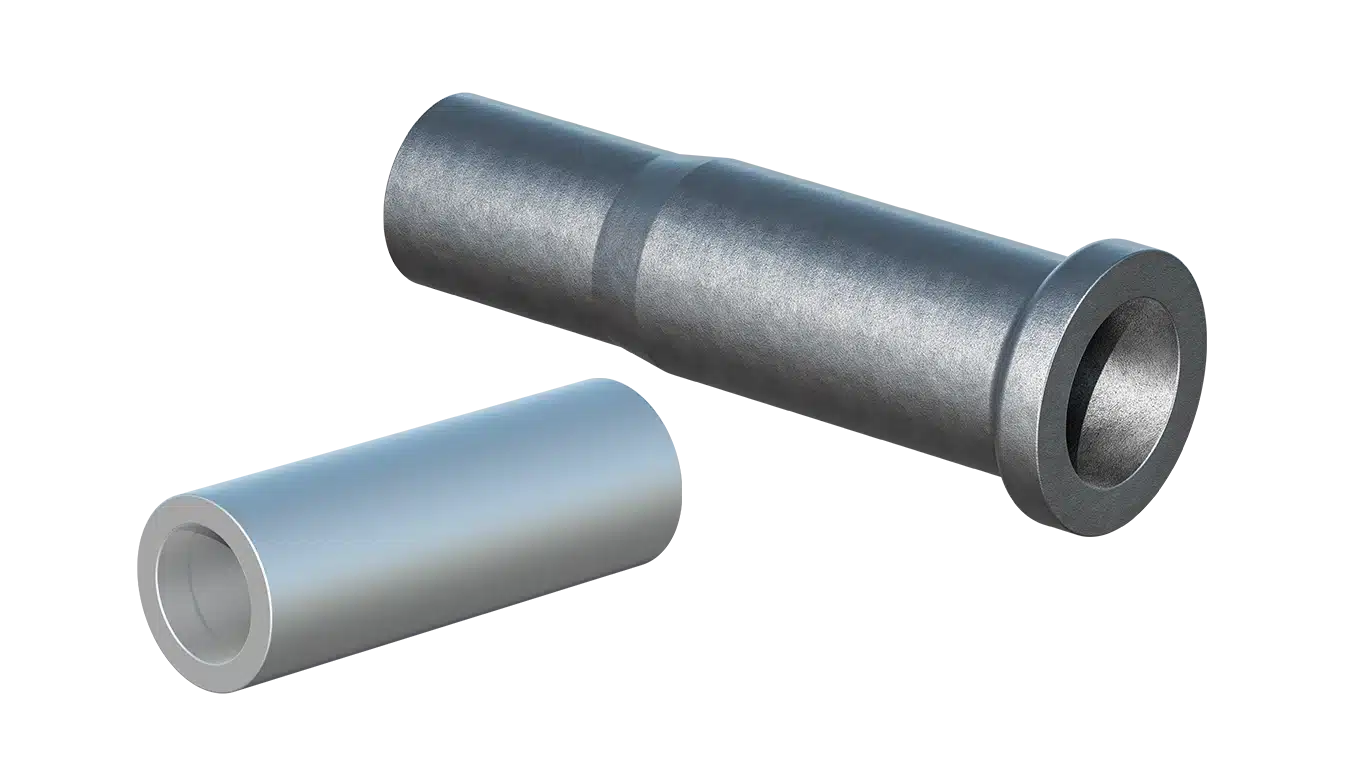
HOT EXTRUSION
Up to 1,500 kg
Tubular and shaft profile, straight or shaped, with or without hot piercing with O/D max 500 mm and length max 1,700 mm.
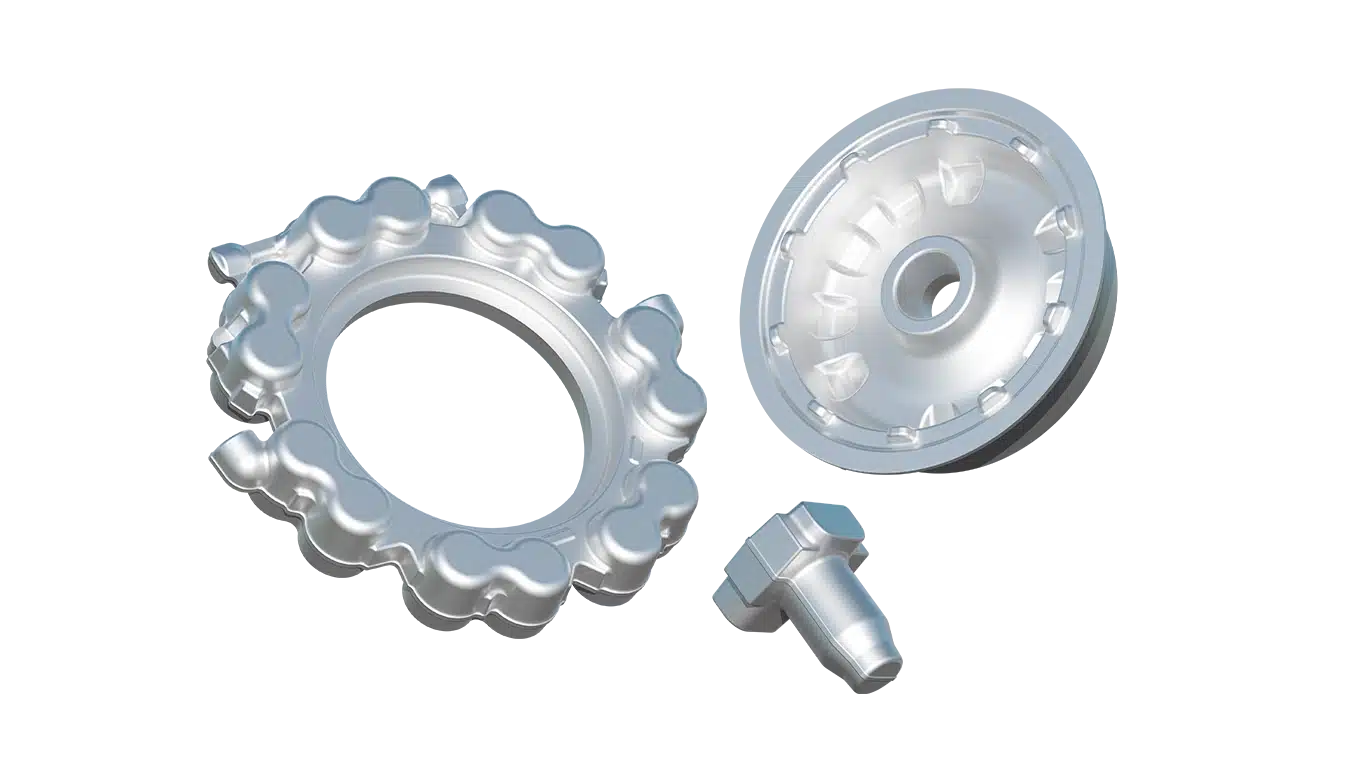
ALUMINUM FORGING
From 0.1 kg to 200 kg
Suitable for a wide range of complex shapes from the 1XXX to the 7XXX series depending on shape geometry.
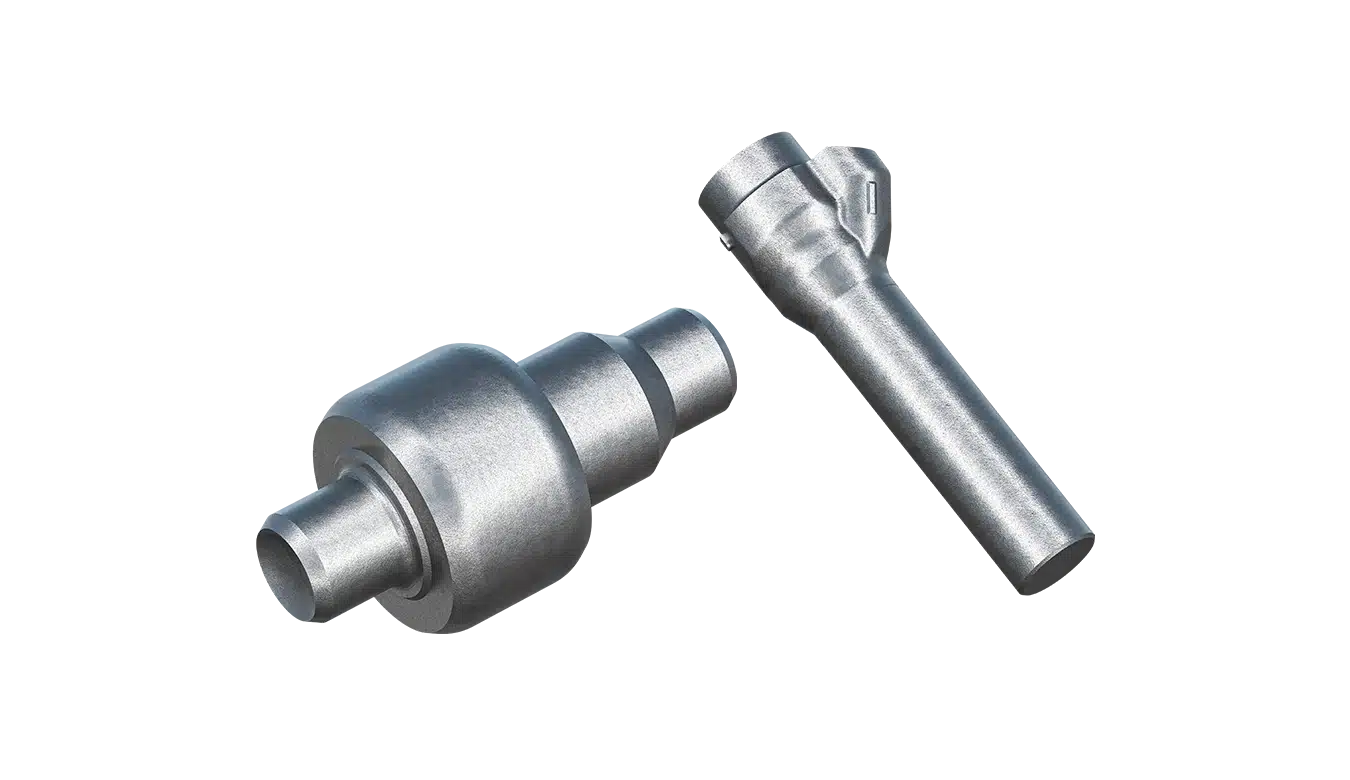
WARM FORGING
Up to 4 kg
Various parts with diameter up to 130 mm and length up to 450 mm.
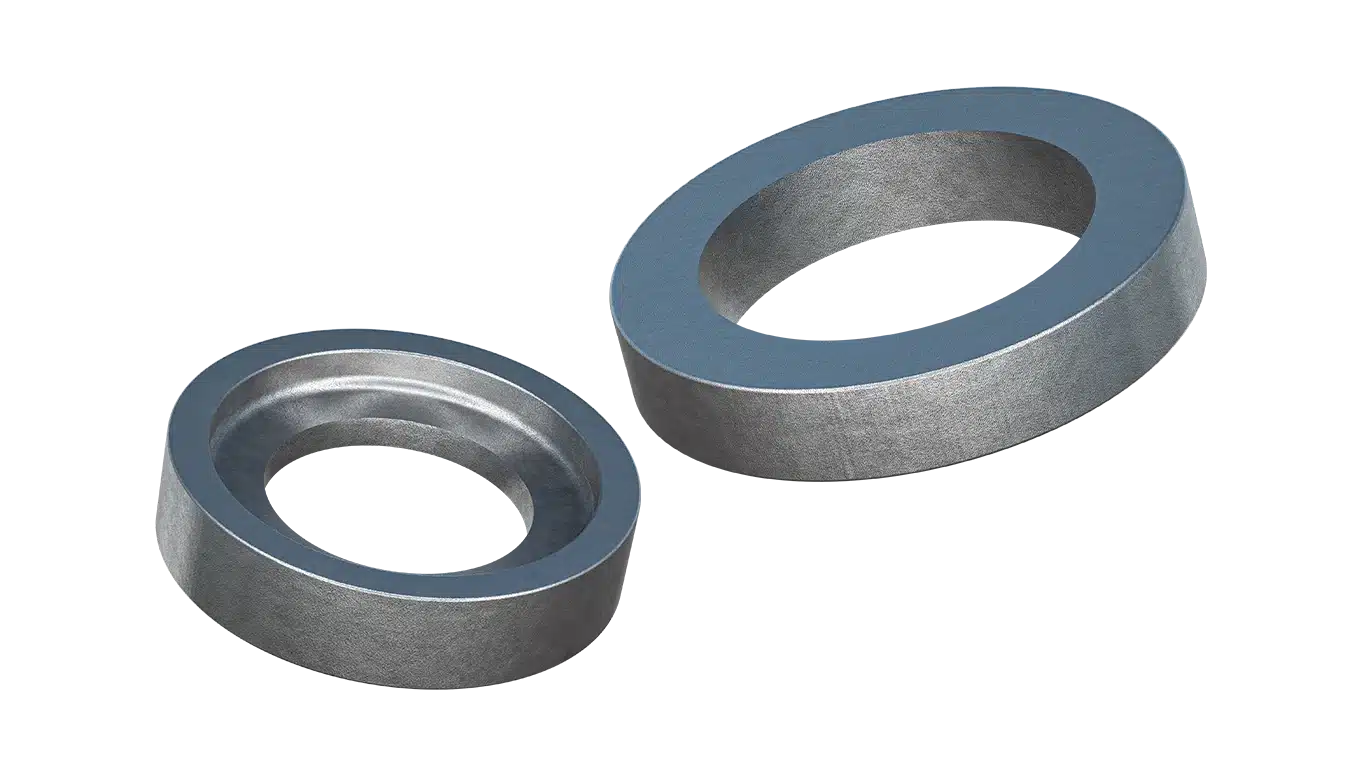
RING ROLLING
Up to 12 kg
Rings and crowns with various cross section geometries up to 250 mm diameter.
A 360° APPROACH
Over the years, we have developed genuine expertise across every discipline that a forged component requires: from early-stage engineering and tooling design to heat treatment and machining operations. Each of these capabilities has been built up through real industrial experience, working closely with OEMs, international Tier 1 suppliers, and machining partners. The result is a partner who understands the full chain, anticipates the constraints at each step, and stays involved from the first technical discussion to the final delivery.
Explore the full range of our capabilities !
On our Blog
Cold forging vs. Hot forging: which process fits your part?
31/07/2026
Forging is a manufacturing process, which shapes a solid-phase metal workpiece by applying compressive forces on it.
Read More
Developing a quality warm forging process
10/03/2026
Thanks to the automotive industry and its continuous development towards better, lighter and more cost efficient components, warm forging has gained greater importance. Alone or as a part of specia...
Read More
The undoubted advantages of the process
10/03/2026
Forging is classified in hot, warm and cold, according to the temperature at which is performed.
Read More