A unique diversity of know-how
Machining
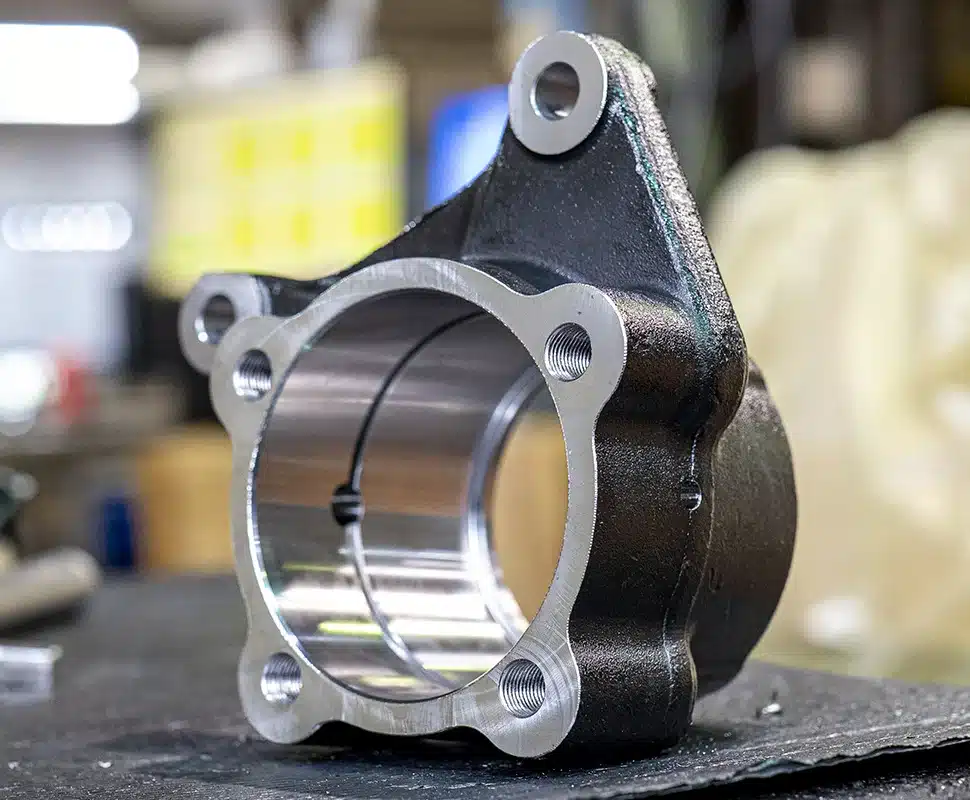
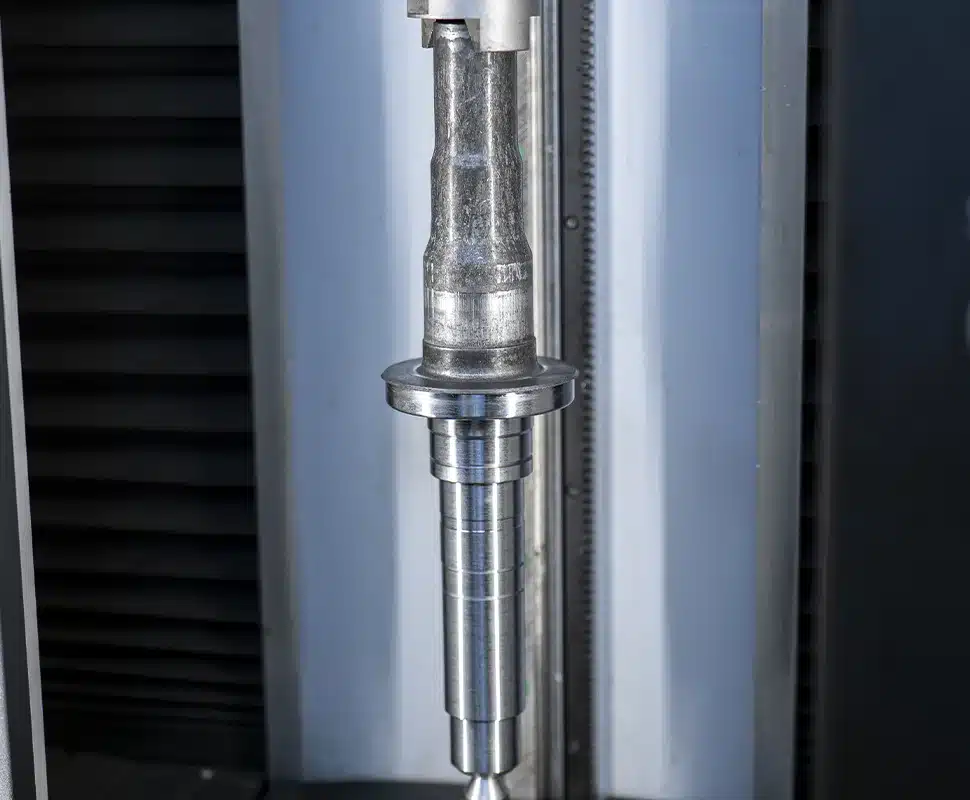
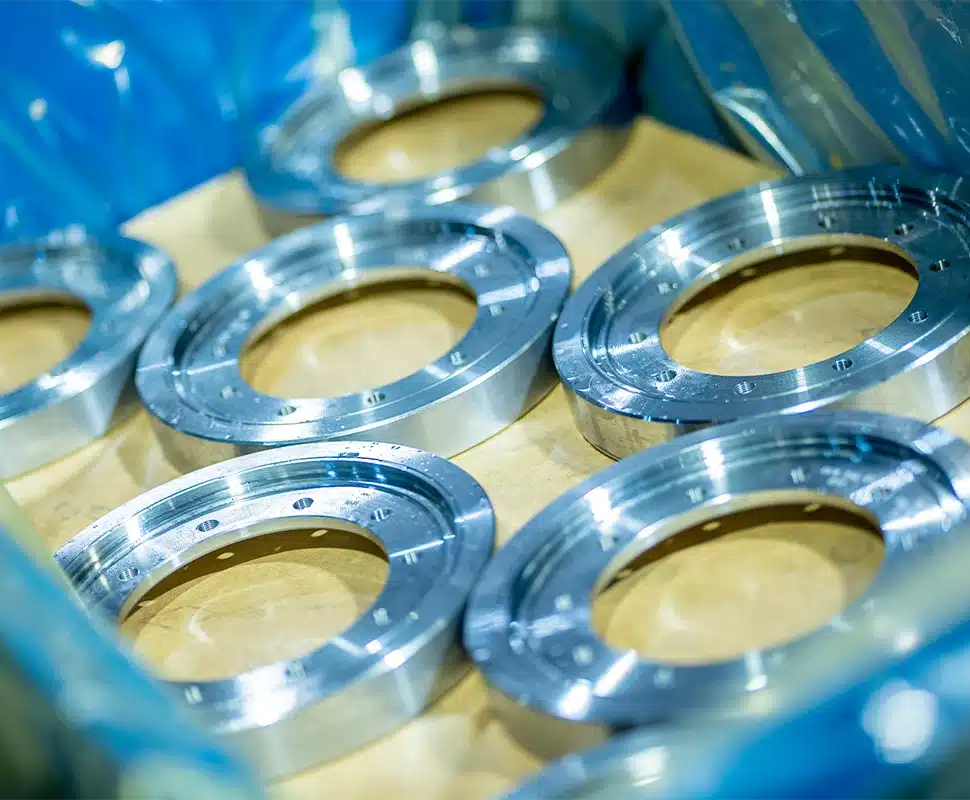
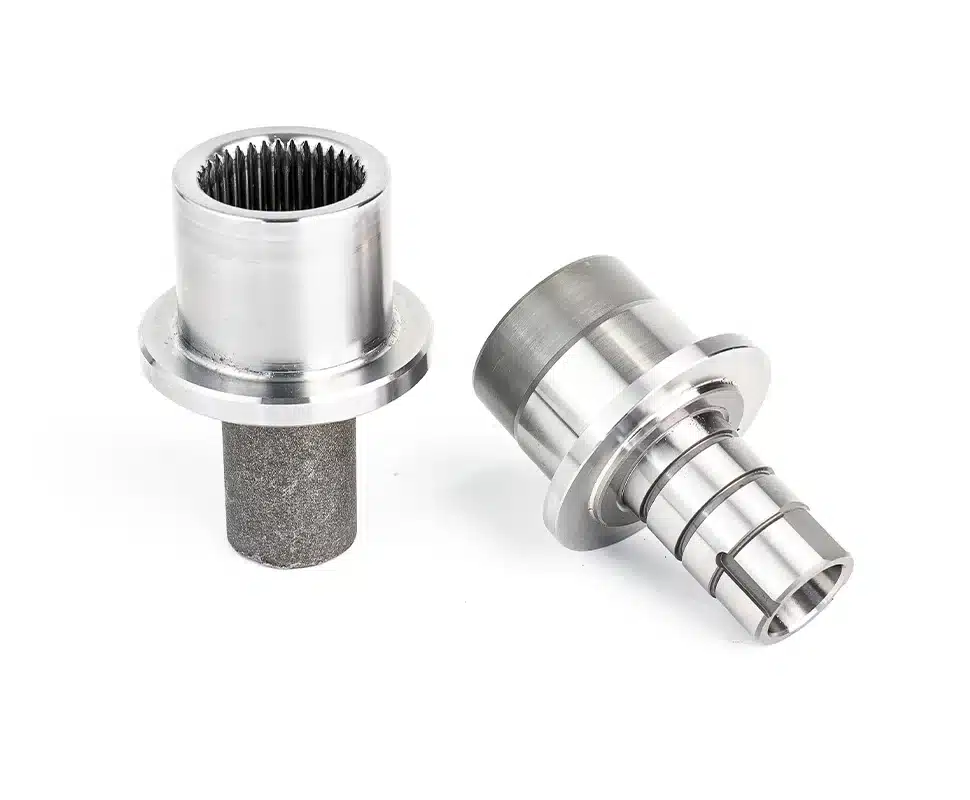
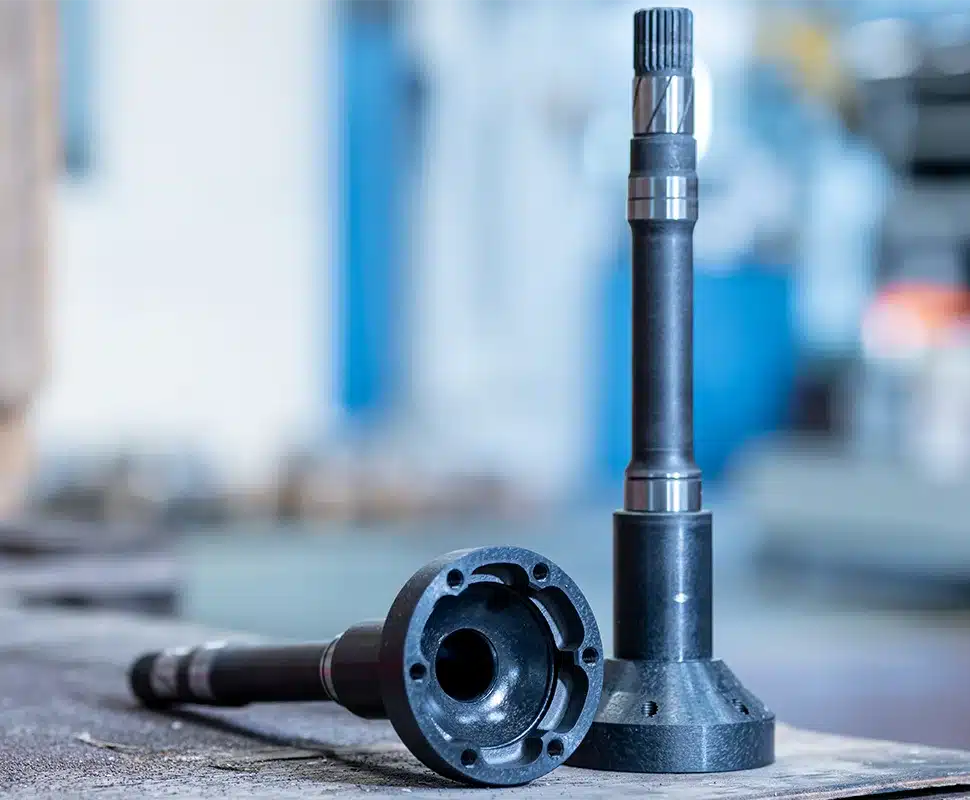
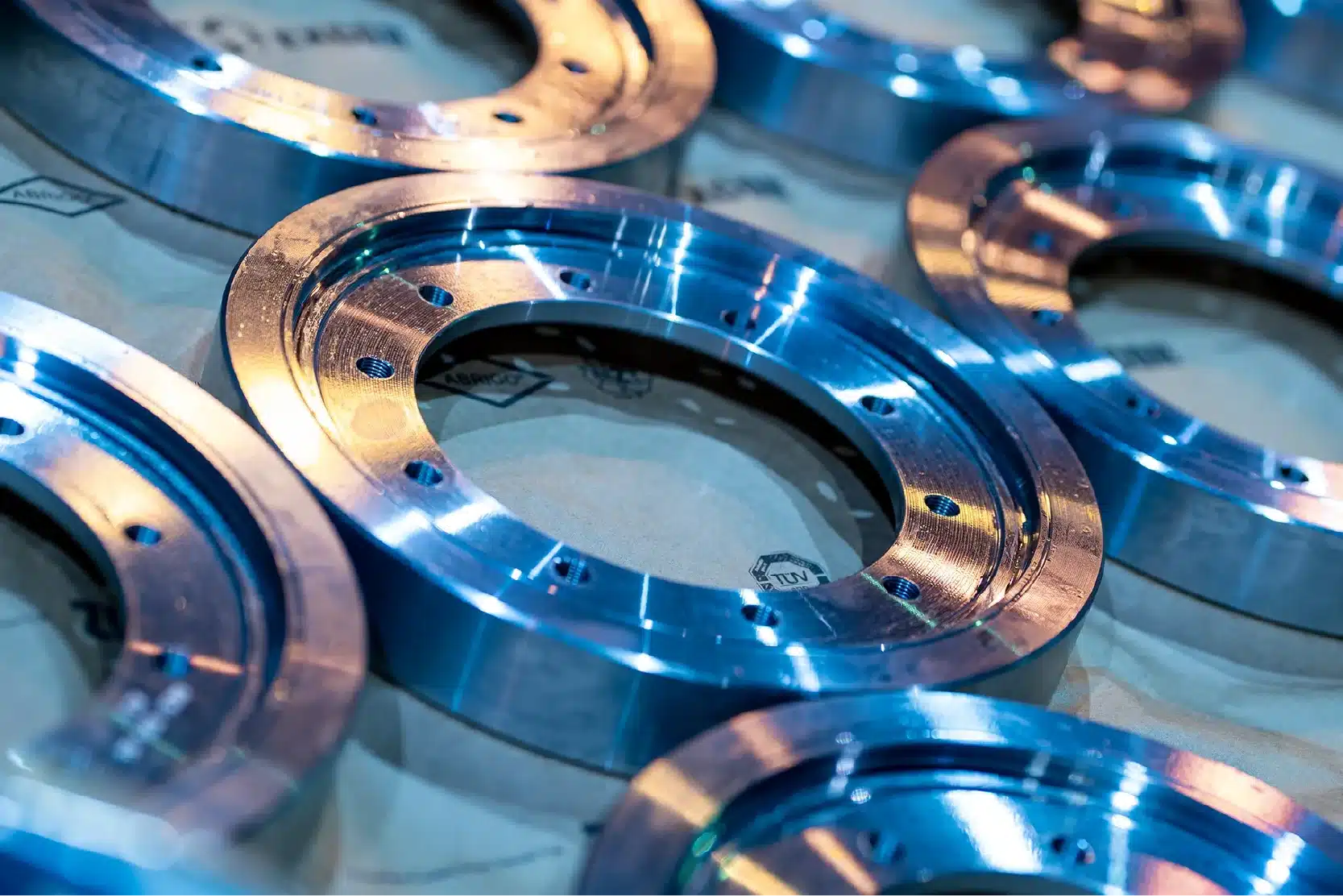
Forging produces components with high mechanical properties and a geometry close to their final shape. Machining completes the process, achieving the definitive dimensions, surface finishes and functional characteristics each application demands. These operations remove the stock allowed for at the design stage, produce the holes, threads, grooves and precision interfaces, and bring functional surfaces to the required level of finish.
At Setforge, we can take charge of the entire post-forging process, in-house or with selected partners. Our position as a Tier 1 partner simplifies the supply chain and improves the coordination of cost, lead time and quality, from raw material to finished component.
How forging and machining complement each other
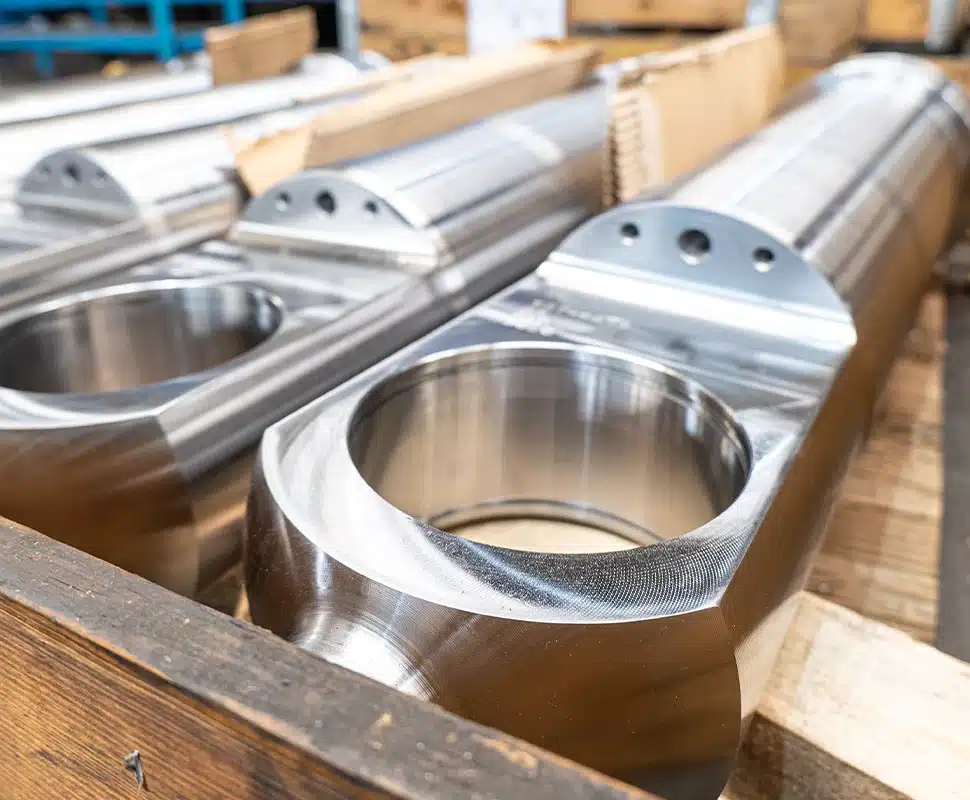
Forging establishes the component's main geometry, distributes the material into the functional zones and develops a grain flow suited to its shape. Certain features are nonetheless deliberately reserved for machining in order to reach the required level of precision. The draft angles that ease die release create slightly tapered surfaces, while flash is trimmed after forging. Calibrated holes, threads, keyways, functional bearing surfaces and complex pockets are then produced with the appropriate machining processes.
This combination pairs the forged part's mechanical properties with the precision of material-removal technologies. Depending on the geometry, near-net-shape forming can cut machining needs by 40 to 70% compared with manufacturing entirely from bar, reducing cycle times, tool wear and chip volumes.
Common MACHINING OPERATIONS
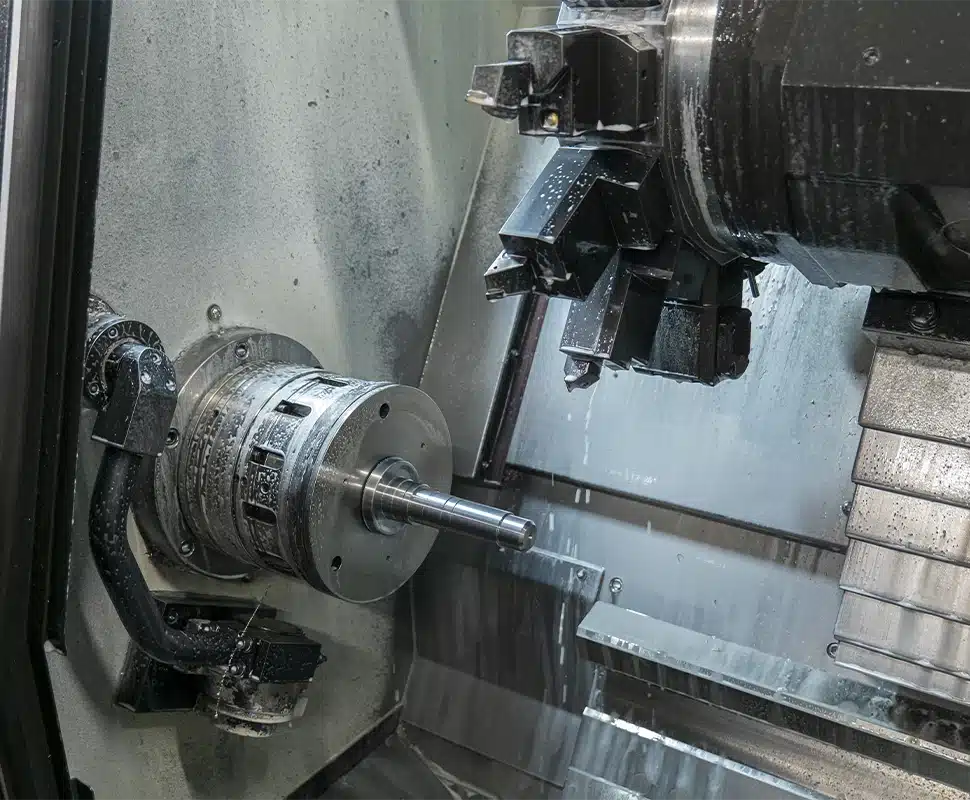
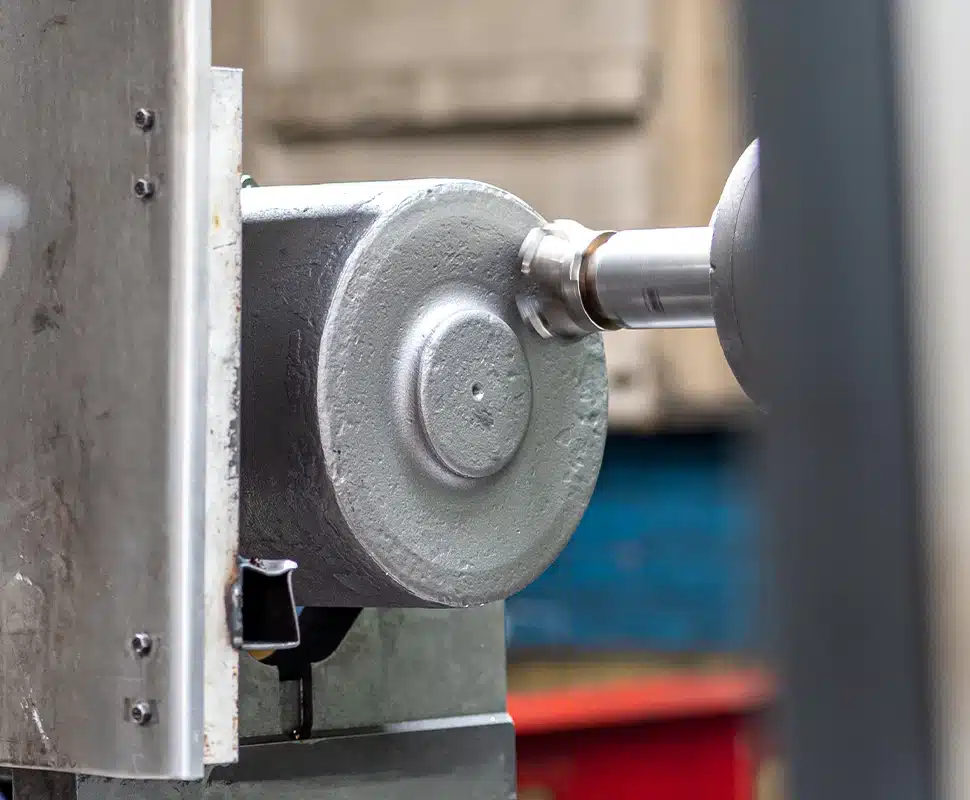
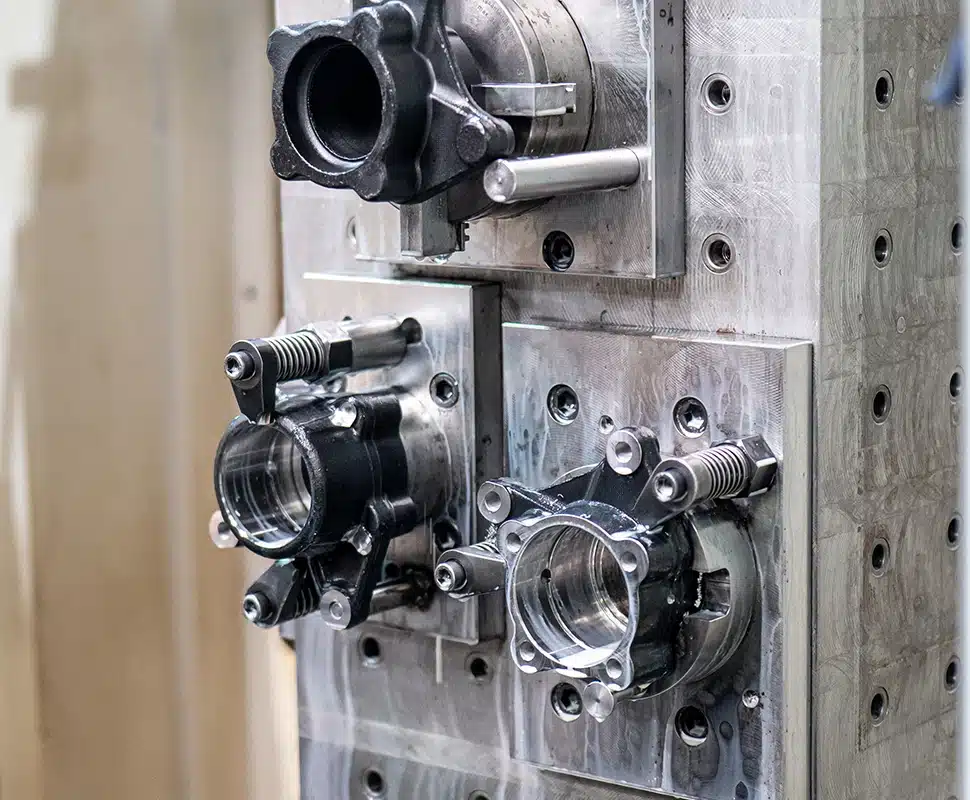
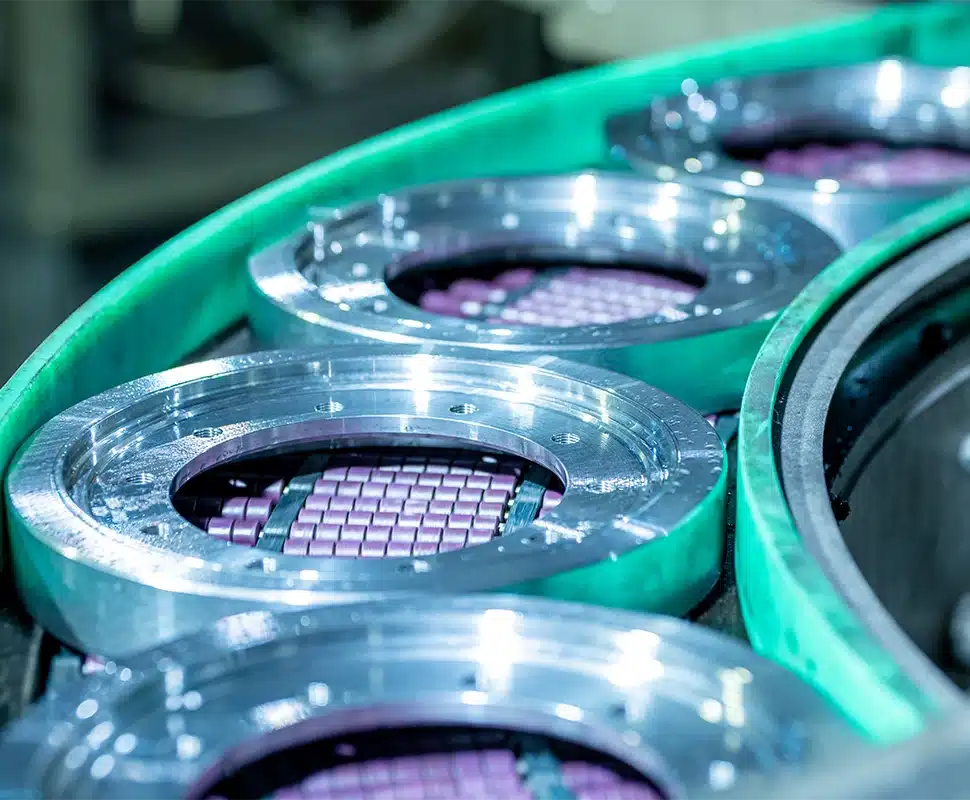
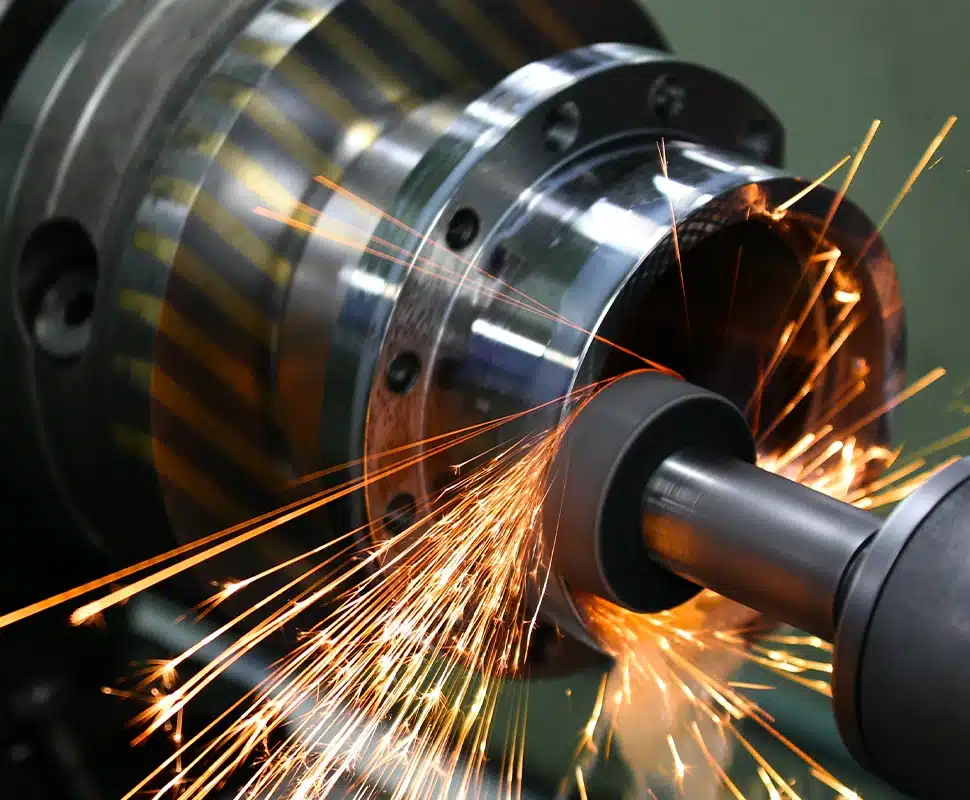
Post-forging machining focuses on achieving final dimensions and creating features impossible to forge.
The specific operations depend on part design and functional requirements.
MACHINING AT SETFORGE
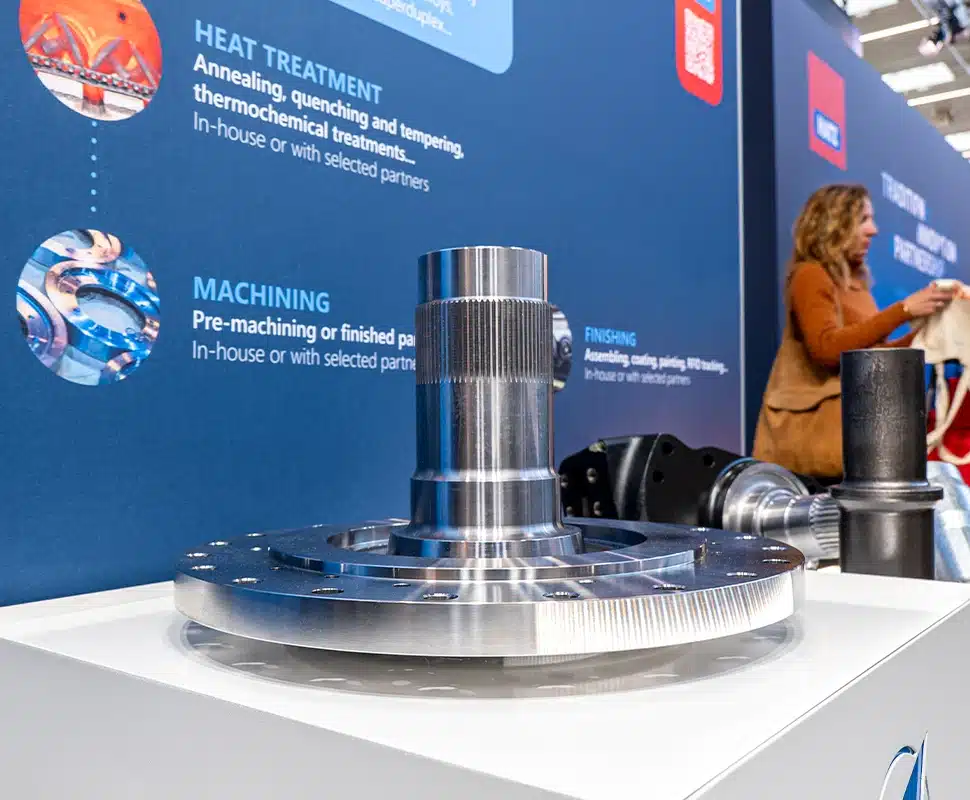
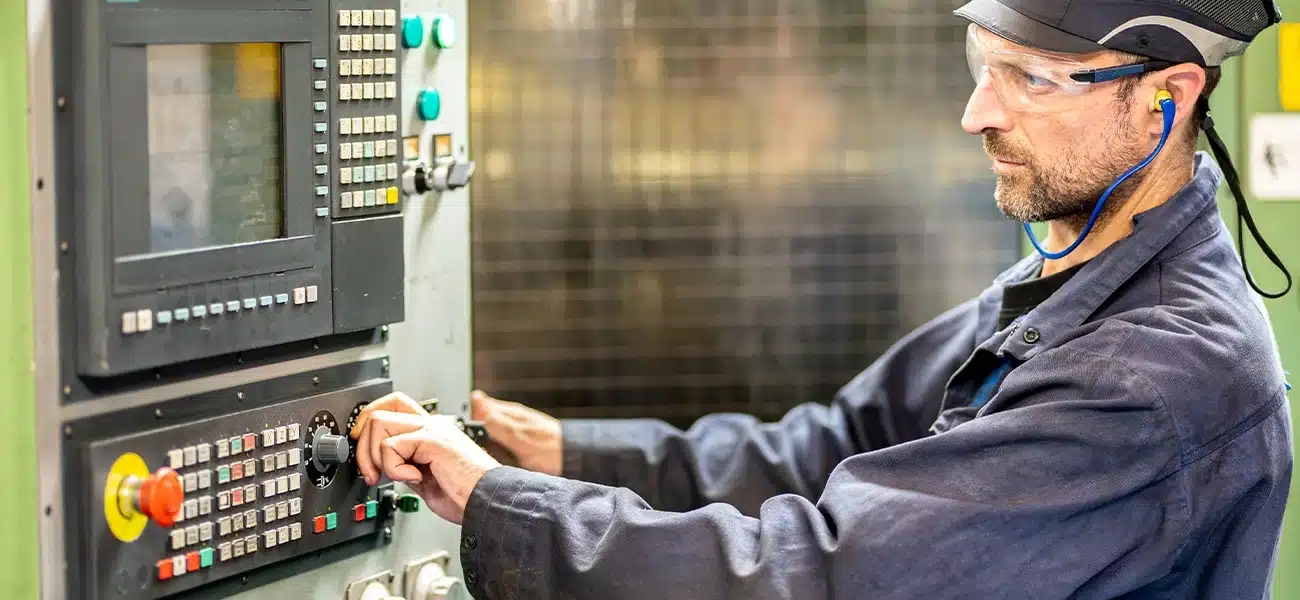
Our machining capabilities have grown considerably, positioning Setforge as a tier 1 partner able to deliver finished components. We oversee each project from the earliest design phases through to industrialization and series production. This approach gives our customers a single point of contact to coordinate forging, heat treatment, machining, inspection and quality documentation. It streamlines technical exchanges, reduces interfaces and allows the complete route to be optimized rather than each operation in isolation.
We make targeted investments in our in-house machining resources for projects of industrial and strategic interest. For other needs, we rely on a selected network of specialized partners across Europe. This flexible model builds the most suitable solution for each component, its volume and its technical requirements, while maintaining control of quality, lead times and traceability through to final delivery.
WOULD YOU LIKE TO KNOW MORE?
LET’S TALK ABOUT IT!
OUR FORGING PROCESSES
Setforge forges parts from 0.1 kg to 1,500 kg across the full range of closed-die forging processes. A breadth of capability that is, quite simply, unique in the market. From prototype to high-volume automotive production, our approach goes well beyond the forge itself: we work alongside our customers from the earliest stages of co-development through to finishing operations, covering every step of the journey from design intent to finished part.
Deep dive into the geometries we forge !
HOT FORGING
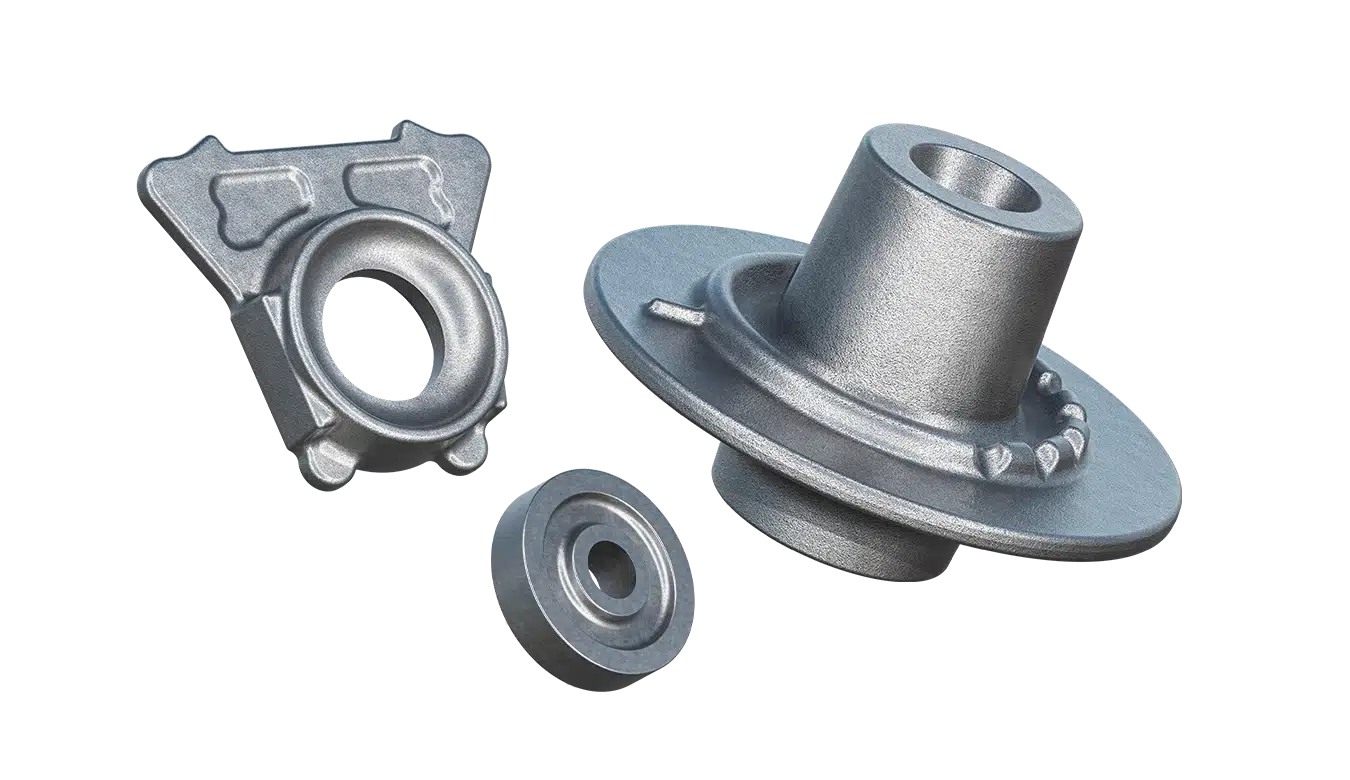
From 0.2 kg to 1,500 kg
Suitable for a wide range of complex shapes. Max weight: Steel 1,500 kg | Stainless Steel 1,400 kg | Ti and Ni-based 200 kg.
ELECTRICAL UPSETTING
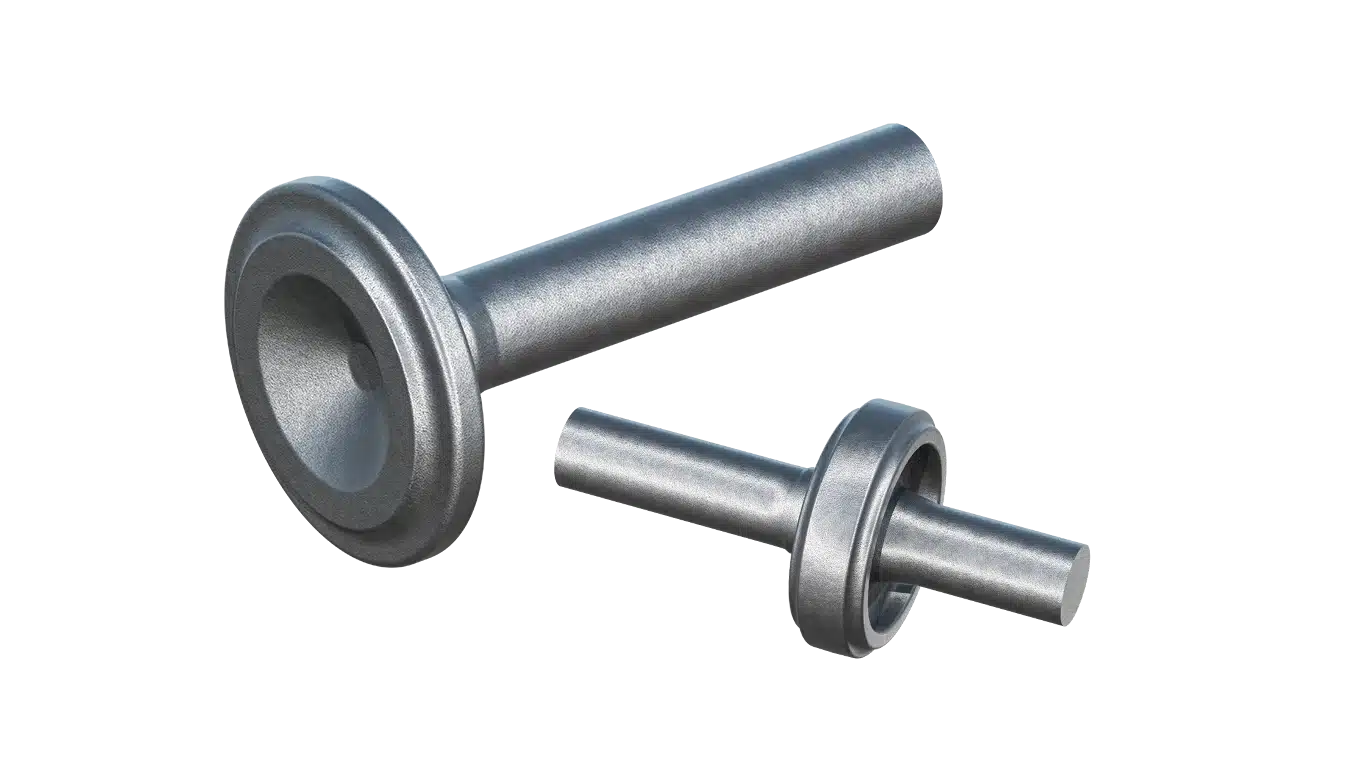
From 0.1 kg to 200 kg
Long parts with flange up to 1,200 mm length, flanged diameter up to 450 mm and initial bar diameter up to 130 mm.
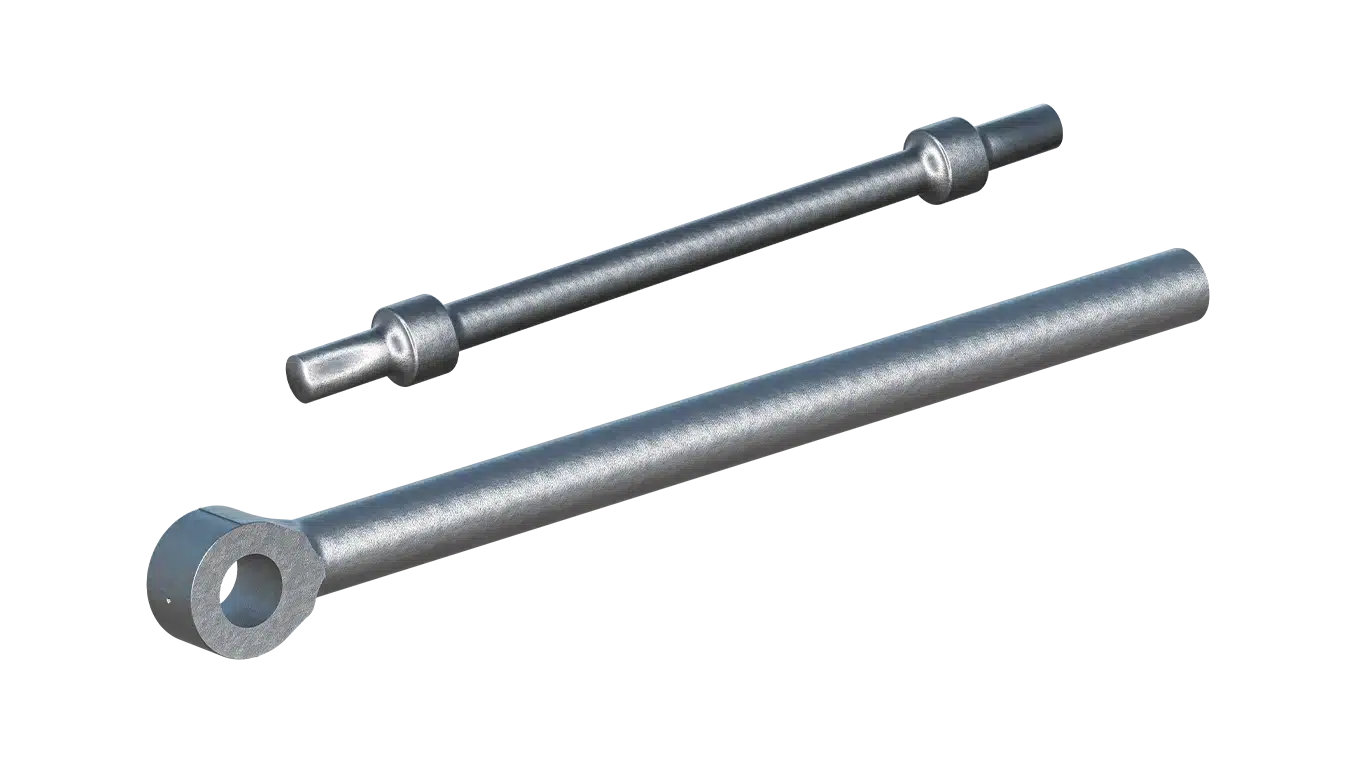
UPSET FORGING
From 2 kg to 600 kg
Long parts with complex head geometry up to 5,000 mm length, head diameter up to 400 mm and initial bar diameter up to 170 mm.
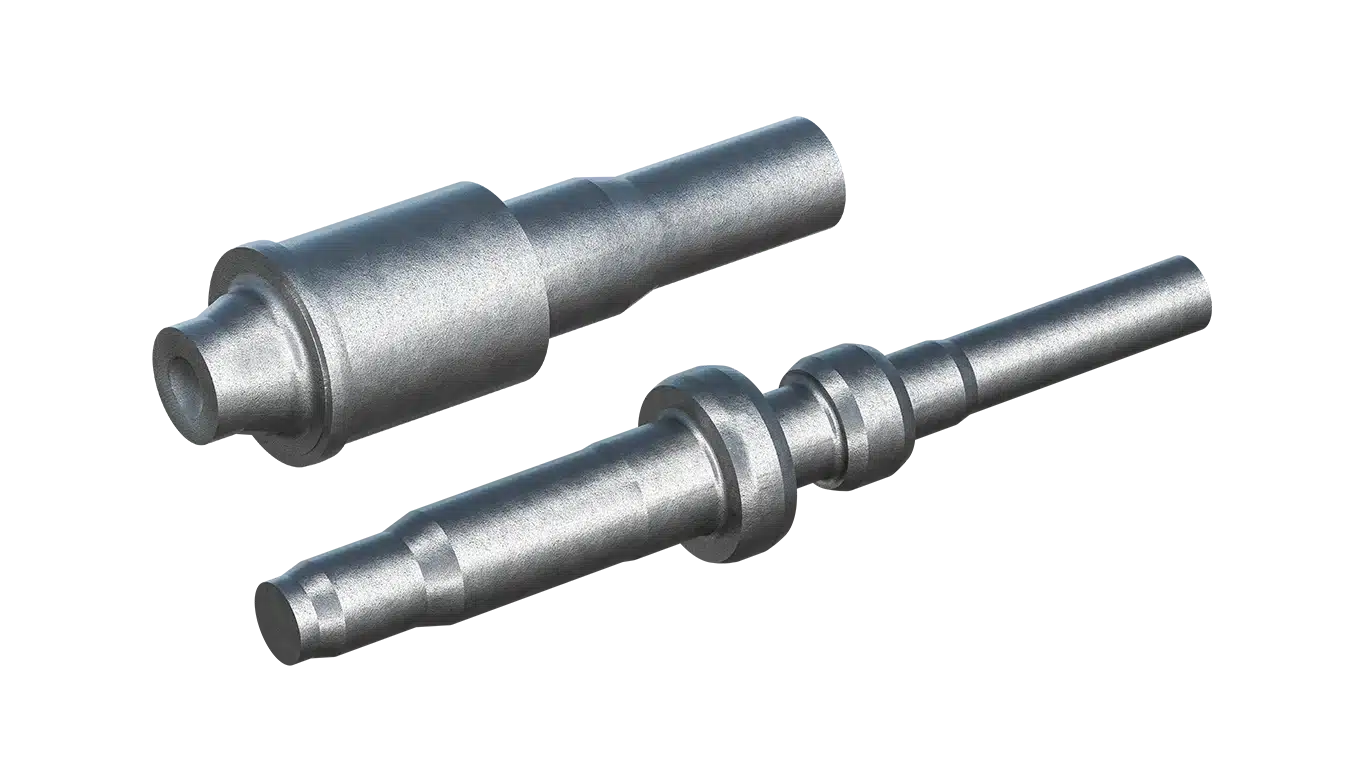
COLD FORGING
From 0.3 kg to 25 kg
Various shafts or long parts with max diameter up to 120 mm and 800 mm length.
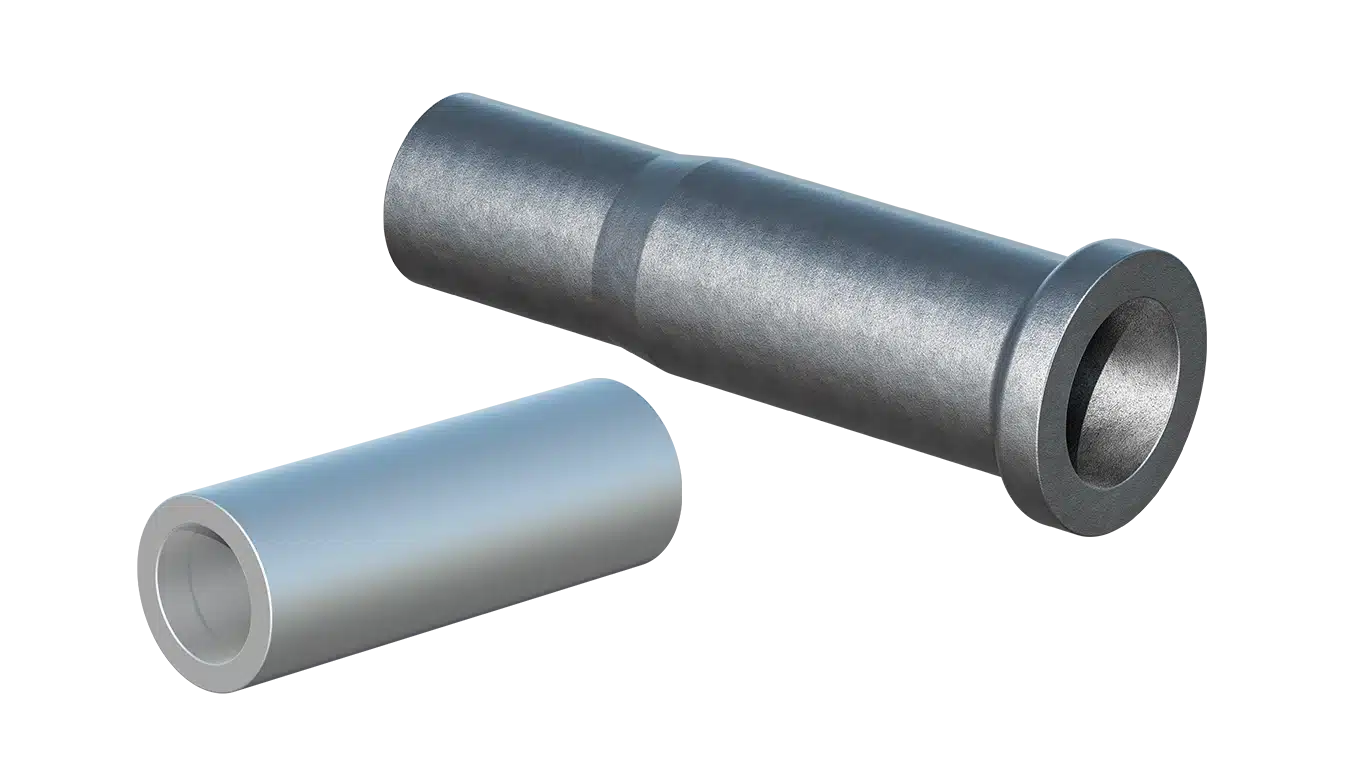
HOT EXTRUSION
Up to 1,500 kg
Tubular and shaft profile, straight or shaped, with or without hot piercing with O/D max 500 mm and length max 1,700 mm.
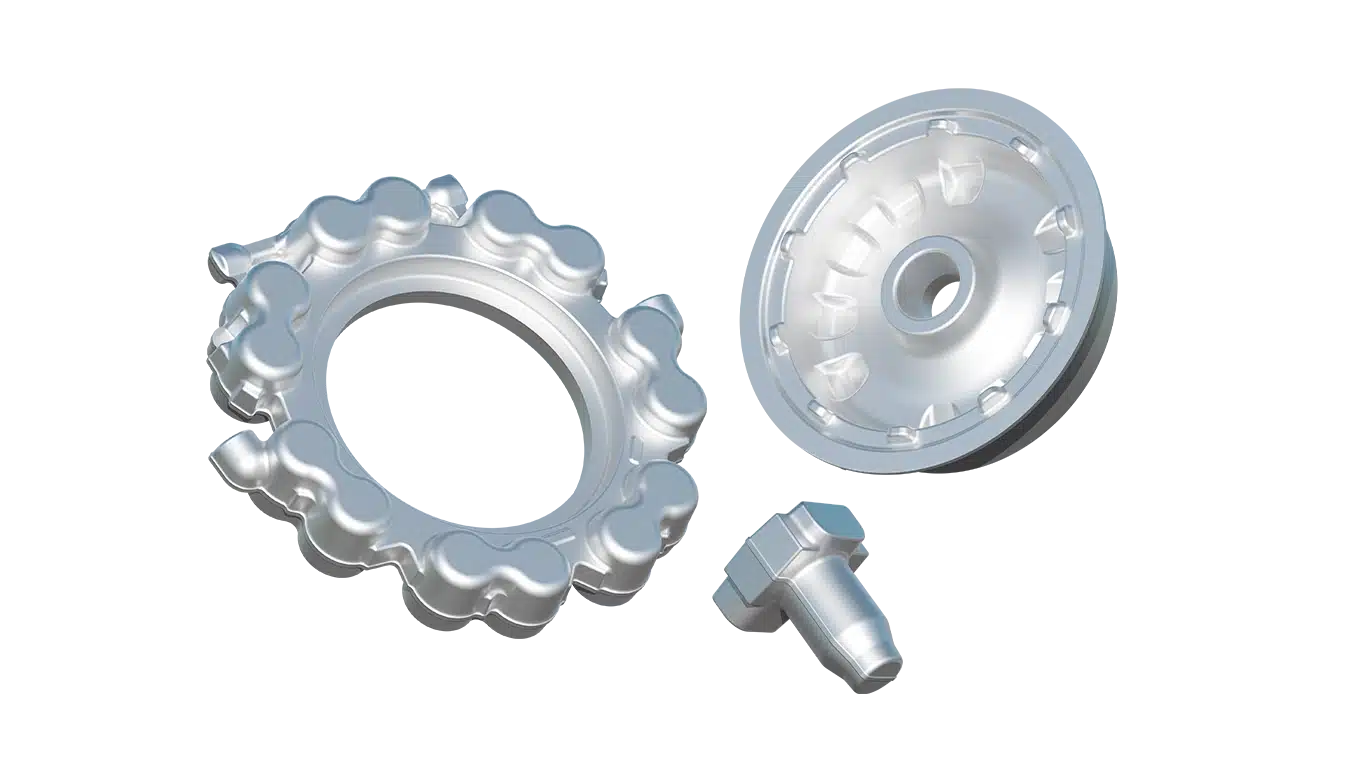
ALUMINUM FORGING
From 0.1 kg to 200 kg
Suitable for a wide range of complex shapes from the 1XXX to the 7XXX series depending on shape geometry.
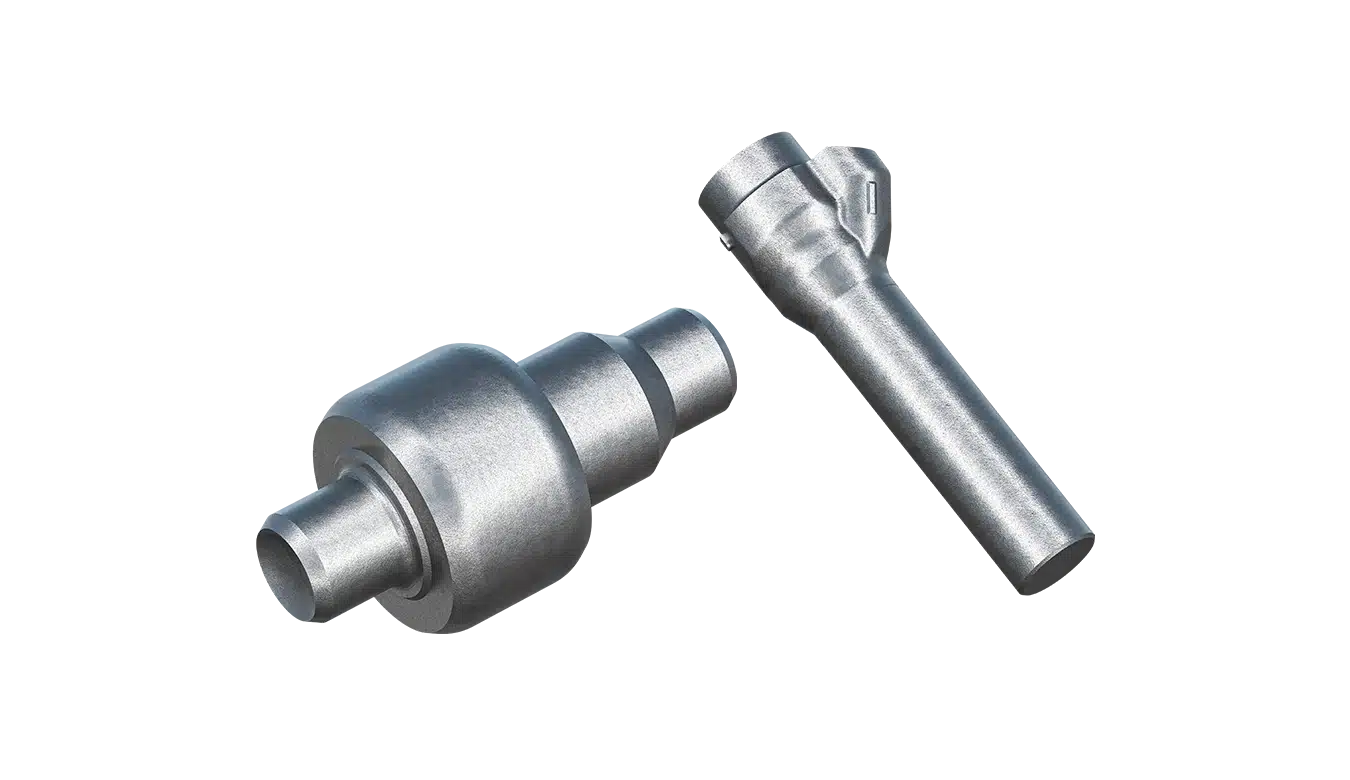
WARM FORGING
Up to 4 kg
Various parts with diameter up to 130 mm and length up to 450 mm.
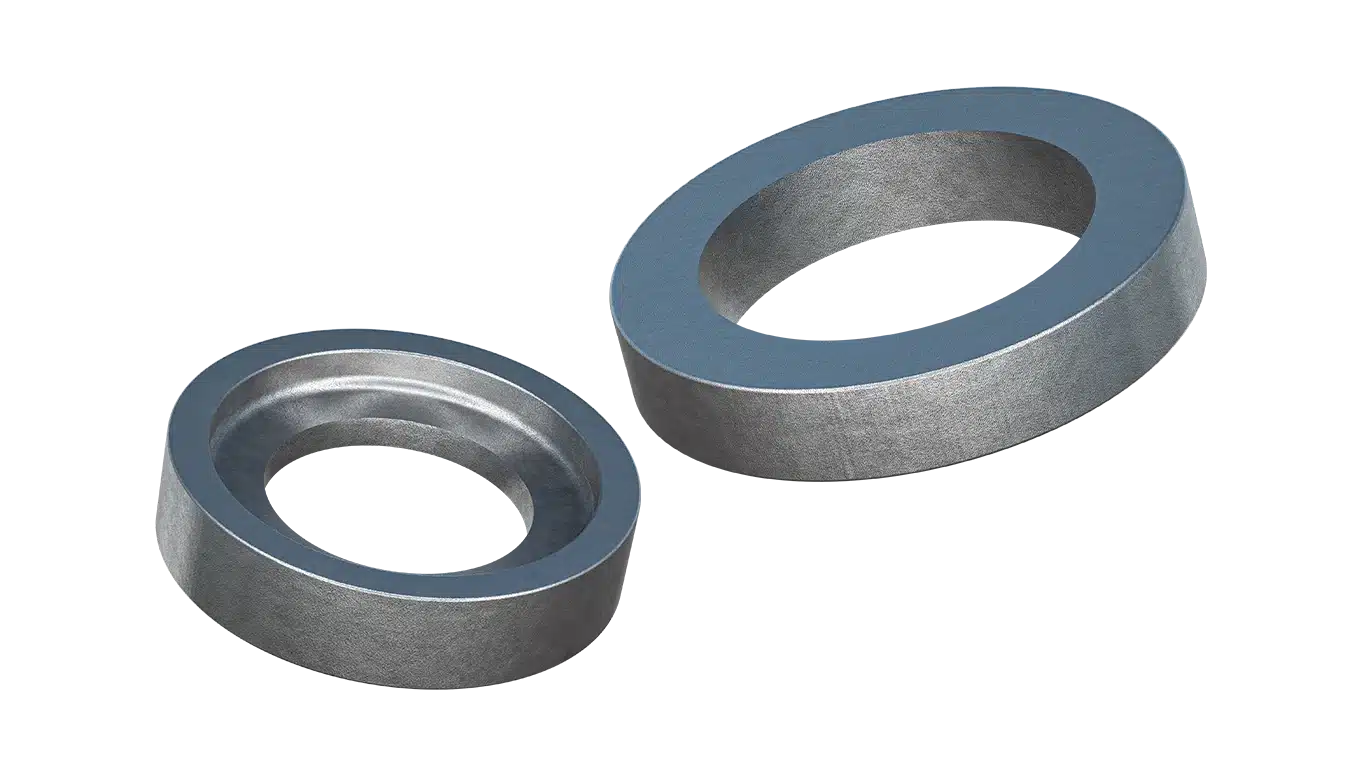
RING ROLLING
Up to 12 kg
Rings and crowns with various cross section geometries up to 250 mm diameter.
A 360° APPROACH
Over the years, we have developed genuine expertise across every discipline that a forged component requires: from early-stage engineering and tooling design to heat treatment and machining operations. Each of these capabilities has been built up through real industrial experience, working closely with OEMs, international Tier 1 suppliers, and machining partners. The result is a partner who understands the full chain, anticipates the constraints at each step, and stays involved from the first technical discussion to the final delivery.
Explore the full range of our capabilities !
On our Blog
Cold forging vs. Hot forging: which process fits your part?
31/07/2026
Forging is a manufacturing process, which shapes a solid-phase metal workpiece by applying compressive forces on it.
Read More
Developing a quality warm forging process
10/03/2026
Thanks to the automotive industry and its continuous development towards better, lighter and more cost efficient components, warm forging has gained greater importance. Alone or as a part of specia...
Read More
The undoubted advantages of the process
10/03/2026
Forging is classified in hot, warm and cold, according to the temperature at which is performed.
Read More