
A unique diversity of know-how
Upset Forging
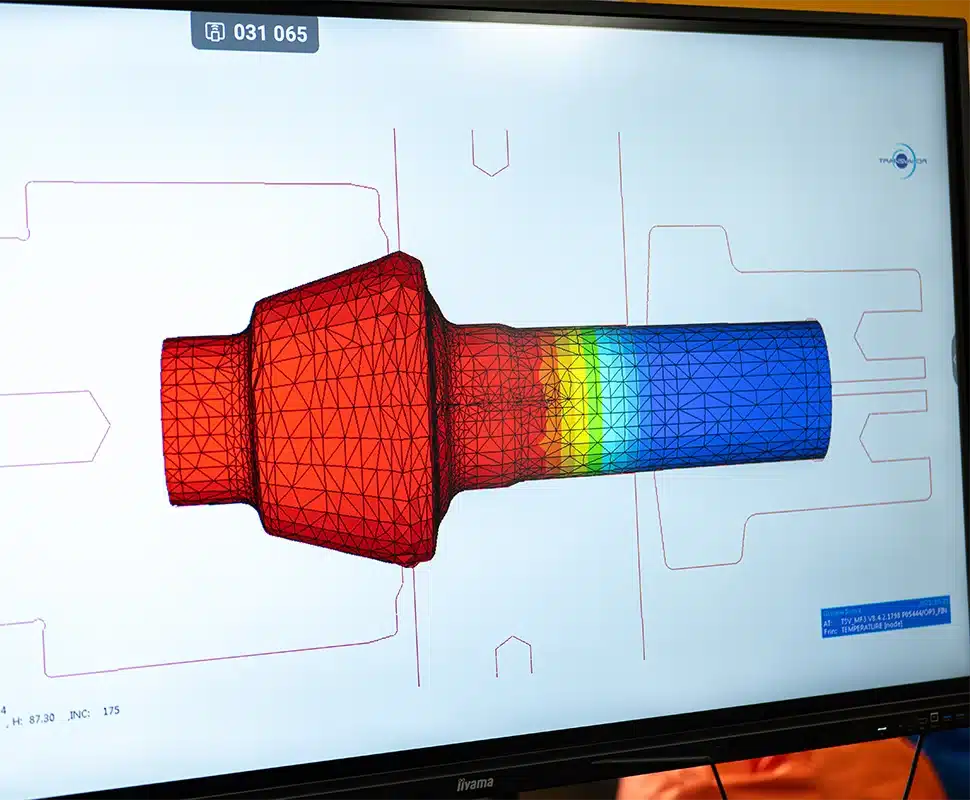
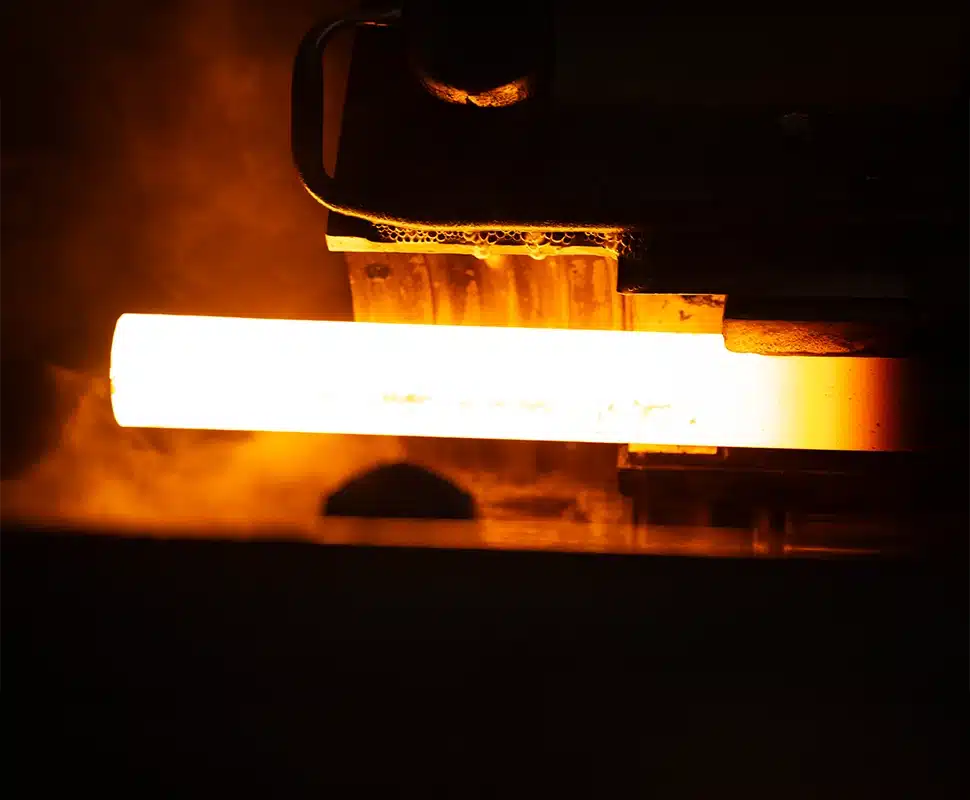
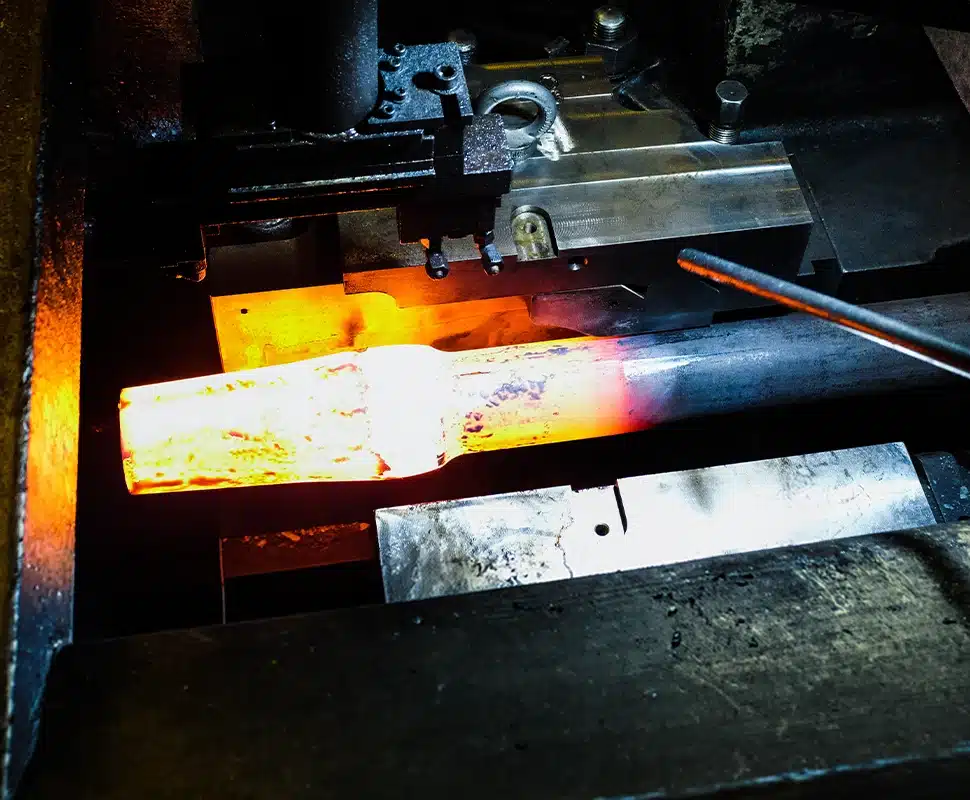
Upset forging, also known as upsetting, is a hot forging process that creates long, complex parts through localized deformation enabled by partial heating of the material. It progressively forms one end, both ends, or specific zones of a heated metal bar through several successive operations. The technique is particularly suited to elongated components featuring section changes, shoulders, flanges, or complex functional geometries. Precise clamping of the bar and the application of an axial force distribute the material into the die cavities while ensuring good dimensional consistency.
The process serves the needs of automotive transmissions, commercial vehicles, aerospace, and heavy equipment in particular. Progressive forming produces one-piece components that would be less advantageous to manufacture by machining, welding, or a single forging operation.
COMPLEX GEOMETRIES ON LONG PARTS
While upset forging does not achieve the same upsetting ratios as electrical upsetting, it offers great freedom in creating detailed geometries. In contrast, it enables higher production rates. The successive die cavities progressively form the material until the target shape is achieved. This sequence of operations on an upset forging machine can produce shoulders, variable sections, elaborate contours such as yokes and, depending on tooling design, certain undercut features that cannot be produced using conventional processes. Gripper dies hold the bar while a moving tool applies the axial force required at each stage.
Progressive forming preserves grain-flow continuity between the original bar and the upset zones. It thus promotes structural integrity, fatigue resistance under high or repeated loads, and impact resistance.
Setforge capabilities
Small, medium and high production volume
Steel, Stainless steel, alloy steel, micro-alloy steel, ni-based alloys, titanium alloys
From 5 kg up to 600 kg
Length up to 5000 mm
Bar diameter range 10 - 130 mm
Manufacturing Process
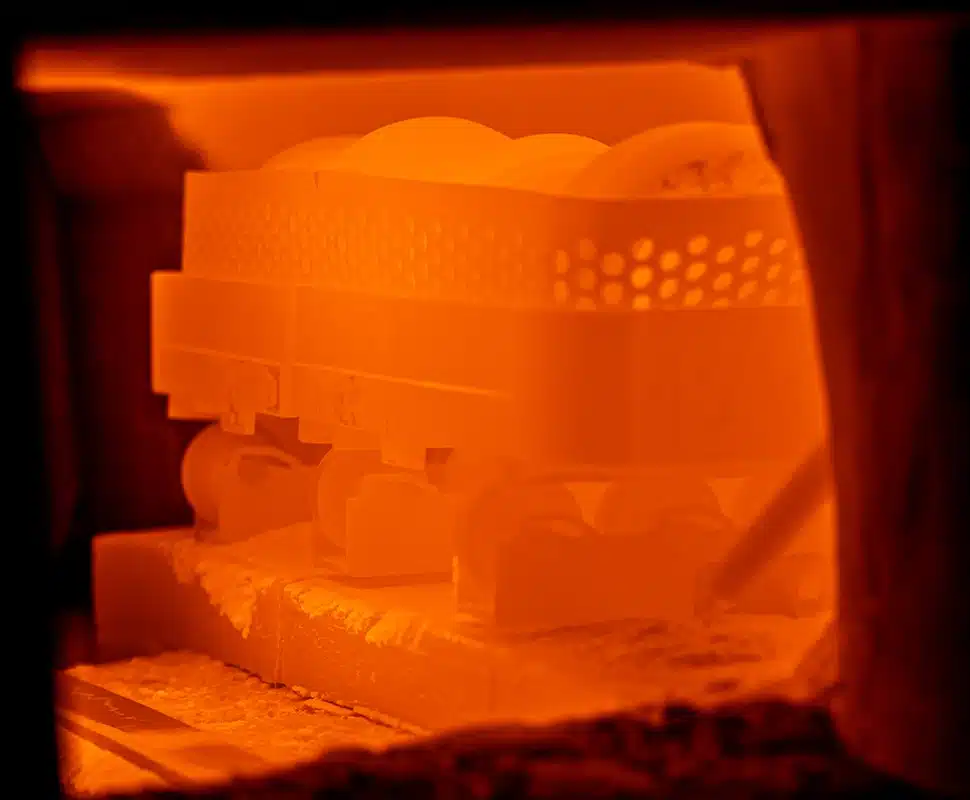
Upset forging is suitable for a wide range of materials, including carbon steels, alloy steels, stainless grades, and titanium alloys. Each material has its own forgeability window, thermal conductivity, and resistance to deformation. Temperature, forming speed, and the sequence of operations are therefore adjusted to the material grade and the component’s geometry.
Controlling these parameters ensures consistent material flow, preserves metallurgical quality, and develops the mechanical properties required for each application.
WHY UPSET FORGING ?
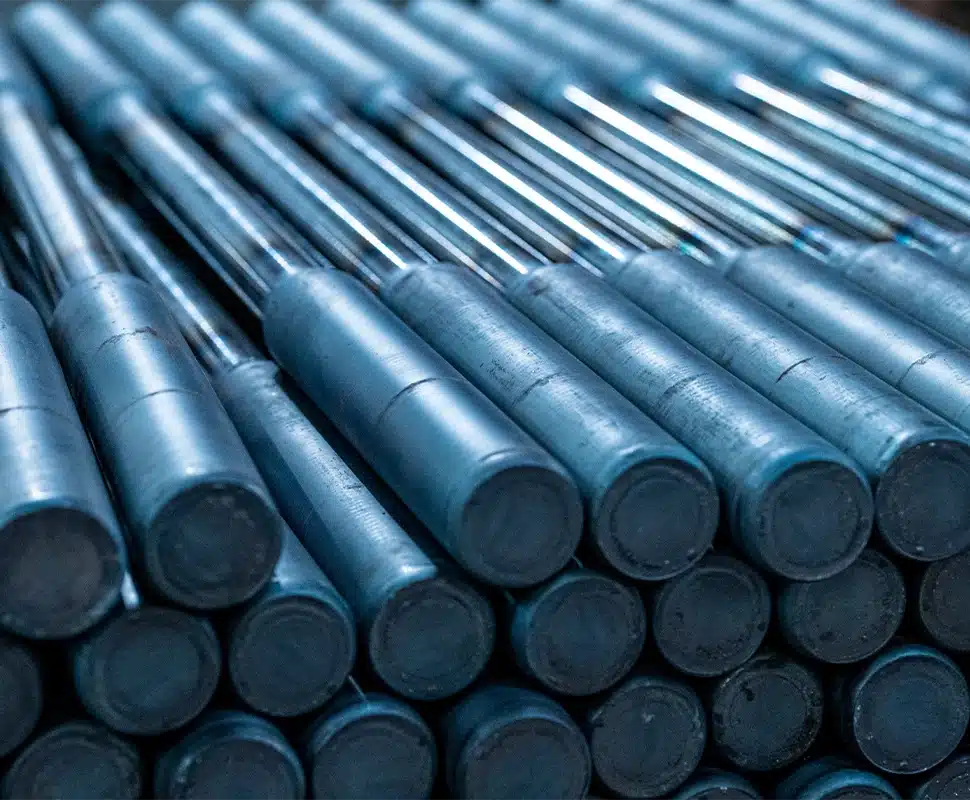
Upset forging produces long components with complex geometries and substantial localized variations in cross-section. One-piece production avoids assembly interfaces for parts that would otherwise require several welded elements or extensive machining. Progressive forming distributes the material according to the loads acting on the component and maintains continuous grain flow between the different sections. The process covers specific developments as well as series production. At Setforge, it can produce one-piece parts of up to 5 meters in length and 600 kg for applications where production by conventional forging is no longer possible.
Let's explore together how upset forging can benefit your project!
High mechanical performance
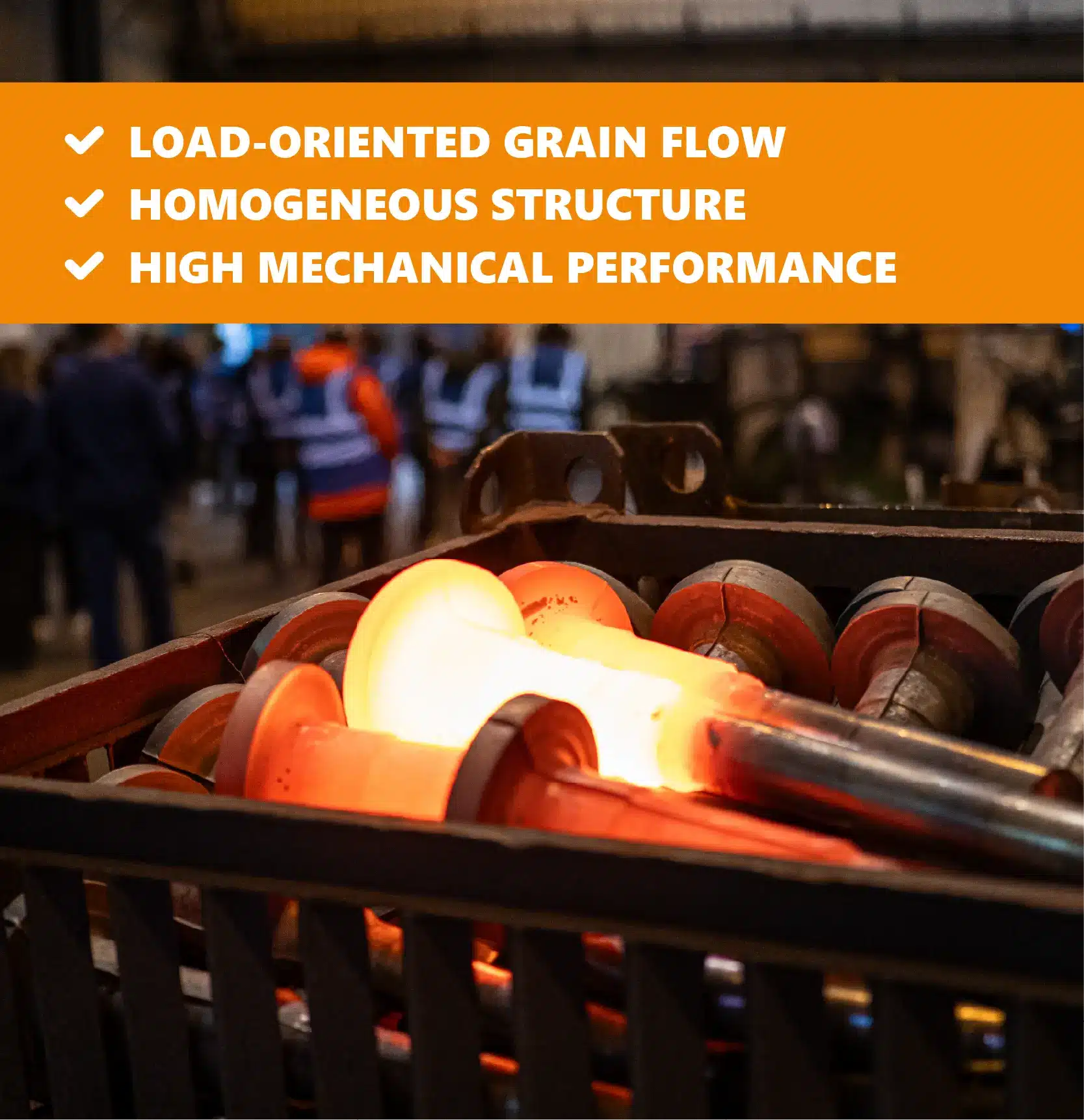
Progressive deformation orients the grain flow along the component’s contours and main loading directions. This material continuity promotes mechanical strength, toughness, impact resistance, and fatigue resistance.
Upset forging provides better mechanical properties than a part machined directly from bar stock because the deformation induced by forging homogenizes the metallurgical structure and reduces segregation defects naturally present between the core and the surface of a large-section bar.
Long, complex components
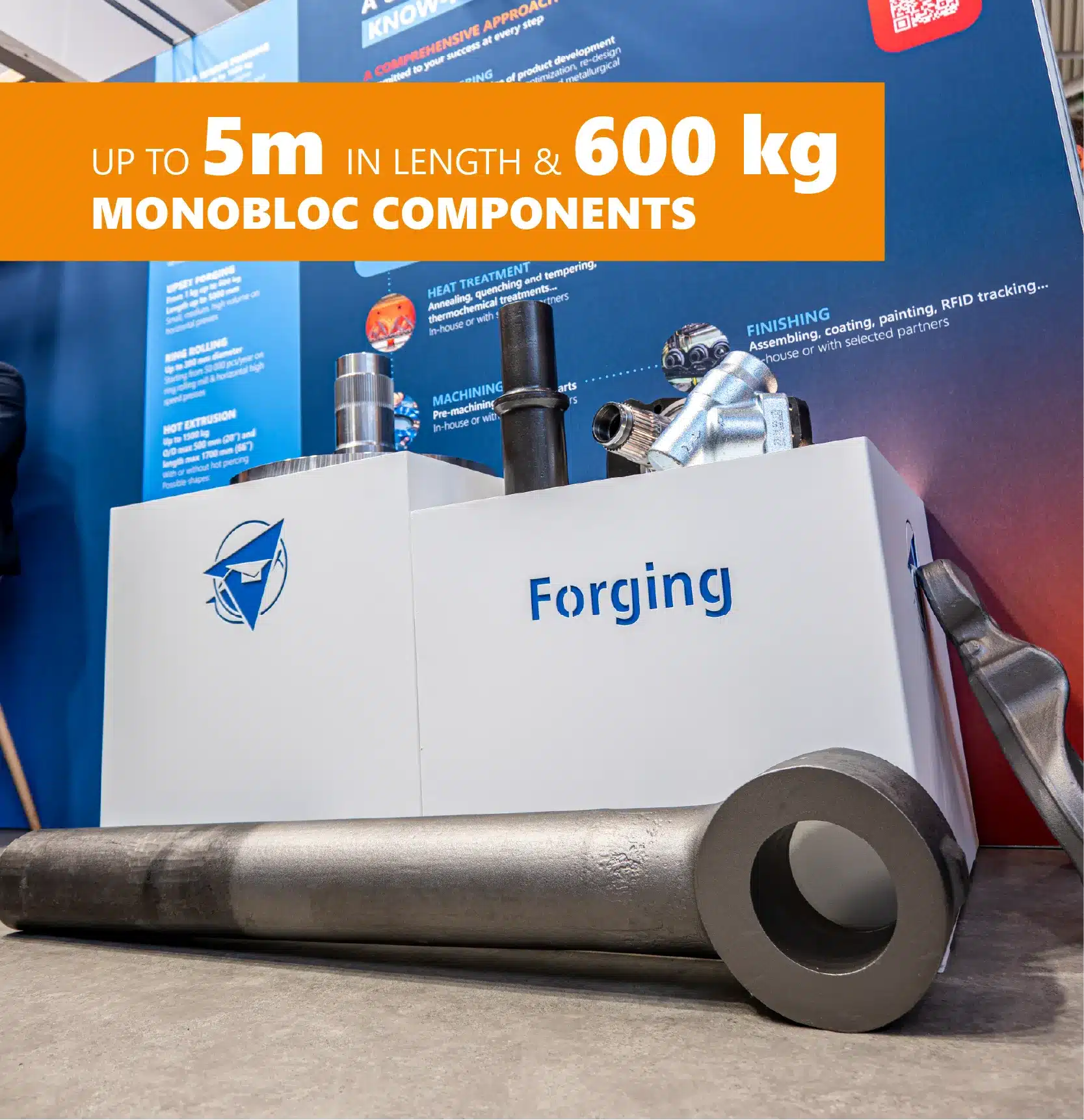
The sequence of forming steps produces flanges, shoulders, variable sections, undercut features, and elaborate contours while maintaining the component’s structural continuity.
Setforge’s capabilities enable the production of one-piece parts up to 5 meters in length and 600 kg in weight. This capacity eliminates the need for complex welded assemblies for certain large structural or transmission components.
Optimized material usage
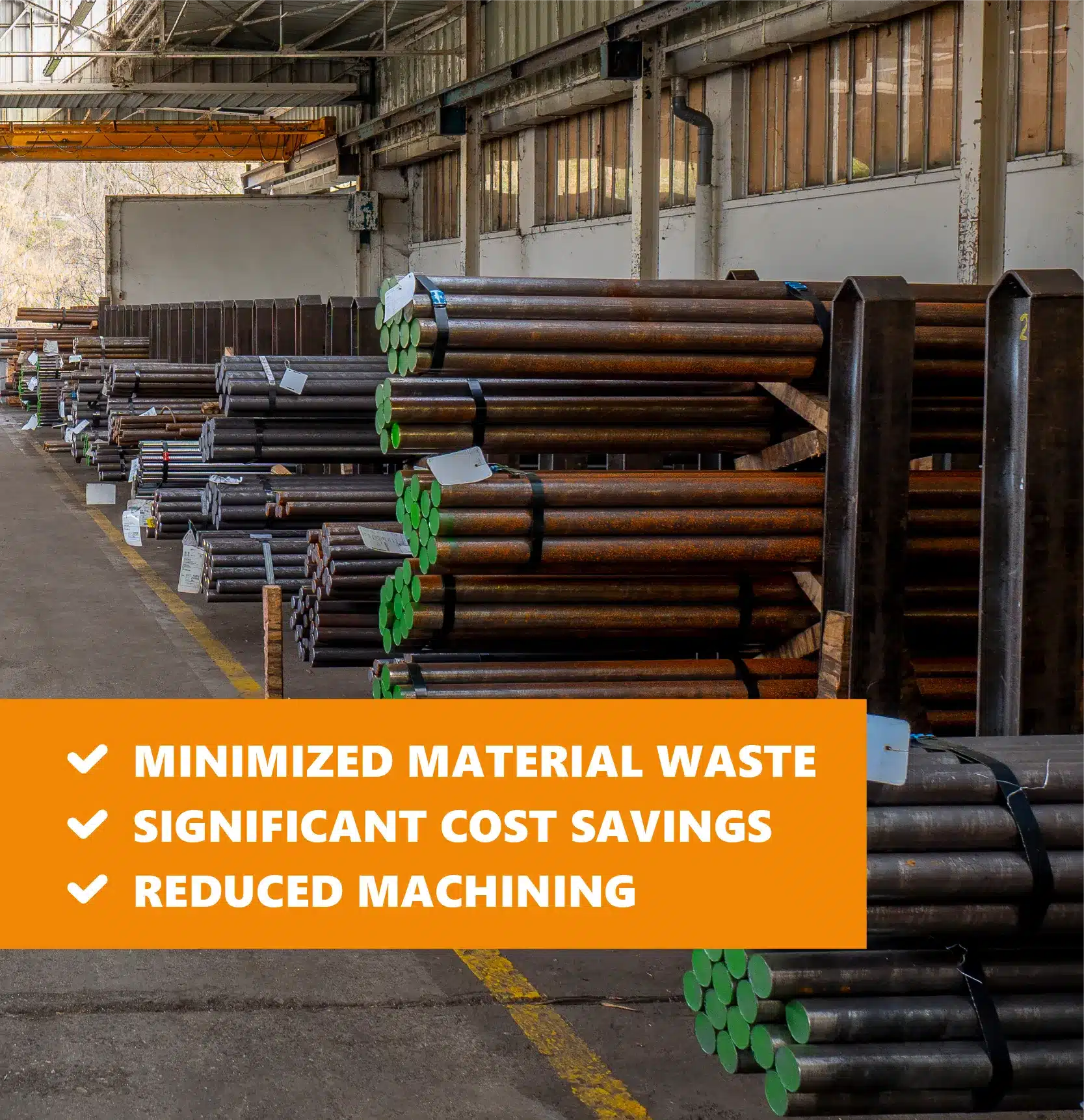
Upset forging places material where it is needed instead of creating variations in cross-section by removing material as chips. The design freedom offered by upset forging allows machining to be limited to the product’s functional surfaces. The fact that the forged part is close to its final geometry also reduces the amount of material to be machined.
This efficiency is particularly valuable for long components and high-value materials, including titanium and special steels. Heating and deformation parameters are adapted to each alloy to optimize both material use and the resulting performance.
High industrial flexibility
The process is suitable for prototype development, specialized series, and higher-volume production. The forging route and tooling are defined according to the geometry, material, and target production rates.
This flexibility allows programs to evolve while maintaining component quality and consistency. Upsetting can be complemented by heat treatment and machining operations.
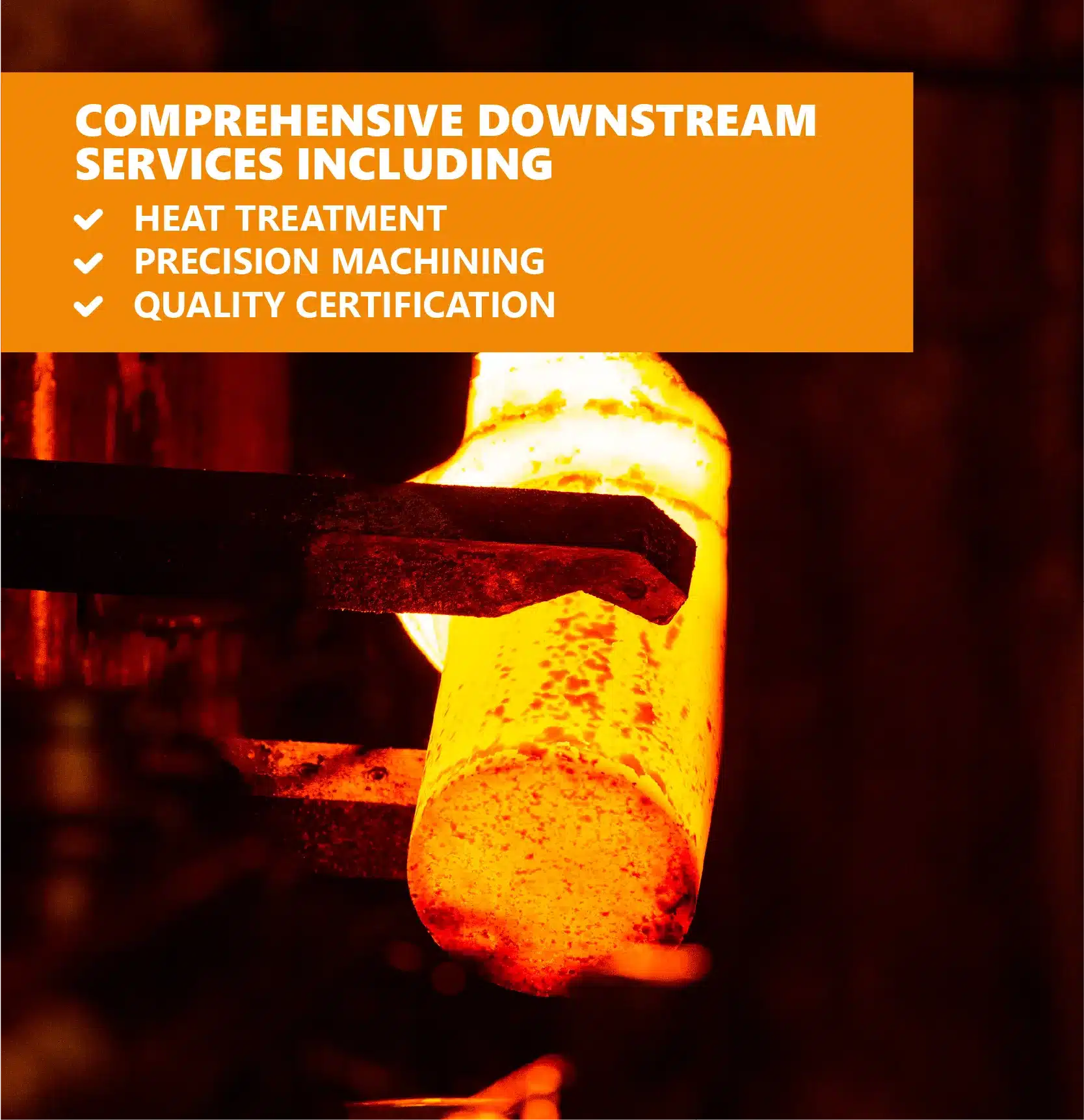
Heating limited to the required areas
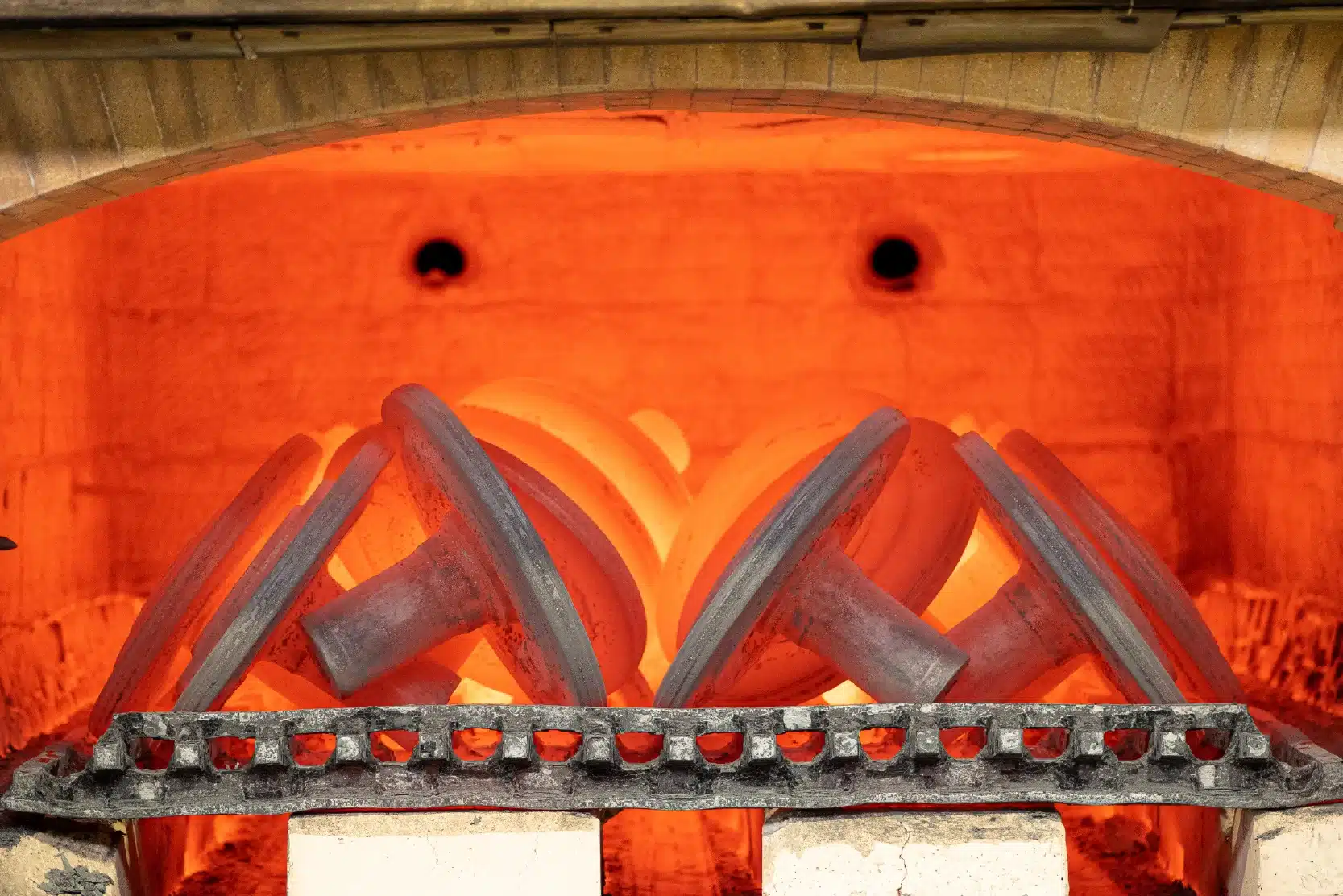
Heating is limited to the sections of the bar that need to be deformed. This approach concentrates energy where it is needed, facilitates forming, and limits thermal effects on the rest of the component.
Combined with optimized material distribution and reduced machining operations, this localized heating helps improve the energy efficiency of the process route and reduce its environmental footprint.
Upset FORGING at setforge
Setforge Barriol & Dallière is one of Europe’s specialists in upset forging. Its experience and equipment enable the production of long, complex parts up to 5 meters in length and 600 kg in weight, for applications beyond the usual capabilities of die forging.
Our upsetting operations are complemented by heat treatment, machining, and inspection services, performed in-house or with selected partners. Metallurgical testing facilities verify that the mechanical properties comply with the applicable specifications. Material, manufacturing parameters, treatments, and inspection results are subject to documented monitoring. This organization ensures the traceability required for critical applications in the automotive, aerospace, energy, and industrial sectors.
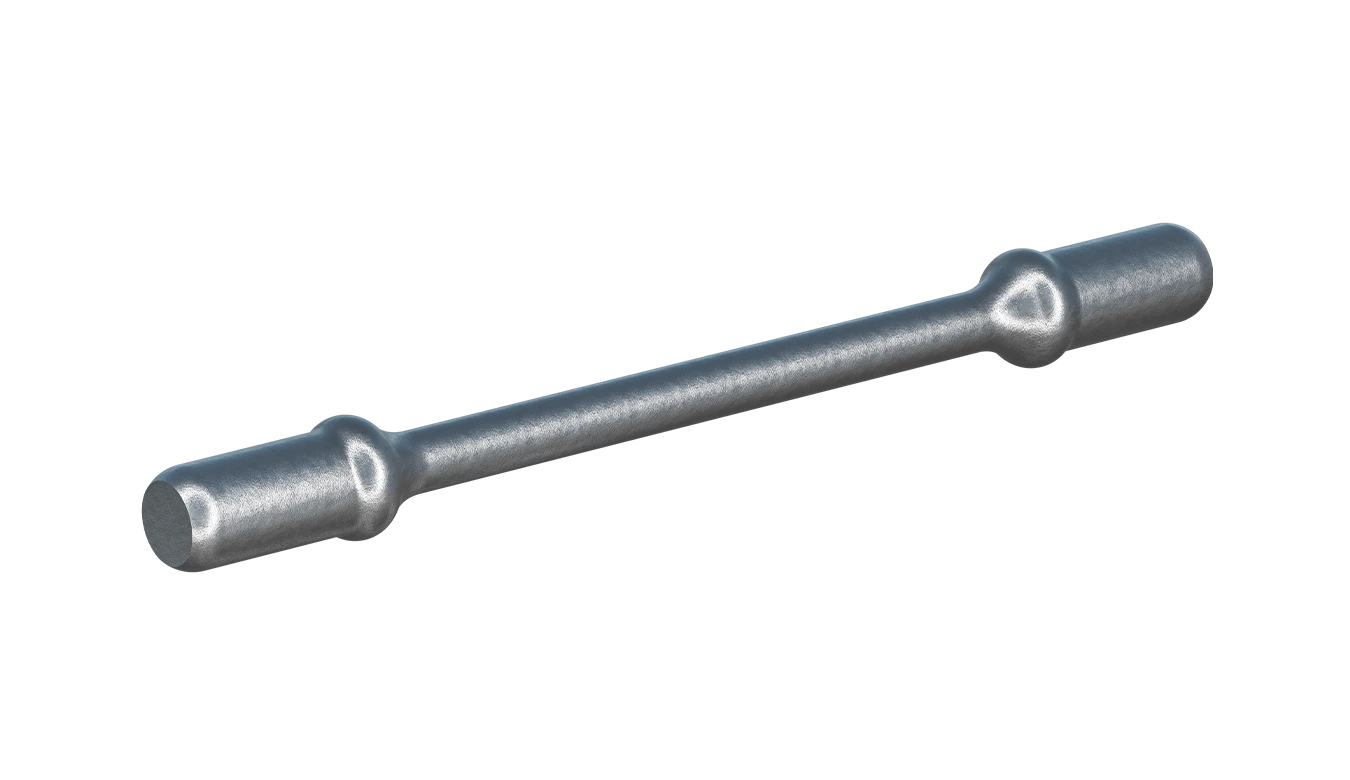
ANTI ROLL BAR
Steel
Railway
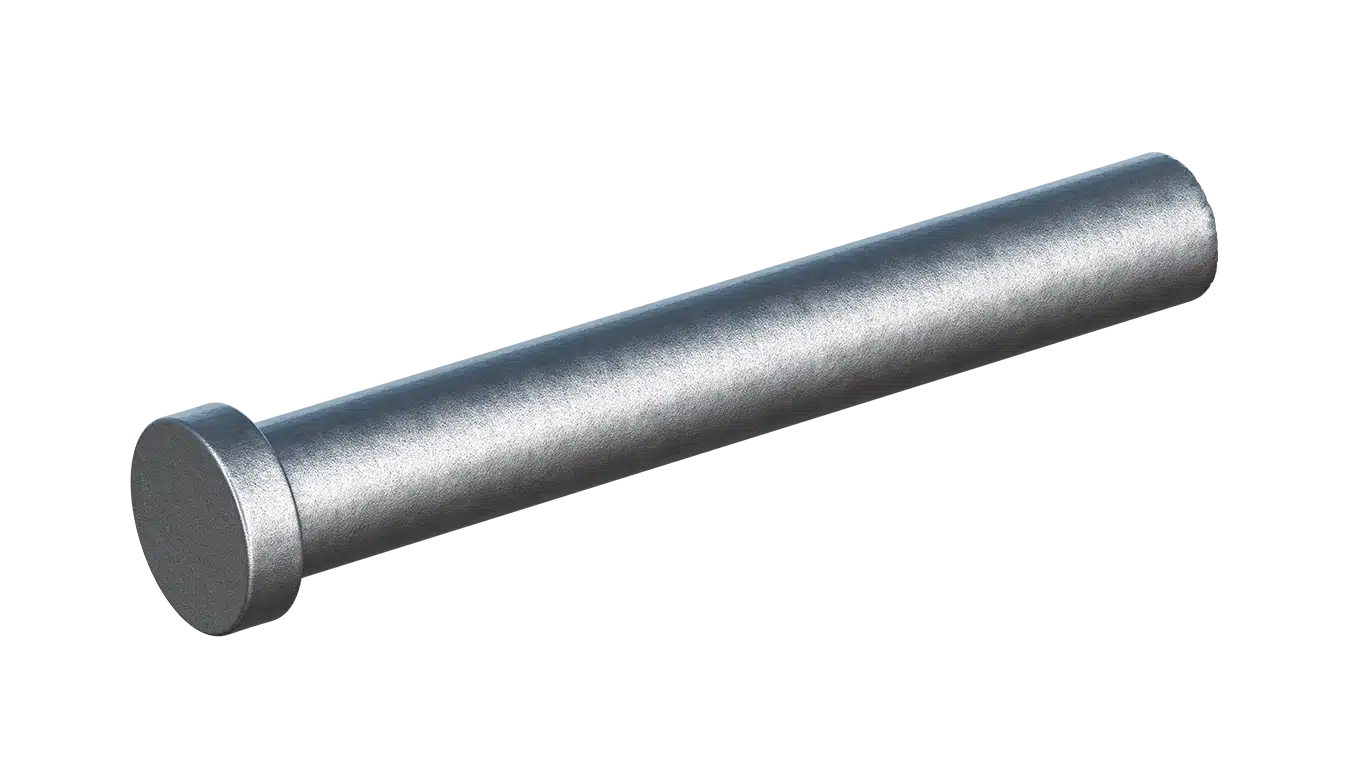
ACTUATOR ROD
Steel
Agriculture
CYLINDER ROD
Steel
Construction
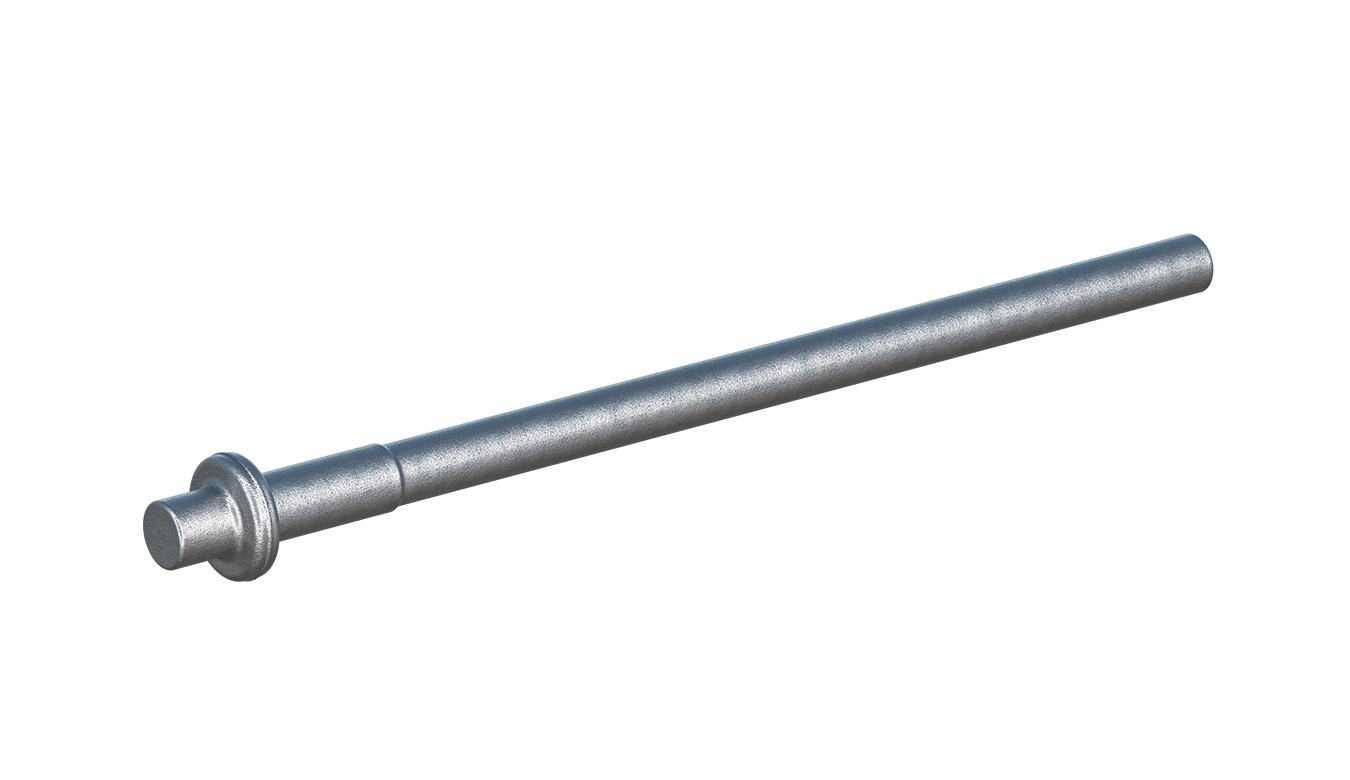
THSA ROD
Steel
Aerospace
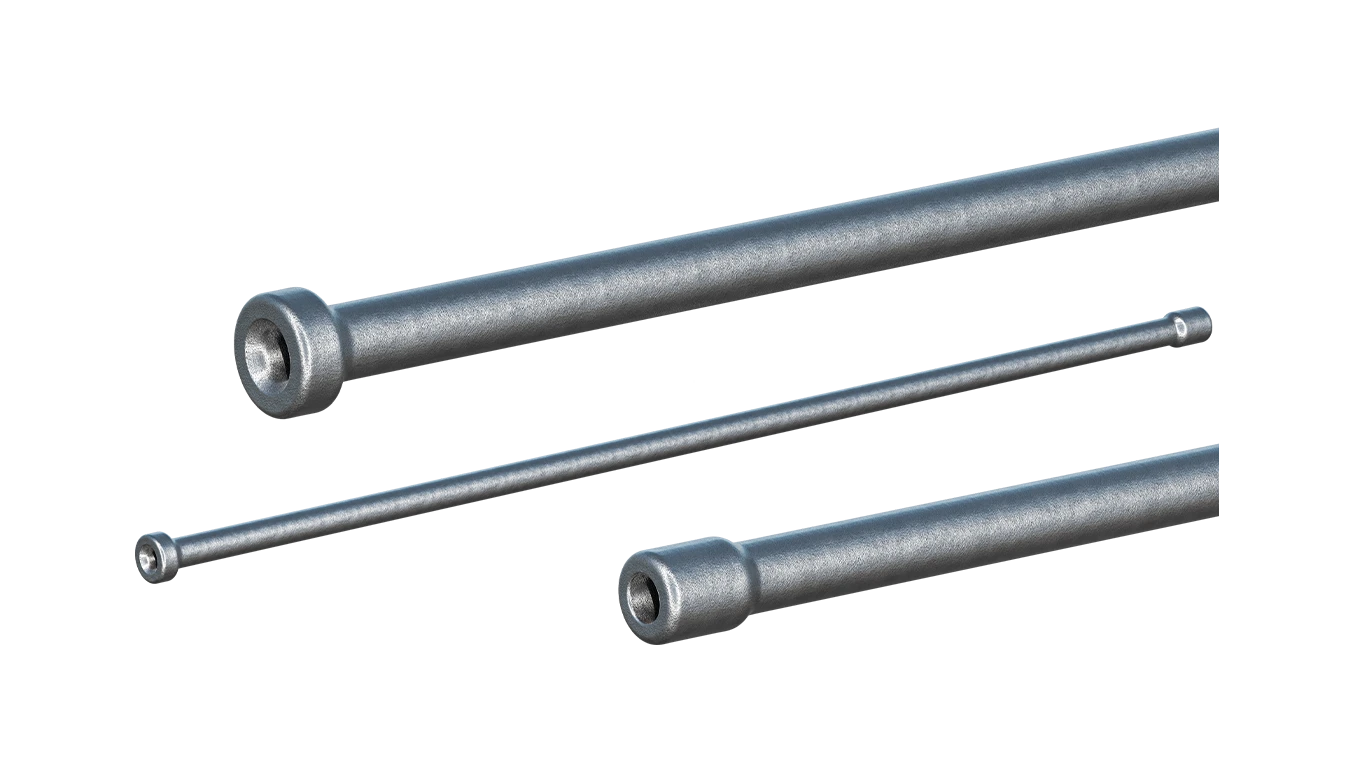
PUP JOINT
Steel
Oil & gas
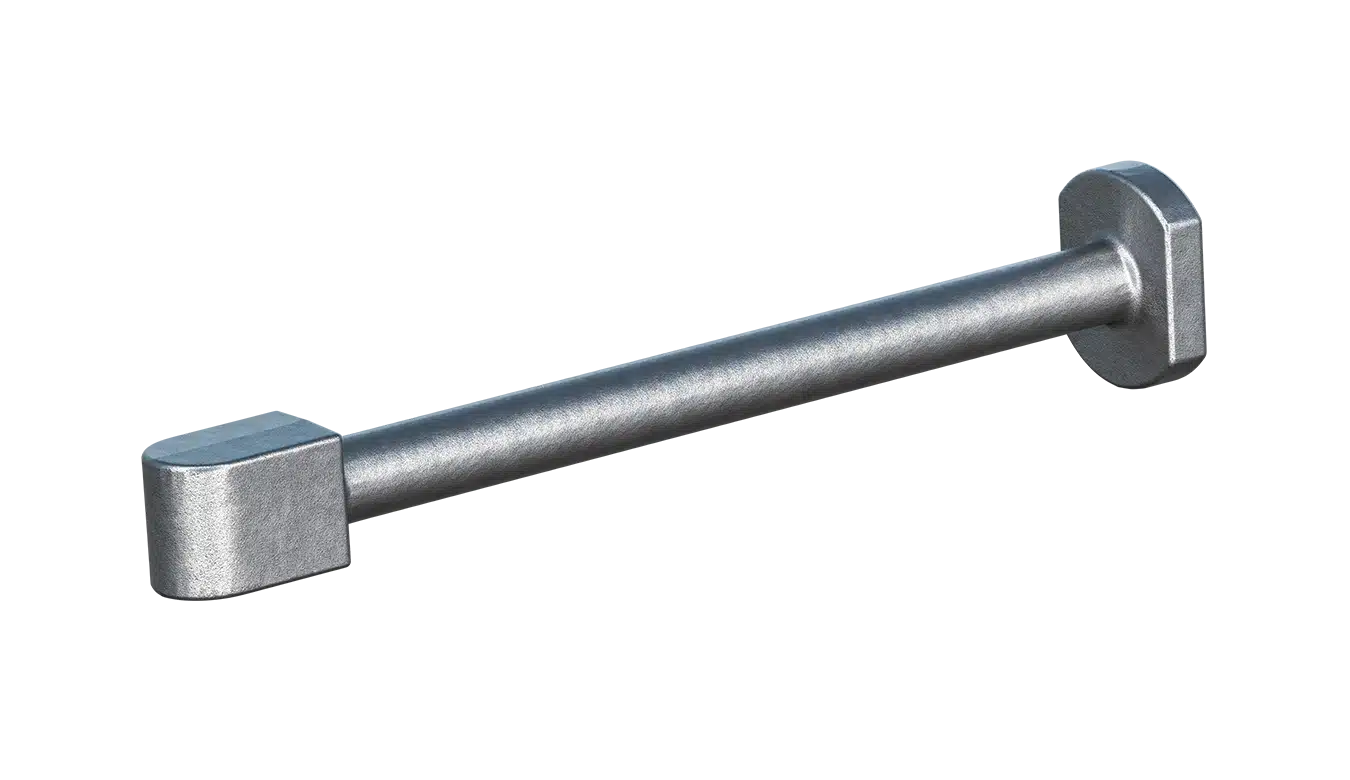
CONTROL ROD
Steel
Railway
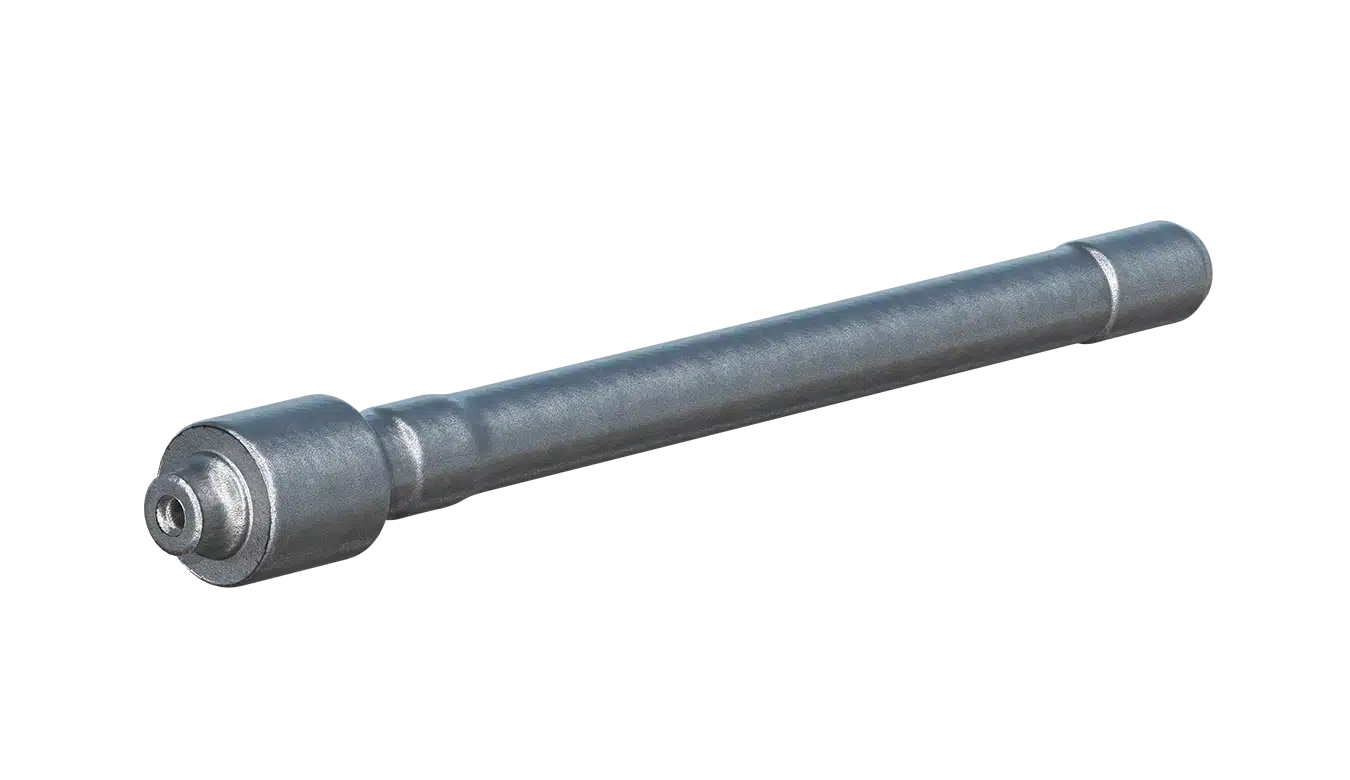
SUN GEAR SHAFT
Steel
Mining
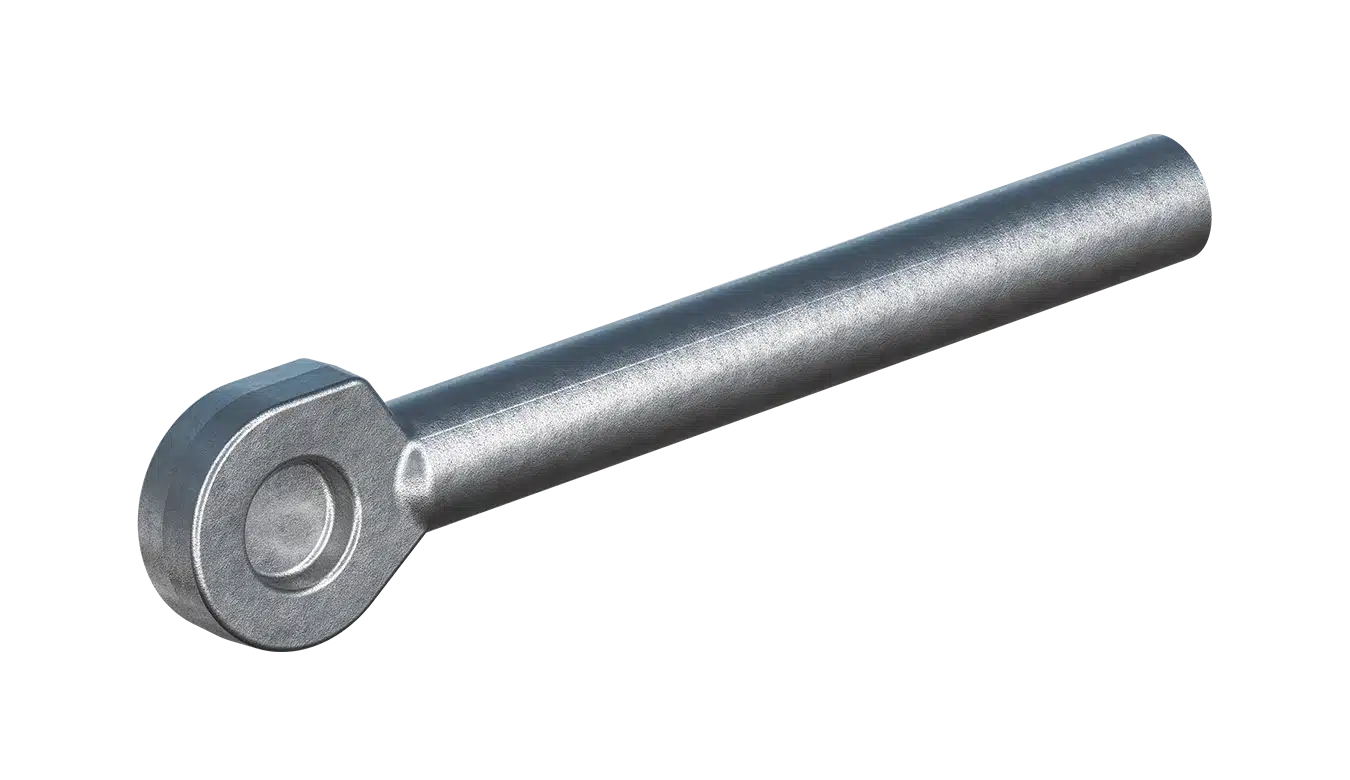
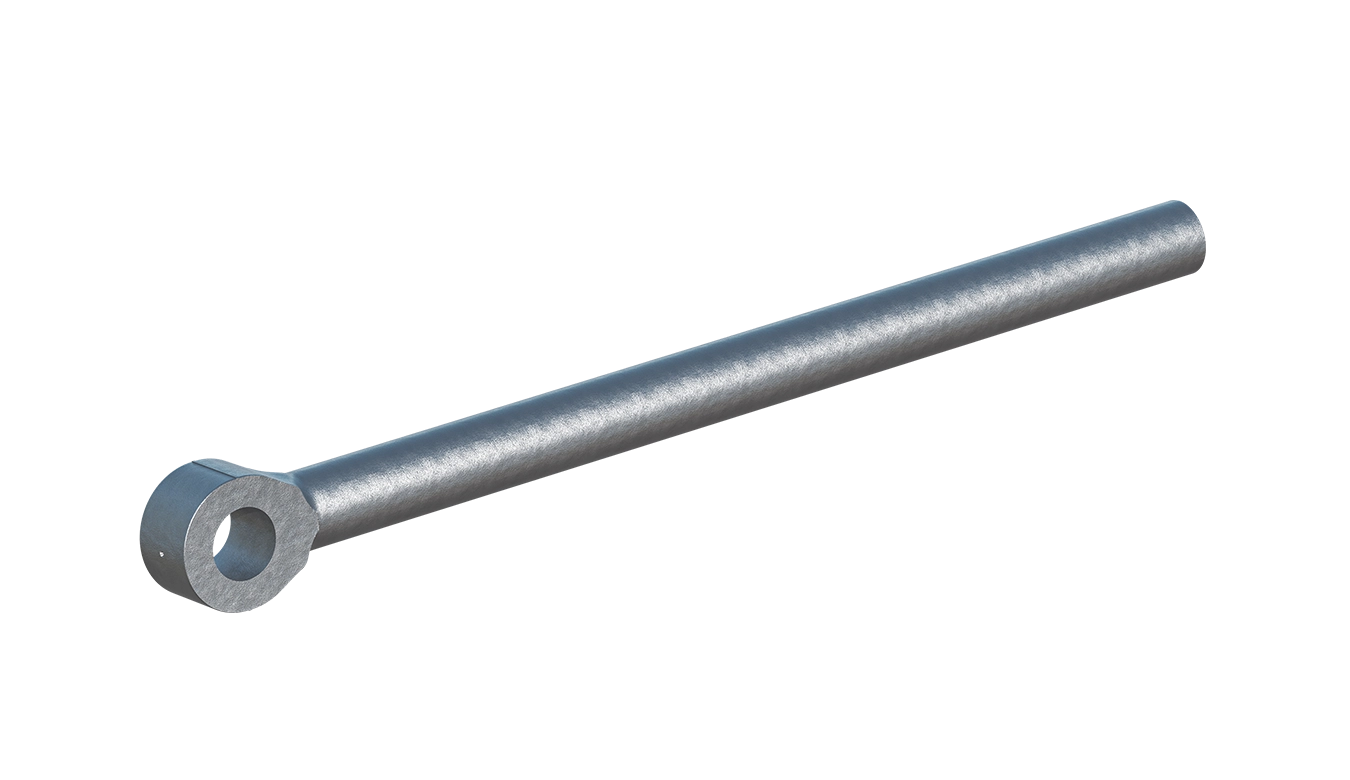
EYE ROD
Steel
Construction
WOULD YOU LIKE TO KNOW MORE?
LET’S TALK ABOUT IT!
OUR FORGING PROCESS
Setforge forges parts from 0.1 kg to 1,500 kg across the full range of closed-die forging processes. A breadth of capability that is, quite simply, unique in the market. From prototype to high-volume automotive production, our approach goes well beyond the forge itself: we work alongside our customers from the earliest stages of co-development through to finishing operations, covering every step of the journey from design intent to finished part.
Deep dive into the geometries we forge !
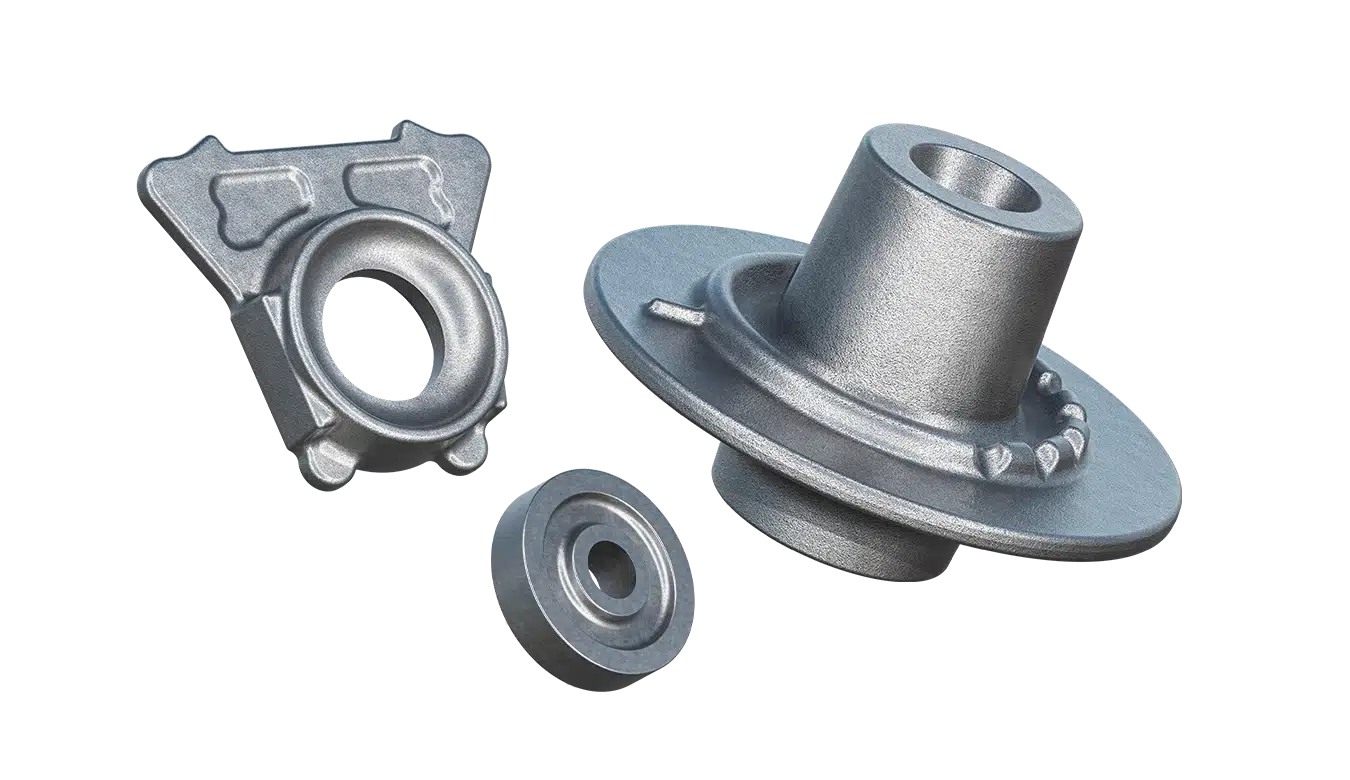
HOT FORGING
From 0.2 kg to 1,500 kg
Suitable for a wide range of complex shapes. Max weight: Steel 1,500 kg | Stainless Steel 1,400 kg | Ti and Ni-based 200 kg.
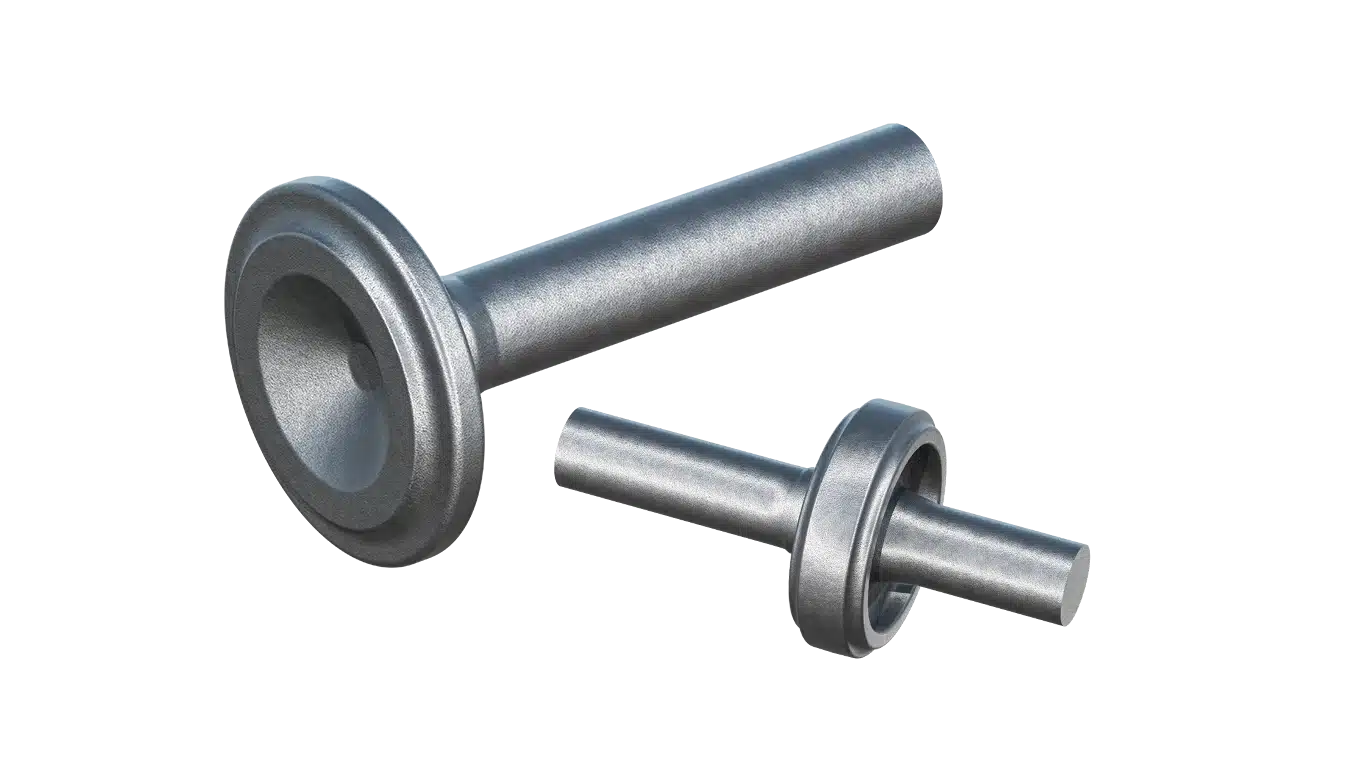
ELECTRICAL UPSETTING
From 0.1 kg to 200 kg
Long parts with flange up to 1,200 mm length, flanged diameter up to 450 mm and initial bar diameter up to 130 mm.
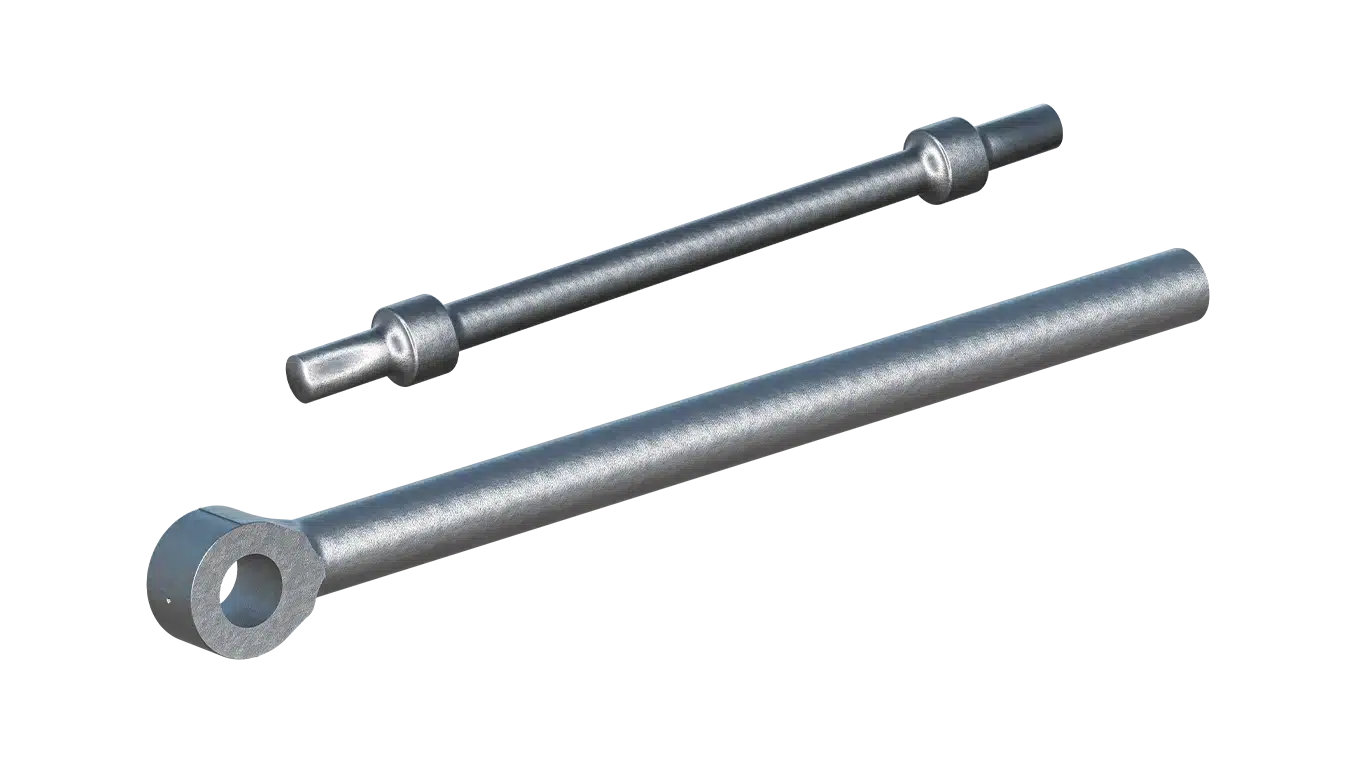
UPSET FORGING
From 2 kg to 600 kg
Long parts with complex head geometry up to 5,000 mm length, head diameter up to 400 mm and initial bar diameter up to 170 mm.
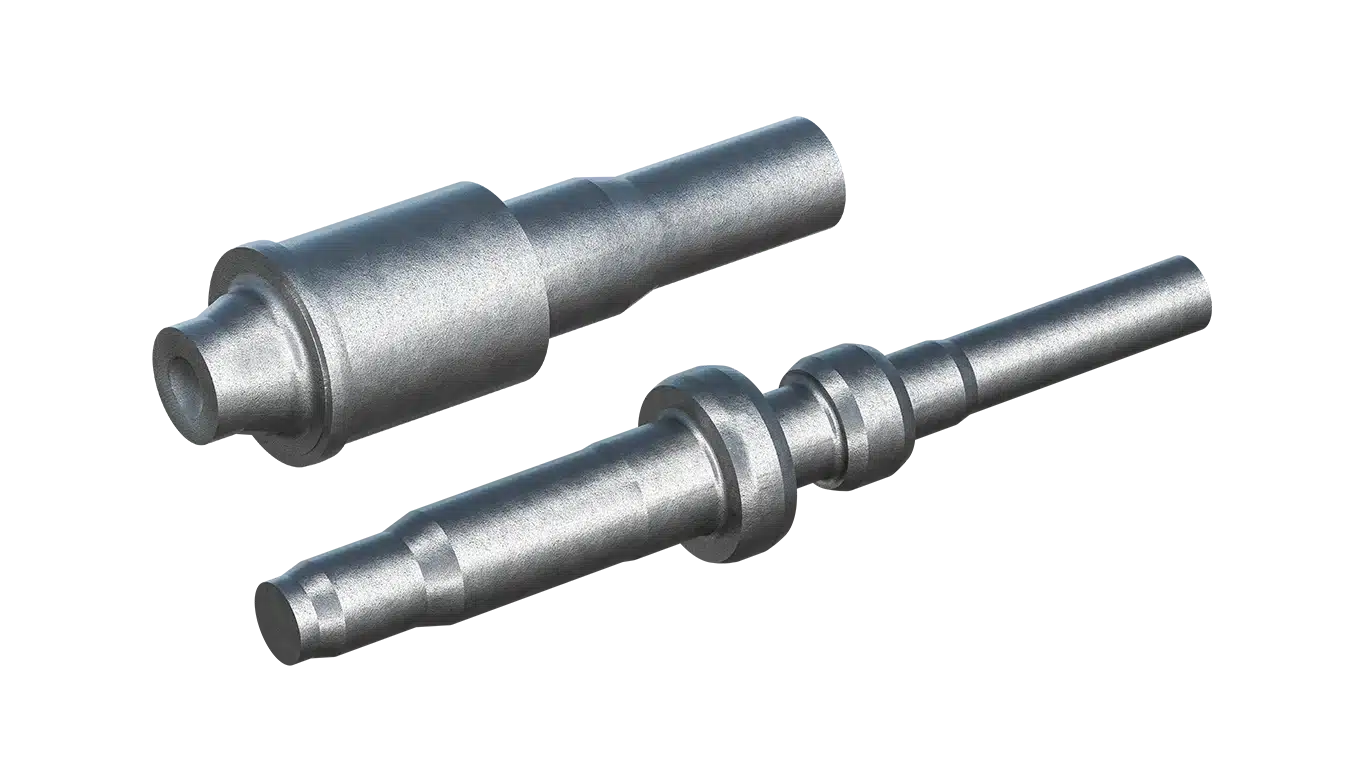
COLD FORGING
From 0.3 kg to 25 kg
Various shafts or long parts with max diameter up to 120 mm and 800 mm length.
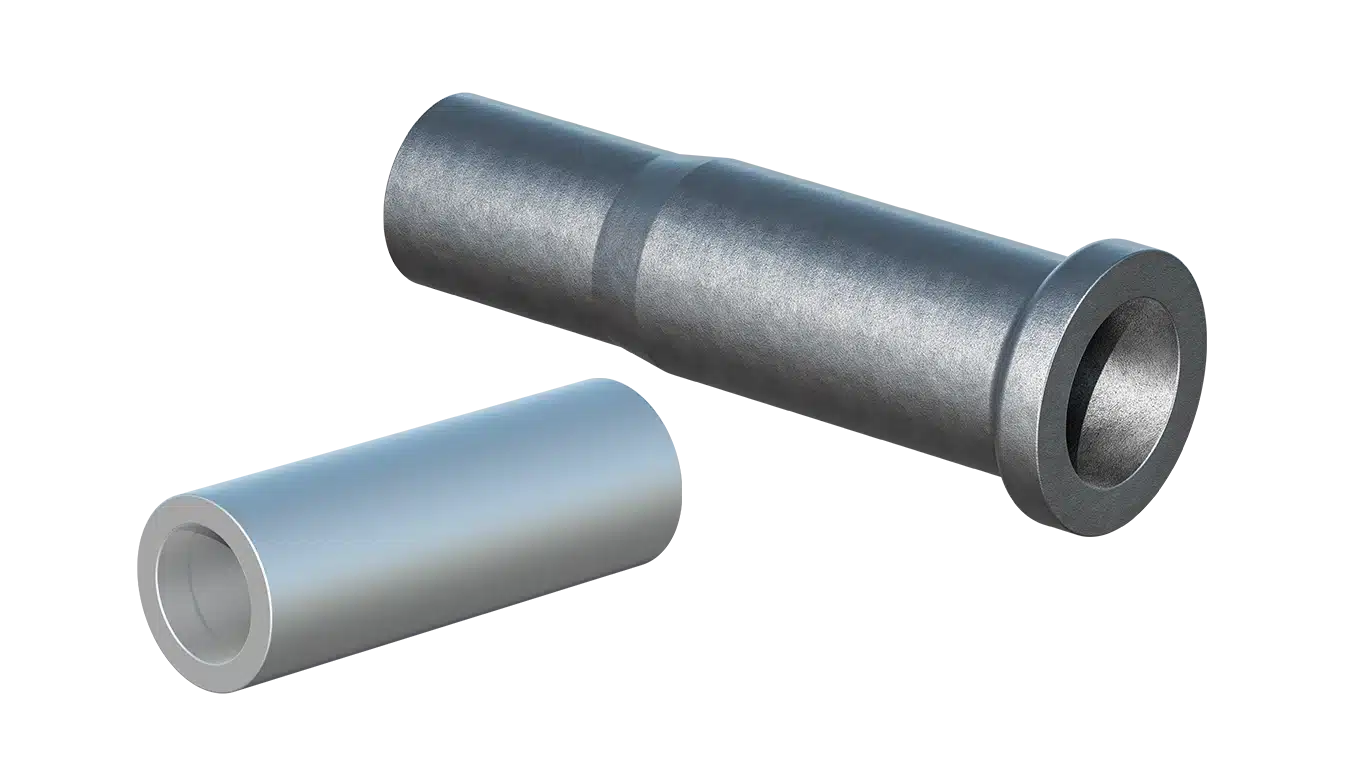
HOT EXTRUSION
Up to 1500 kg
Tubular and shaft profile, straight or shaped, with or without hot piercing with O/D max 500 mm and length max 1,700 mm.
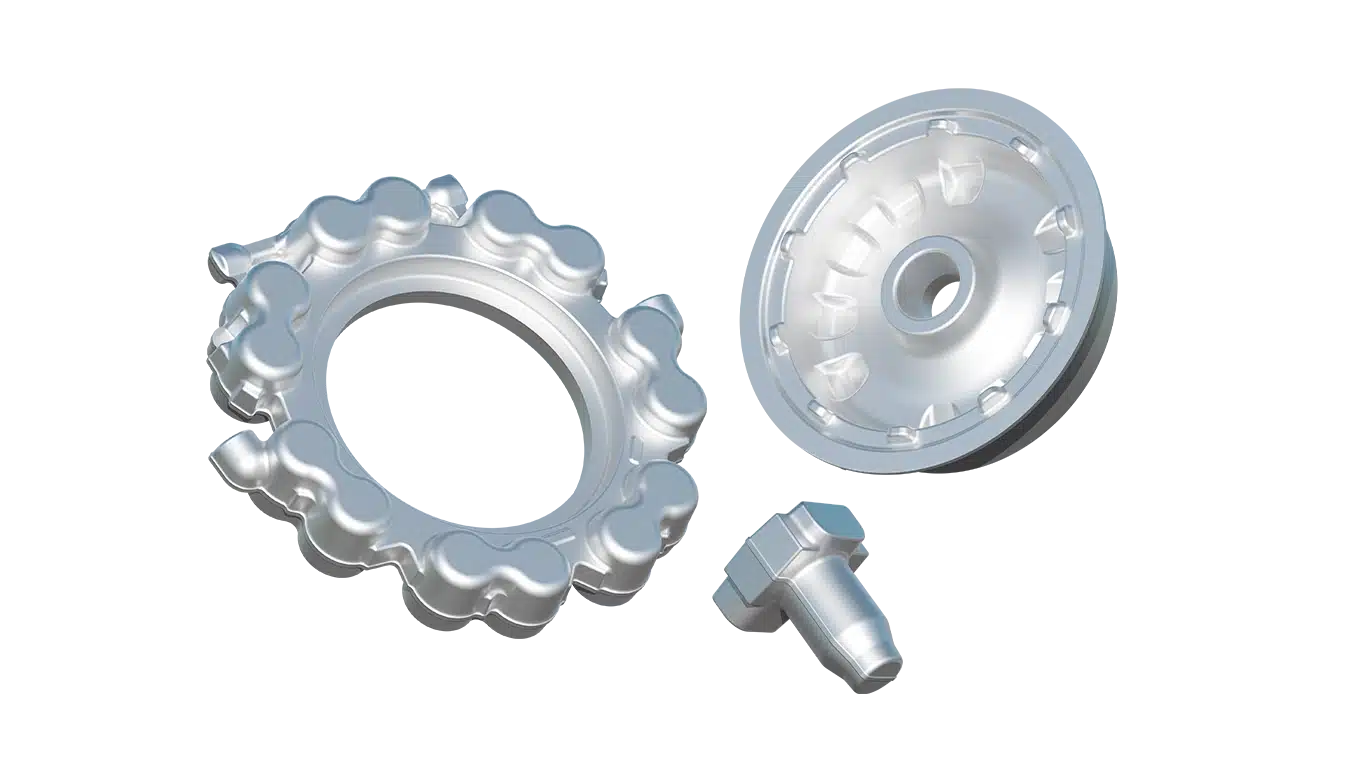
ALUMINUM FORGING
From 0.1 kg to 200 kg
Suitable for a wide range of complex shapes from the 1XXX to the 7XXX series depending on shape geometry.
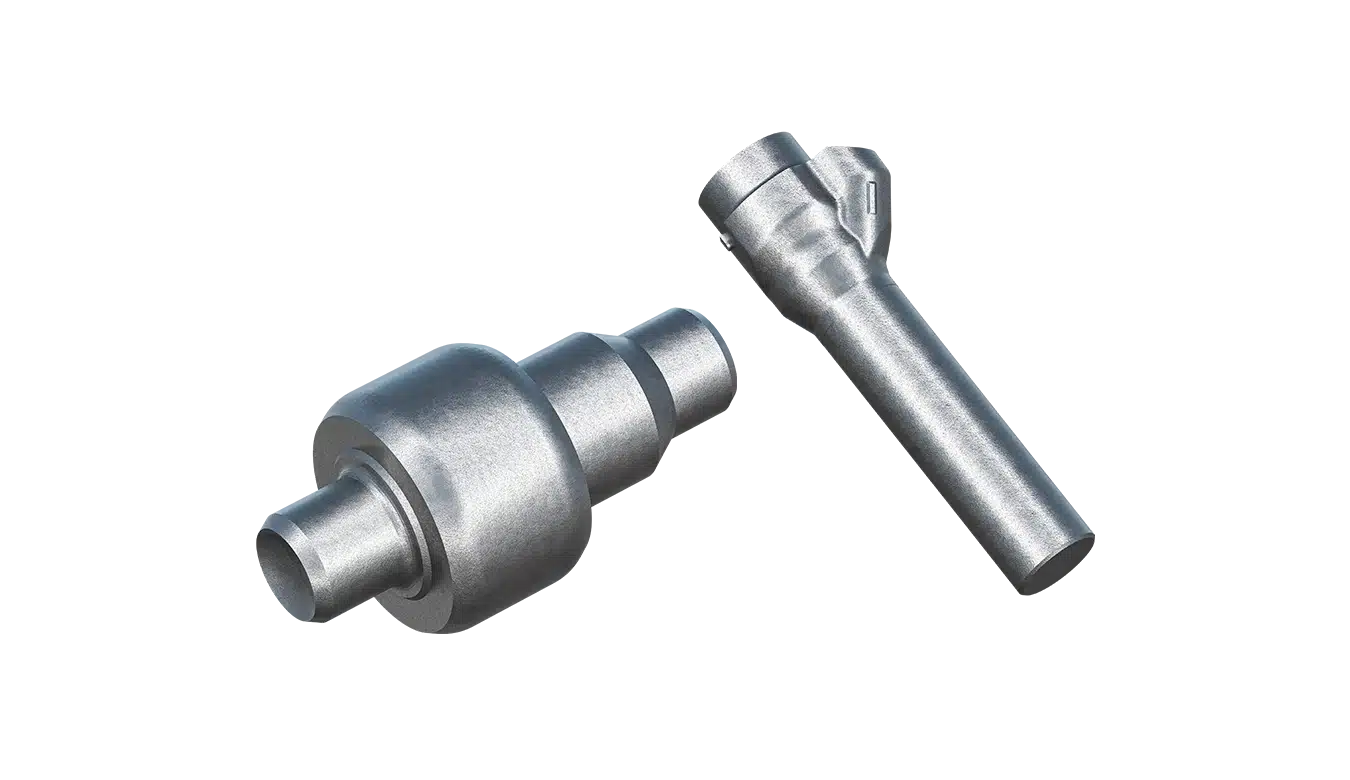
WARM FORGING
Up to 4 kg
Various parts with diameter up to 130 mm and length up to 450 mm.
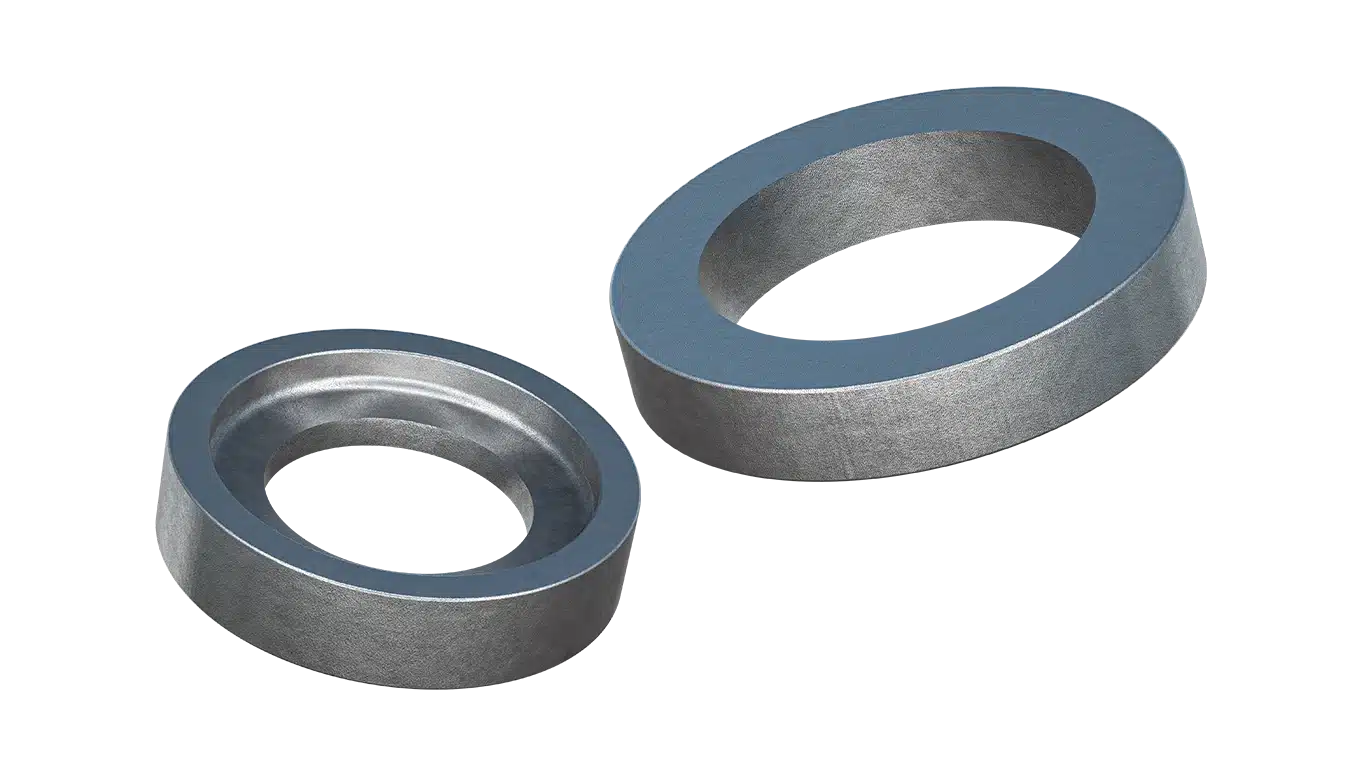
RING ROLLING
Up to 12 kg
Rings and crowns with various cross section geometries up to 250 mm diameter.
A 360° APPROACH
Over the years, we have developed genuine expertise across every discipline that a forged component requires: from early-stage engineering and tooling design to heat treatment and machining operations. Each of these capabilities has been built up through real industrial experience, working closely with OEMs, international Tier 1 suppliers, and machining partners. The result is a partner who understands the full chain, anticipates the constraints at each step, and stays involved from the first technical discussion to the final delivery.
Explore the full range of our capabilities !
On our Blog
Cold forging vs. Hot forging: which process fits your part?
31/07/2026
Forging is a manufacturing process, which shapes a solid-phase metal workpiece by applying compressive forces on it.
Read More
Developing a quality warm forging process
10/03/2026
Thanks to the automotive industry and its continuous development towards better, lighter and more cost efficient components, warm forging has gained greater importance. Alone or as a part of specia...
Read More
The undoubted advantages of the process
10/03/2026
Forging is classified in hot, warm and cold, according to the temperature at which is performed.
Read More