
A unique diversity of know-how
Warm Forging
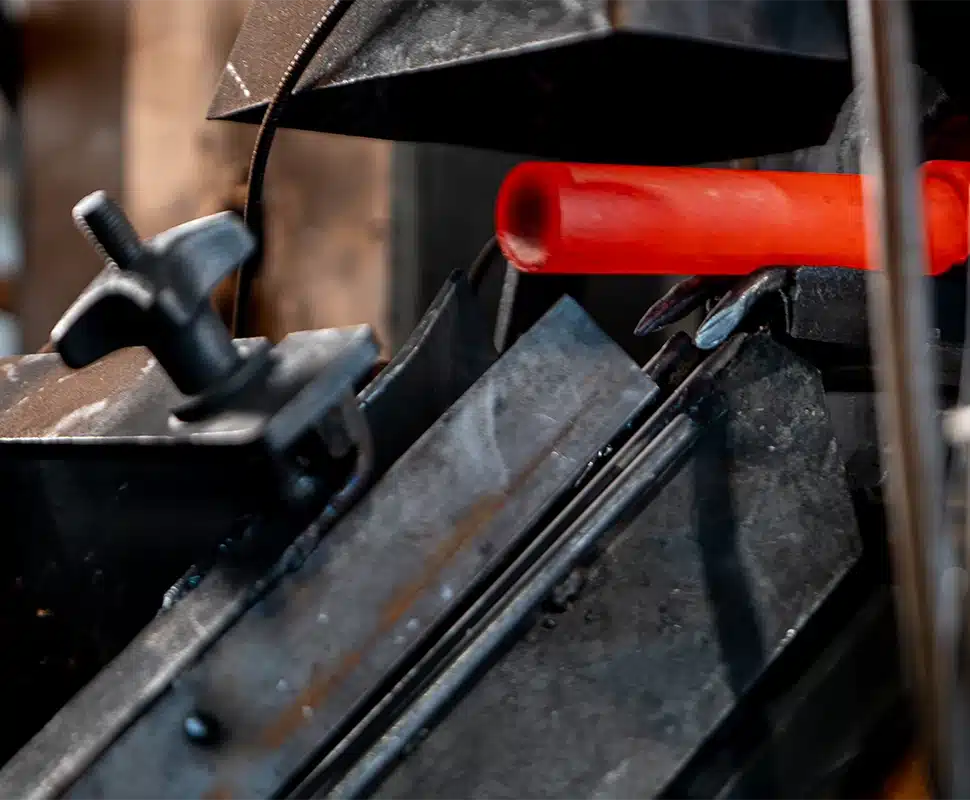
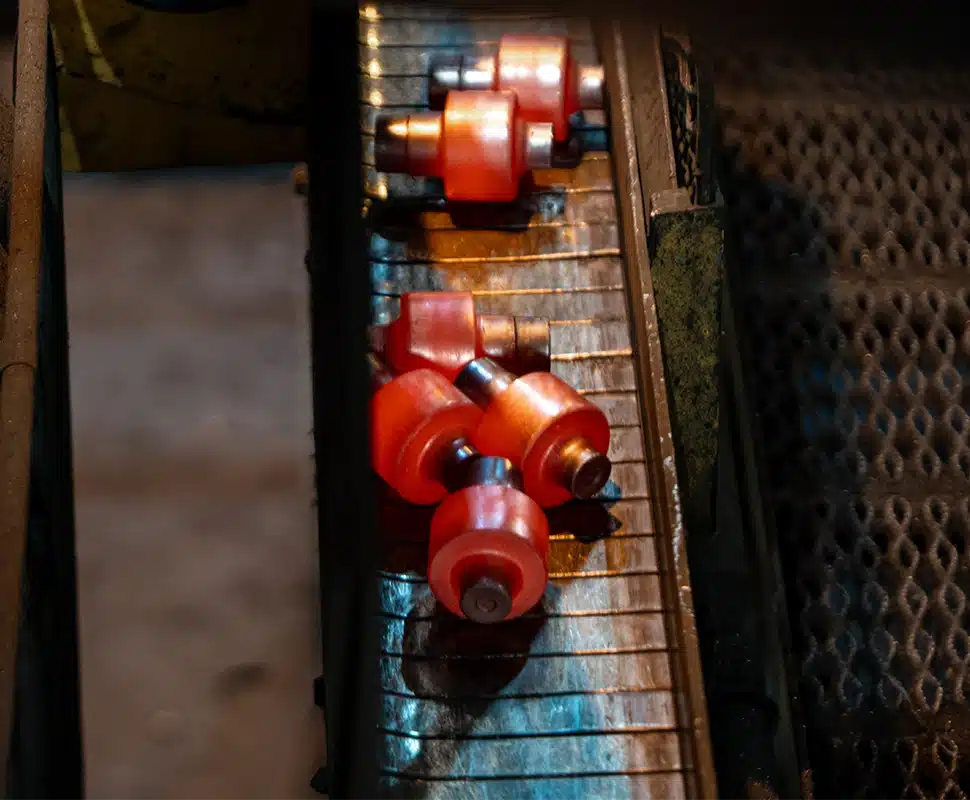
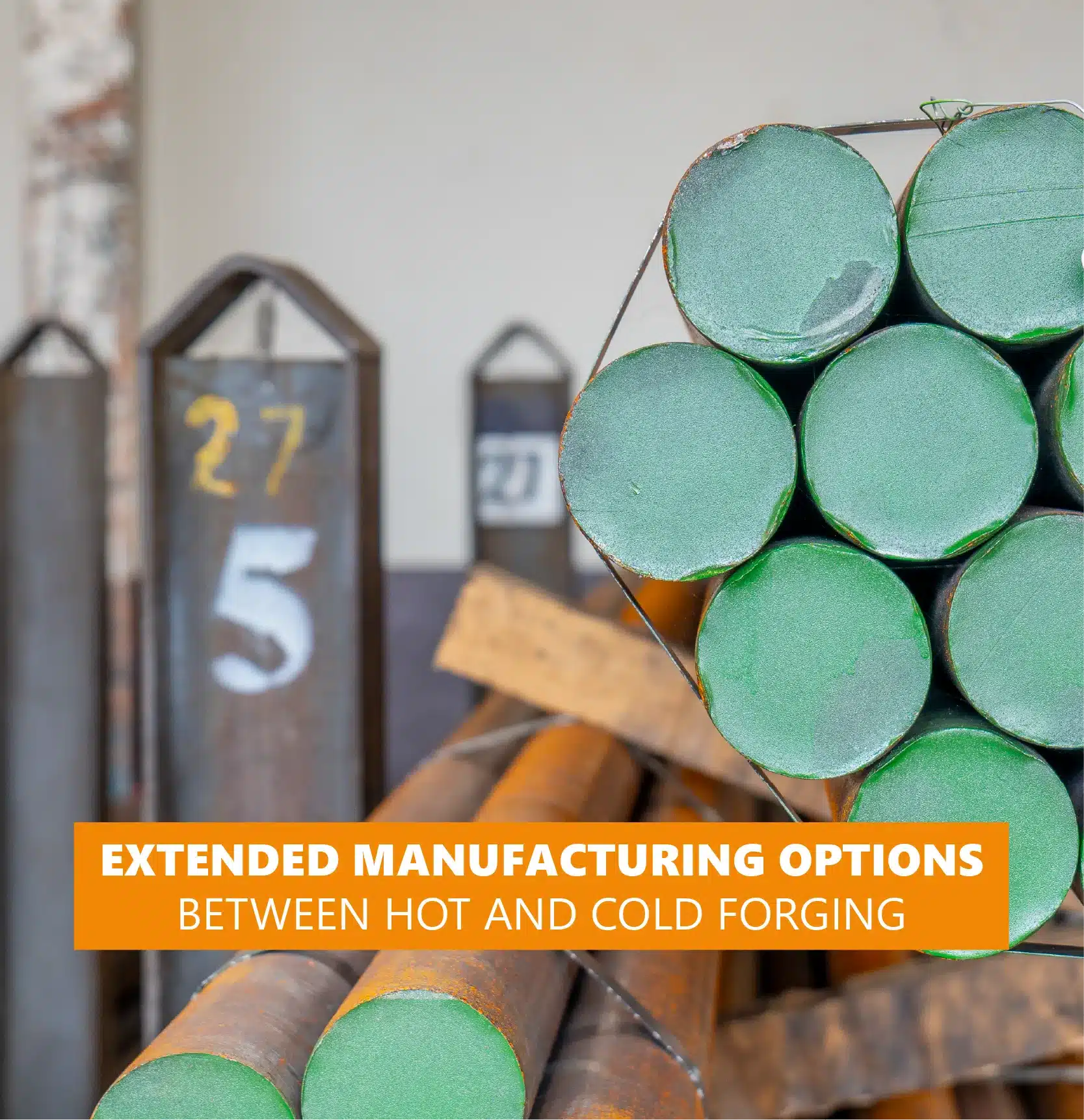
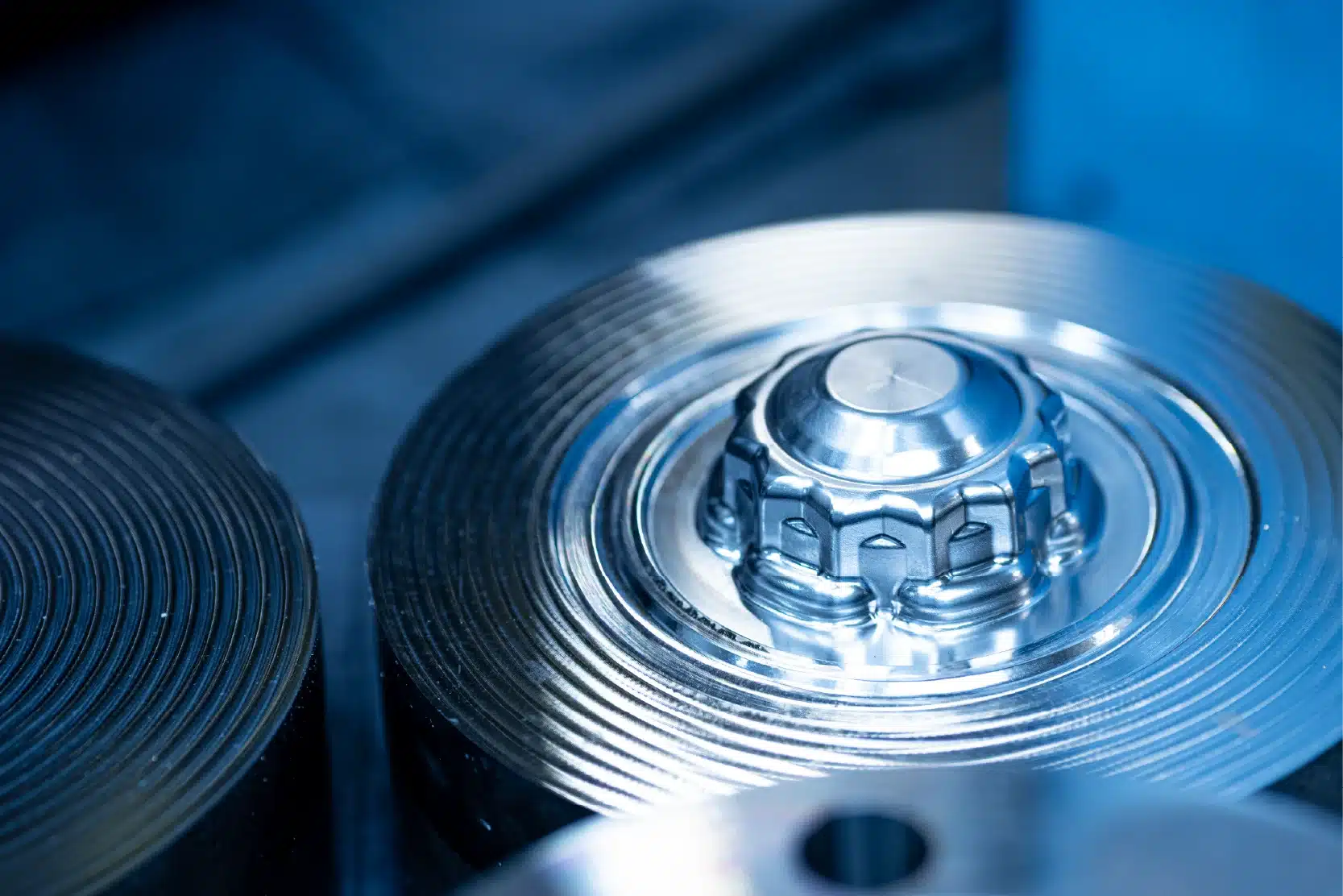
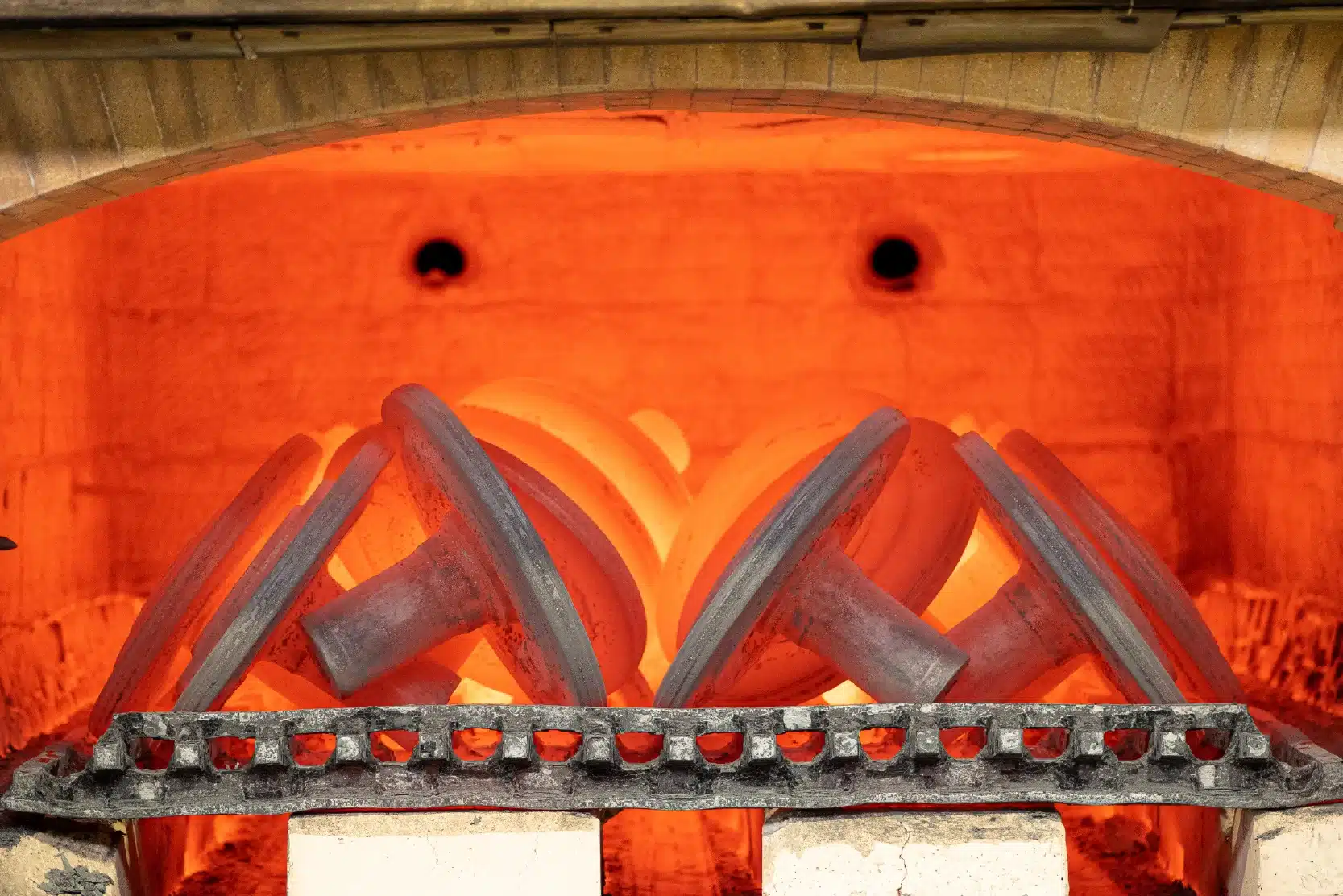
Warm forging sits between cold forging and hot forging. For steel alloys, it is generally carried out at temperatures ranging from approximately 650 °C to 1,000 °C, depending on the grade, geometry, and target properties. This intermediate temperature reduces the metal’s resistance to deformation compared with cold forging, while limiting oxidation and the dimensional variations associated with higher temperatures. The process thus combines formability, precision, and control of surface condition.
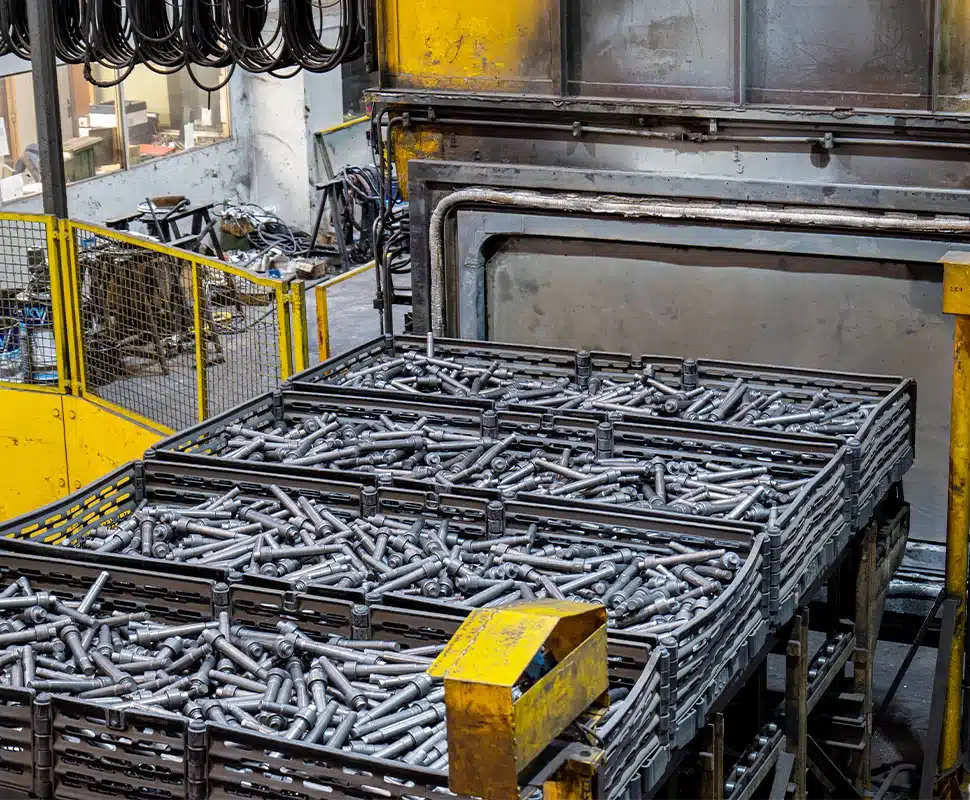
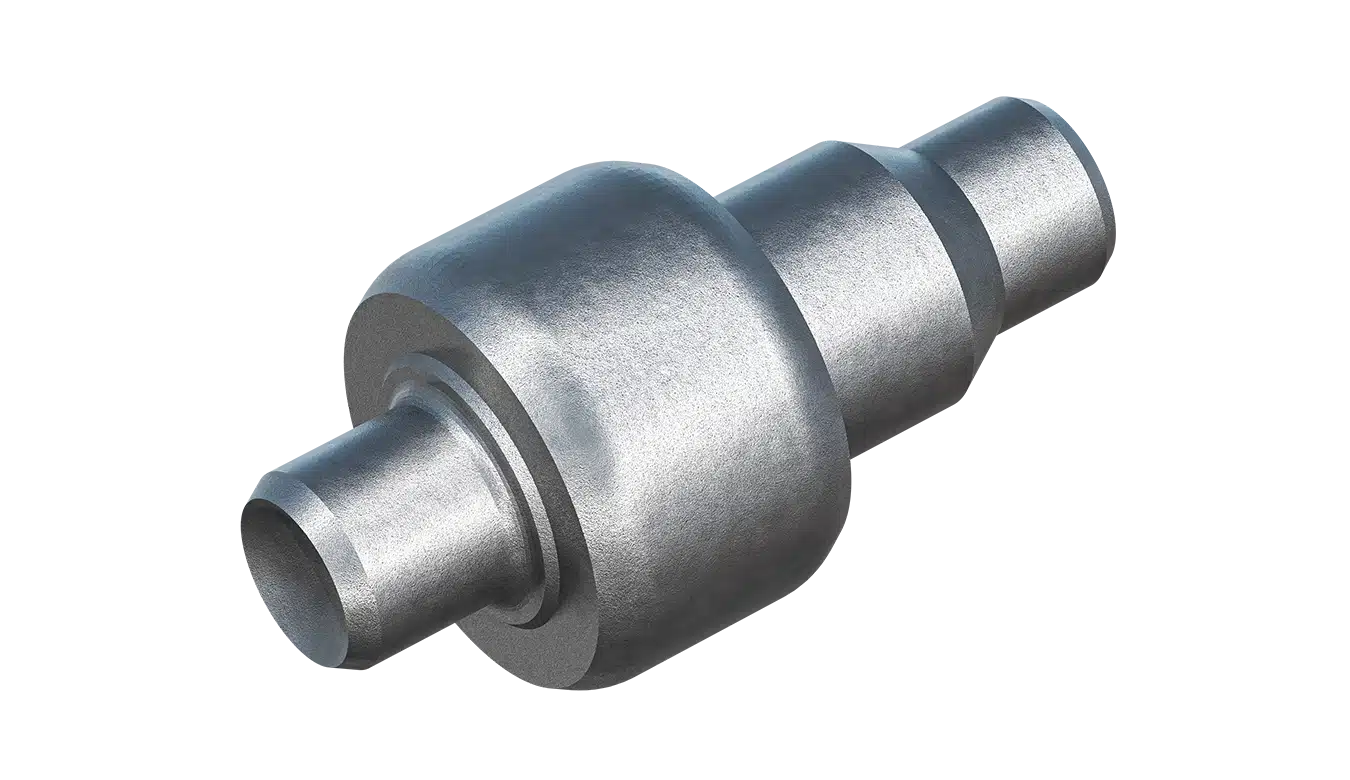
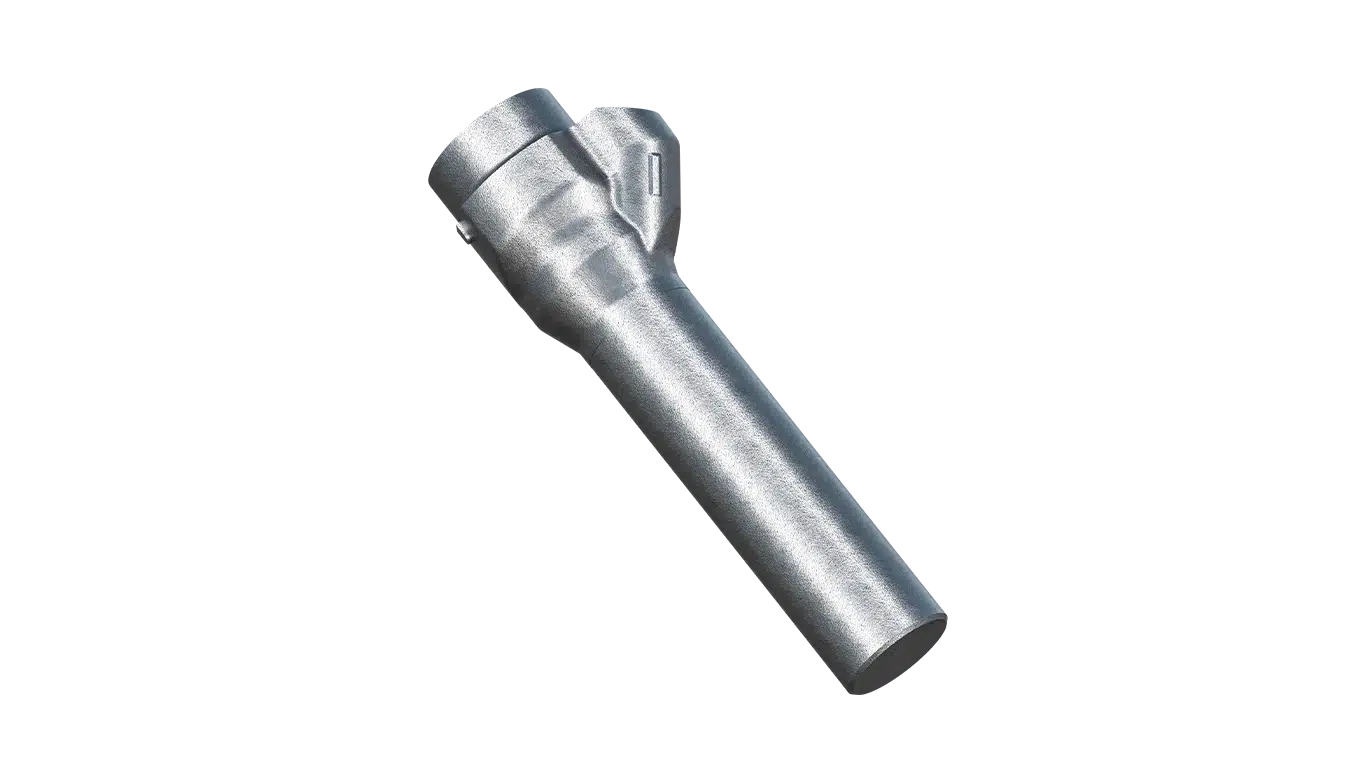
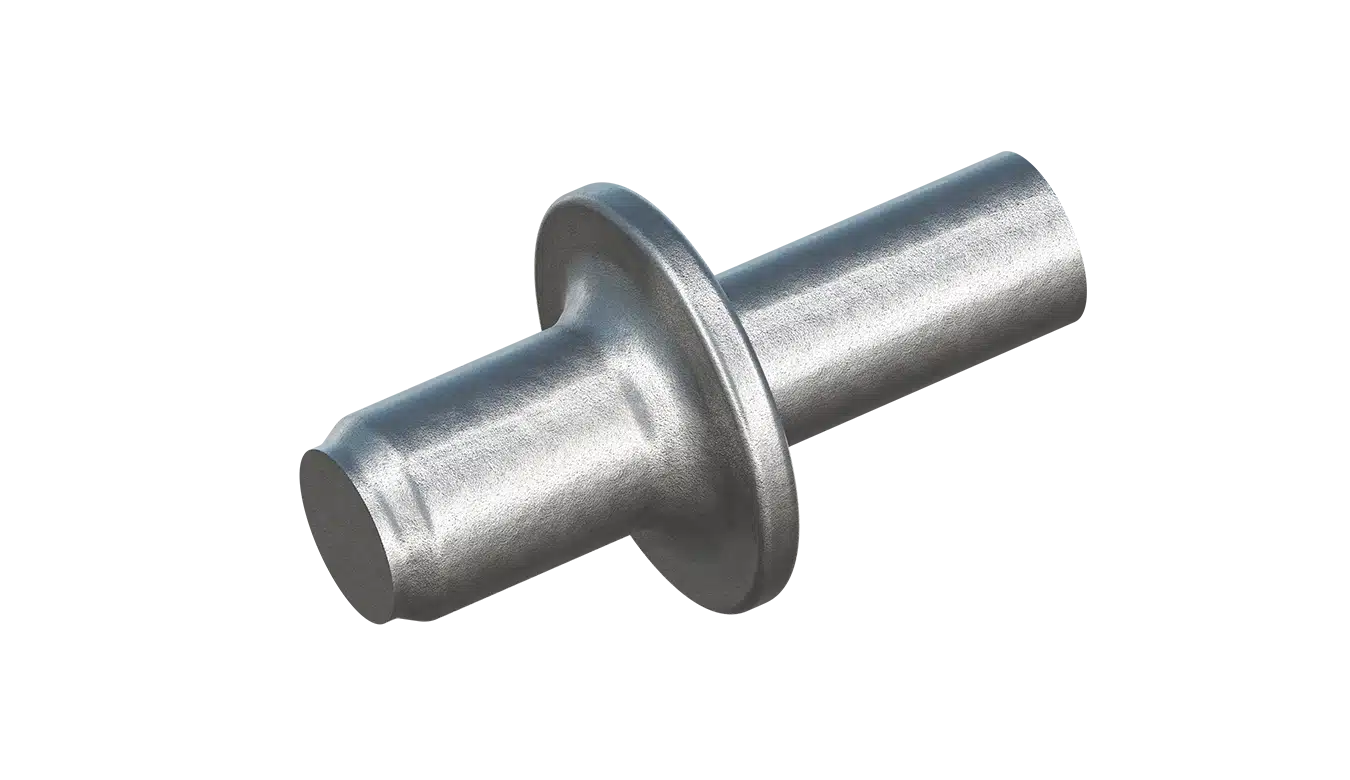
Warm forging is particularly well suited to automotive components such as shafts, gears, transmission components, and injection components. It can form high-strength steels and challenging geometries while maintaining good dimensional accuracy. Setforge integrates this process into an offering covering cold, warm, and hot forging. This expertise enables us to select the forging route best suited to each component’s material, geometry, production volumes, and required performance.
A balance between precision and formability
Warm forging provides an intermediate solution when the precision of cold forging must be combined with greater forming capacity. The higher temperature facilitates material flow and allows grades or geometries that cannot be forged at room temperature under technically and economically viable conditions to be formed. Compared with hot forging, the more moderate temperatures reduce thermally induced dimensional variation, oxidation, decarburization, and machining allowances. Parts can thus achieve tighter tolerances and surfaces closer to their final requirements.
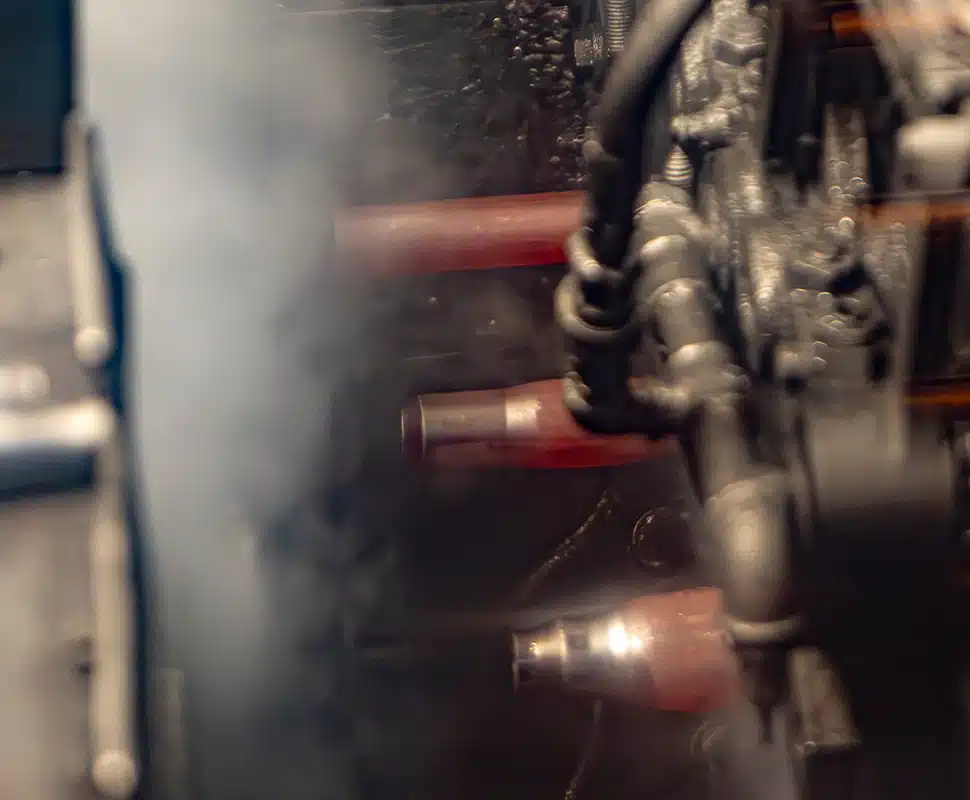
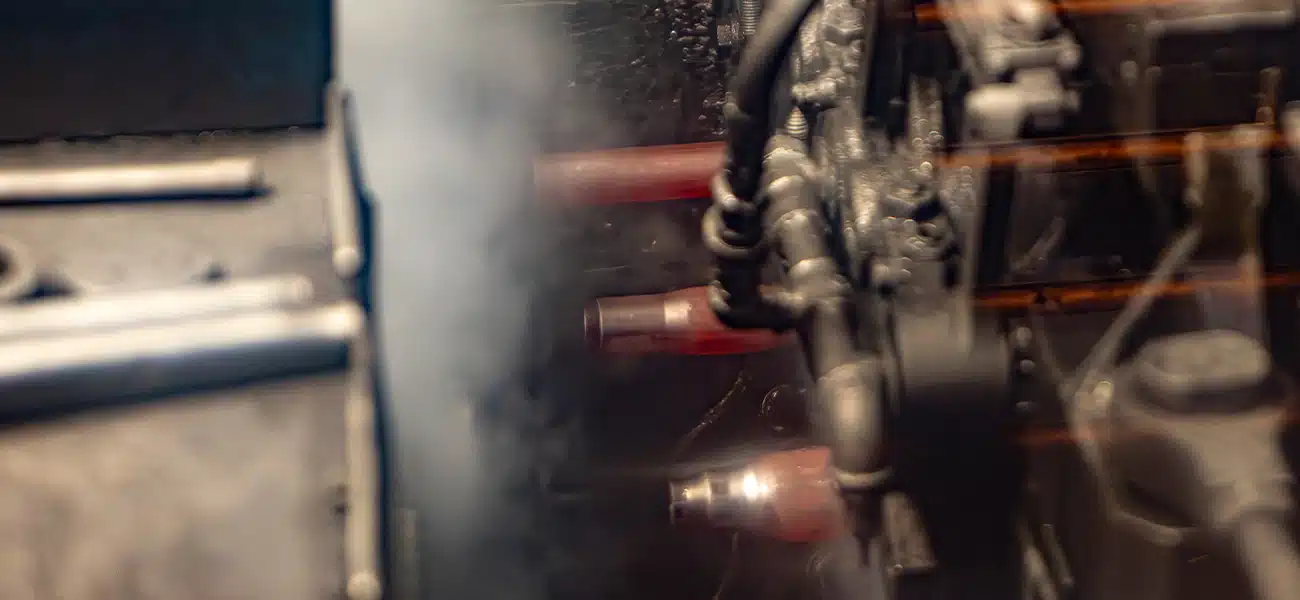
Controlling the thermal window remains essential to benefit from these advantages. Induction heating, temperature control, and a controlled production rate help ensure process precision.
Setforge capabilities
Medium and high production volume
Steel, alloy steel, micro-alloy steel
Weight up to 4 kg
Diameter up to 130 mm
Manufacturing Process
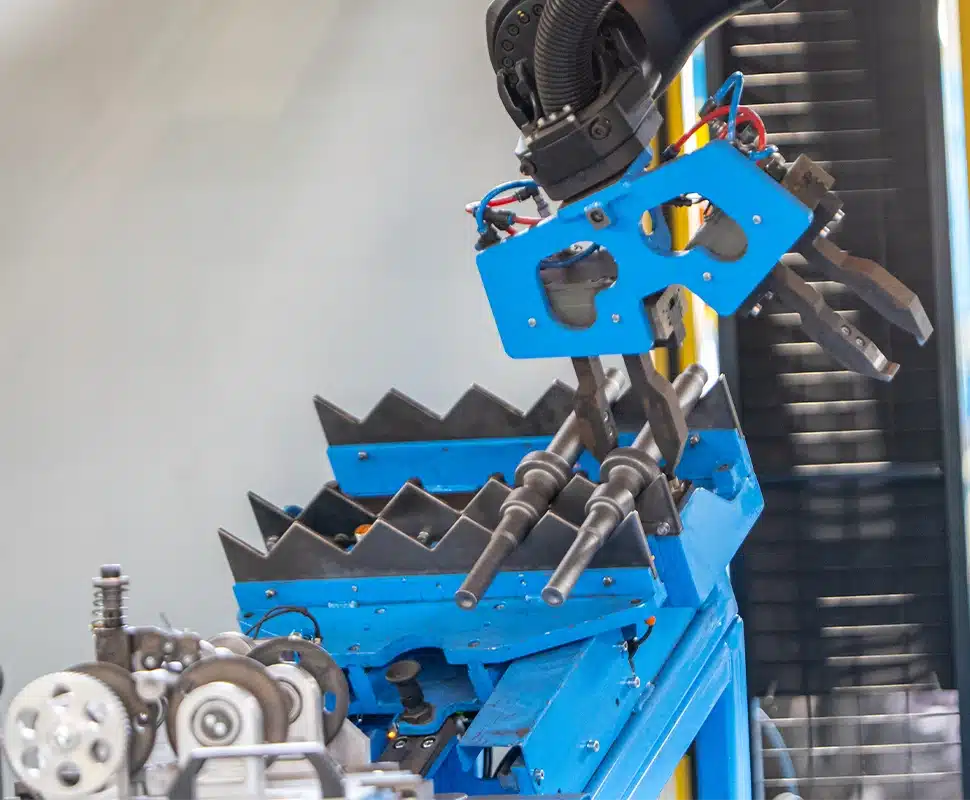
Warm forging requires precise control of temperature, lubrication, and tooling parameters. In this intermediate range, ductility increases while forming forces decrease compared with cold forging, facilitating the production of complex parts with good dimensional control. The process is particularly suited to medium- and high-strength carbon and alloy steels that are more difficult to form cold.
Steels with a carbon content above 0.5% can particularly benefit from this approach. Depending on the application, grade, and geometry, direct quenching from the forging heat may be possible, eliminating the need for an austenitizing furnace. In other cases, the initial metallurgical condition can be almost entirely preserved, avoiding an additional heat treatment.
WHY WARM FORGING ?
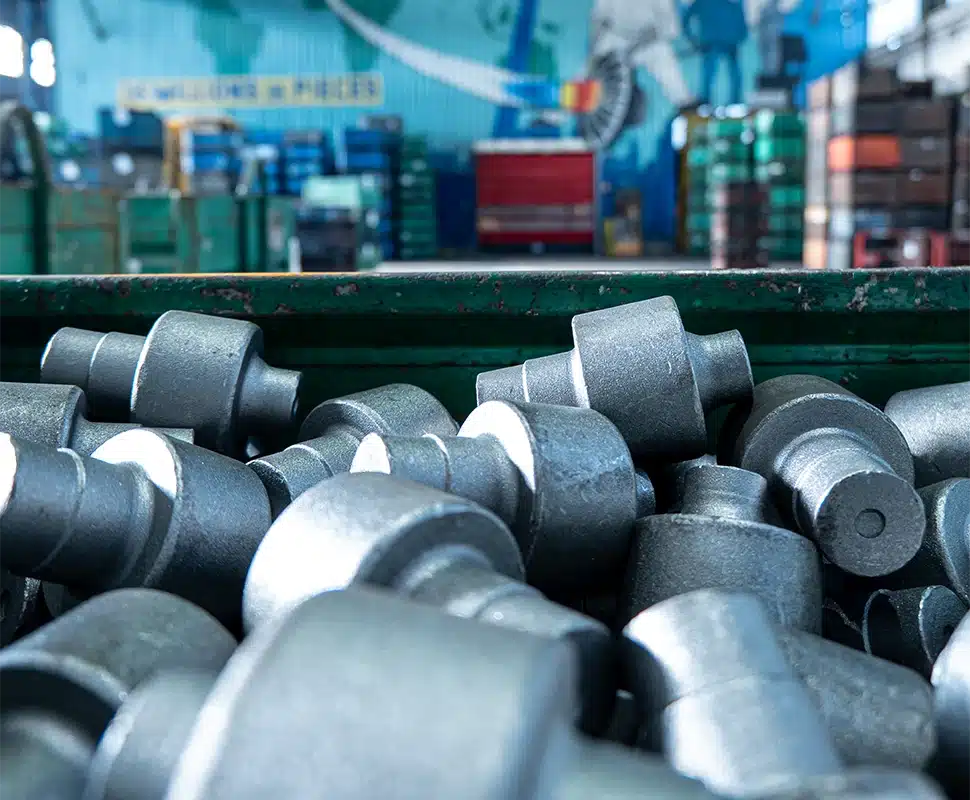
Warm forging combines the precision of low-temperature forming with the deformation capacity of heated material. It thus enables the production of complex components in steels whose strength or ductility would make cold forging too demanding. Its moderate temperatures limit oxidation, thermally induced dimensional variation, and machining allowances compared with hot forging. Proximity to the final geometry helps improve material usage and reduce secondary operations.
Let's explore together how warm forging can benefit your project!
Reduced energy consumption
Heating billets to between approximately 650 and 1,000 °C requires less thermal energy than hot forging at around 1,100 to 1,250 °C. Energy is concentrated on the material and on the temperature actually required for forming.
The process also allows operations such as shot blasting, heat treatment, and machining to be reduced.
Limited oxidation
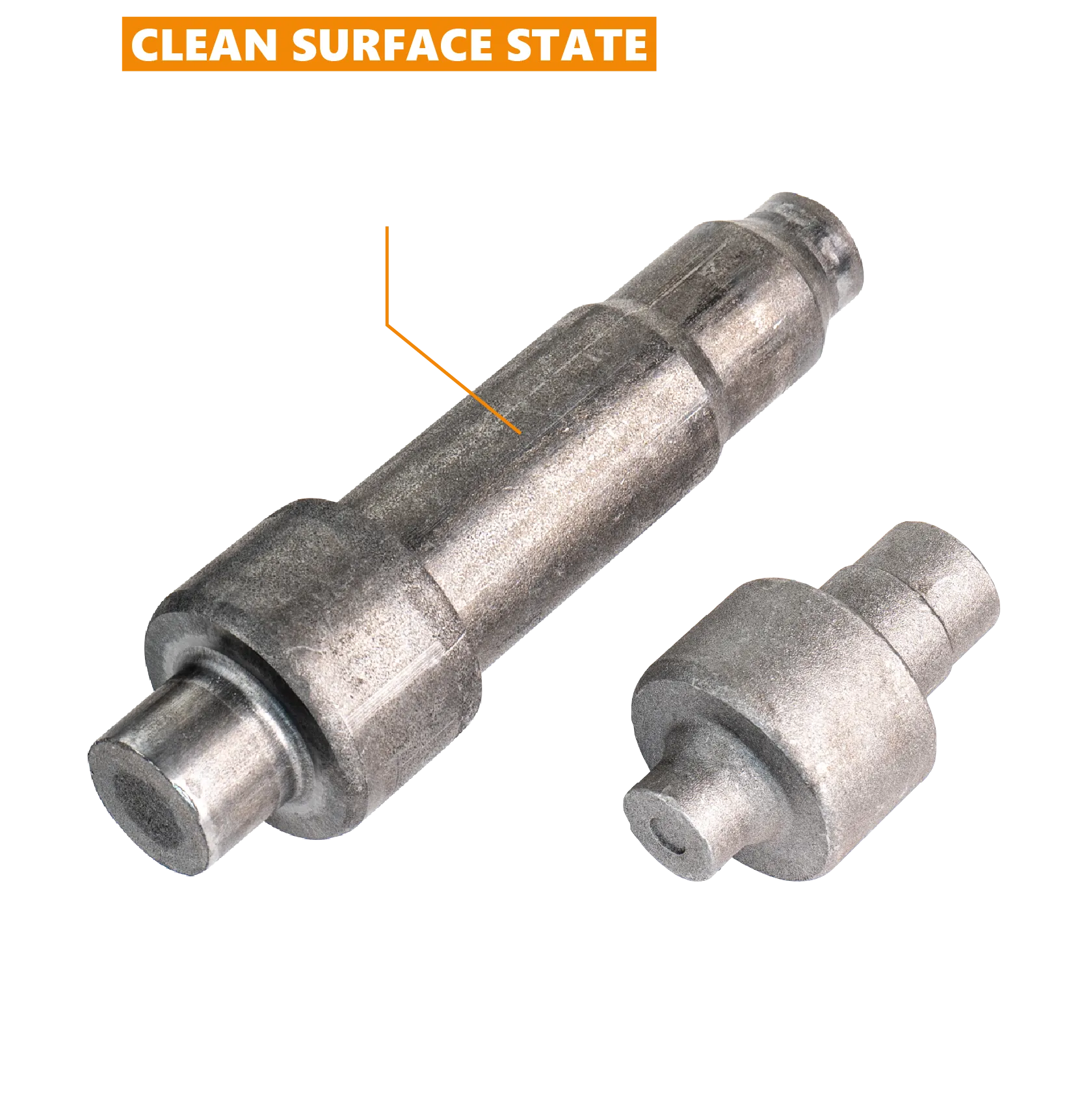
The more moderate temperatures and short heating times limit scale formation and decarburization compared with conventional hot forging processes. Parts therefore have cleaner, more consistent surfaces.
This reduced oxidation eliminates the need for descaling operations and reduces machining allowances. In some cases, it allows the required quality to be achieved directly on a functional surface.
High dimensional accuracy
Warm forging requires thermal control of the tooling, allowing better control of the dimensional variations caused by cooling. These variations are therefore easier to anticipate and incorporate into die design.
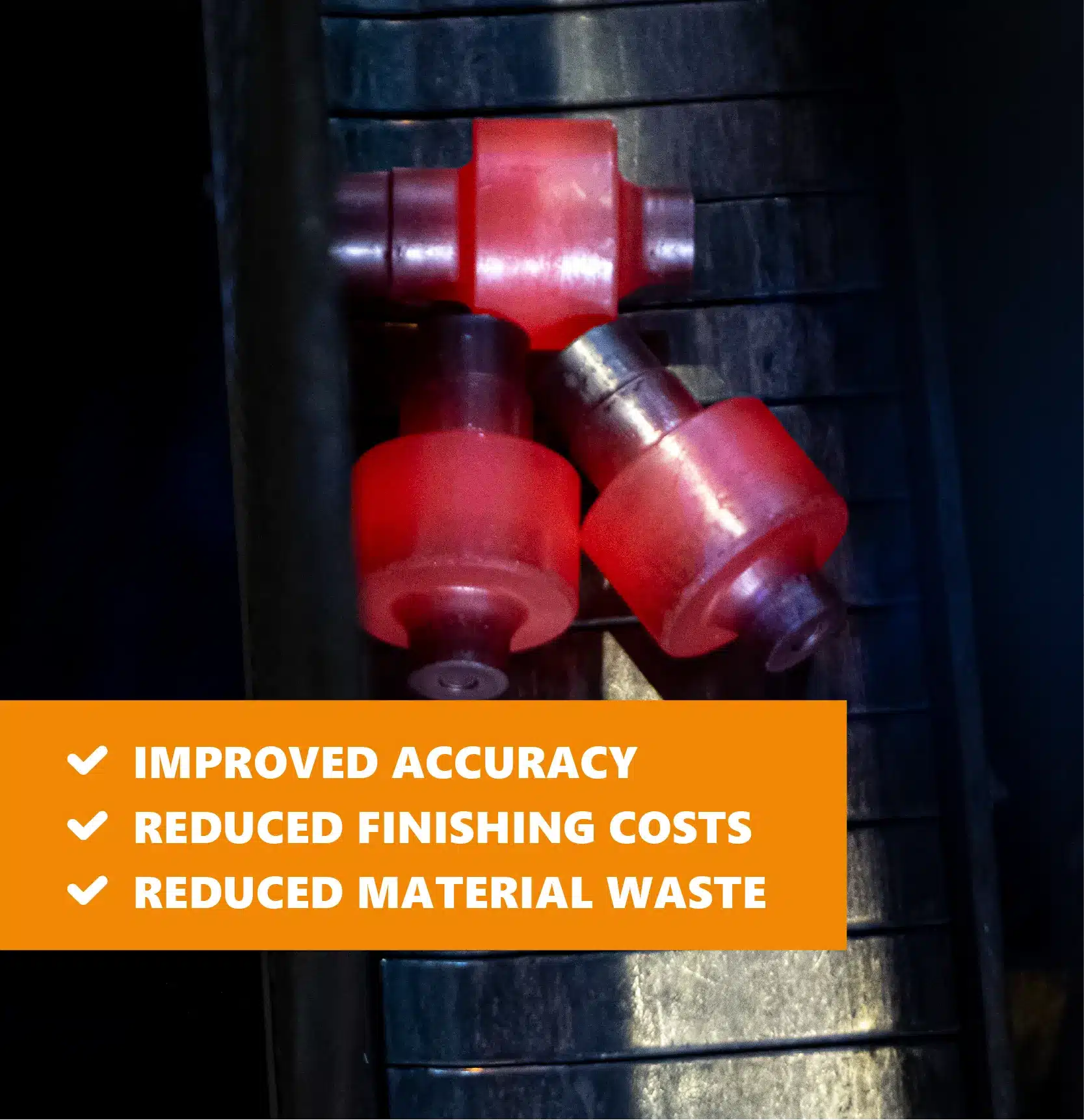
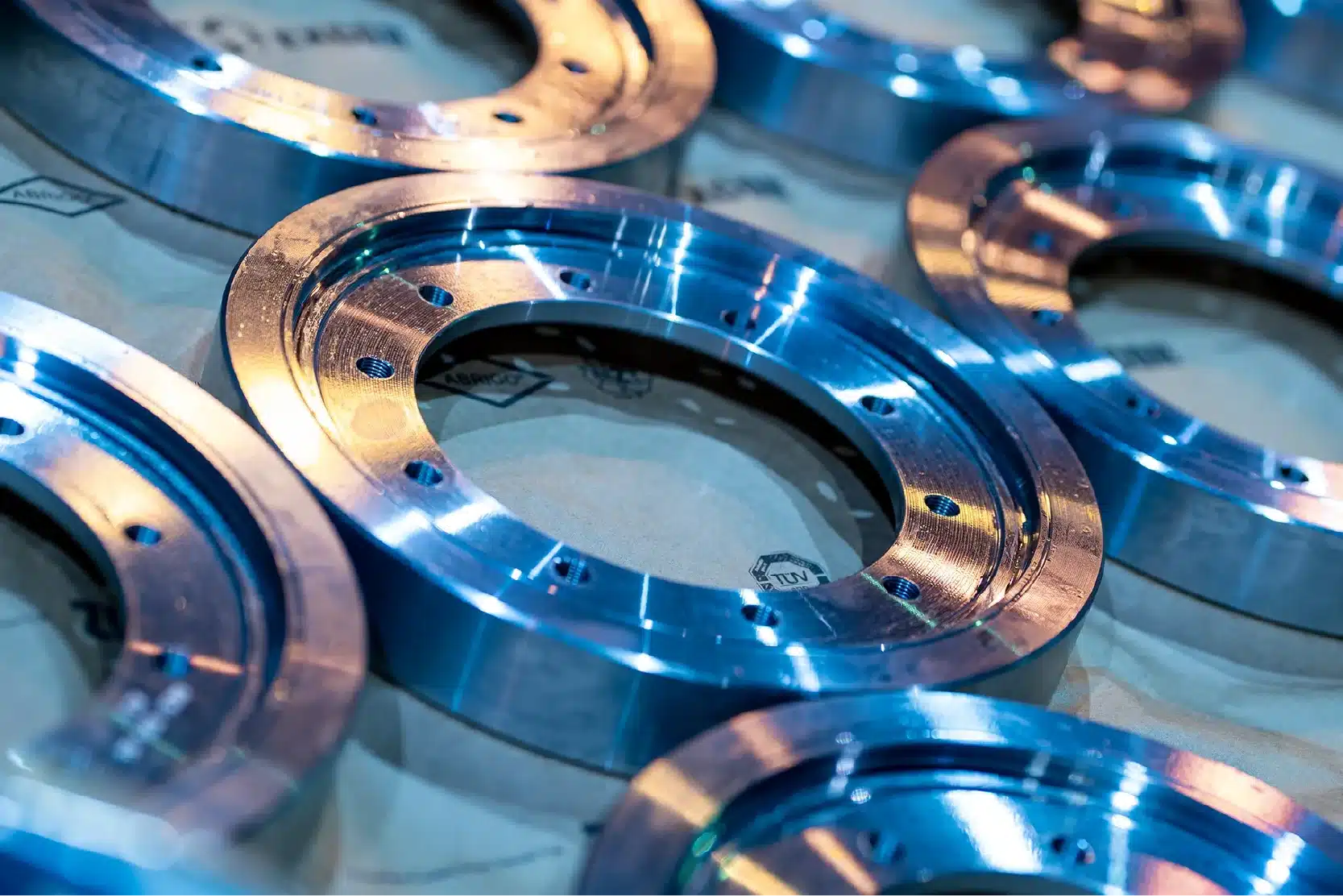
The resulting parts offer tight tolerances and a geometry close to the final shape. This accuracy reduces machining volumes, material losses, and the costs associated with finishing operations. In some cases, net-shape dimensional accuracy can be achieved directly.
Greater forming capacity
The higher temperature reduces the forces required and improves the ductility of high-strength steels. Grades or geometries that are difficult to form cold thus become accessible.
This capability makes it possible to produce, among other parts, shafts, gears, and transmission components featuring variations in cross-section or complex functional details, without resorting to hot-forging temperatures.
Properties tailored during manufacturing
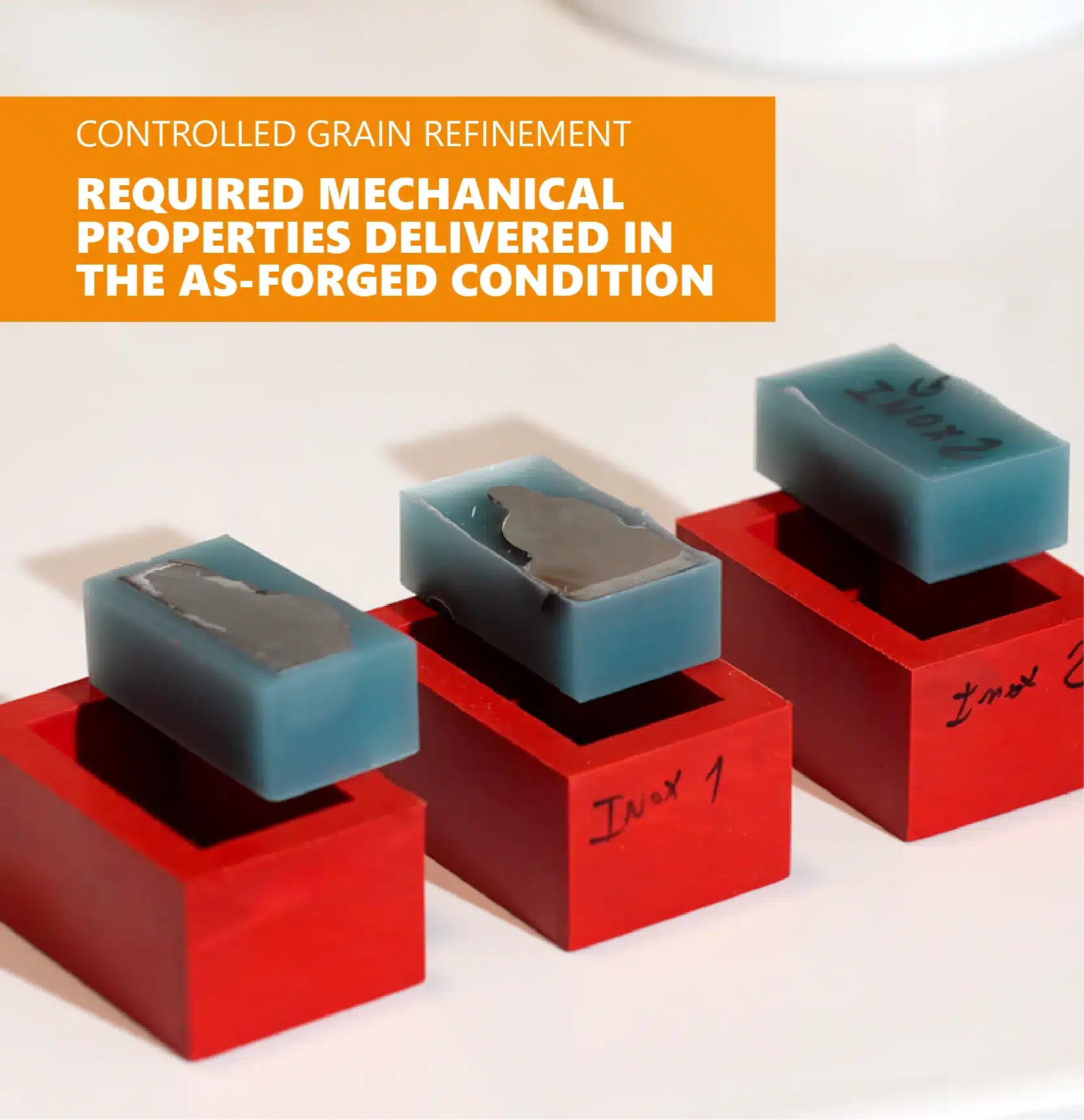
The combination of temperature, deformation, and cooling makes it possible to control the component’s microstructure and mechanical properties. The forging route is defined according to the grade and the required performance.
For certain applications, controlled cooling after forging can help achieve the target metallurgical condition directly or simplify subsequent heat treatments. The process thus reduces the number of steps while maintaining strength and repeatability requirements.
Warm Forging At Setforge
Setforge has two companies specializing in warm forging: Setforge Near Net and Setforge Gauvin, both of which have the necessary heat-treatment lines, as well as complementary cold- and hot-forging capabilities. This expertise across different temperature ranges makes it possible to select the process best suited to the material, geometry, tolerances, and volumes of each project. Our teams support customers in grade selection, material-flow simulation, tooling design, and industrial validation. This approach makes it possible to compare the different routes and identify the best balance between precision, performance, and competitiveness.
Our facilities support projects from the development phases through to series production. Tracking the material, manufacturing parameters, and inspection results ensures the traceability required for demanding automotive and industrial applications.
WOULD YOU LIKE TO KNOW MORE?
LET’S TALK ABOUT IT!
OUR FORGING PROCESS
Setforge forges parts from 0.1 kg to 1,500 kg across the full range of closed-die forging processes. A breadth of capability that is, quite simply, unique in the market. From prototype to high-volume automotive production, our approach goes well beyond the forge itself: we work alongside our customers from the earliest stages of co-development through to finishing operations, covering every step of the journey from design intent to finished part.
Deep dive into the geometries we forge !
HOT FORGING
From 0.2 kg to 1,500 kg
Suitable for a wide range of complex shapes. Max weight: Steel 1,500 kg | Stainless Steel 1,400 kg | Ti and Ni-based 200 kg.
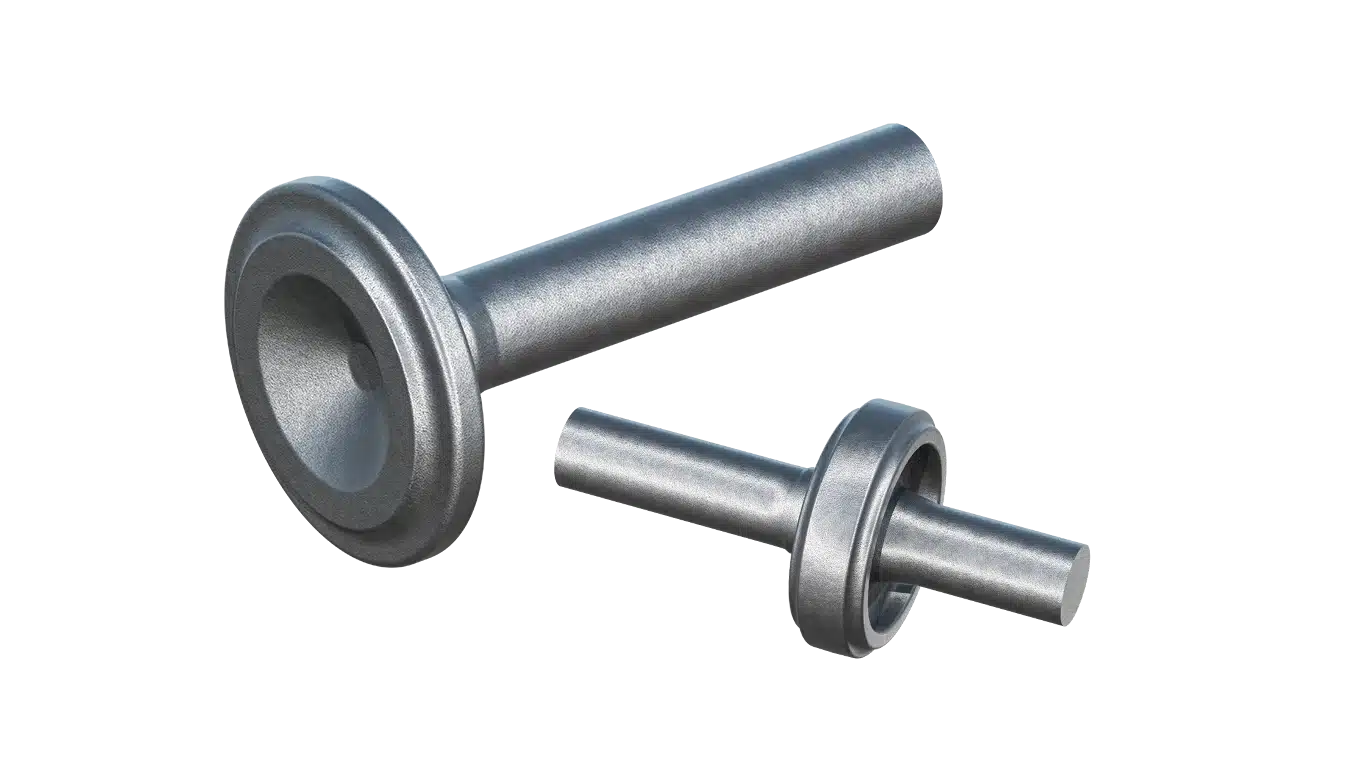
ELECTRICAL UPSETTING
From 0.1 kg to 200 kg
Long parts with flange up to 1,200 mm length, flanged diameter up to 450 mm and initial bar diameter up to 130 mm.
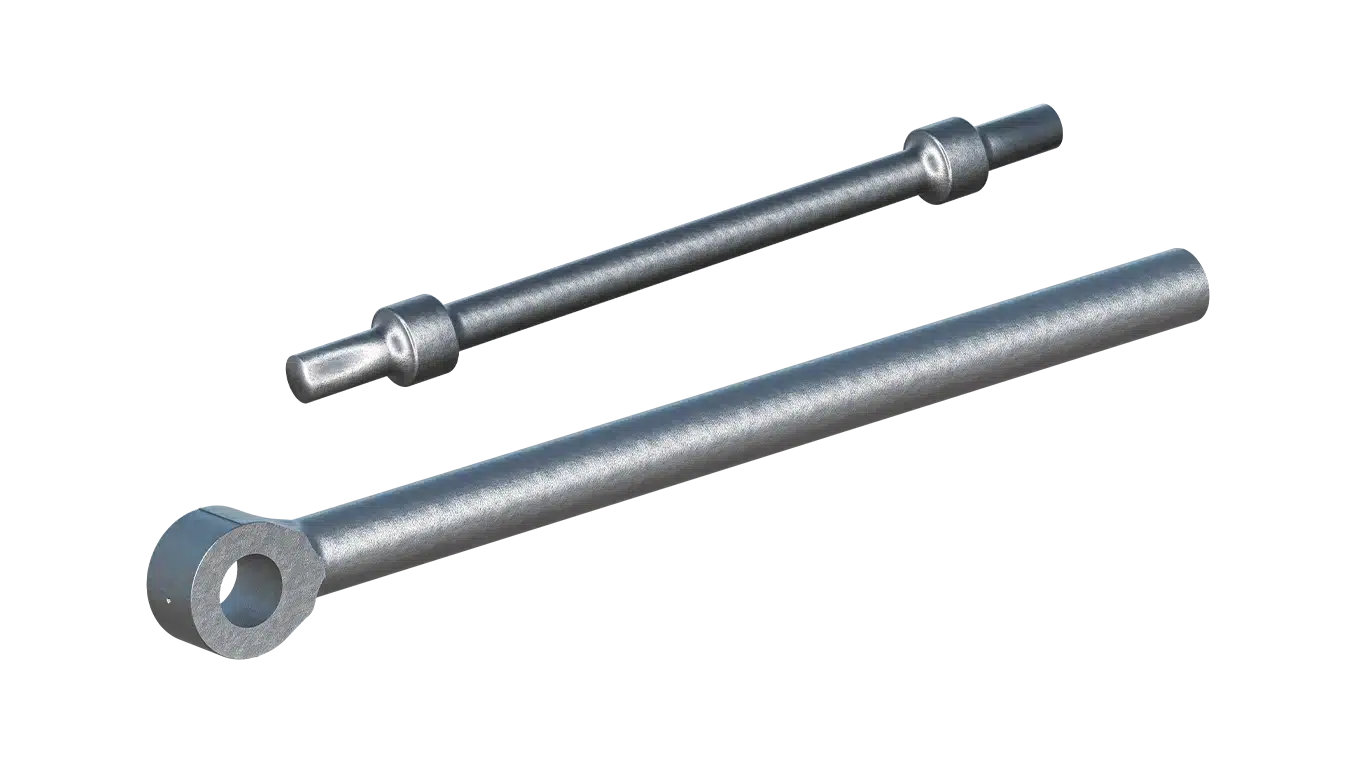
UPSET FORGING
From 2 kg to 600 kg
Long parts with complex head geometry up to 5,000 mm length, head diameter up to 400 mm and initial bar diameter up to 170 mm.
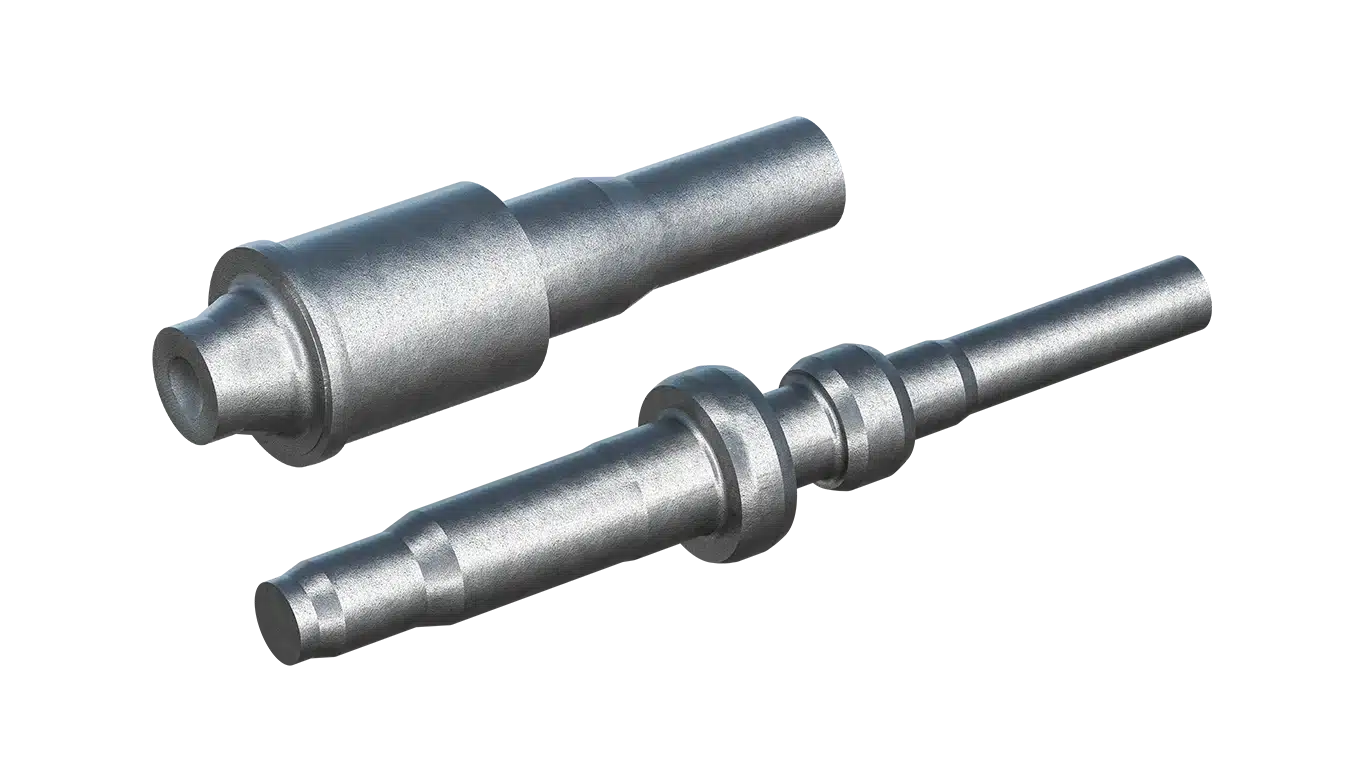
COLD FORGING
From 0.3 kg to 25 kg
Various shafts or long parts with max diameter up to 120 mm and 800 mm length.
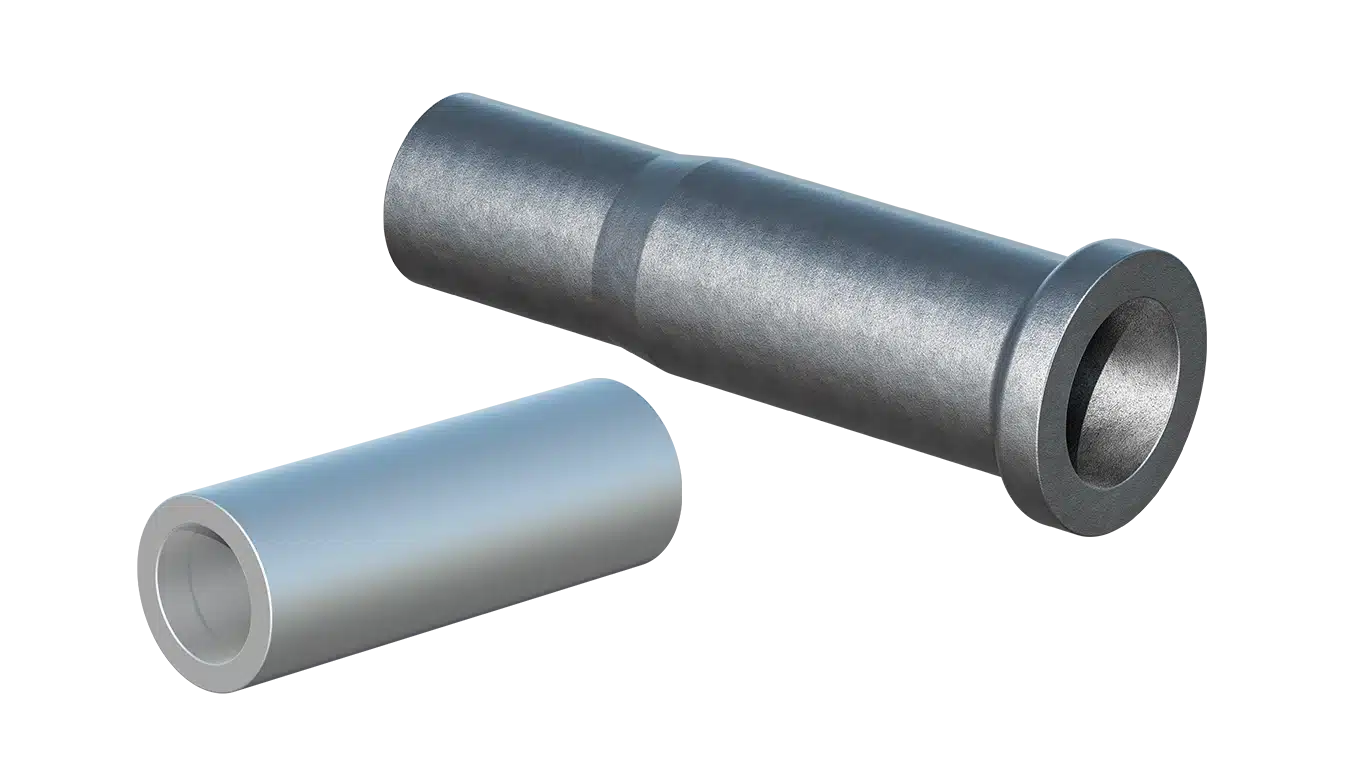
HOT EXTRUSION
Up to 1,500 kg
Tubular and shaft profile, straight or shaped, with or without hot piercing with O/D max 500 mm and length max 1,700 mm.
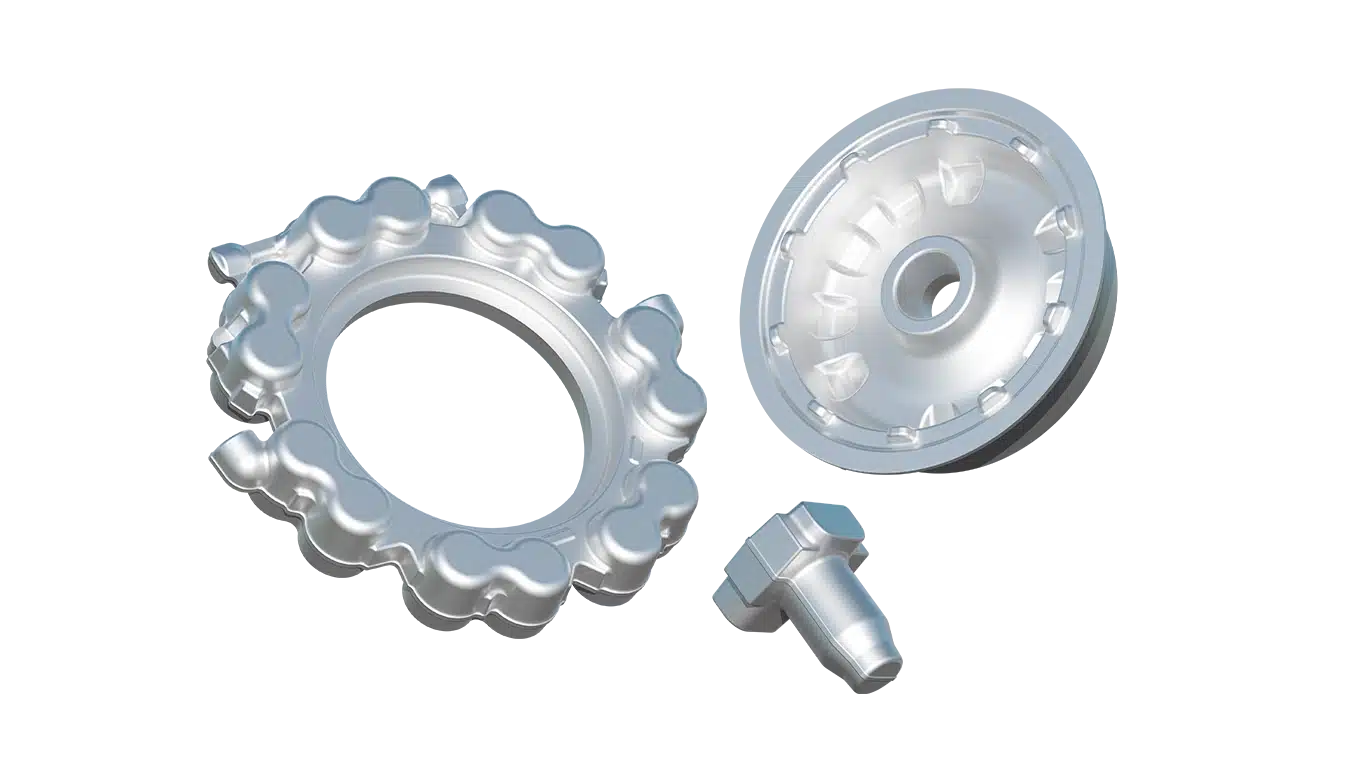
ALUMINUM FORGING
From 0.1 kg to 200 kg
Suitable for a wide range of complex shapes from the 1XXX to the 7XXX series depending on shape geometry.
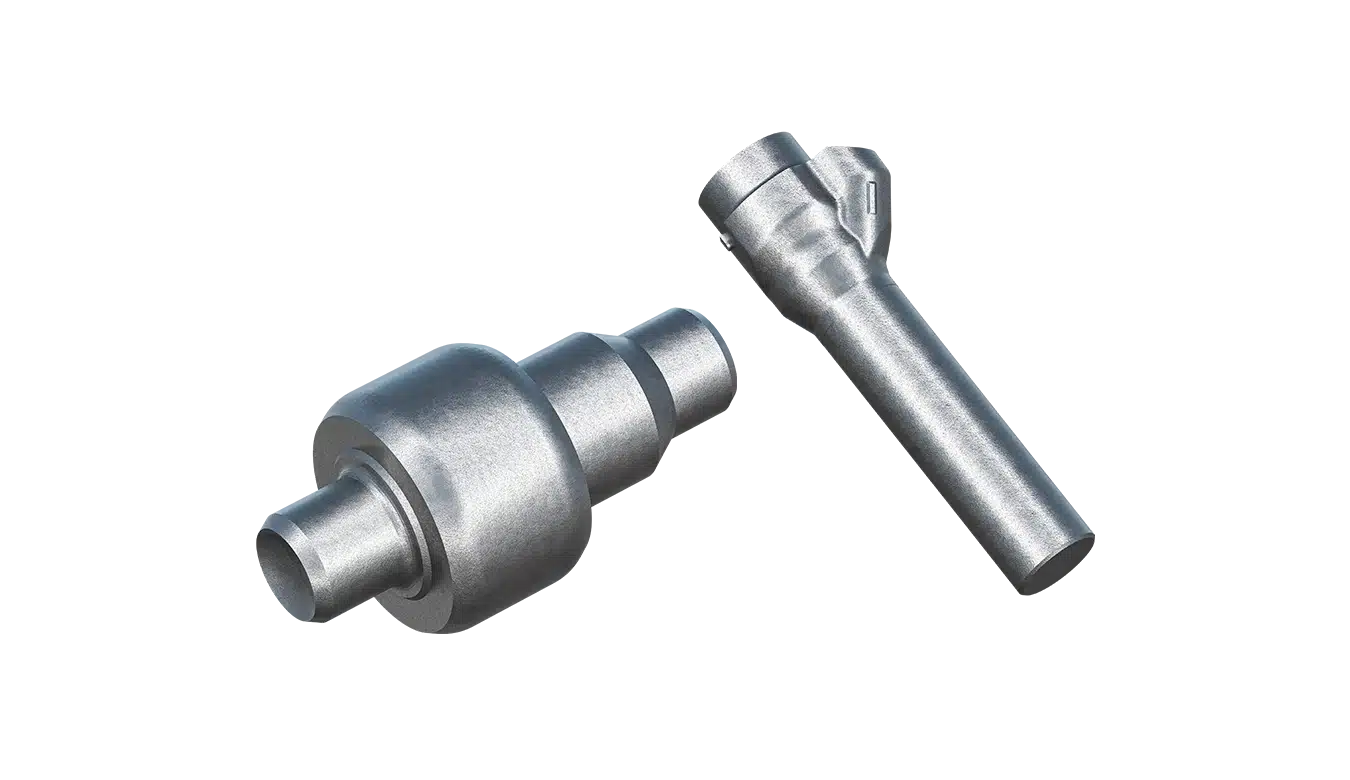
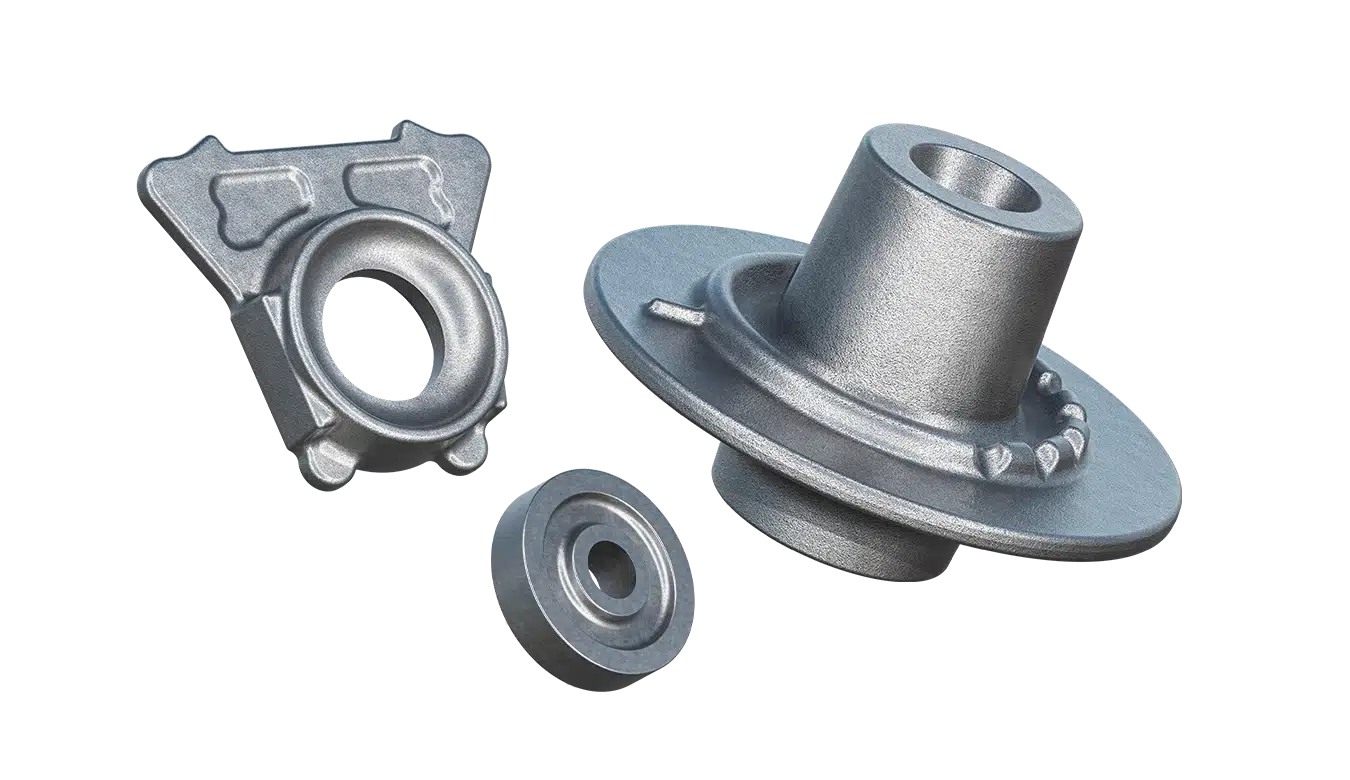
WARM FORGING
Up to 4 kg
Various parts with diameter up to 130 mm and length up to 450 mm.
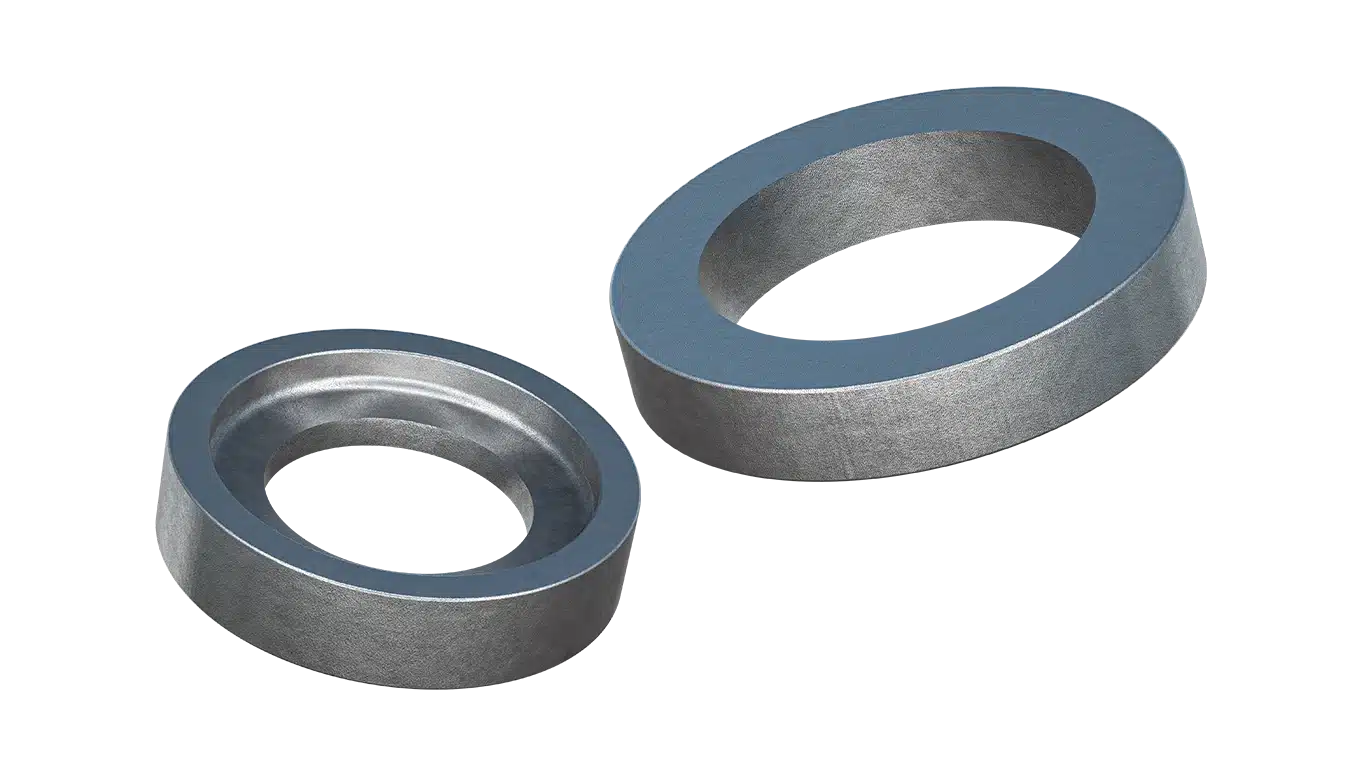
RING ROLLING
Up to 12 kg
Rings and crowns with various cross section geometries up to 250 mm diameter.
A 360° APPROACH
Over the years, we have developed genuine expertise across every discipline that a forged component requires: from early-stage engineering and tooling design to heat treatment and machining operations. Each of these capabilities has been built up through real industrial experience, working closely with OEMs, international Tier 1 suppliers, and machining partners. The result is a partner who understands the full chain, anticipates the constraints at each step, and stays involved from the first technical discussion to the final delivery.
Explore the full range of our capabilities !
On our Blog
Cold forging vs. Hot forging: which process fits your part?
31/07/2026
Forging is a manufacturing process, which shapes a solid-phase metal workpiece by applying compressive forces on it.
Read More
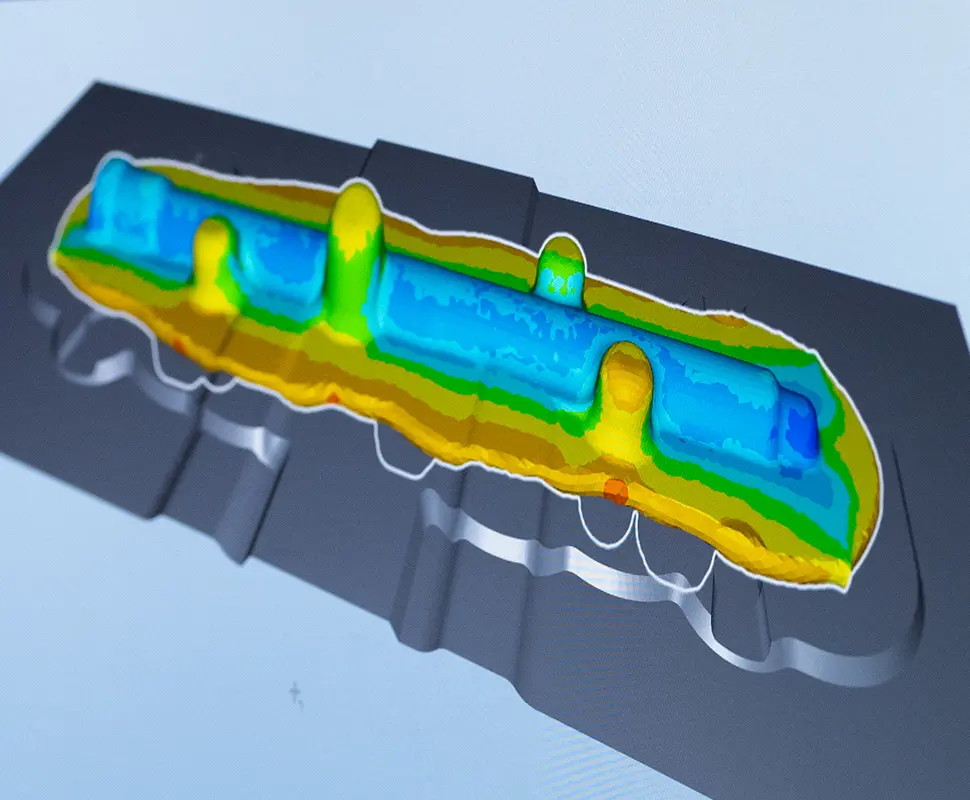
Developing a quality warm forging process
10/03/2026
Thanks to the automotive industry and its continuous development towards better, lighter and more cost efficient components, warm forging has gained greater importance. Alone or as a part of specia...
Read More
The undoubted advantages of the process
10/03/2026
Forging is classified in hot, warm and cold, according to the temperature at which is performed.
Read More