
A unique diversity of know-how
Aluminum Forging
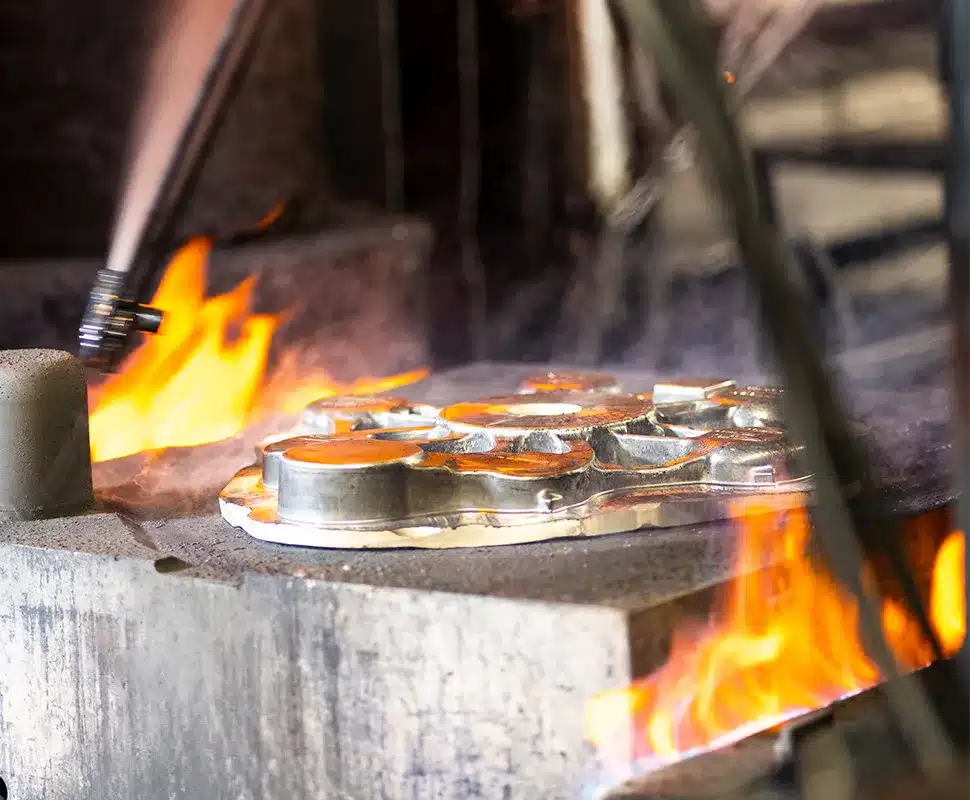
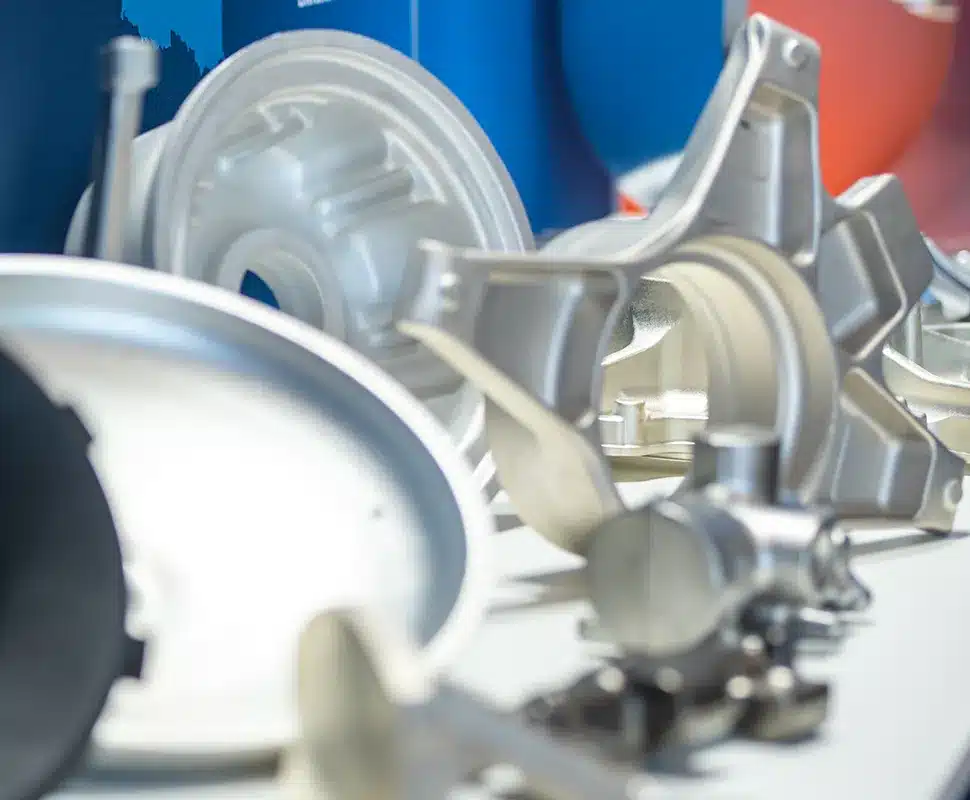
Aluminum forging, also known as die forging, is a forming process that uses dedicated dies and requires precise temperature control. It transforms aluminum alloys into components combining excellent integrity, superior metallurgical properties, and a high strength-to-weight ratio to meet the requirements of applications subjected to high mechanical loads. This technology draws on aluminum’s key advantages: a density roughly one third that of steel, good thermal conductivity and, depending on the alloy and environment, high corrosion resistance. Forging therefore enables the production of lightweight, durable parts for critical mechanical functions.
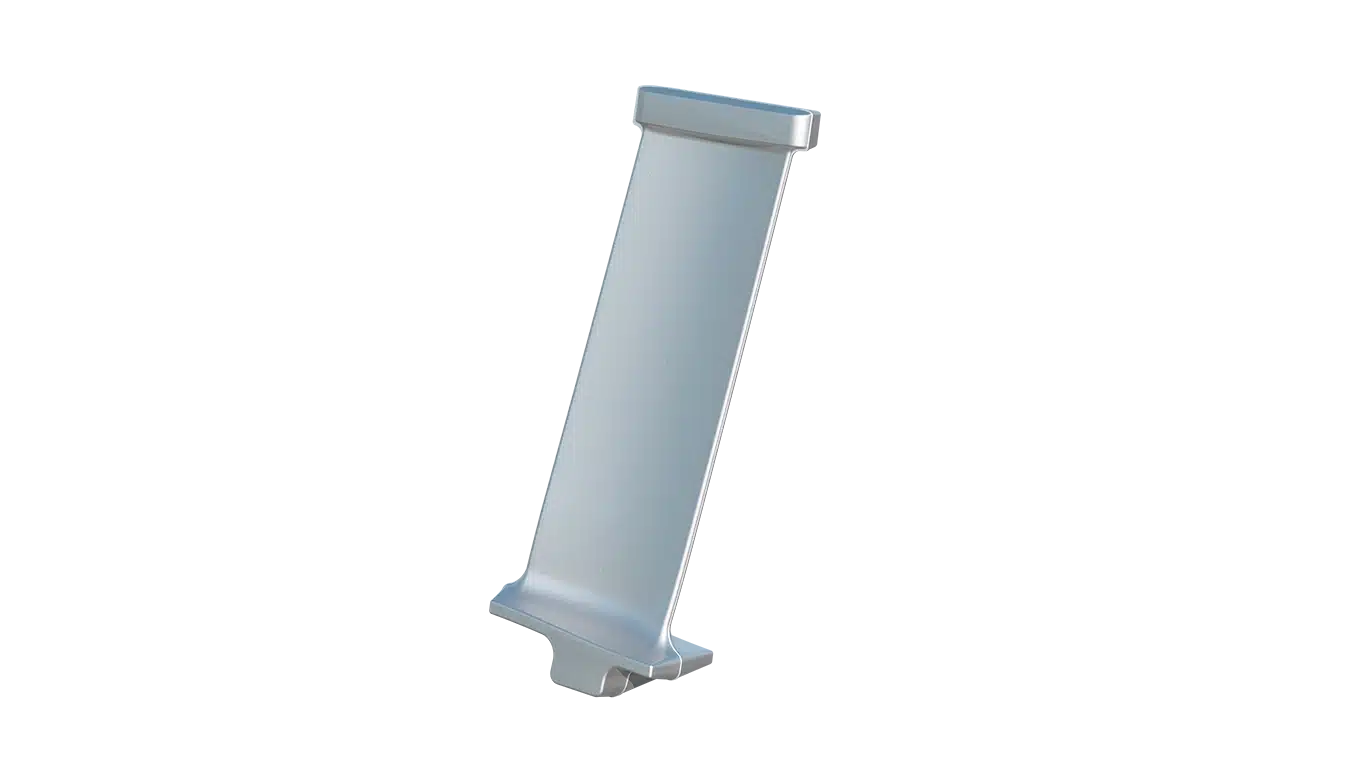
Particularly well suited to the aerospace, automotive, rail and energy sectors, aluminum forging can be used to produce die-forged parts as well as hollow or tubular components by hot extrusion. Our capabilities cover specialized aerospace applications, niche automotive programs, hydrogen-related equipment, and components for the rail and energy sectors, including compressor blades. Our industrial capabilities are suited to small and medium production runs, as well as selected programs requiring higher production rates. Depending on geometry and alloy, components can weigh up to 200 kg and be formed on hydraulic presses using tooling specifically developed to meet the requirements of aluminum forging.
LIGHT WEIGHT Precision parts
Aluminum forging offers an effective balance of light weight and mechanical strength. Compared with some cast solutions, it limits the effects of solidification porosity and develops a grain flow adapted to the part’s main mechanical loads. Unlike machining a part entirely from bar or plate, forging allows the grain flow to be oriented according to the final geometry and limits machining to functional surfaces only. Die forging also allows complex three-dimensional shapes, while hot extrusion is particularly suited to elongated, hollow or tubular components.
The forming process induces plastic deformation, which helps refine the microstructure and improve mechanical properties under both static loading and fatigue conditions. Combining the right alloy, controlled heat treatment and an optimized design unlocks the full potential of forged aluminum and delivers the performance required for each application.
Setforge capabilities
Small to high production volume
All series of aluminum alloys
Hammer and presses
From 0.1 kg up to 200 kg
Hot extrusion
From 0.1 kg up to 300 kg
Manufacturing Process
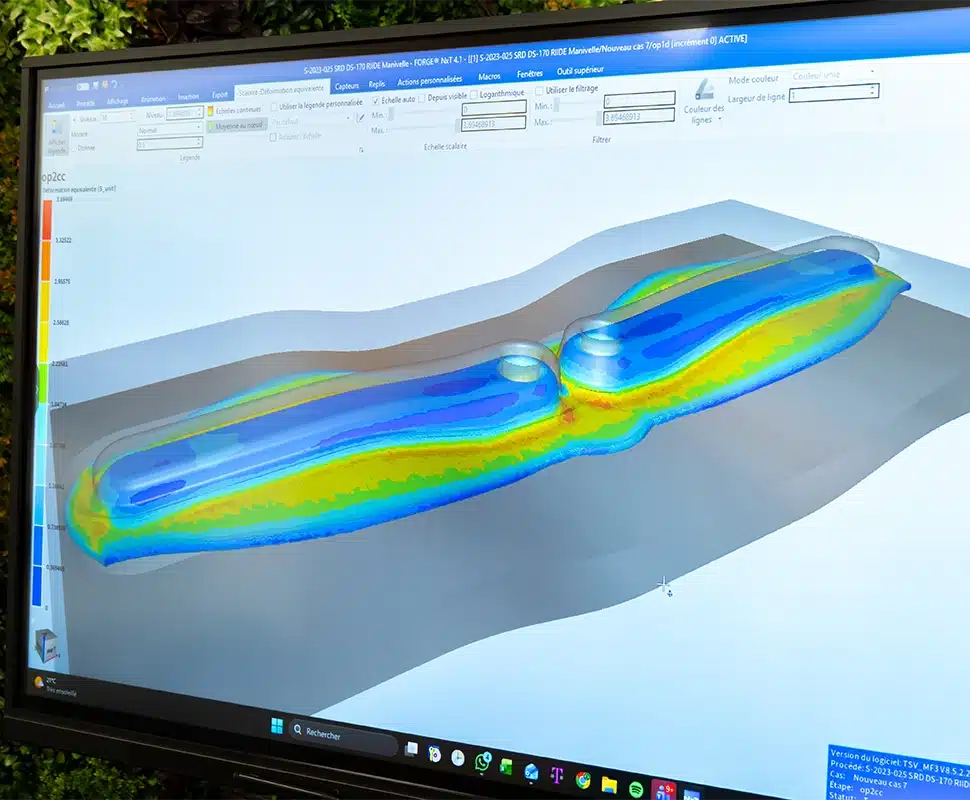
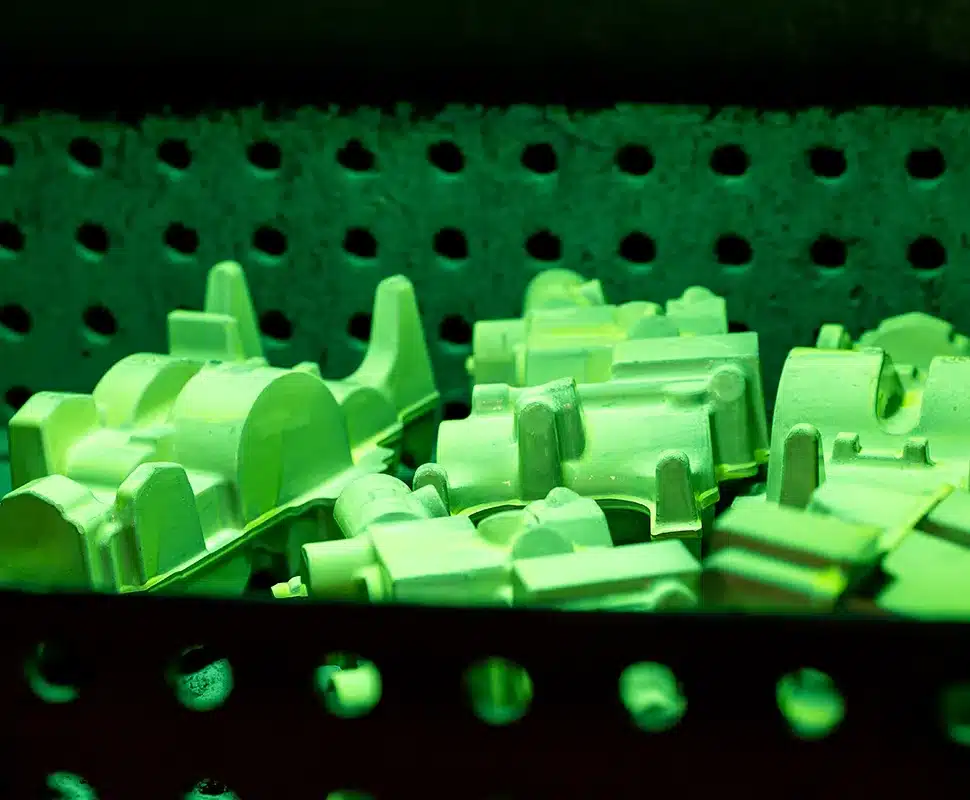
Aluminum forging requires precise control of temperature, strain rate, lubrication, and tooling thermal conditions. Aluminum’s high thermal conductivity promotes rapid heat exchange with the dies, while its forming window depends closely on the alloy’s composition and metallurgical condition. Our teams use simulation tools to study material flow, strain distribution, and temperature evolution throughout the cycle. Purpose-designed tooling then enables controlled die filling, limits the risk of laps or underfill, and allows the grain flow to be oriented according to the target geometry.
Our processes cover the full range of aluminum alloy families suitable for forging and used in the aerospace, automotive, railway, and energy sectors. Parameters are defined for each combination of alloy, geometry, weight, and target mechanical properties.
- 1xxx series
- 2xxx series (2024, 2014): high strength for aerospace structural components,
- 4xxx series
- 5xxx series
- 6xxx series (6061, 6082): offers excellent formability and corrosion resistance for automotive applications.
- 7xxx series (7075, 7050, 7175): delivers maximum strength for critical aerospace and defense components requiring superior strength-to-weight ratios and stress corrosion resistance.
WHY ALUMINUM FORGING?
Aluminum forging offers several advantages over casting or machining entirely from bar. It yields lightweight components with high metallurgical integrity, grain flow matched to their geometry and strong mechanical performance. Combined with the right choice of alloy and heat treatment, the process improves strength and fatigue performance while preserving aluminum's intrinsic assets: low density, thermal conductivity and corrosion resistance. Our capabilities serve aerospace prototyping and specialized automotive series alike.
Let's explore together how aluminum forging can benefit your project!
A high strength-to-weight ratio
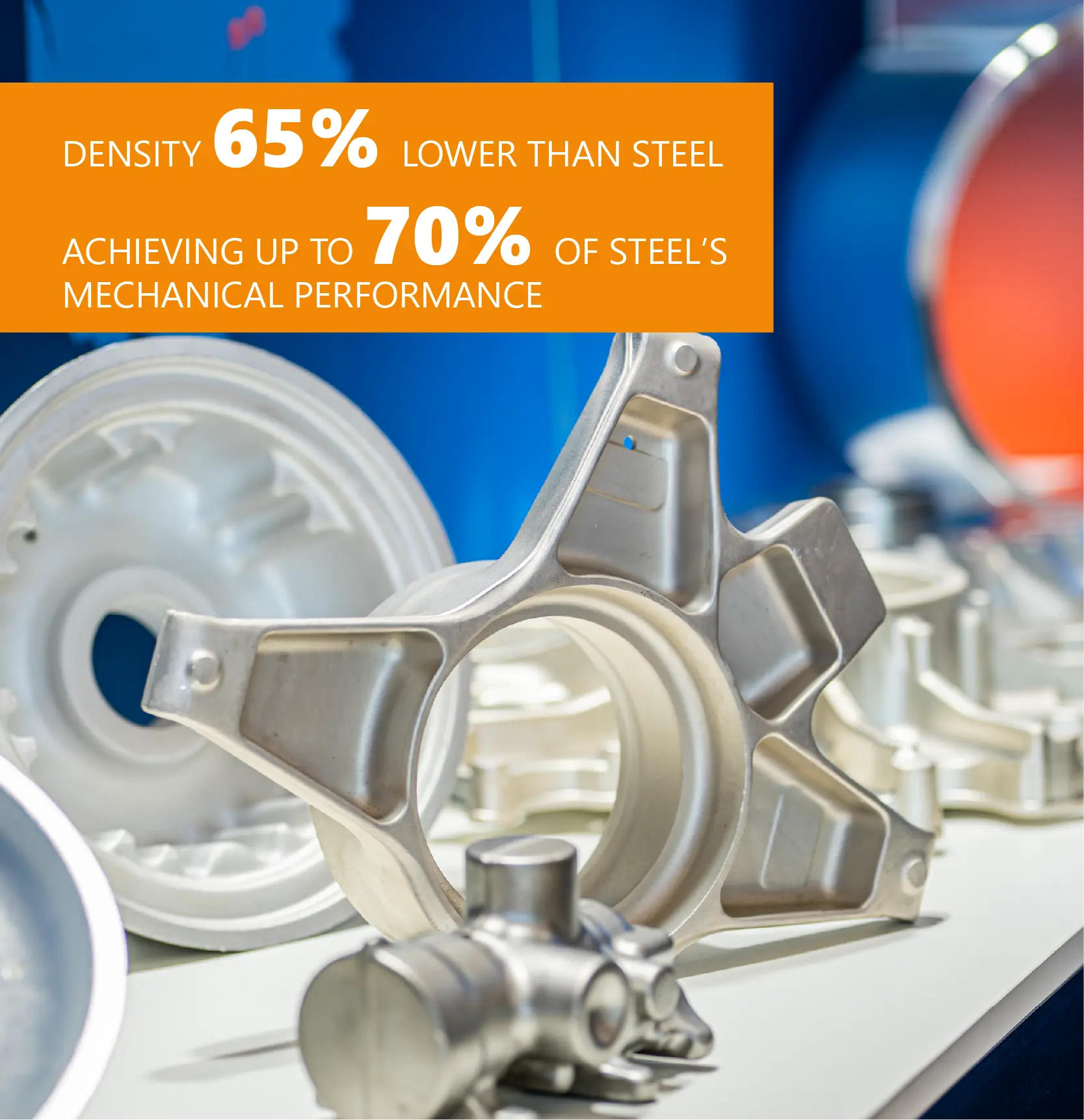
With a density of around 2.7 g/cm³, aluminum is roughly 65% less dense than steel and can, depending on the process, achieve up to 70% of steel’s mechanical performance. This makes it particularly suitable for applications where weight directly affects energy consumption, payload, or dynamic performance. Its low density offers substantial lightweighting potential, which design and sizing can tailor to each component’s strength, stiffness, and performance requirements.
Forging makes it possible to produce components with high mechanical properties and a material distribution tailored to highly loaded areas. Control of grain flow, alloy, and heat treatment helps achieve the strength and fatigue performance required for aerospace, automotive, and rail applications.
Geometries tailored to each application
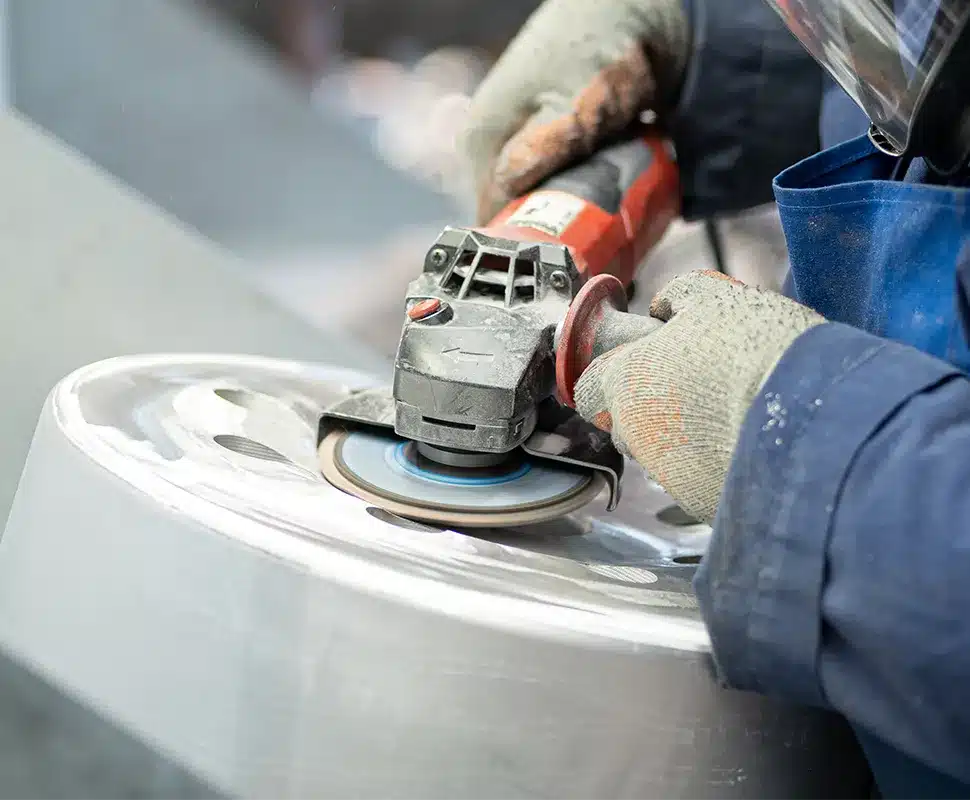
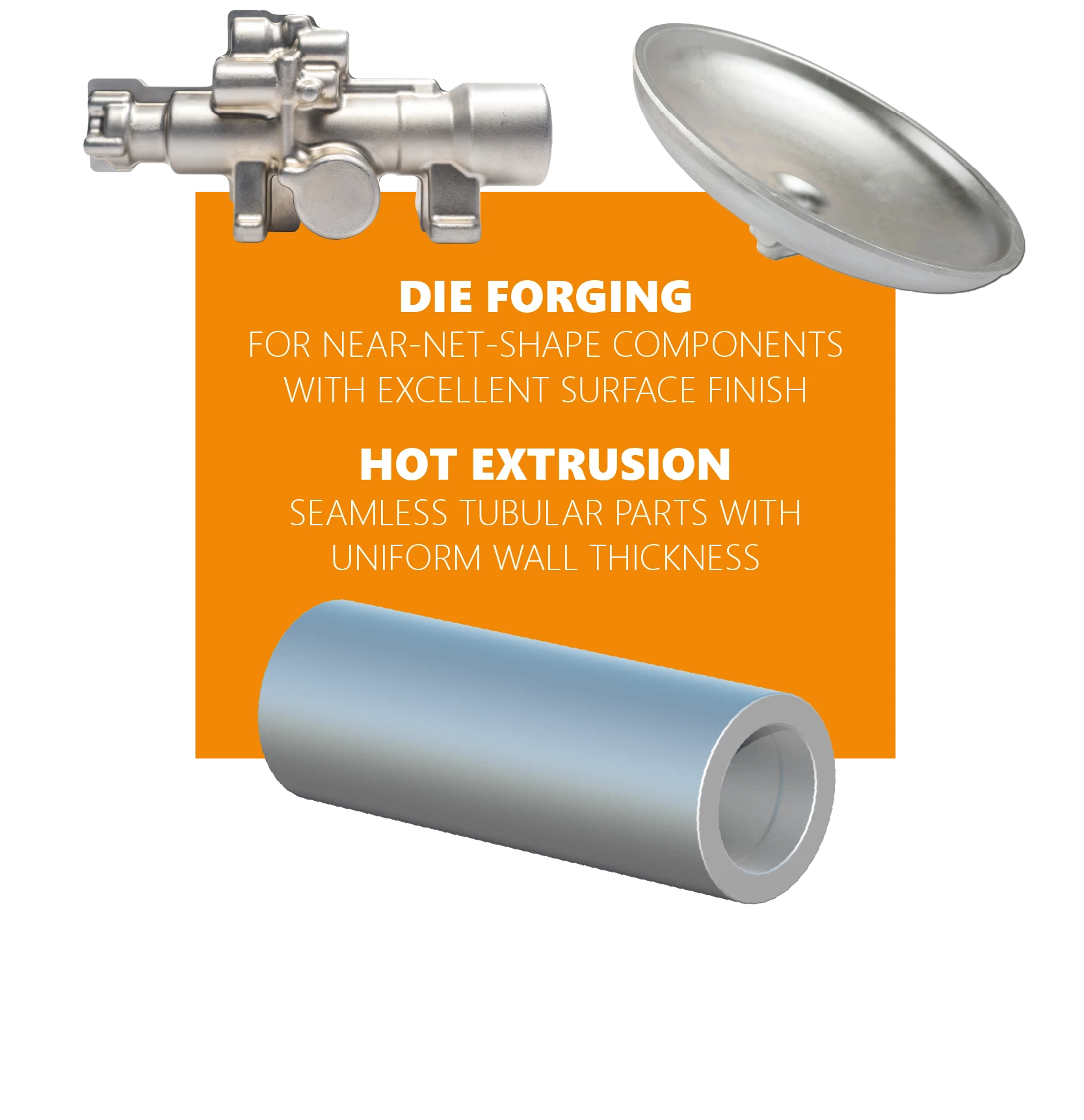
Die forging produces complex blanks close to the final geometry, with variations in cross-section and targeted material distribution. Extra stock is retained on surfaces requiring precise tolerances or surface finishes, then removed during machining. Hot extrusion complements this capability for the production of elongated, hollow, or tubular parts.
Combining these processes allows the manufacturing approach to be tailored to the geometry, production volume, and required performance, from aerospace prototypes to specialized automotive production runs.
Corrosion resistance matched to the environment
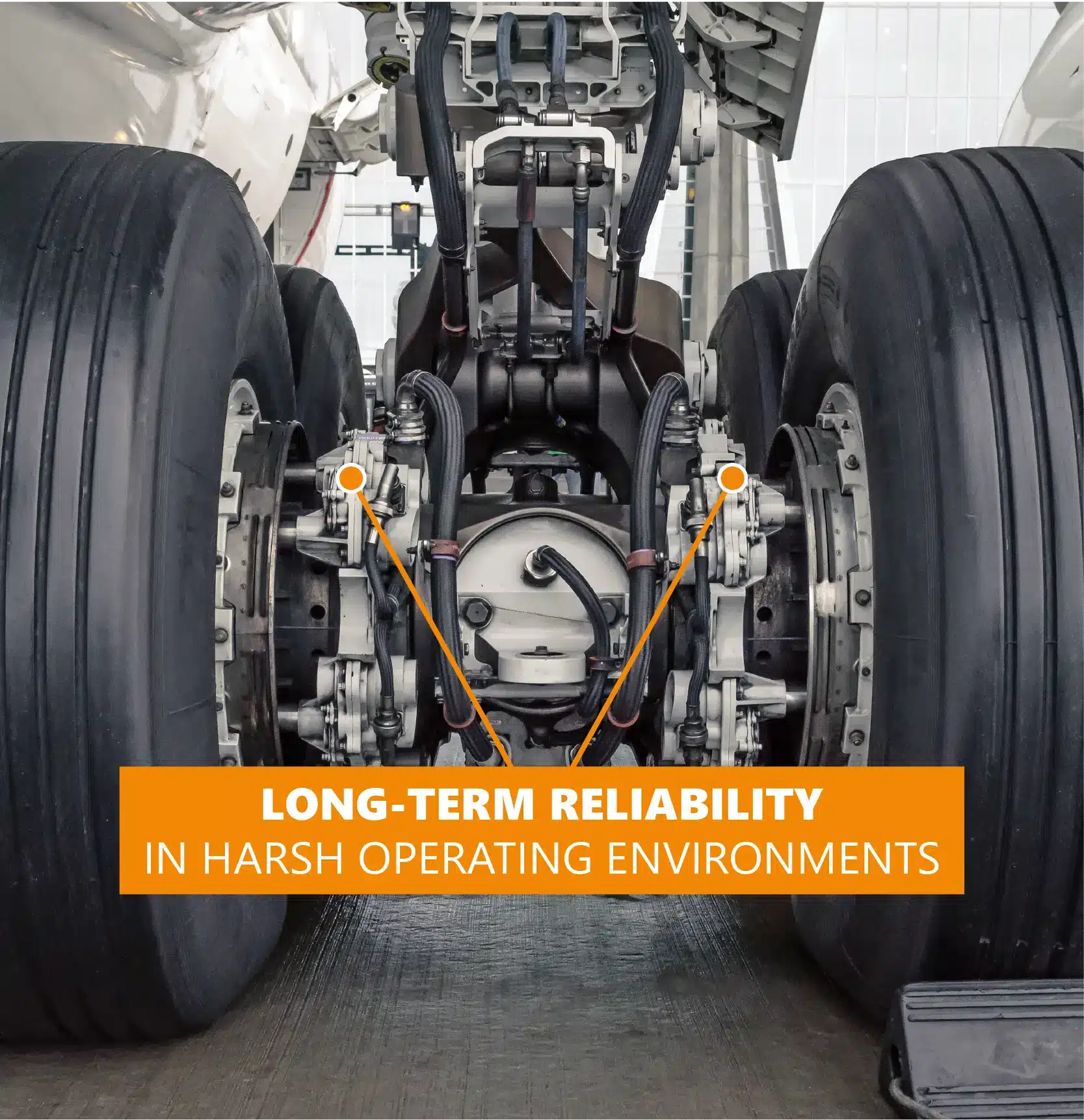
Certain aluminum alloy series naturally form a thin oxide layer that provides effective protection in many environments. Selecting the grade, metallurgical condition, and any surface treatments then allows this resistance to be tailored and enhanced according to service conditions, particularly where moisture, salts, or chemicals are present.
Heat-treatment selection must also strike a balance between mechanical strength, toughness, and susceptibility to stress-corrosion cracking. This optimization is especially important for aerospace, marine, energy, and automotive applications exposed to harsh environments.
Industrialization backed by simulation
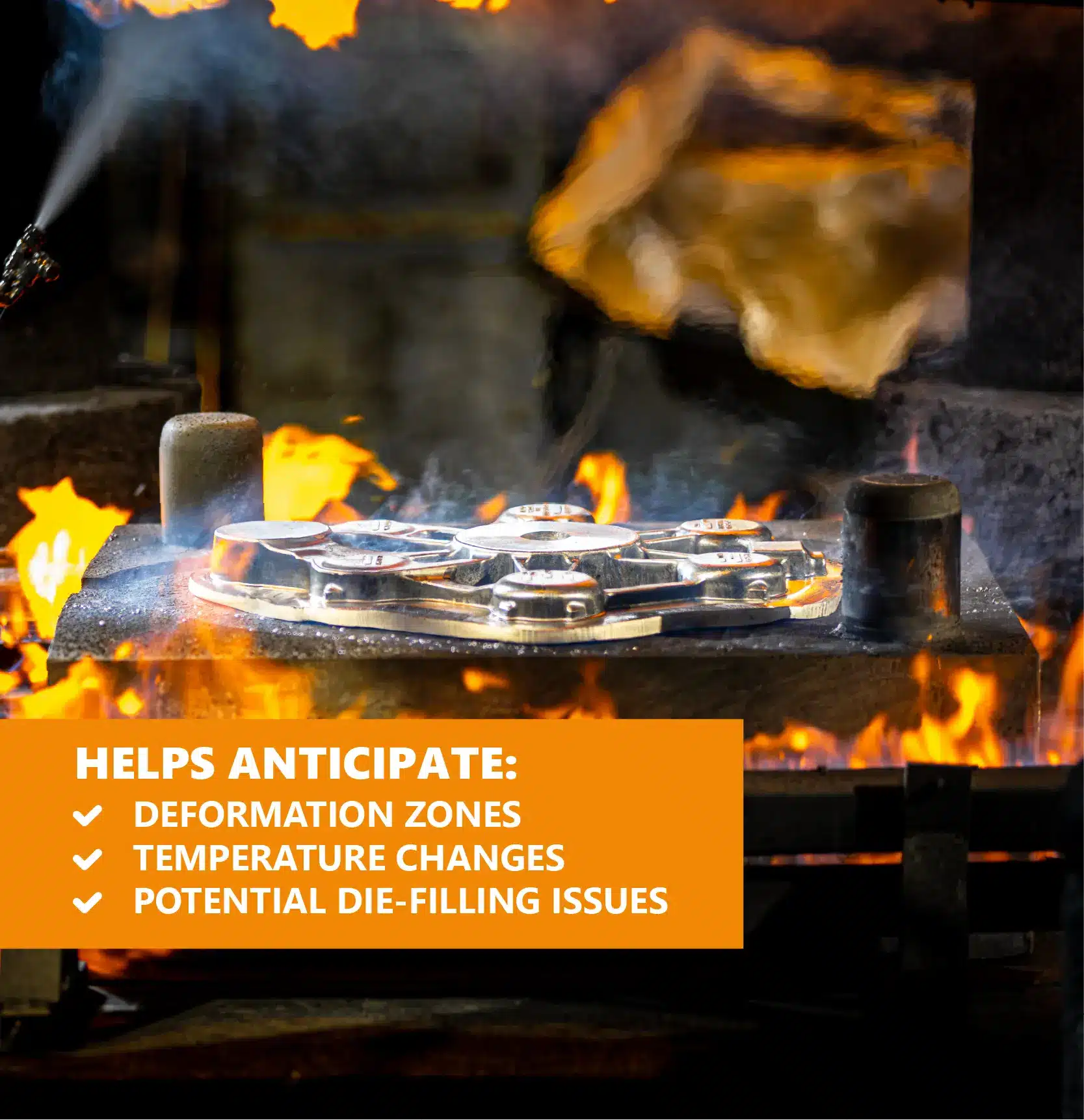
Material-flow simulation using finite element analysis helps define the key aspects of the forming process before production begins. It helps anticipate deformation zones, temperature changes, and potential die-filling issues.
Custom tooling design and in-house expertise facilitate geometry adjustments, prototyping, and progressive process optimization. This approach helps reduce industrial risks and maintain the quality levels required for critical aerospace and automotive applications.
ALUMINUM FORGING AT SETFORGE
Setforge has two companies specializing in aluminum forging: Setforge La Clayette for die-forging applications and Setforge Bouzonville for advanced hot extrusion processes. Both sites are EN 9100 certified, ensuring compliance with aerospace quality standards for critical applications. Our combined capabilities handle components weighing up to 200 kg, supported by hydraulic presses, specialized thermal-regulation systems, and custom tooling optimized for all aluminum alloy series.
Our comprehensive quality systems include NADCAP Heat Treating and NADCAP Non-Destructive Testing certifications, enabling complete in-house processing from raw material to certified finished components. Advanced heat-treatment capabilities cover solution treatment, quenching, and aging, optimized for each aluminum alloy system, while certified non-destructive testing, including fluorescent penetrant inspection (FPI S2, S3), ensures internal and surface integrity. This integrated approach provides full traceability and documentation, essential for aerospace, energy, and specialized automotive applications requiring comprehensive verification of material properties.
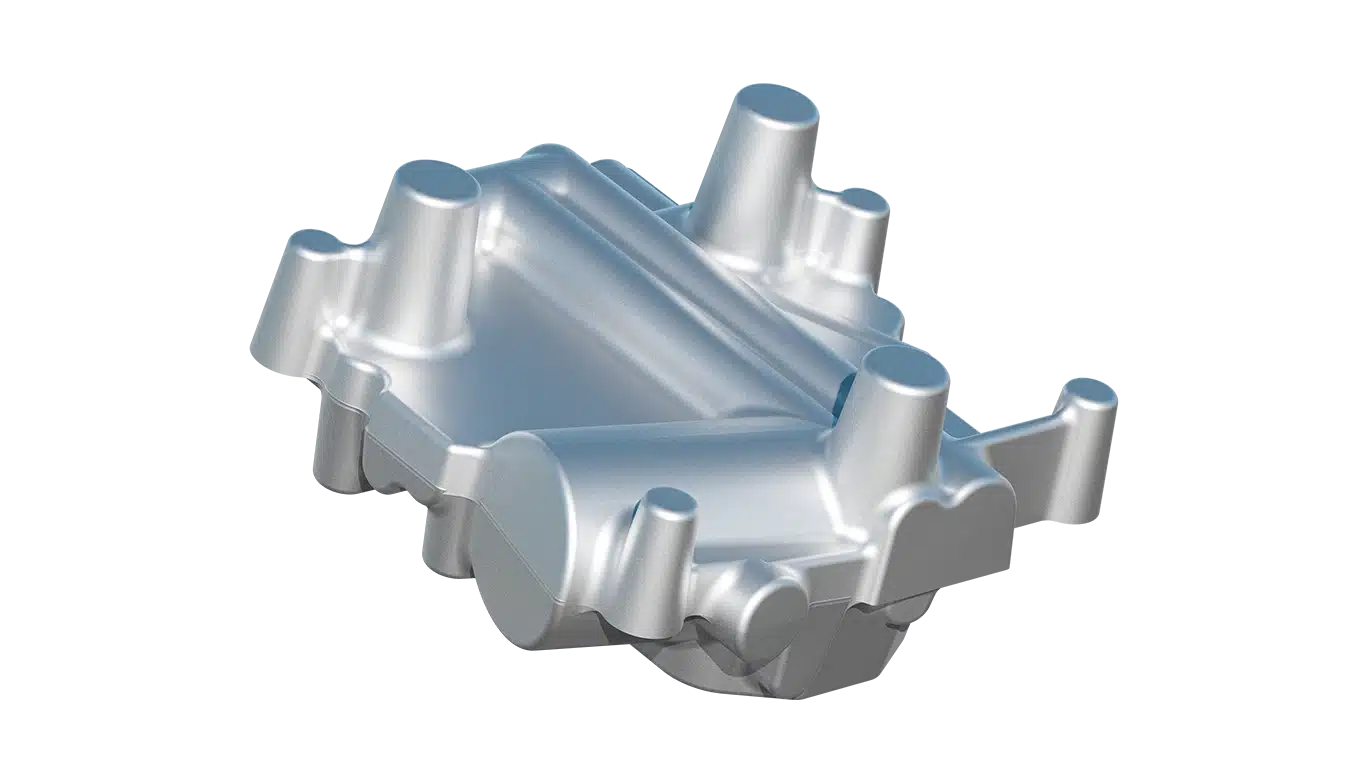
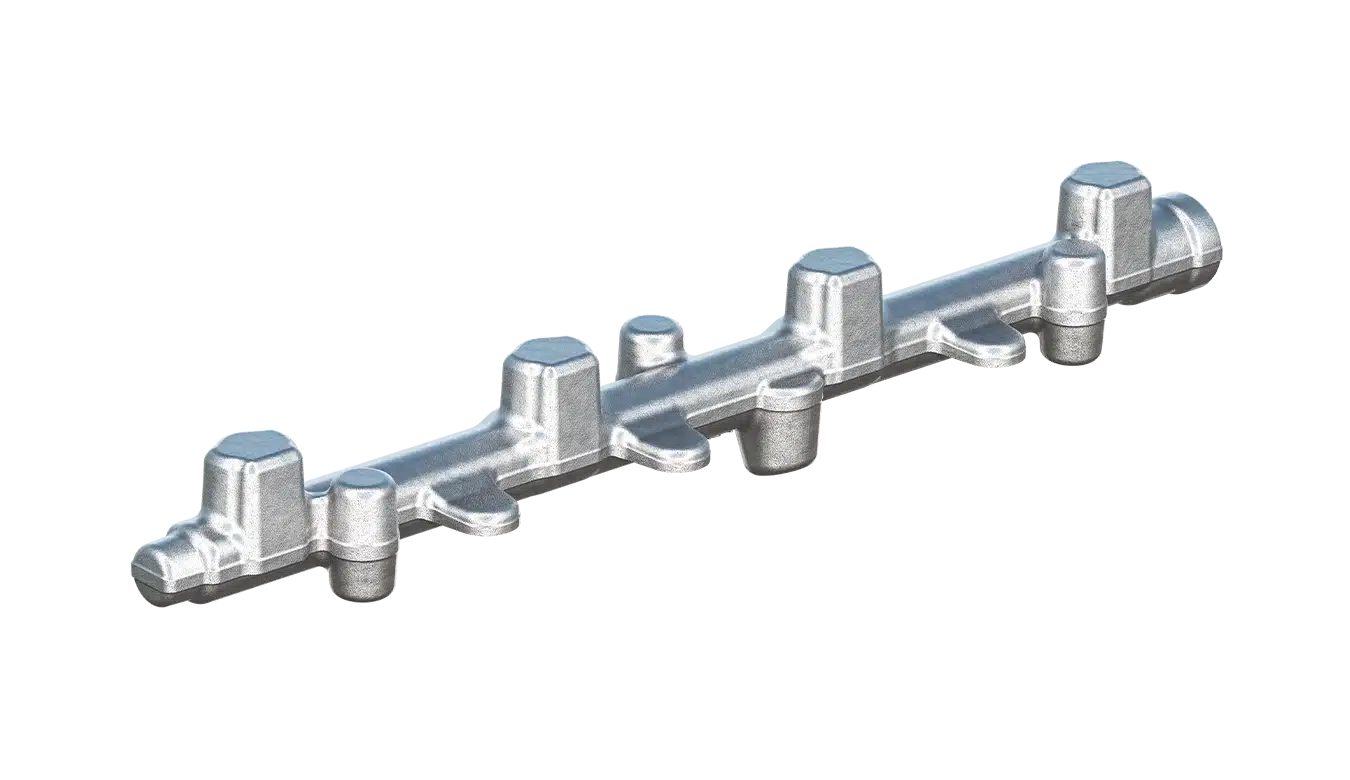
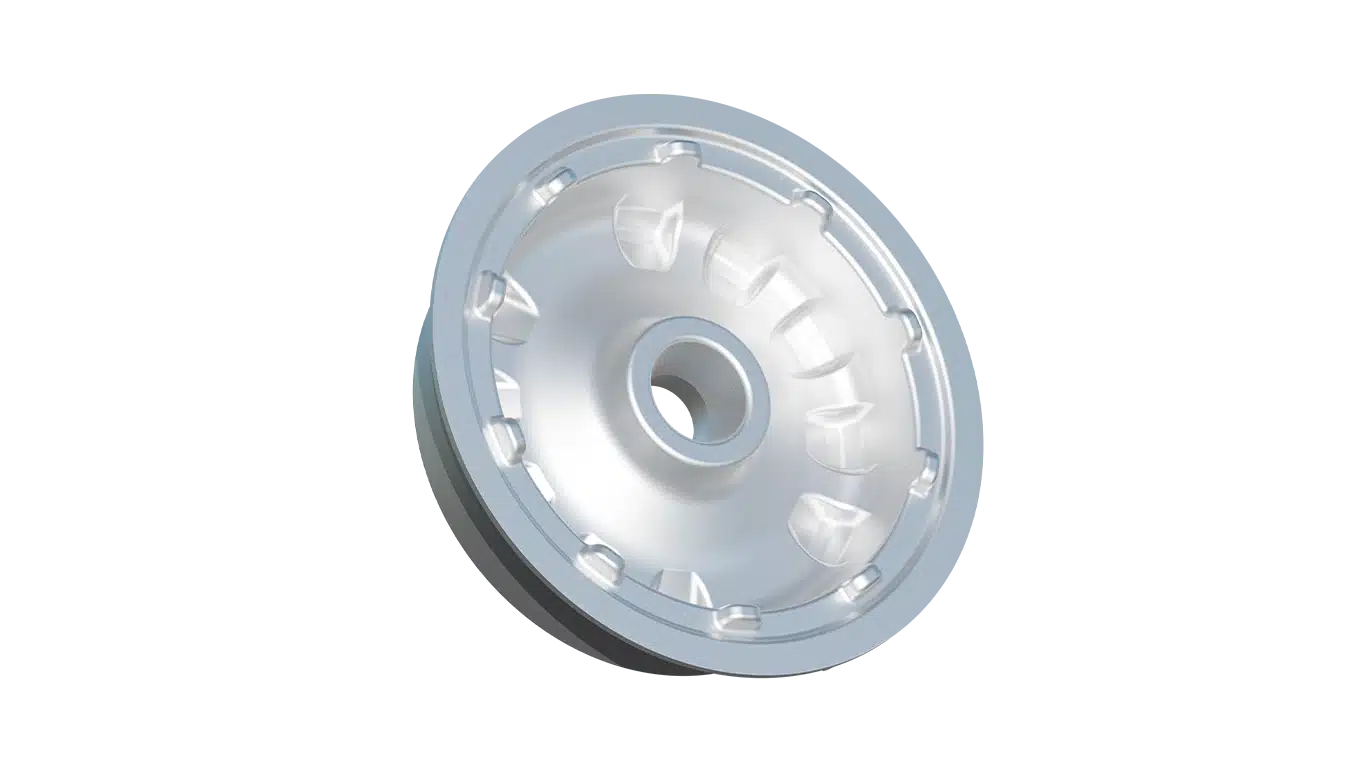
HYDRAULIC BODY
Aluminum
Energy
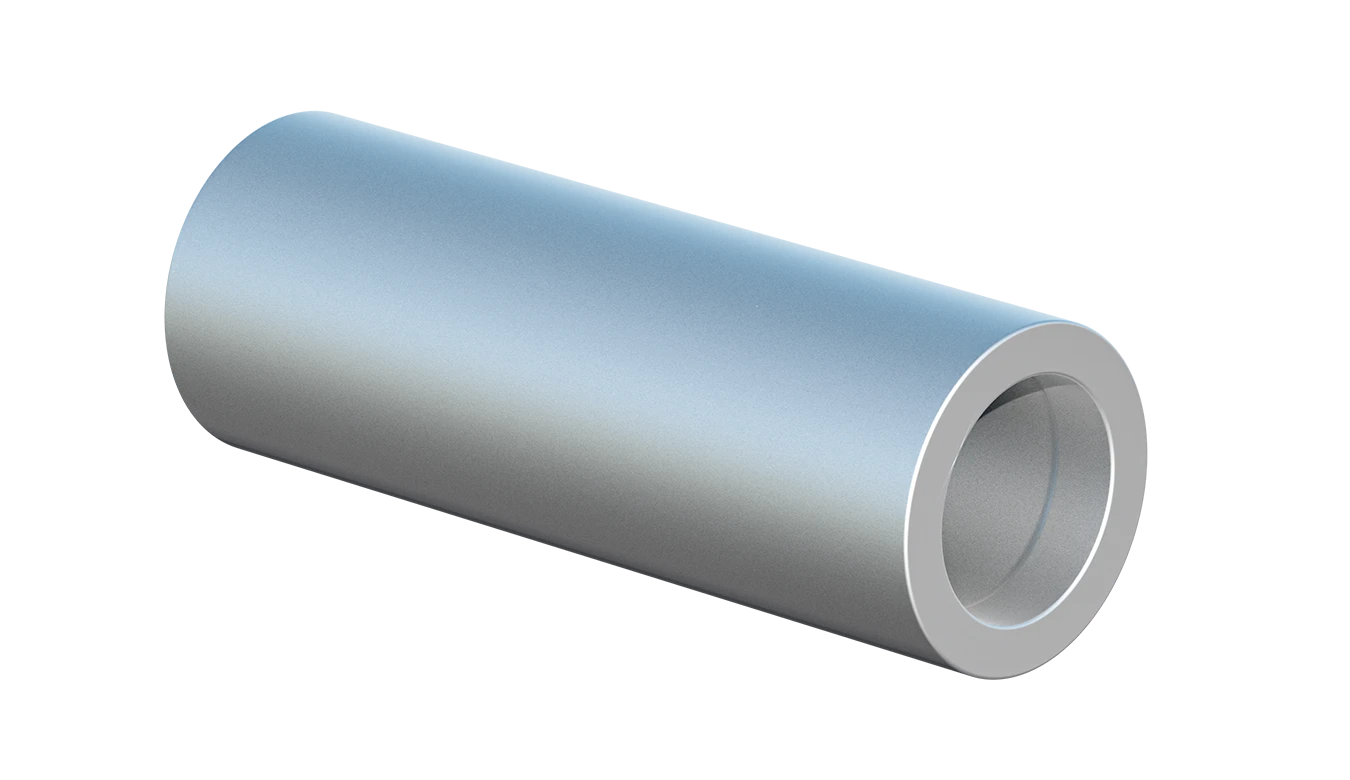
TUBE
Aluminum
Aerospace
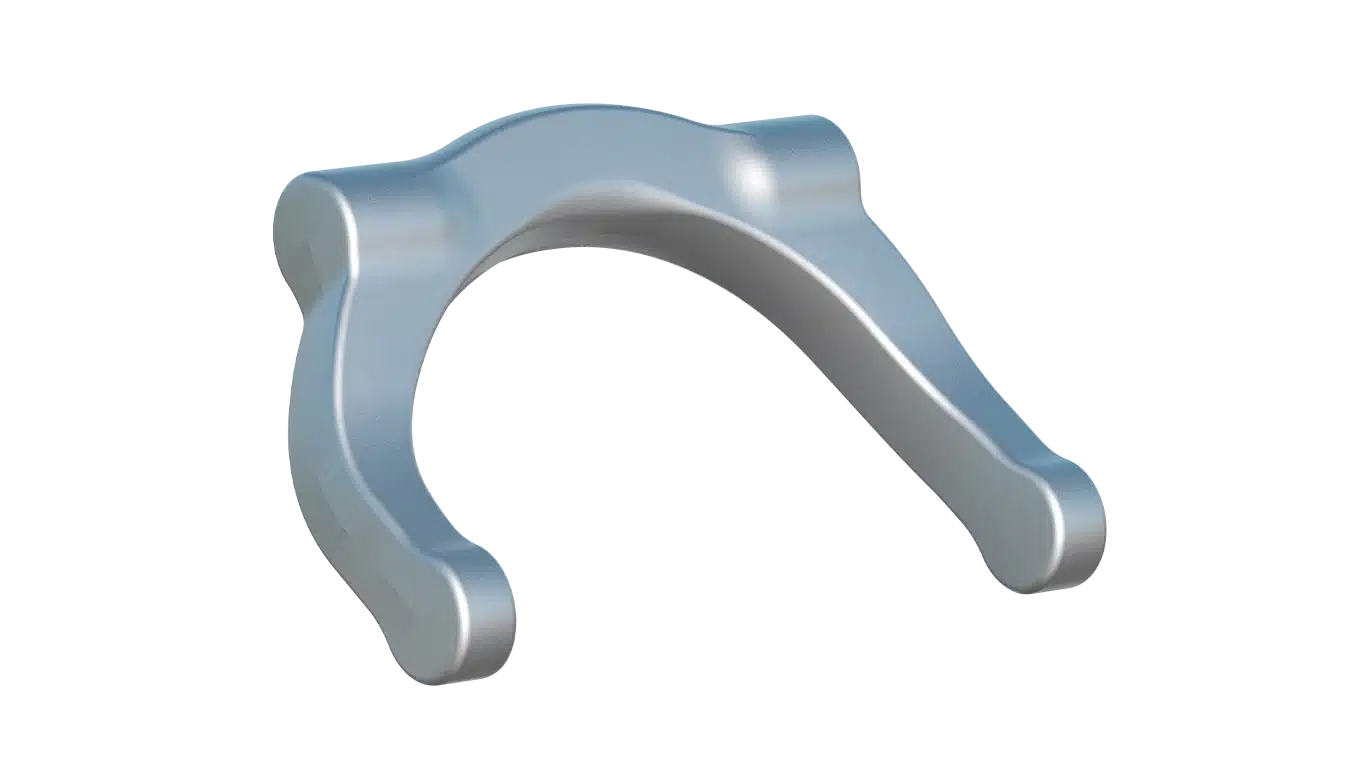
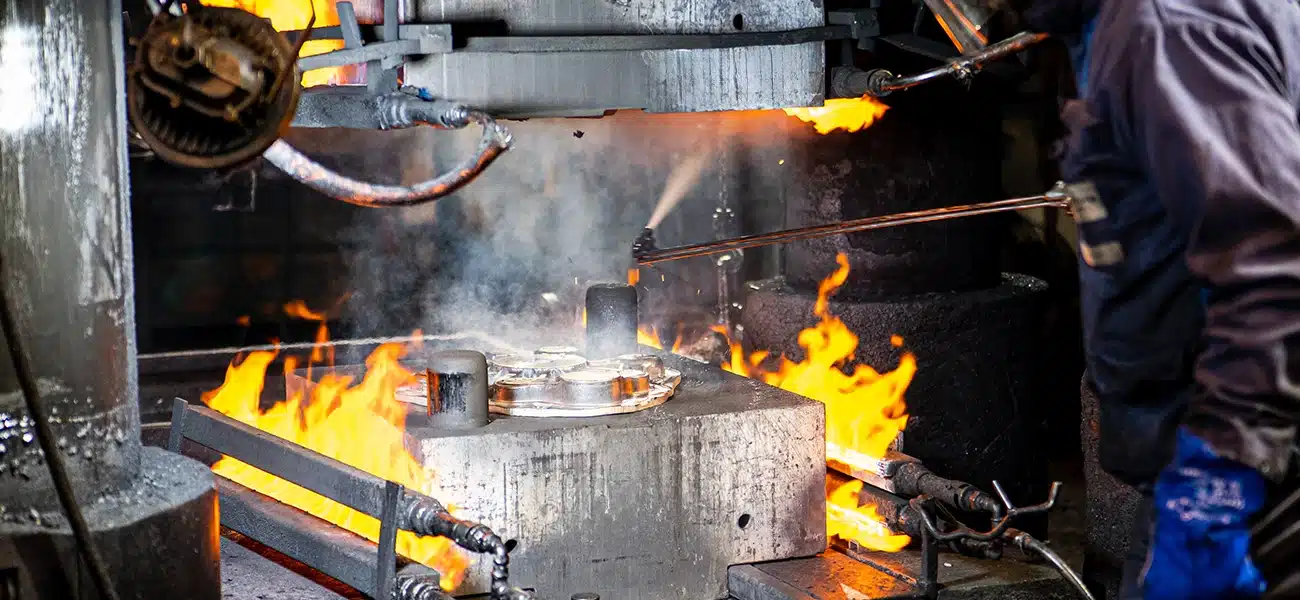
SUSPENSION ARM
Aluminum
Railway
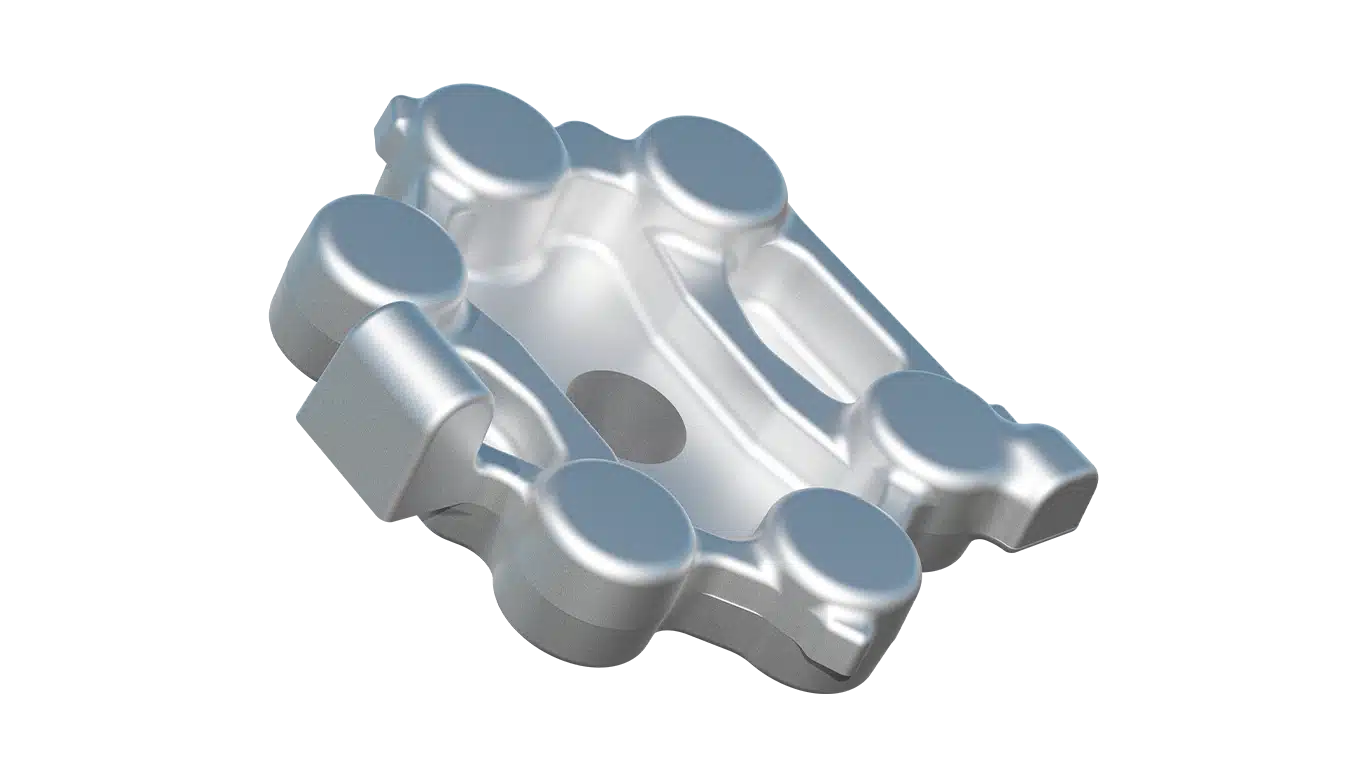
PISTON HOUSING
Aluminum
Helicopter
WOULD YOU LIKE TO KNOW MORE?
LET’S TALK ABOUT IT!
OUR FORGING PROCESSES
Setforge forges parts from 0.1 kg to 1,500 kg across the full range of closed-die forging processes. A breadth of capability that is, quite simply, unique in the market. From prototype to high-volume automotive production, our approach goes well beyond the forge itself: we work alongside our customers from the earliest stages of co-development through to finishing operations, covering every step of the journey from design intent to finished part.
Deep dive into the geometries we forge !
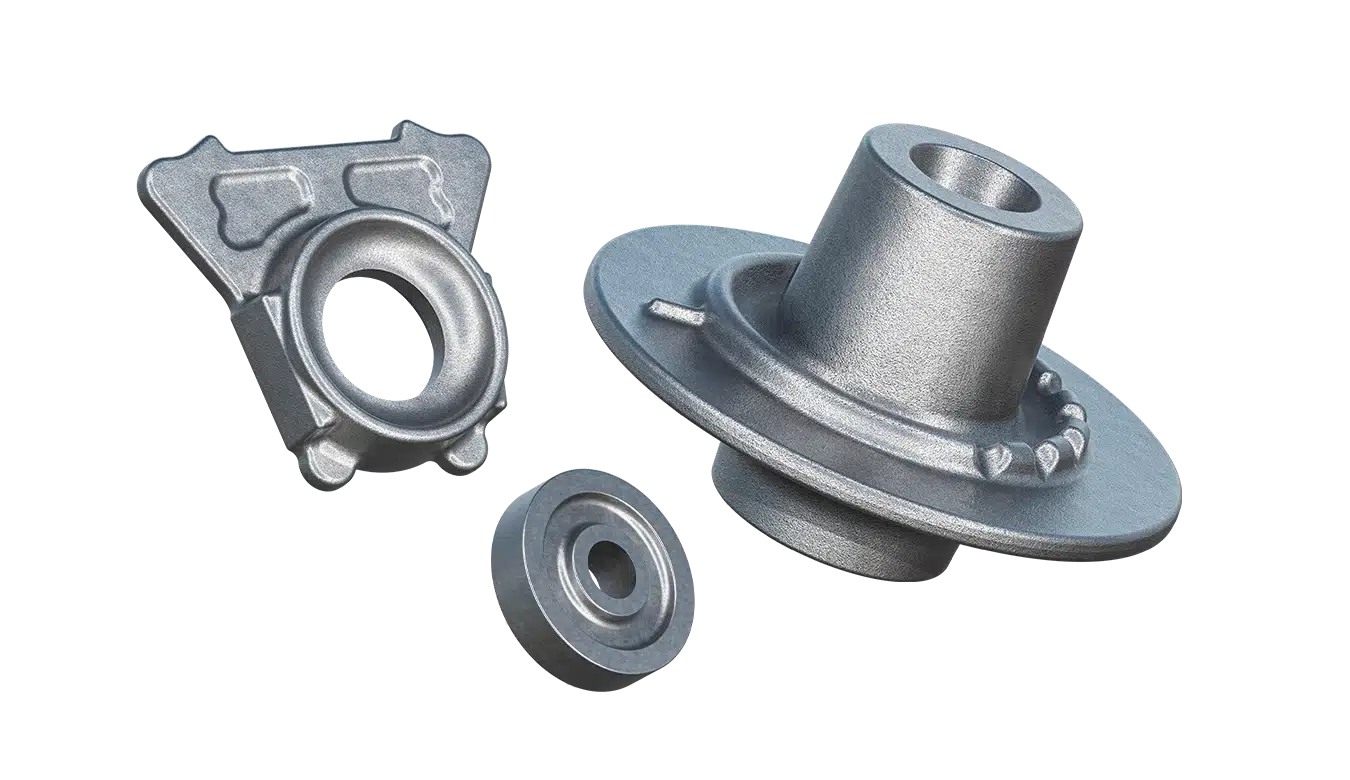
HOT FORGING
From 0.2 kg to 1,500 kg
Suitable for a wide range of complex shapes. Max weight: Steel 1,500 kg | Stainless Steel 1,400 kg | Ti and Ni-based 200 kg.
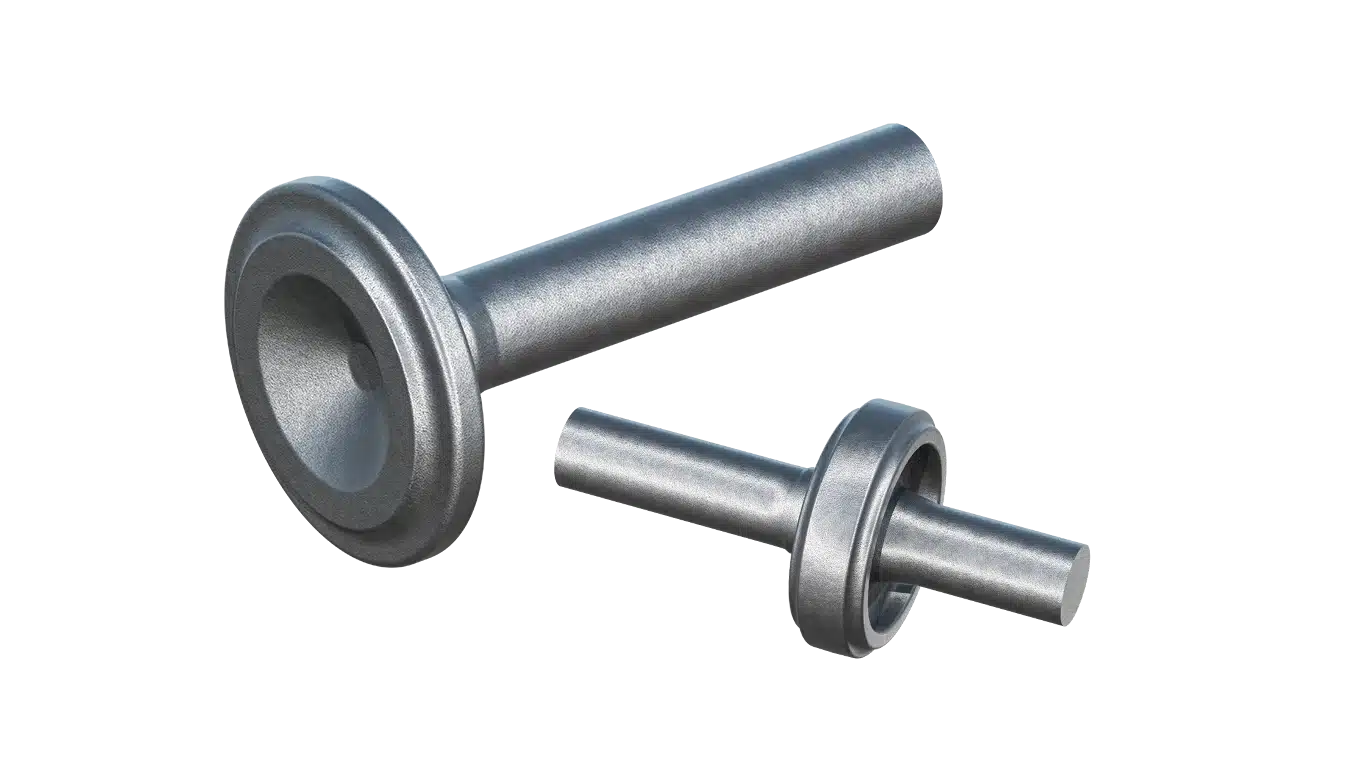
ELECTRICAL UPSETTING
From 0.1 kg to 200 kg
Long parts with flange up to 1,200 mm length, flanged diameter up to 450 mm and initial bar diameter up to 130 mm.
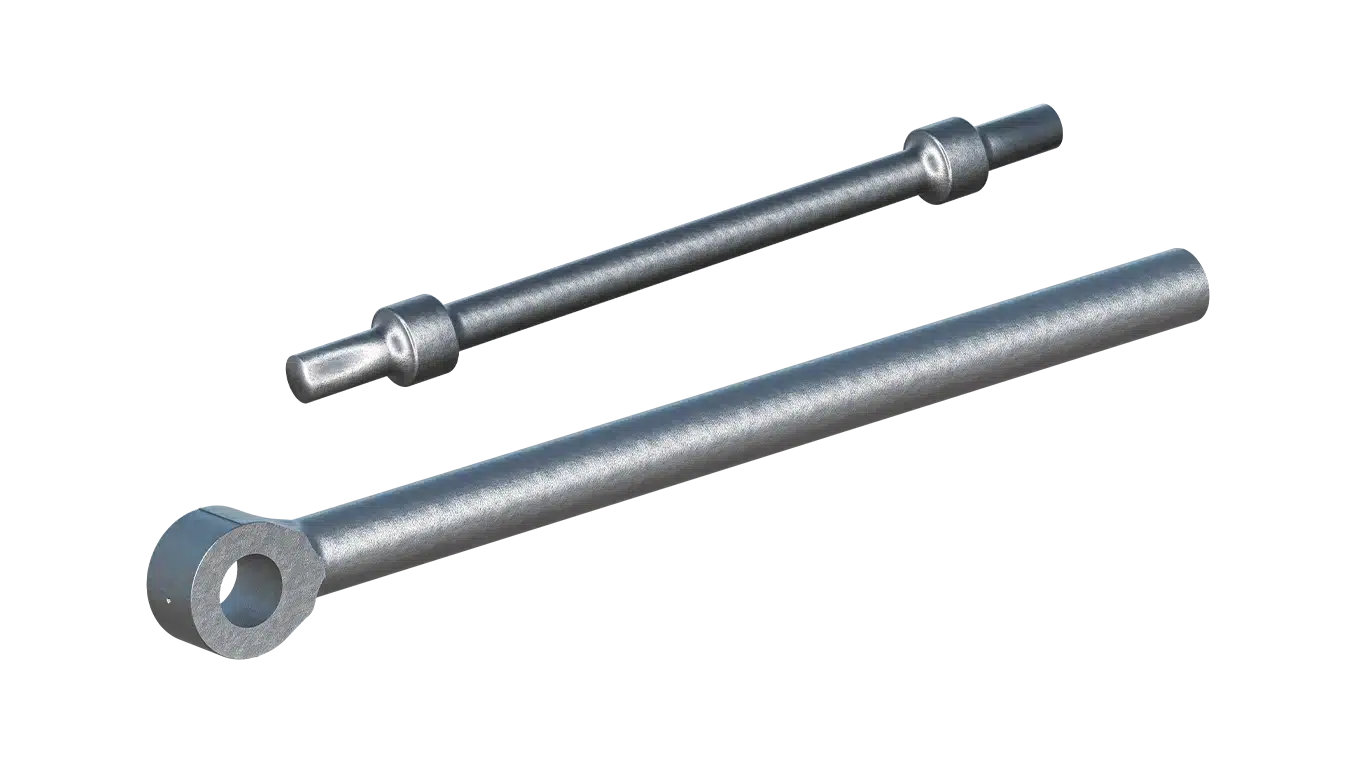
UPSET FORGING
From 2 kg to 600 kg
Long parts with complex head geometry up to 5,000 mm length, head diameter up to 400 mm and initial bar diameter up to 170 mm.
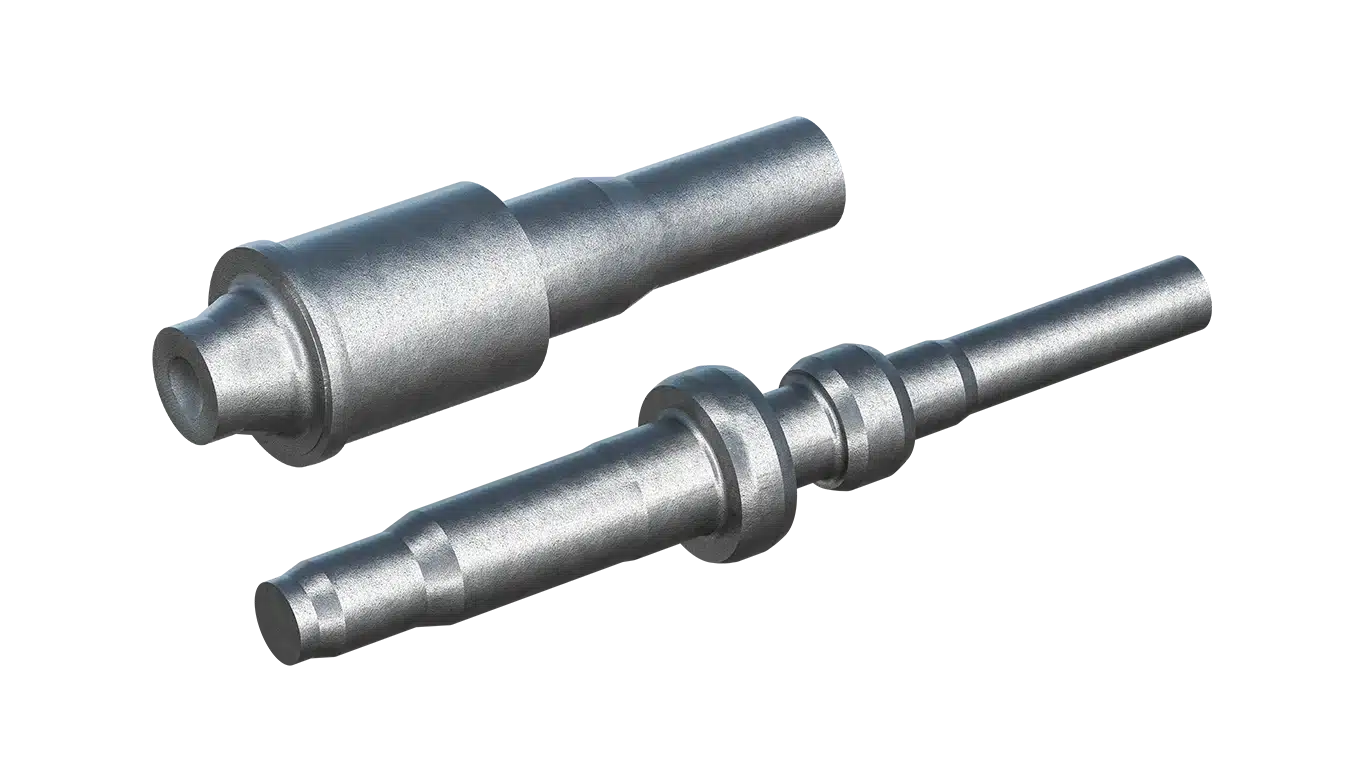
COLD FORGING
From 0.3 kg to 25 kg
Various shafts or long parts with max diameter up to 120 mm and 800 mm length.
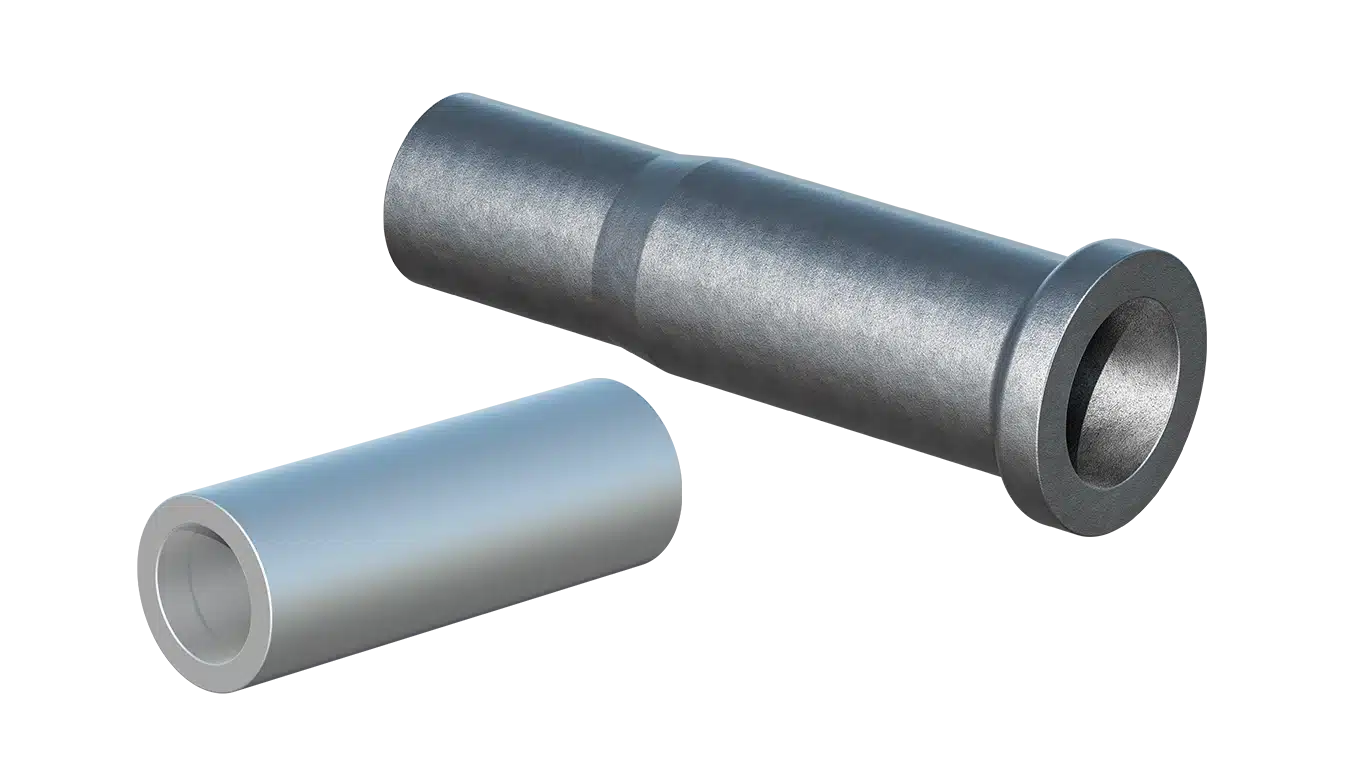
HOT EXTRUSION
Up to 1,500 kg
Tubular and shaft profile, straight or shaped, with or without hot piercing with O/D max 500 mm and length max 1,700 mm.
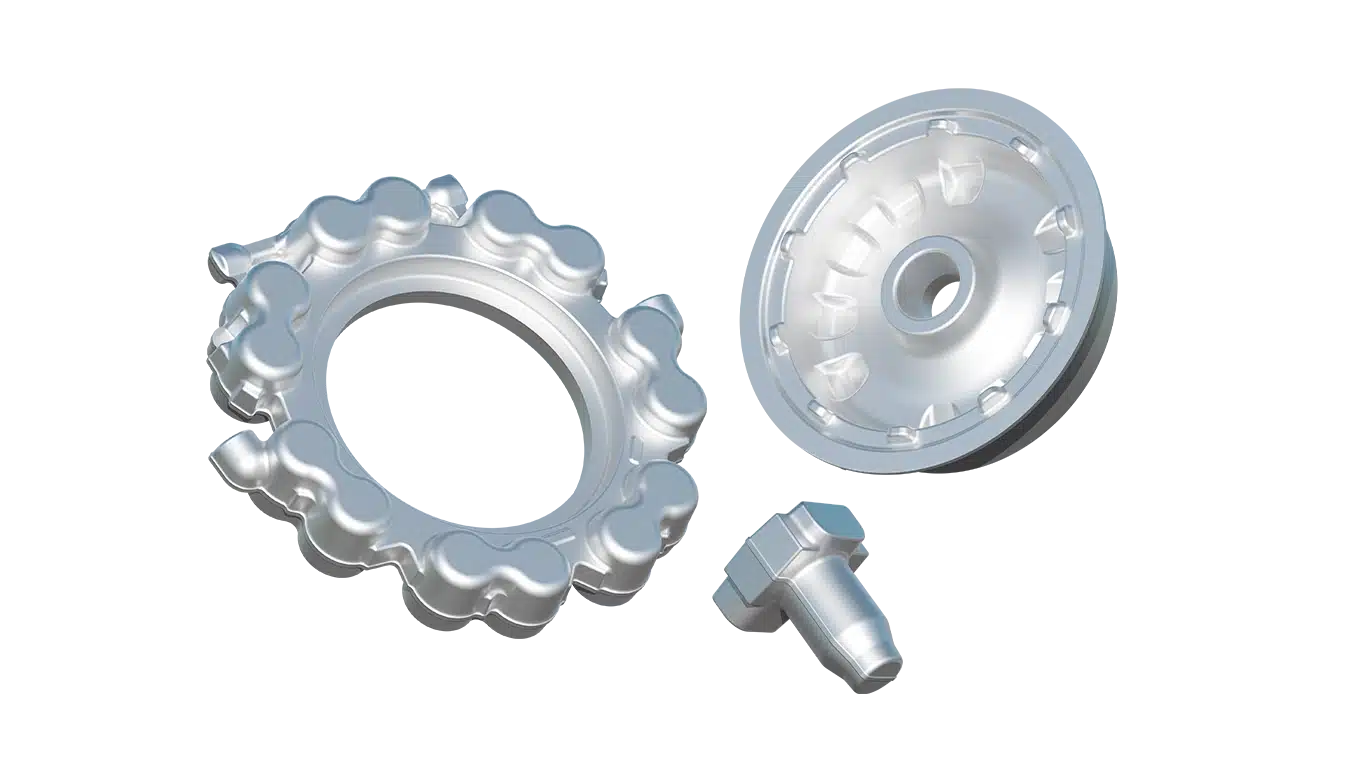
ALUMINUM FORGING
From 0.1 kg to 200 kg
Suitable for a wide range of complex shapes from the 1XXX to the 7XXX series depending on shape geometry.
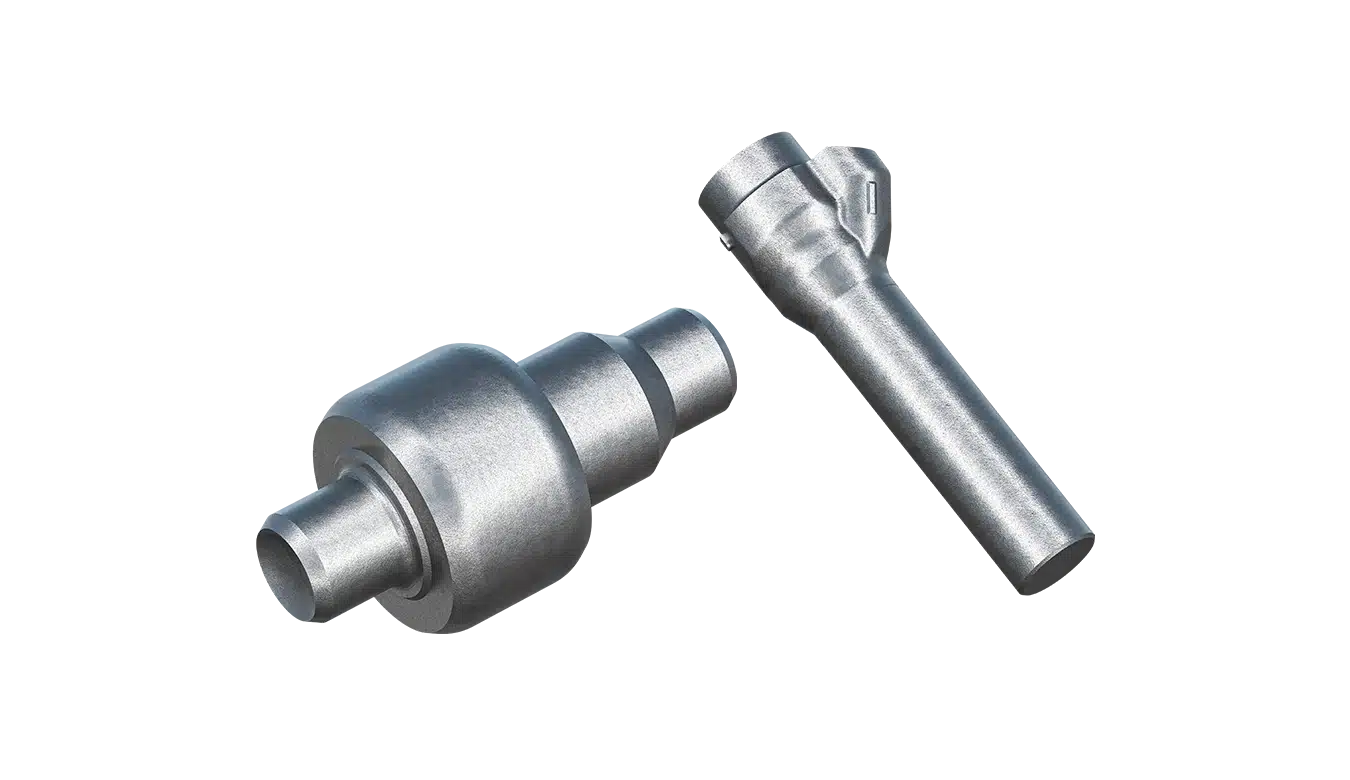
WARM FORGING
Up to 4 kg
Various parts with diameter up to 130 mm and length up to 450 mm.
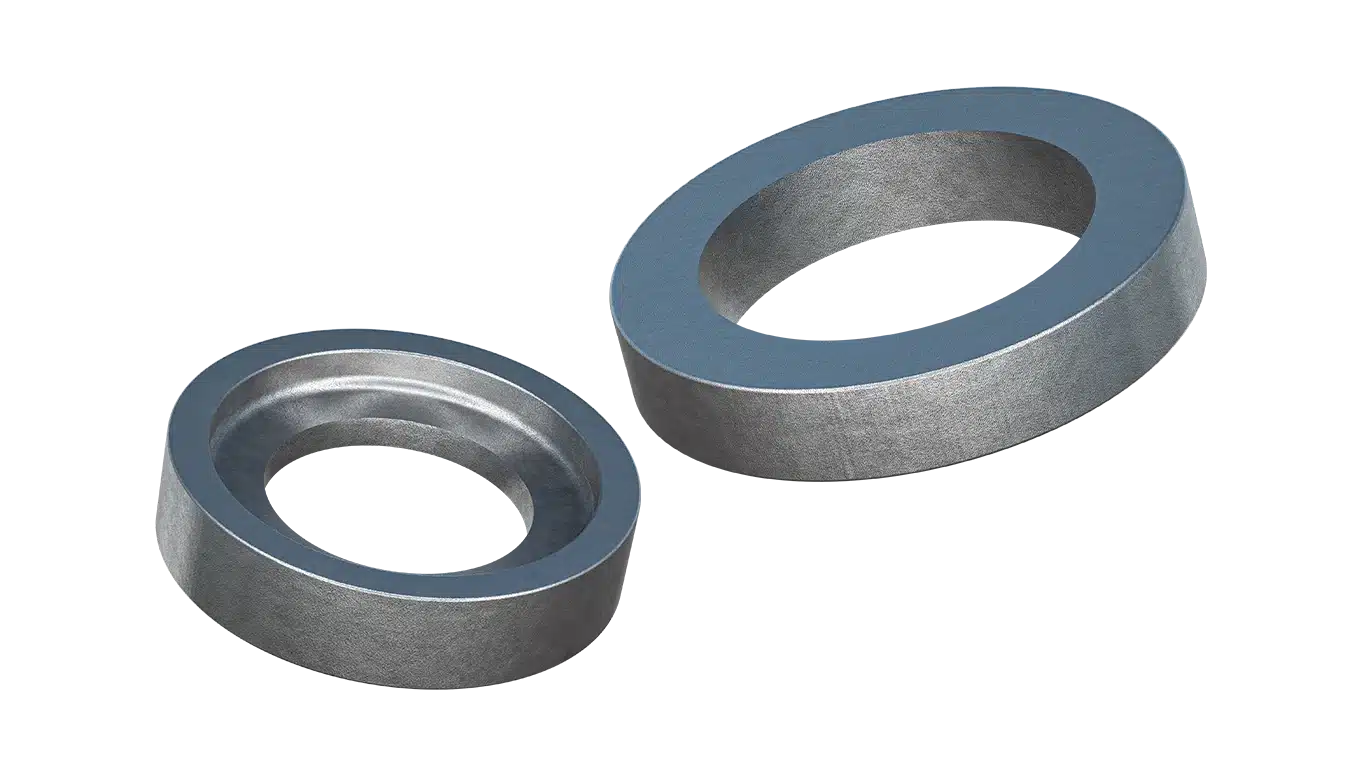
RING ROLLING
Up to 12 kg
Rings and crowns with various cross section geometries up to 250 mm diameter.
A 360° APPROACH
Over the years, we have developed genuine expertise across every discipline that a forged component requires: from early-stage engineering and tooling design to heat treatment and machining operations. Each of these capabilities has been built up through real industrial experience, working closely with OEMs, international Tier 1 suppliers, and machining partners. The result is a partner who understands the full chain, anticipates the constraints at each step, and stays involved from the first technical discussion to the final delivery.
Explore the full range of our capabilities !
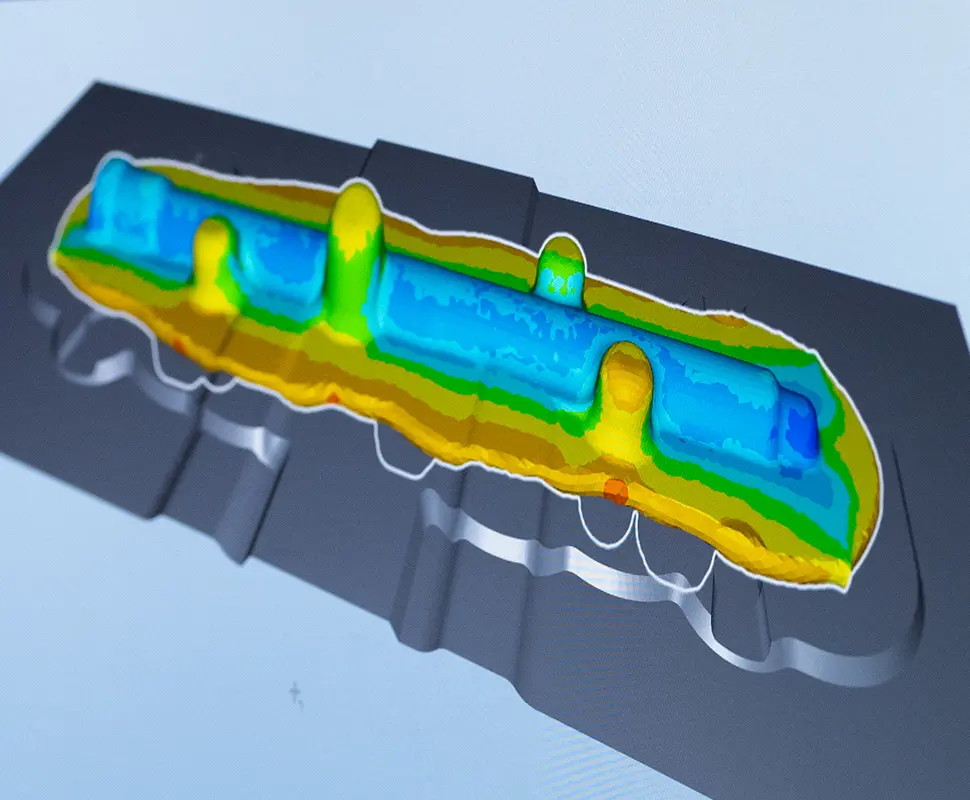
On our Blog
Cold forging vs. Hot forging: which process fits your part?
31/07/2026
Forging is a manufacturing process, which shapes a solid-phase metal workpiece by applying compressive forces on it.
Read More
Developing a quality warm forging process
10/03/2026
Thanks to the automotive industry and its continuous development towards better, lighter and more cost efficient components, warm forging has gained greater importance. Alone or as a part of specia...
Read More
The undoubted advantages of the process
10/03/2026
Forging is classified in hot, warm and cold, according to the temperature at which is performed.
Read More