
A unique diversity of know-how
Electrical Upsetting
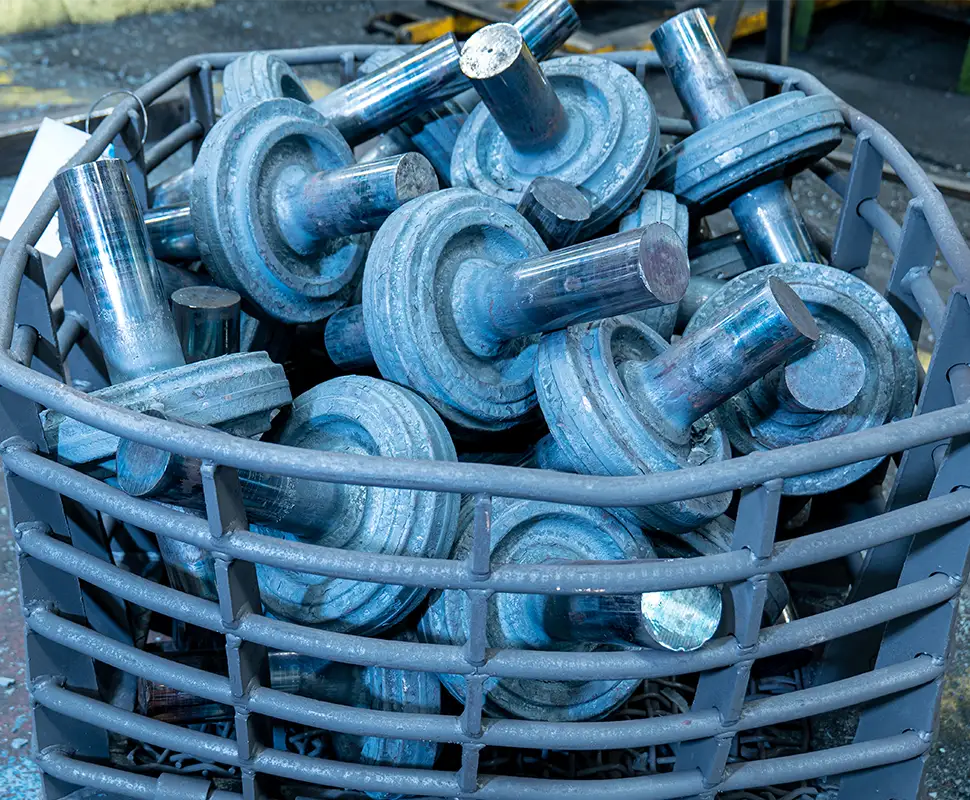
Electrical upsetting is a metal forming process that combines localized electrical resistance heating with hydraulic pressure. It creates a local increase in cross-section in a specific area of a bar to produce one-piece components with substantial variations in diameter. The technology is particularly suited to manufacturing flanged shafts, transmission components, and elongated parts requiring significant local material accumulation. Grain-flow continuity and targeted metal distribution help achieve high mechanical integrity and optimized material usage.
Conventional processes often require starting from a large-diameter bar and machining away a significant amount of material, or welding several elements together. Electrical upsetting directly forms a preform matched to the target geometry, reducing material waste and secondary operations. Depending on the part’s configuration, this process allows a length of material up to 20 times the bar’s initial diameter to be engaged in the forming process. This capability enables geometries that are difficult to achieve through conventional mechanical upsetting and allows different families of materials to be processed, including carbon steels, stainless steels, titanium alloys, and nickel-based superalloys.
a localized deformation
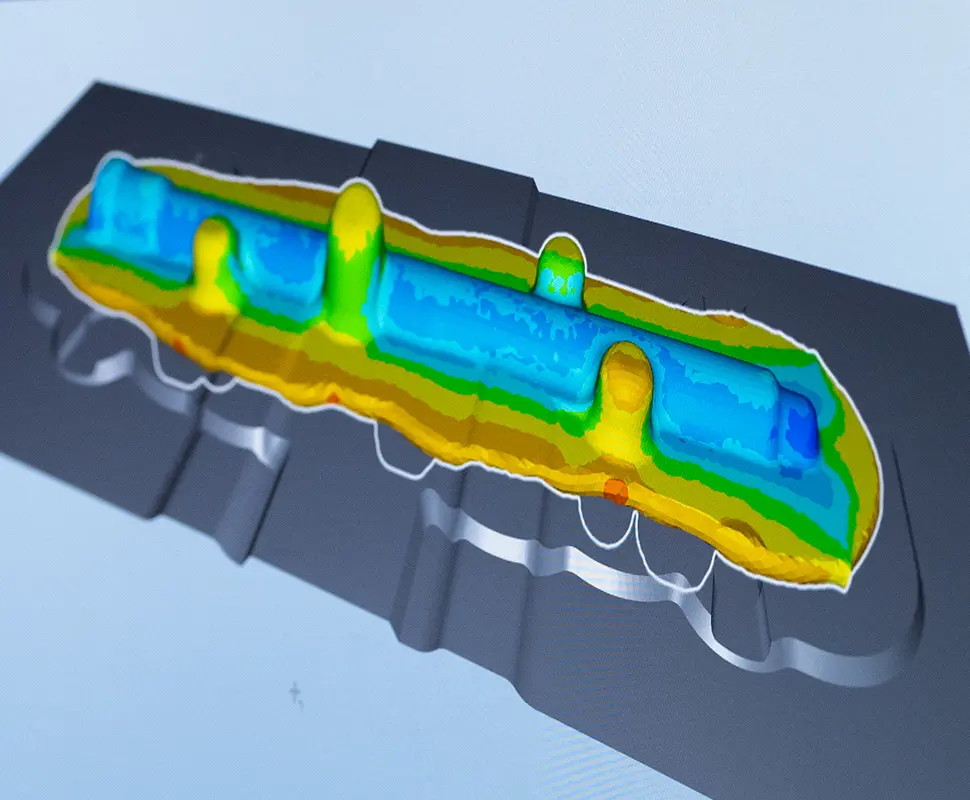
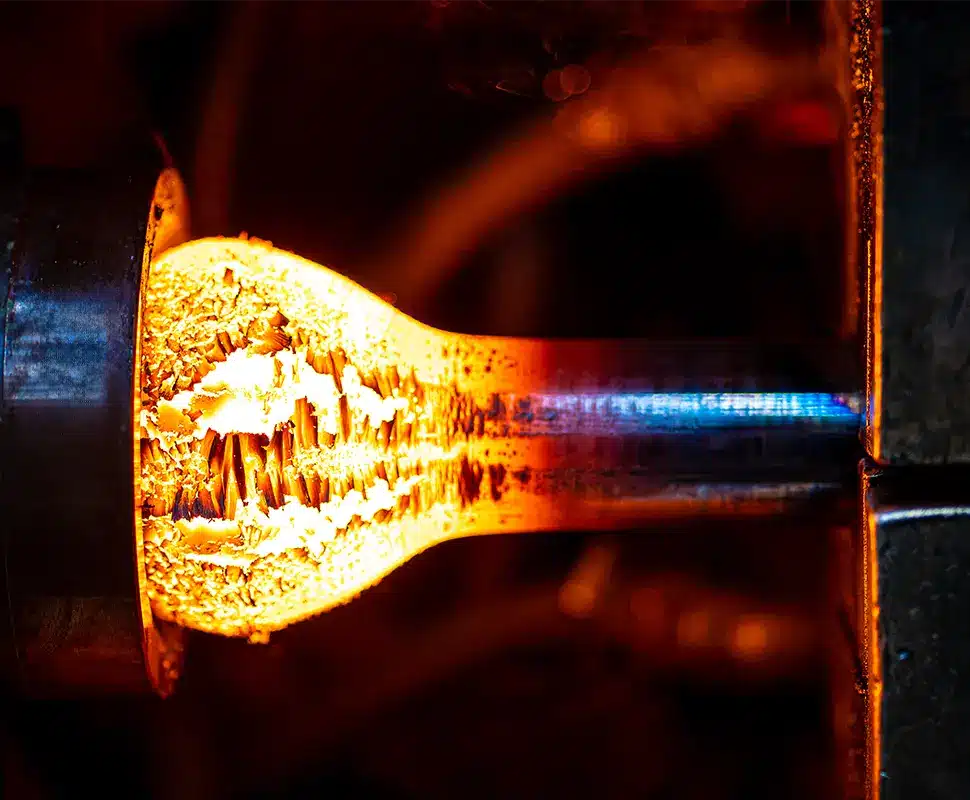
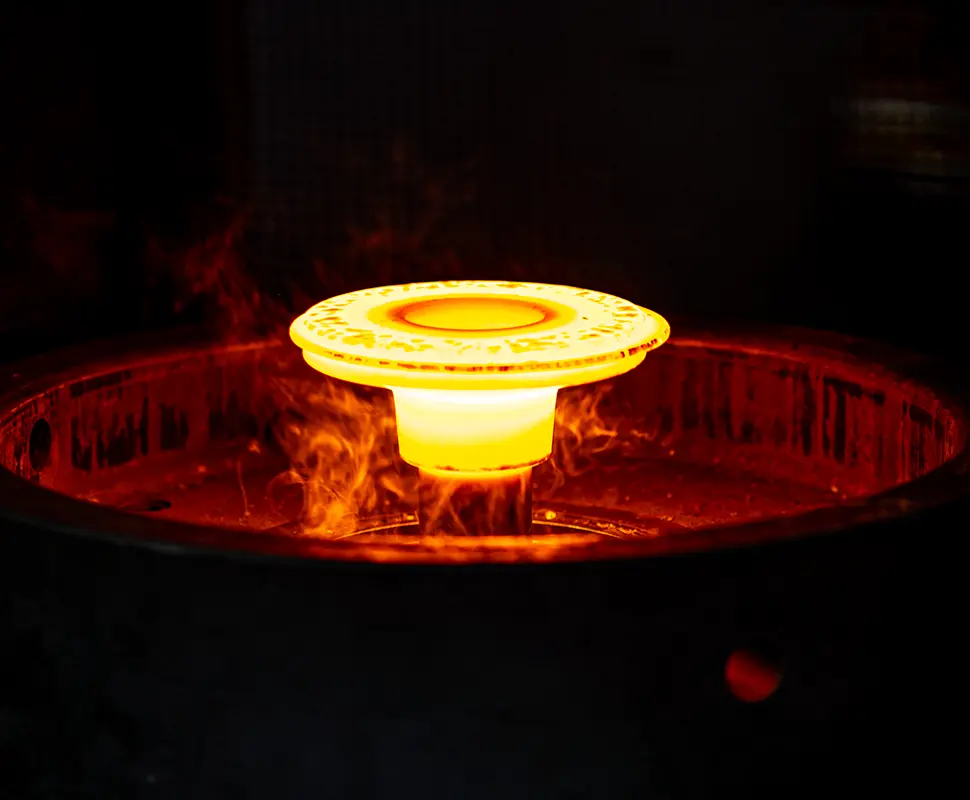
A high-current, low-voltage electric current flows through the bar between two contacts: the anvil and copper contact jaws. The material’s resistance generates localized Joule heating until the temperature required for deformation is reached. The simultaneous action of localized heating and combined hydraulic control forms a zone of increased diameter. The resulting preform is then transferred to the dies for one or more forging operations.
Electrical upsetting allows material to be engaged over a length of up to 20 times the bar’s initial diameter, compared with a maximum of 3 times for conventional upsetting. This facilitates the production of long parts combining a small diameter with a large flange.
Setforge capabilities
Small, medium and high production volume
Steel, Stainless steel, alloy steel, micro-alloy steel, Ni-based alloys, titanium alloys
From 0.1 kg up to 200 kg
Length up to 1200 mm
Bar diameter range 10–130 mm
Deformation ratio up to x20 vs initial diameter
Manufacturing Process
Electrical upsetting can be applied to a wide variety of materials, such as carbon and alloy steels, stainless grades, and various non-ferrous metals, including titanium alloys. Bar surfaces must be free of scale to ensure consistent electrical contact. Well-controlled material preparation promotes current flow, heating stability, and preform consistency.
Since electrical resistivity, thermal conductivity, and mechanical behavior vary depending on the alloy, current, thrust, and speed parameters are adjusted for each combination of material and geometry. This adjustment achieves the desired material distribution within the preform for the finish-forging operation.
WHY ELECTRICAL UPSETTING?
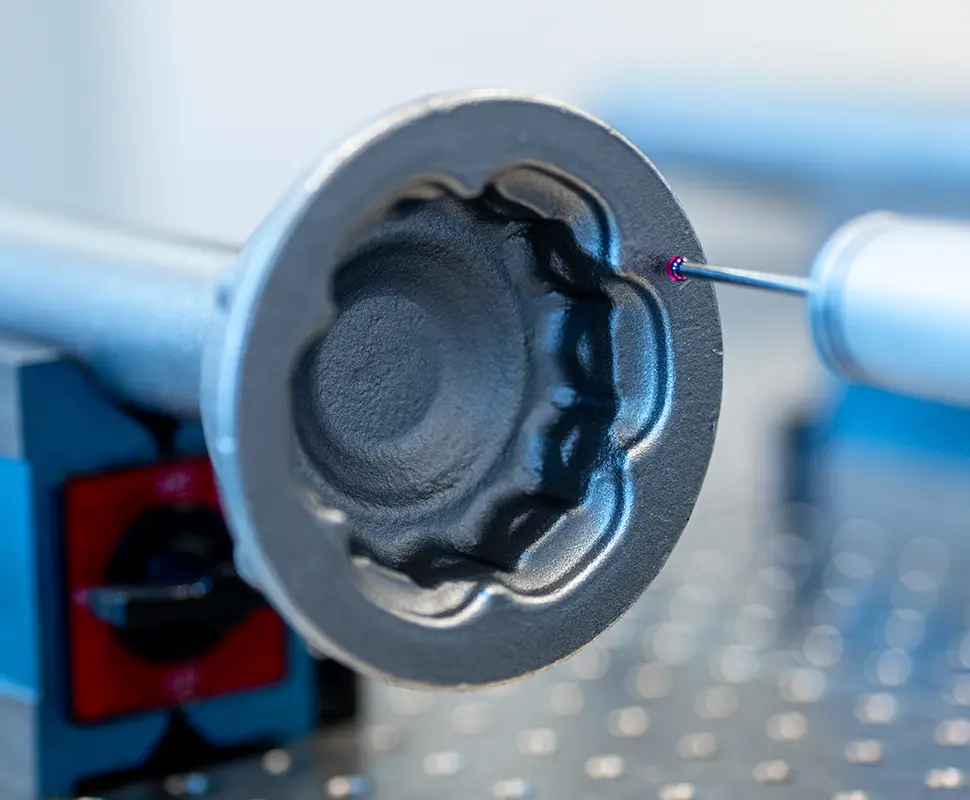
Electrical upsetting produces one-piece components with substantial variations in diameter. It is an effective solution when machining entirely from bar would result in significant material waste, or when a welded design would not meet the required mechanical performance targets. Localized heating limits the volume of metal brought to temperature, while the resulting preform reduces the amount of material that must be displaced during final forging. Grain-flow continuity and the one-piece design promote mechanical strength and endurance under repeated loading. This combination of geometric flexibility, industrial efficiency, and performance meets the needs of many sectors.
Let's explore together how electrical upsetting can benefit your project!
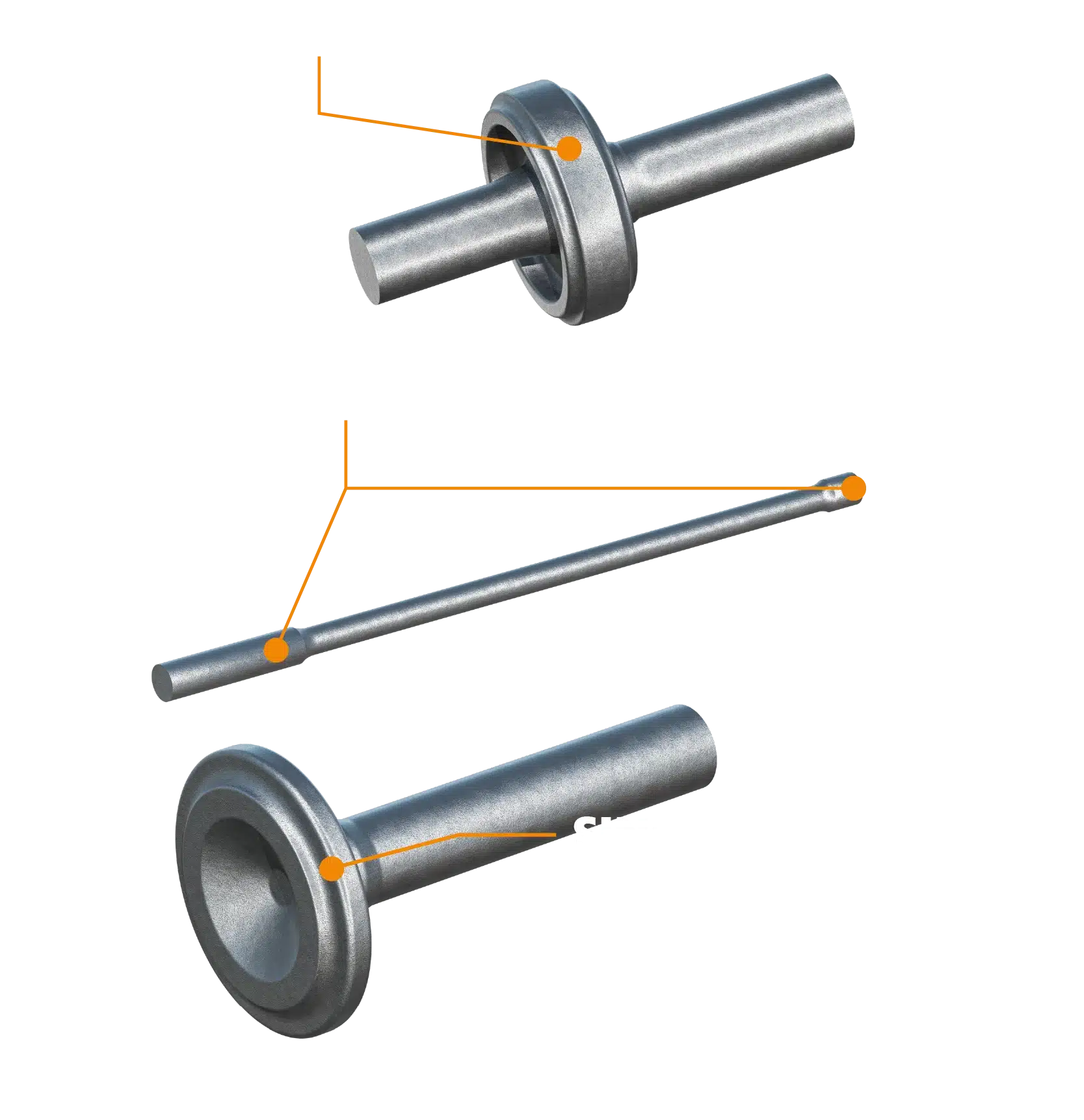
Substantial diameter variations
Depending on the geometry and the capabilities available, the height of the upset section can reach up to 20 times that of the initial bar. Electrical upsetting can be applied to one end, both ends, or a central area. This makes it possible to produce components such as wheel shafts, torsion bars, crankshafts, and aerospace fittings.
These configurations offer great freedom to distribute material according to the component’s loads, geometry, and mechanical functions. To date, there are no other readily industrializable solutions for achieving geometries with such substantial variations while maintaining full metallurgical continuity.
High-performing one-piece components
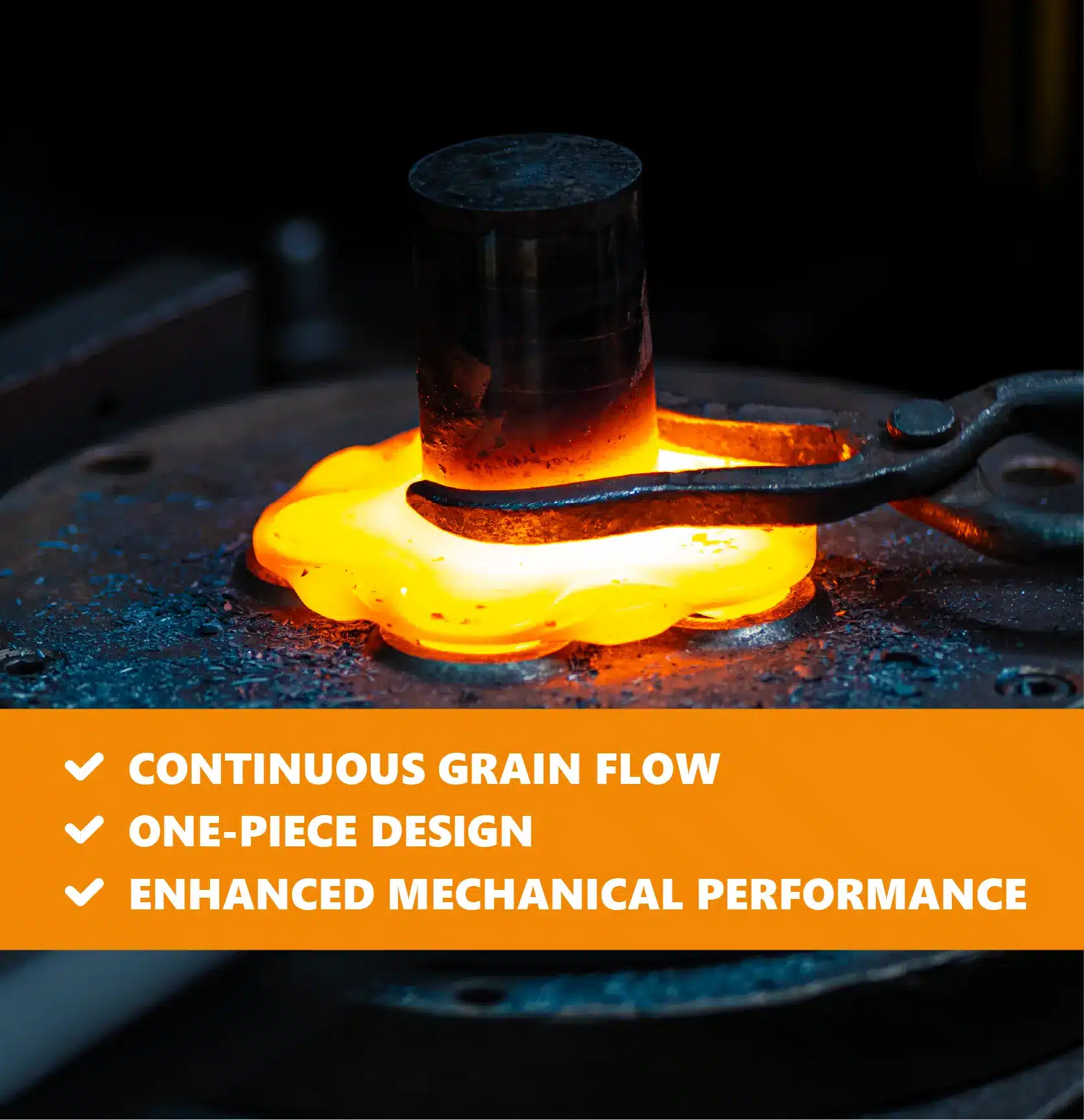
Electrical upsetting preserves material continuity between the initial bar and the formed area. Throughout the different forging stages, the grain flow follows the component’s contours, adapting to its geometry and therefore to its function. This characteristic contributes to the mechanical strength, toughness, and fatigue resistance of parts subjected to high or repeated loads.
The one-piece design helps avoid the welded interfaces and assembly operations required by certain multi-part solutions, which often offer lower mechanical performance. The process is therefore particularly suited to shafts, fittings, rods, and transmission components for which structural integrity is a key requirement.
Optimized material usage
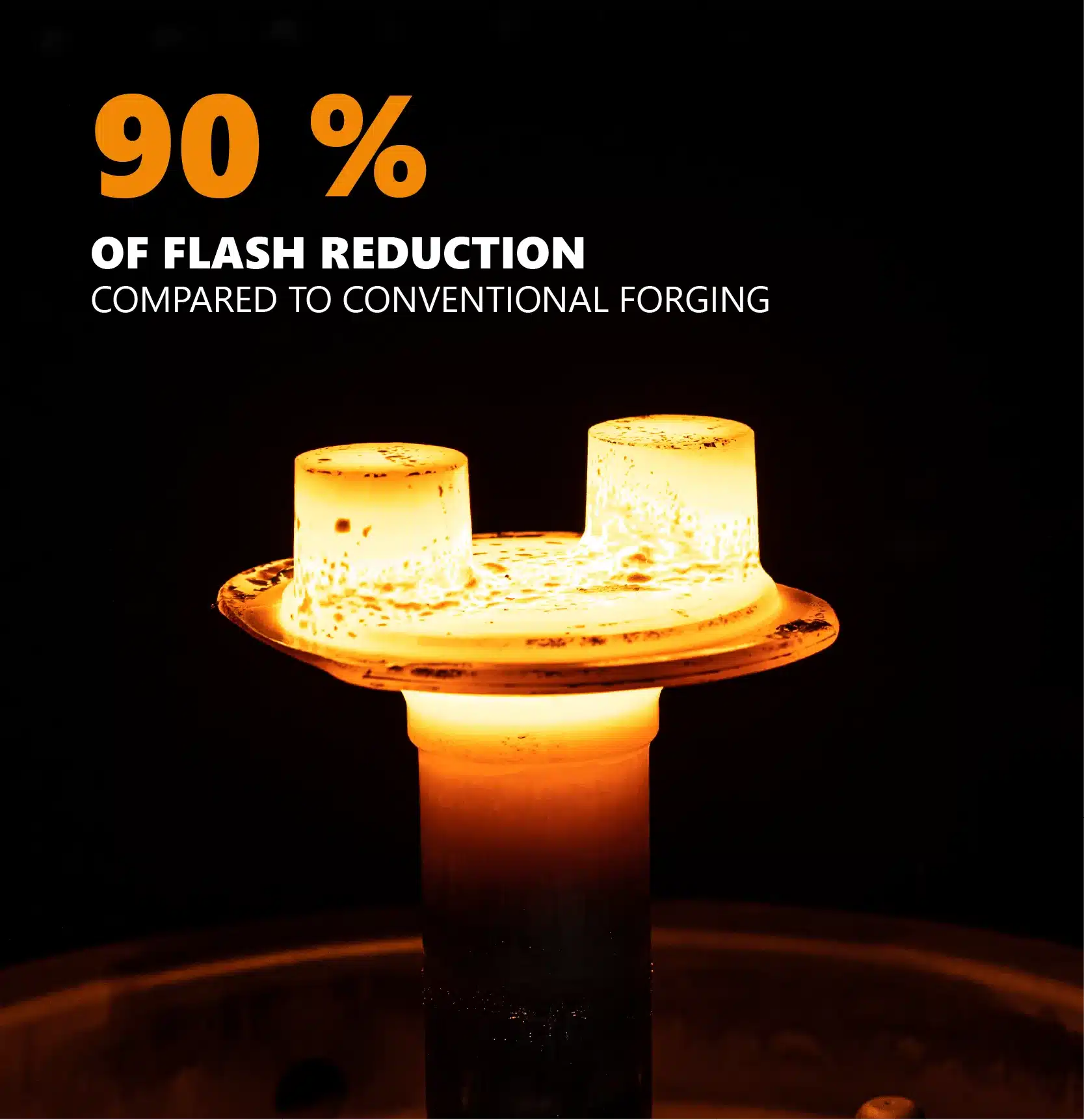
In certain cases, electrical upsetting is the most suitable process for producing a part that combines optimized material yield, meaning the minimum amount of input material, optimally oriented and uniform grain flow, and a geometry as close as possible to the machined part. The amount of excess metal in the form of flash can be reduced by up to 90% compared with certain conventional forging routes.
This advantage is particularly relevant for parts where one of the principal dimensions is significantly greater than the other two. The process is therefore well suited to high-value materials such as titanium and special alloys. Since the non-upset sections are generally peeled, machining allowances can be reduced even further.
Energy savings
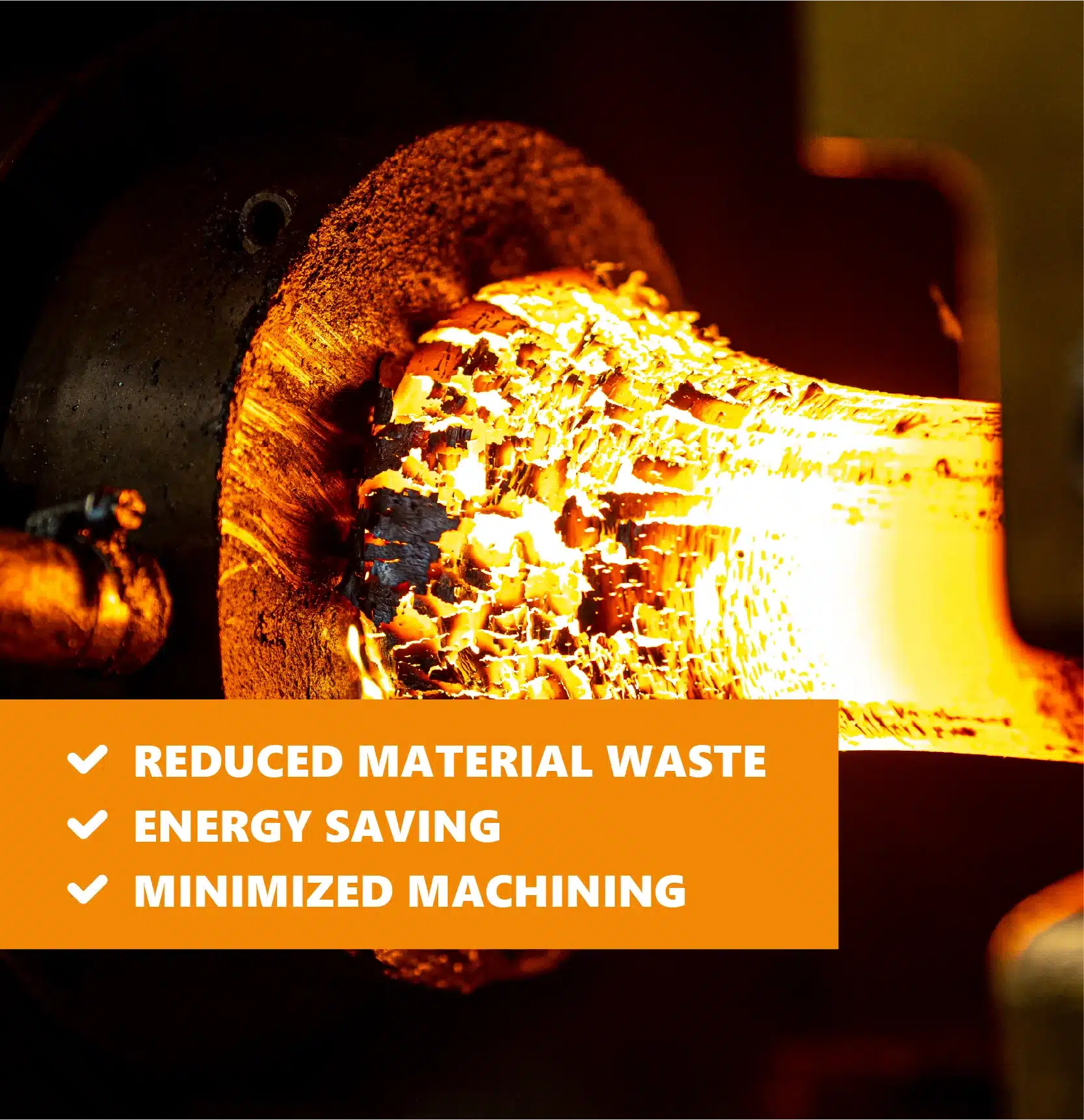
Only the section to be deformed is heated by electrical conduction. This approach avoids bringing the entire bar to forging temperature and reduces the energy required for material preparation. The heat generated during electrical upsetting can be used directly when forging the preform, eliminating intermediate reheating operations. Industrial electrical upsetting equipment is specifically designed to combine heating and controlled deformation in a single sequence.
Combined with optimized material usage and a low-carbon electricity supply, this localized heating helps reduce the environmental impact of the manufacturing process.
Cost competitiveness
Reduced material waste, localized heating, and lower machining volumes all help control overall manufacturing costs. These benefits are particularly significant for long parts, large-diameter flanges, and high-cost alloys. One-piece production can also eliminate welding, assembly, and joint inspection operations.
It therefore simplifies the manufacturing route while providing a robust mechanical architecture. Component durability, fewer interfaces, and optimized manufacturing steps ultimately contribute to equipment reliability and cost control throughout the entire life cycle.
Electrical upsetting at Setforge
Electrical upsetting serves the needs of many industrial sectors. In the automotive and commercial vehicle industries, it is used to produce wheel shafts, transmission shafts, and torsion bars. The process is also used for hydraulic systems, aerospace components, agricultural equipment, construction machinery, rail, textiles, industrial valves, and energy and oil applications. Its ability to produce long, one-piece parts with substantial variations in cross-section allows it to serve a very wide range of mechanical functions.
Setforge has two companies specializing in this process, Setforge Electroforge and Setforge Barriol & Dallière, serving a wide variety of sectors and applications. Our integrated approach combines electrical upsetting with comprehensive forging, heat treatment, and machining services, performed in-house or with selected partners. This complete manufacturing solution extends from prototype development to high-volume production, supporting customers throughout their product life cycle with consistent quality and technical expertise.
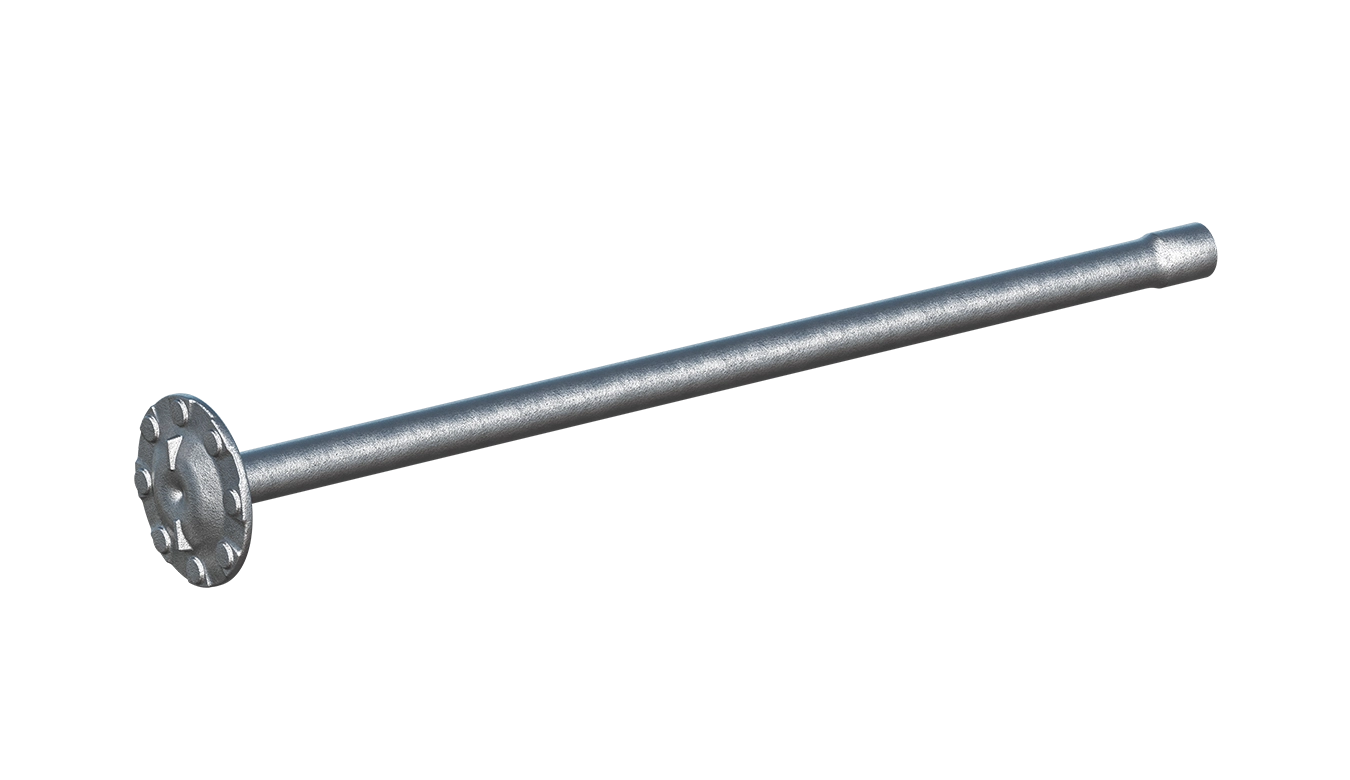
Flanged wheel shaft
Steel
Trucks
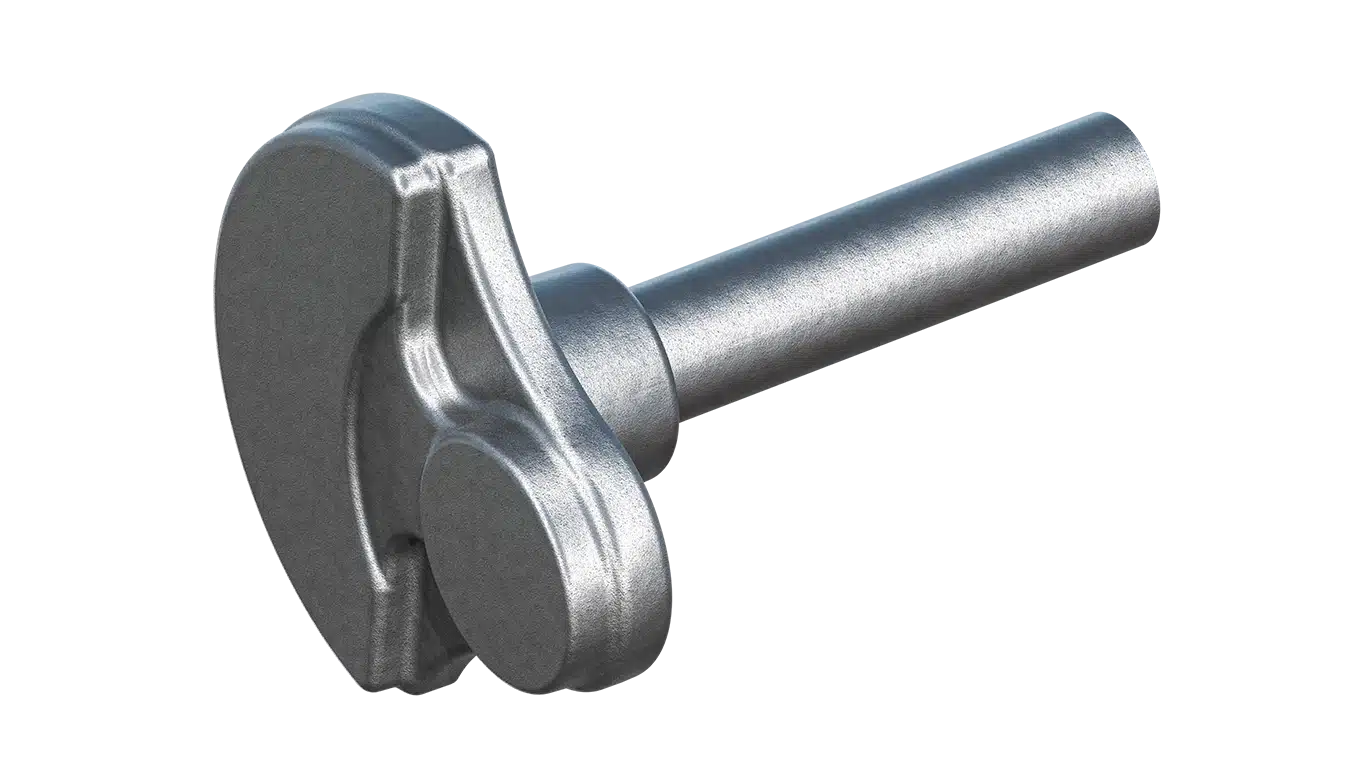
MOPED CRANKSHAFT
Steel
Automotive
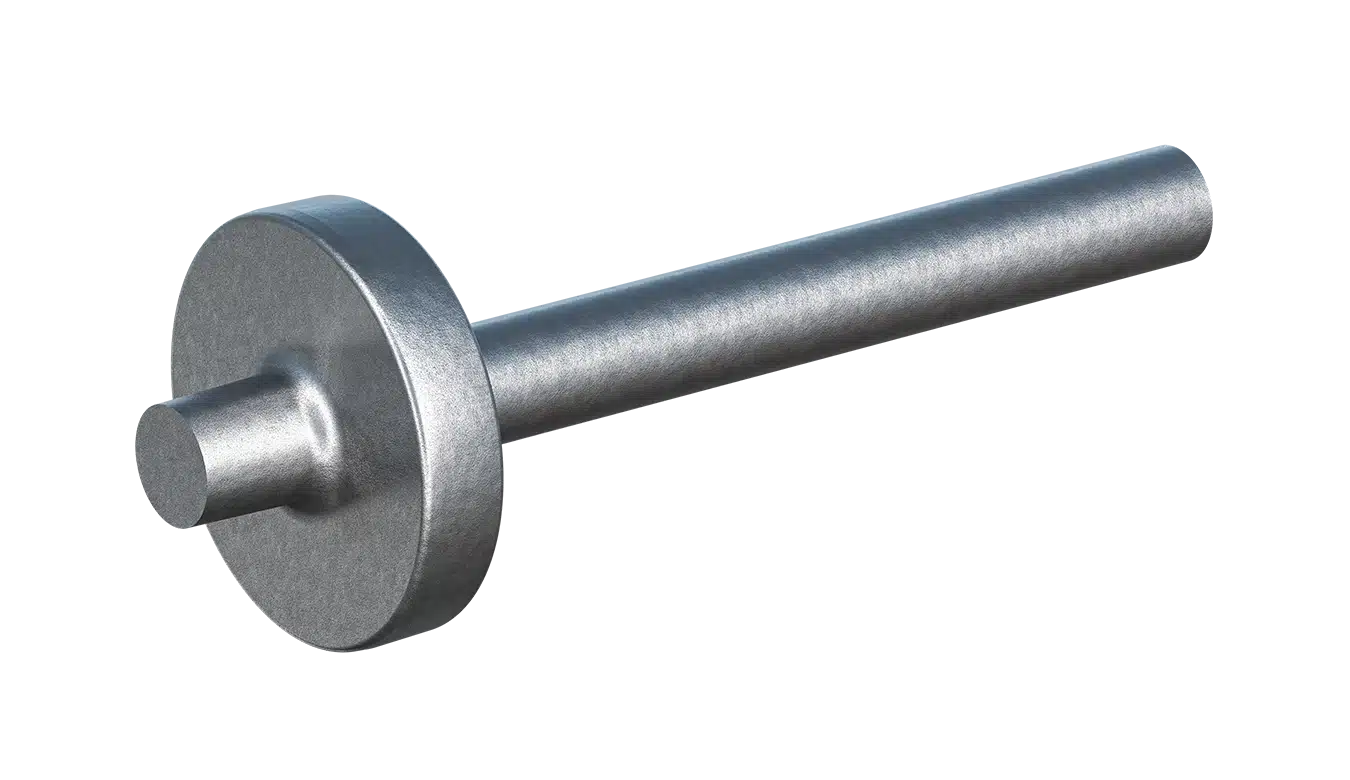
THERMOWELL
Steel
Oil & gas
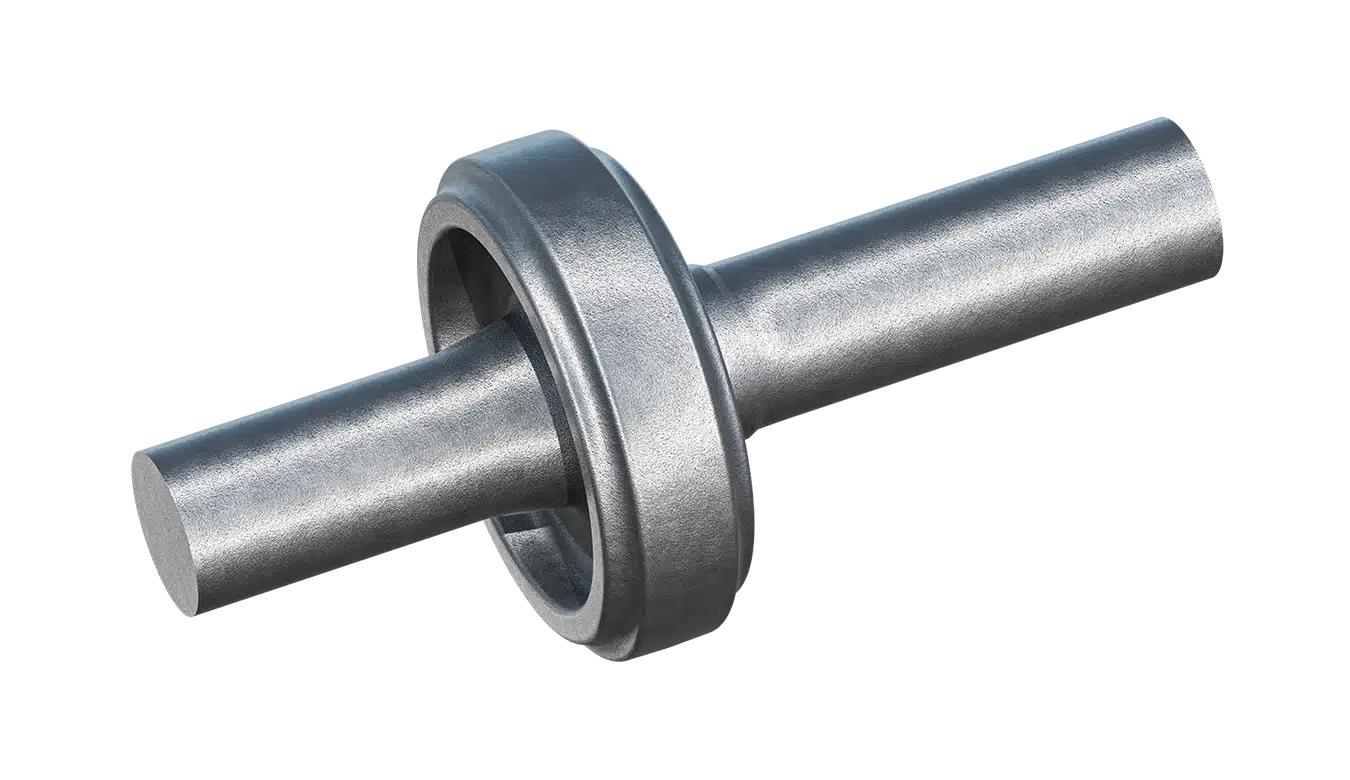
TRANSMISSION SHAFT
Steel
Construction
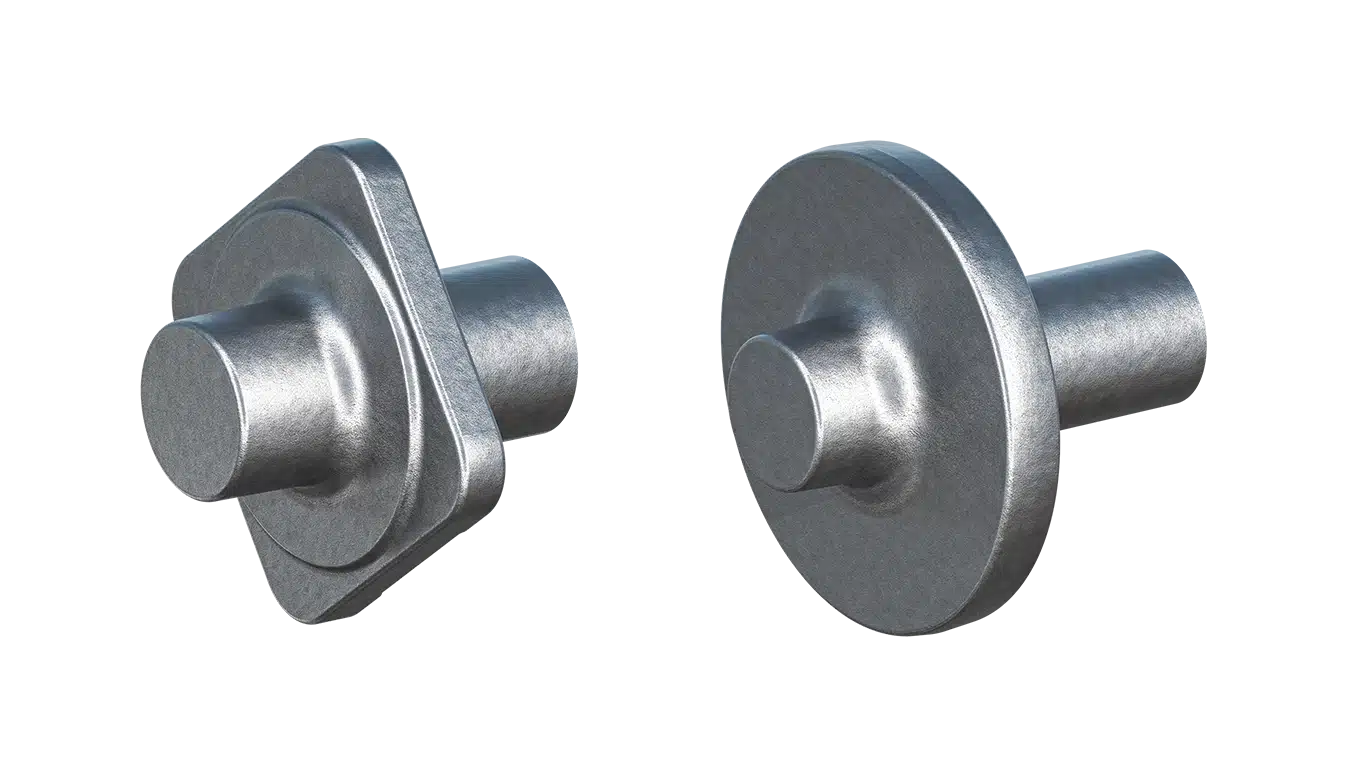
Valve guide
Steel
Industrial valve
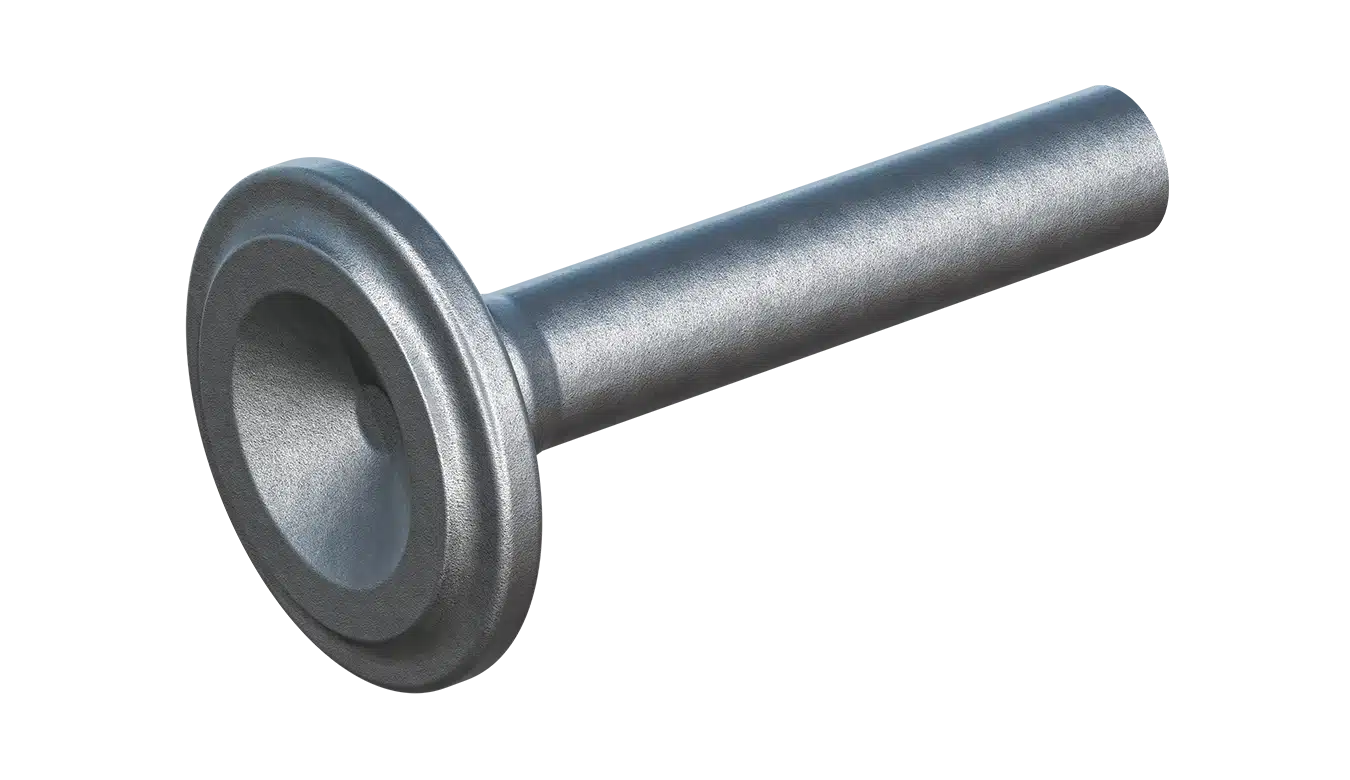
AXLE SHAFT
Steel
Agriculture
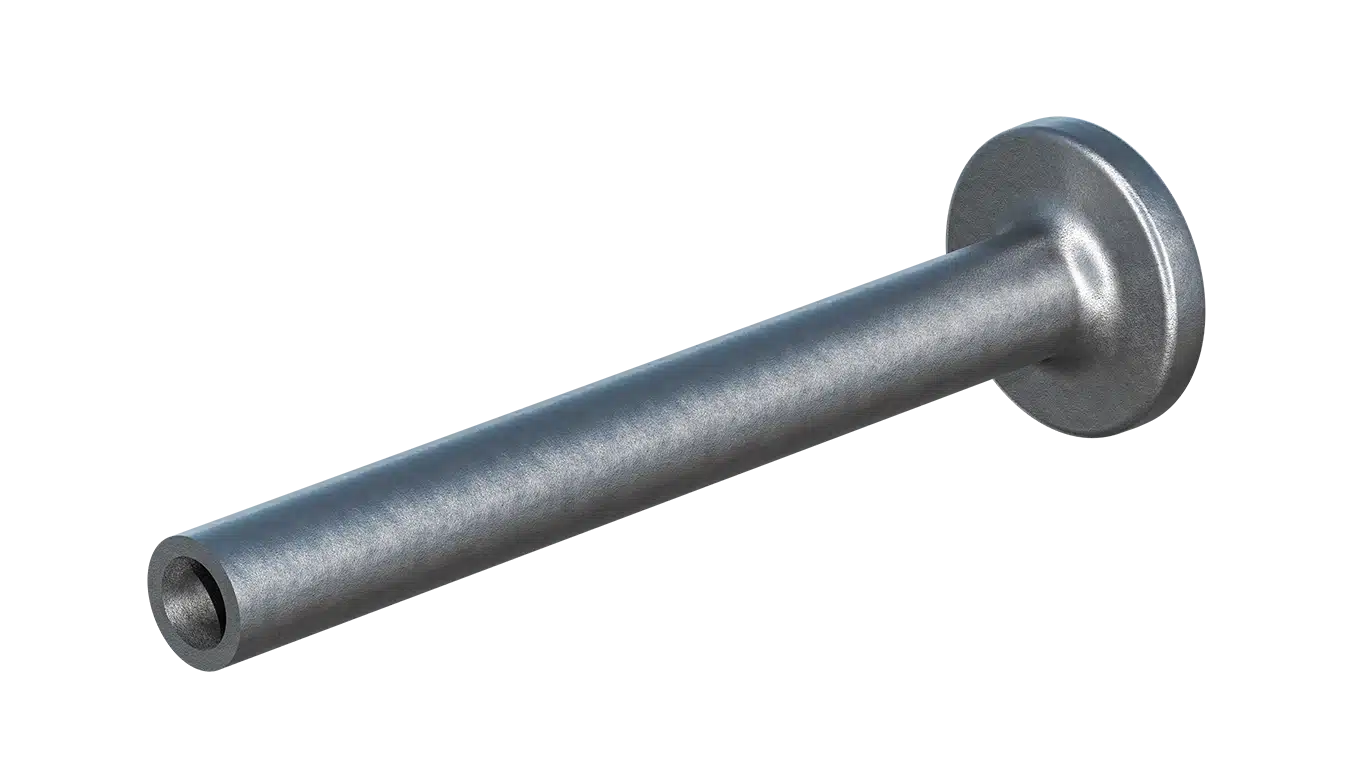
WIND TURBINE SHAFT
Steel
Energy
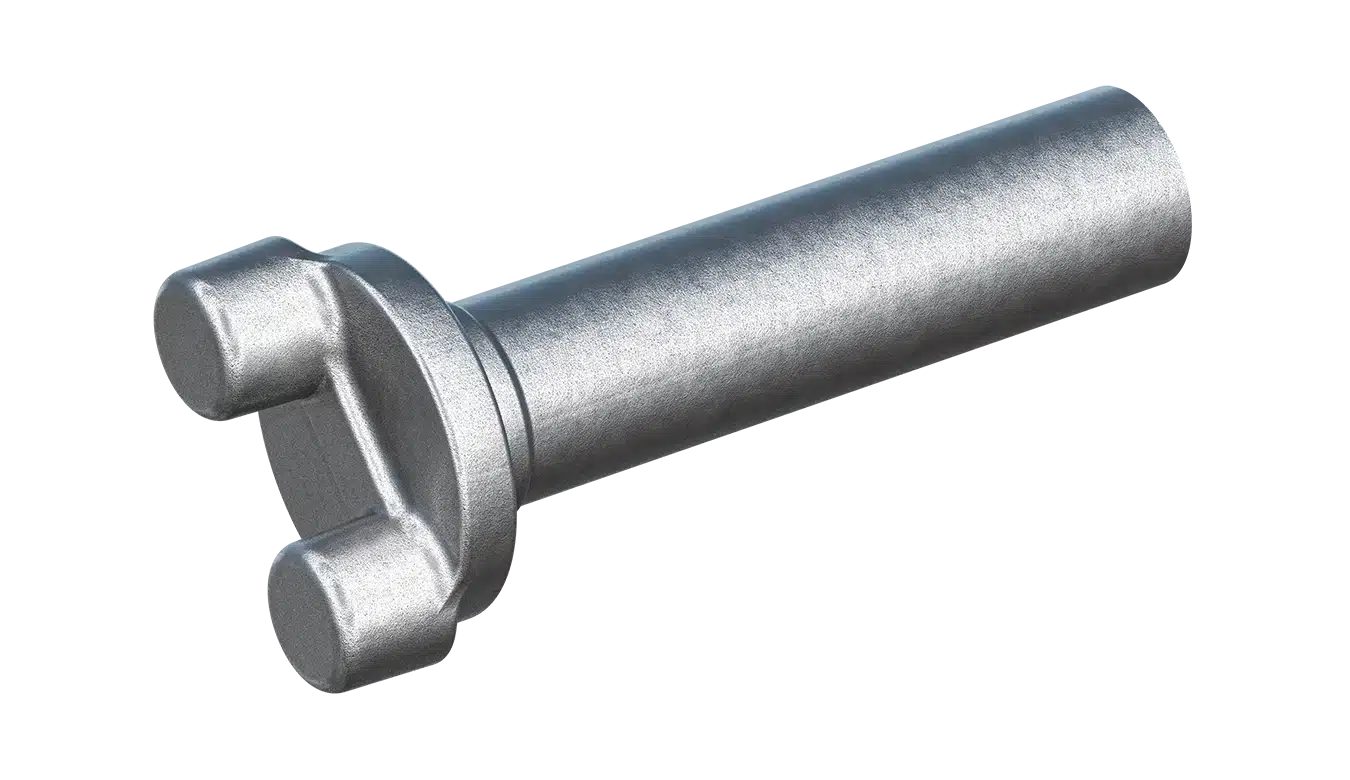
SWITCH SHAFT
Steel
Textile
WOULD YOU LIKE TO KNOW MORE?
LET’S TALK ABOUT IT!
OUR FORGING PROCESSES
Setforge forges parts from 0.1 kg to 1,500 kg across the full range of closed-die forging processes. A breadth of capability that is, quite simply, unique in the market. From prototype to high-volume automotive production, our approach goes well beyond the forge itself: we work alongside our customers from the earliest stages of co-development through to finishing operations, covering every step of the journey from design intent to finished part.
Deep dive into the geometries we forge !
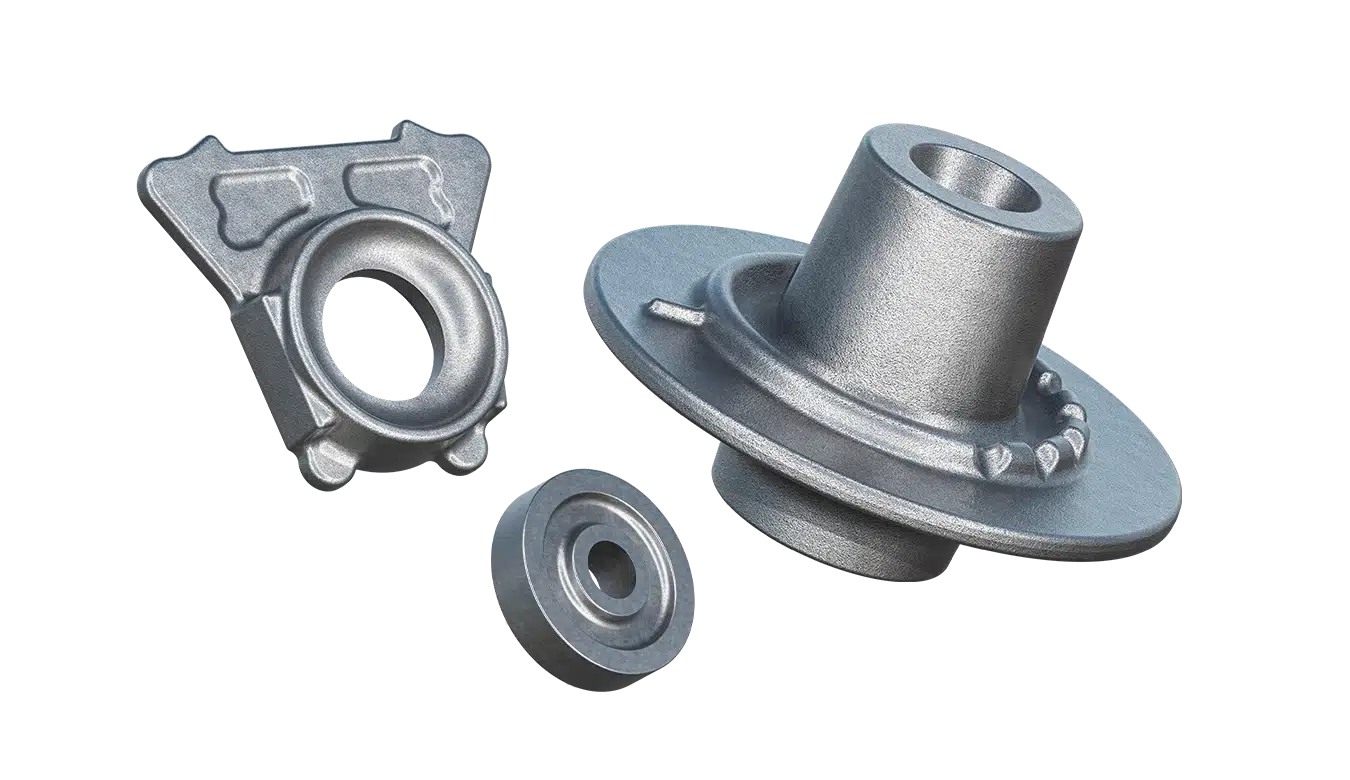
HOT FORGING
From 0.2 kg to 1,500 kg
Suitable for a wide range of complex shapes. Max weight: Steel 1,500 kg | Stainless Steel 1,400 kg | Ti and Ni-based 200 kg.
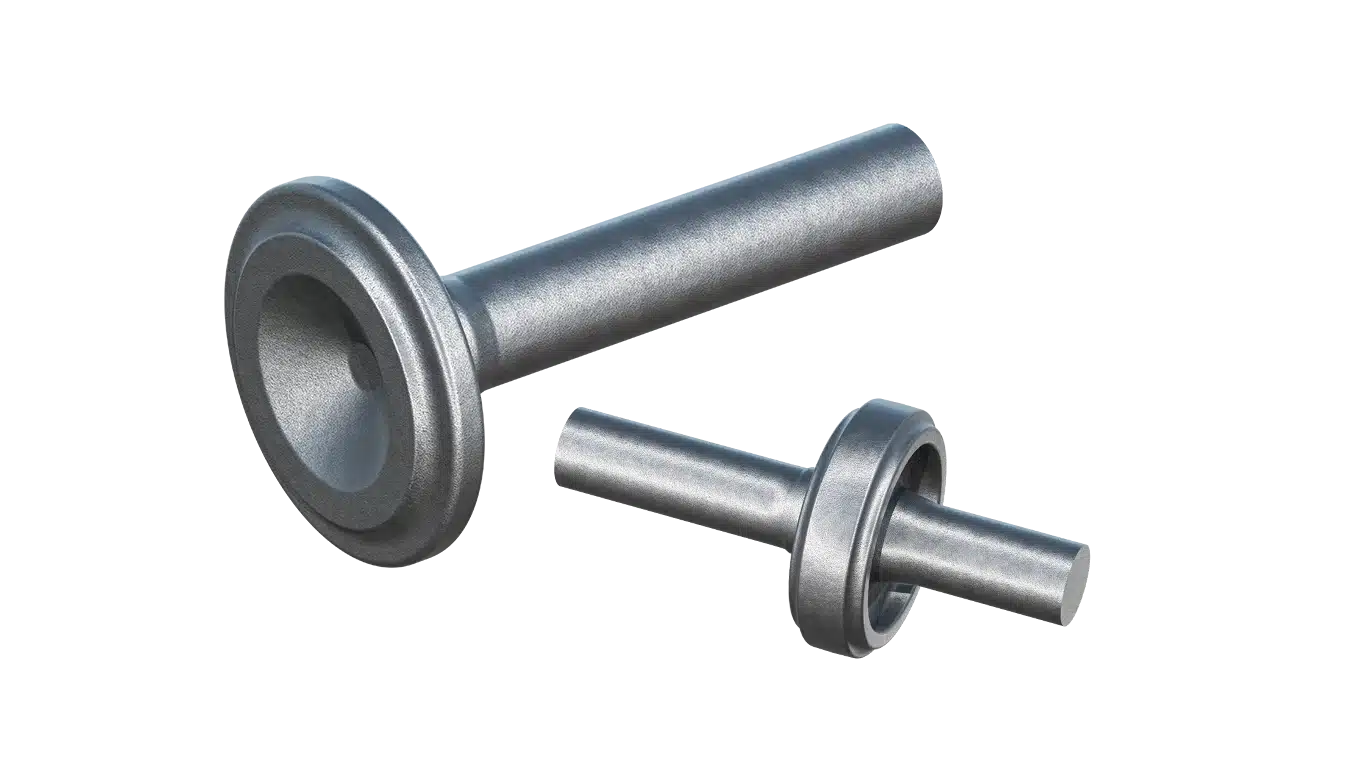
ELECTRICAL UPSETTING
From 0.1 kg to 200 kg
Long parts with flange up to 1,200 mm length, flanged diameter up to 450 mm and initial bar diameter up to 130 mm.
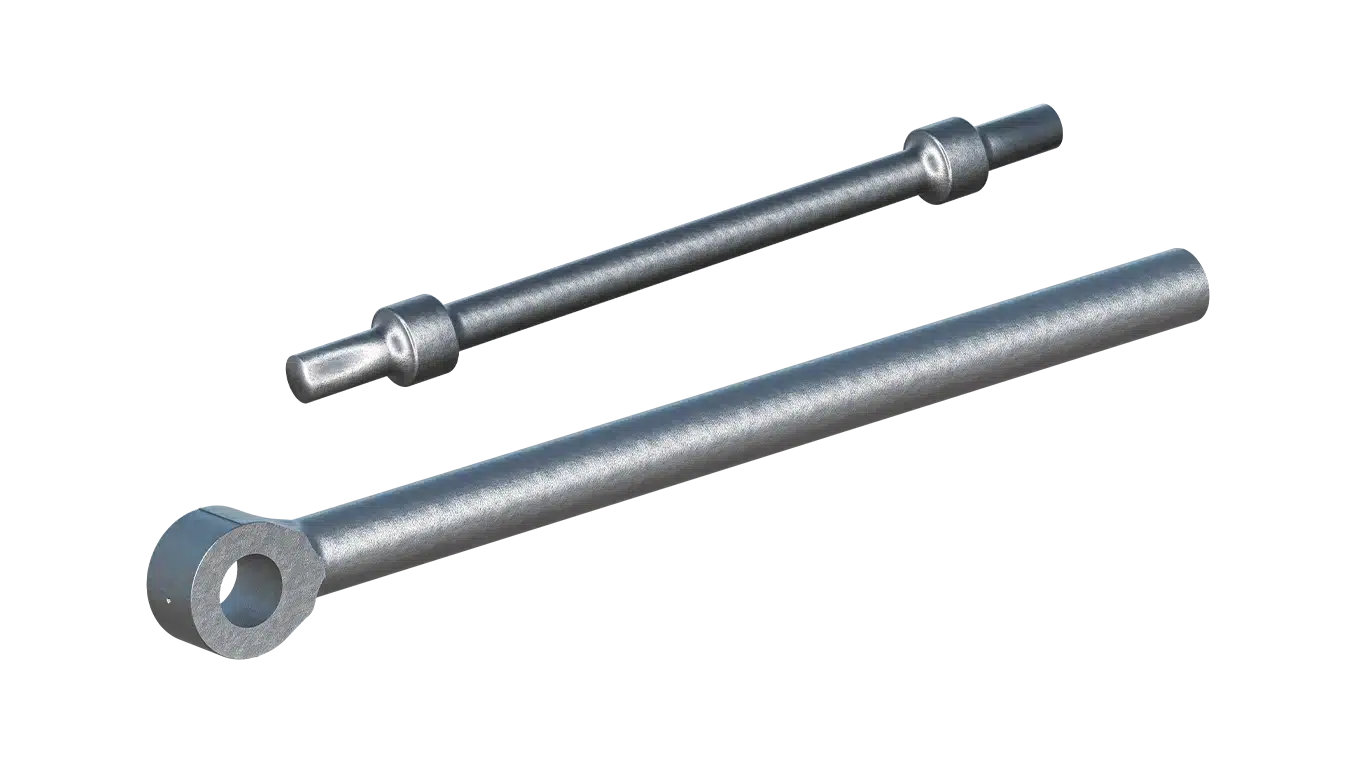
UPSET FORGING
From 2 kg to 600 kg
Long parts with complex head geometry up to 5,000 mm length, head diameter up to 400 mm and initial bar diameter up to 170 mm.
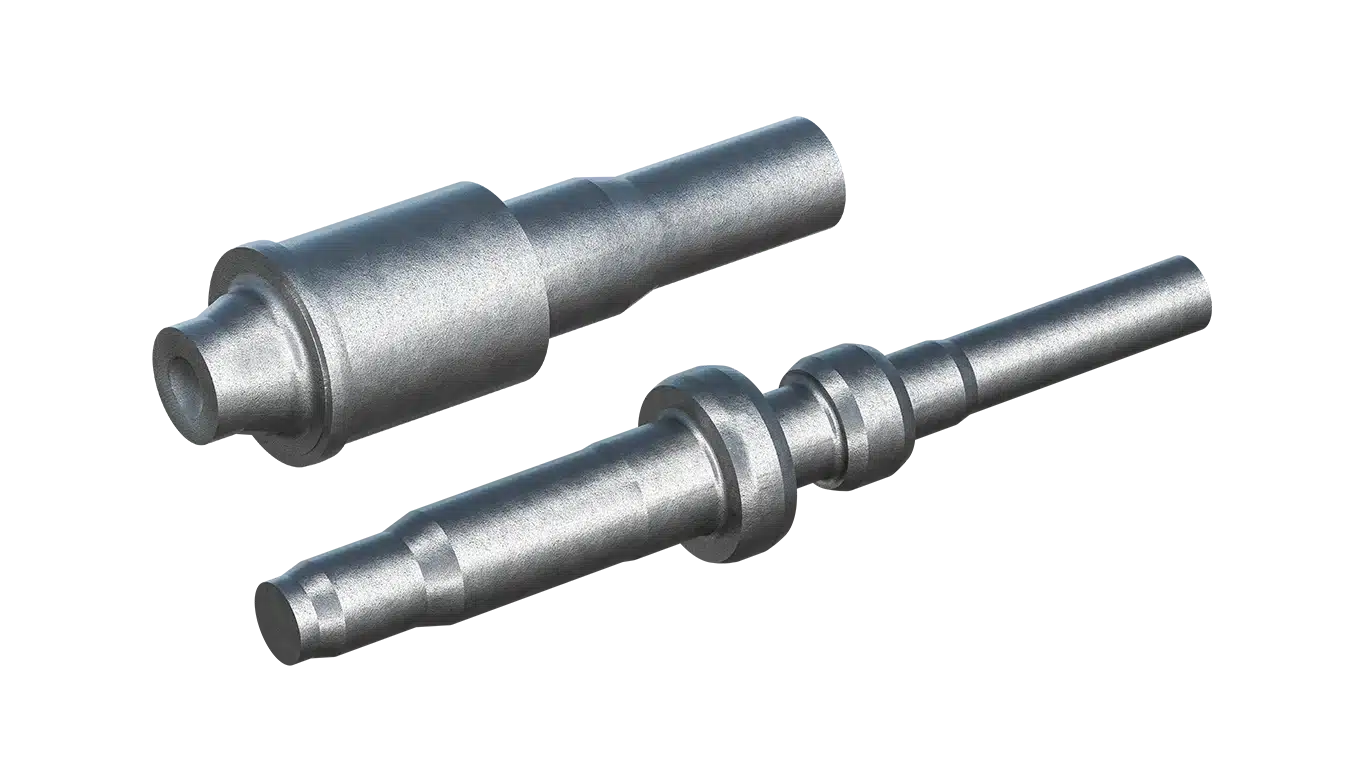
COLD FORGING
From 0.3 kg to 25 kg
Various shafts or long parts with max diameter up to 120 mm and 800 mm length.
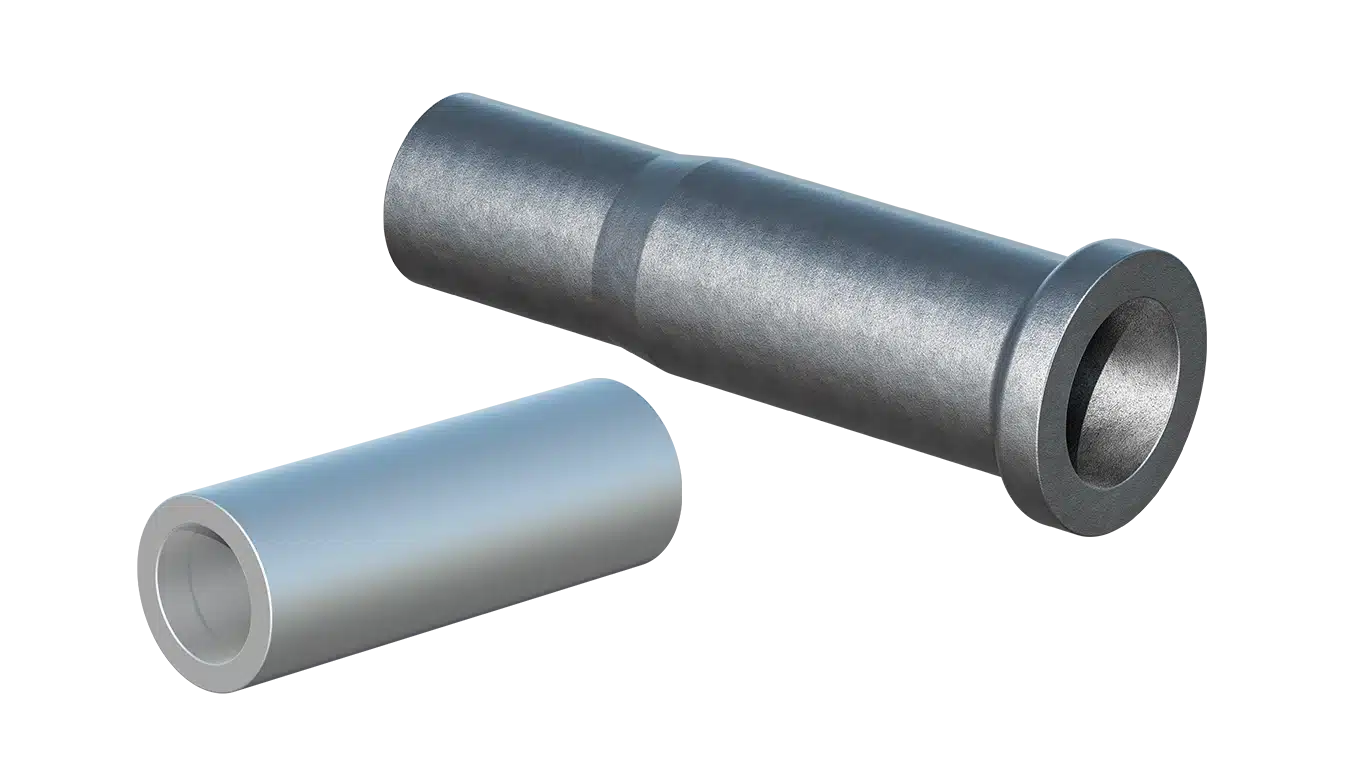
HOT EXTRUSION
Up to 1500 kg
Tubular and shaft profile, straight or shaped, with or without hot piercing with O/D max 500 mm and length max 1,700 mm.
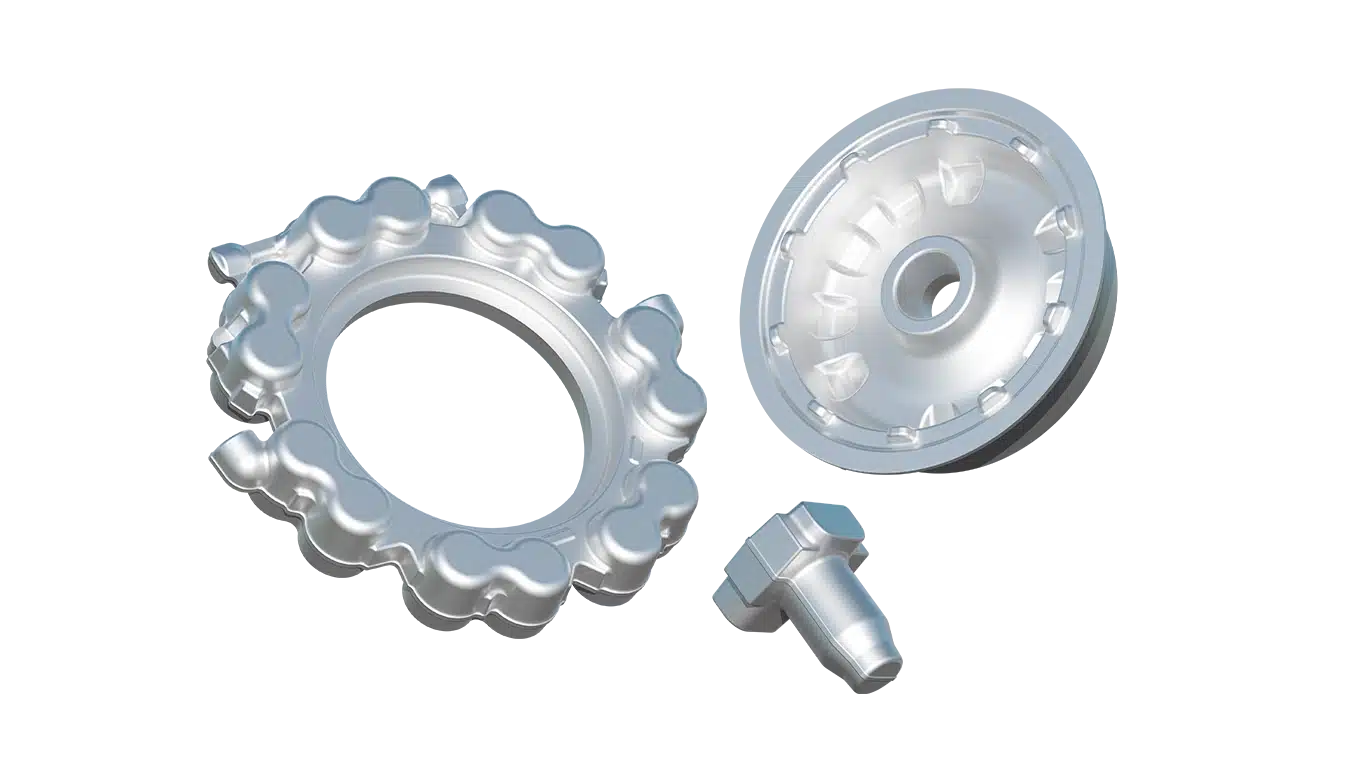
ALUMINUM FORGING
From 0.1 kg to 200 kg
Suitable for a wide range of complex shapes from the 1XXX to the 7XXX series depending on shape geometry.
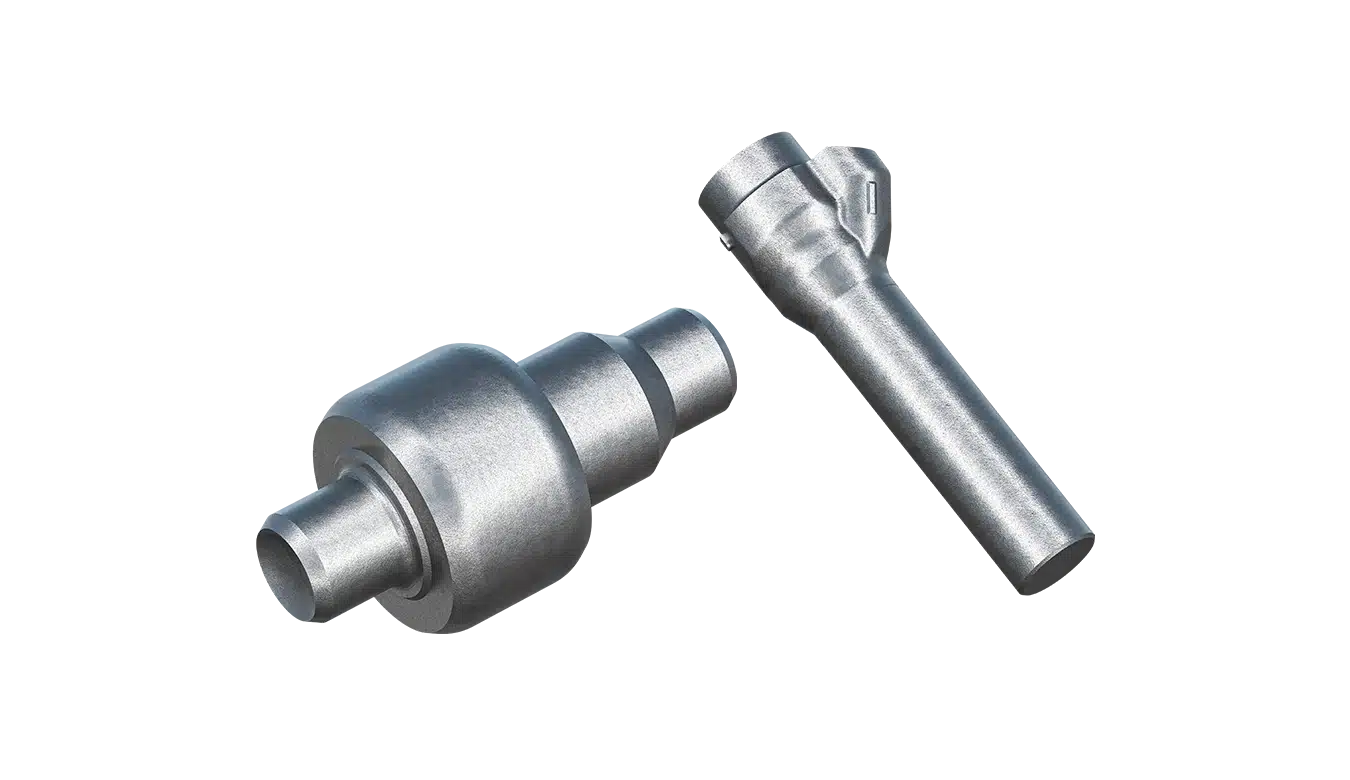
WARM FORGING
Up to 4 kg
Various parts with diameter up to 130 mm and length up to 450 mm.
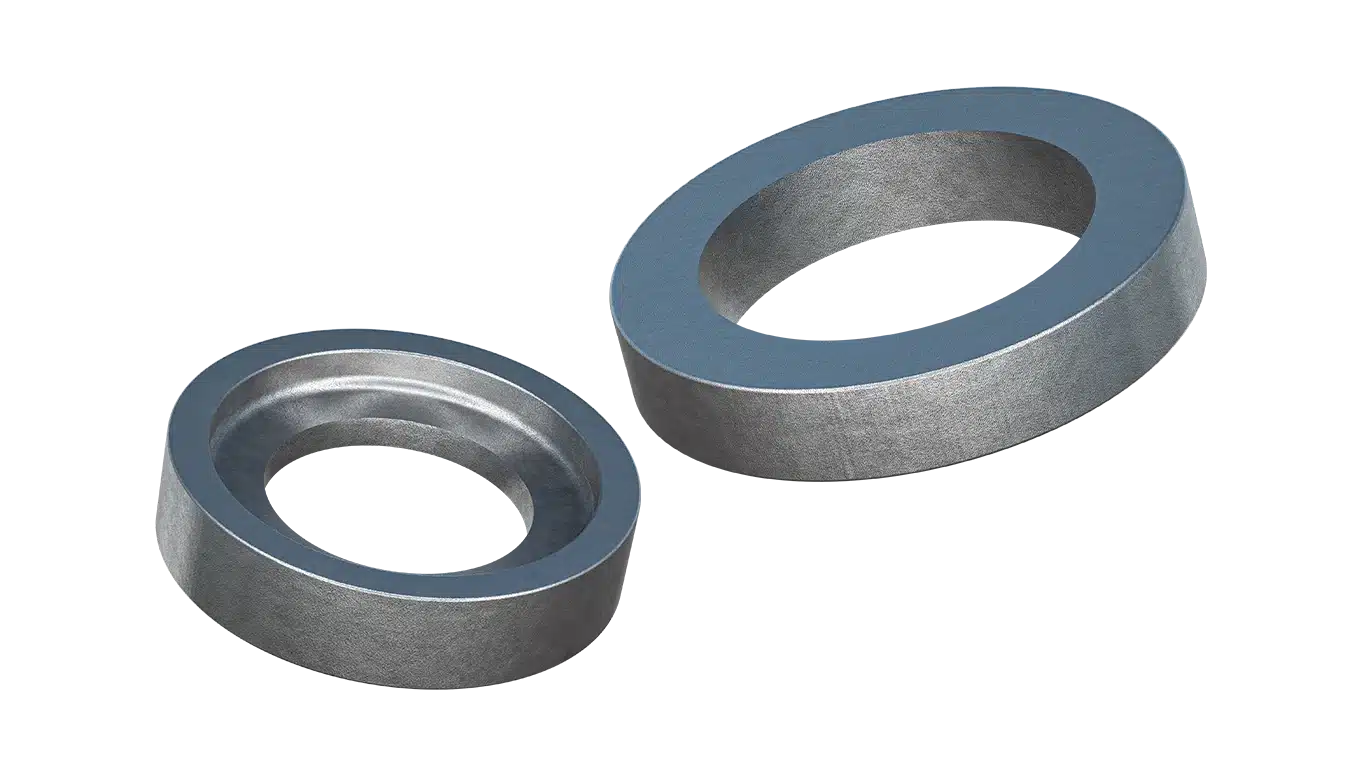
RING ROLLING
Up to 12 kg
Rings and crowns with various cross section geometries up to 250 mm diameter.
A 360° APPROACH
Over the years, we have developed genuine expertise across every discipline that a forged component requires: from early-stage engineering and tooling design to heat treatment and machining operations. Each of these capabilities has been built up through real industrial experience, working closely with OEMs, international Tier 1 suppliers, and machining partners. The result is a partner who understands the full chain, anticipates the constraints at each step, and stays involved from the first technical discussion to the final delivery.
Explore the full range of our capabilities !
On our Blog
Cold forging vs. Hot forging: which process fits your part?
31/07/2026
Forging is a manufacturing process, which shapes a solid-phase metal workpiece by applying compressive forces on it.
Read More
Developing a quality warm forging process
10/03/2026
Thanks to the automotive industry and its continuous development towards better, lighter and more cost efficient components, warm forging has gained greater importance. Alone or as a part of specia...
Read More
The undoubted advantages of the process
10/03/2026
Forging is classified in hot, warm and cold, according to the temperature at which is performed.
Read More