
A unique diversity of know-how
Tooling
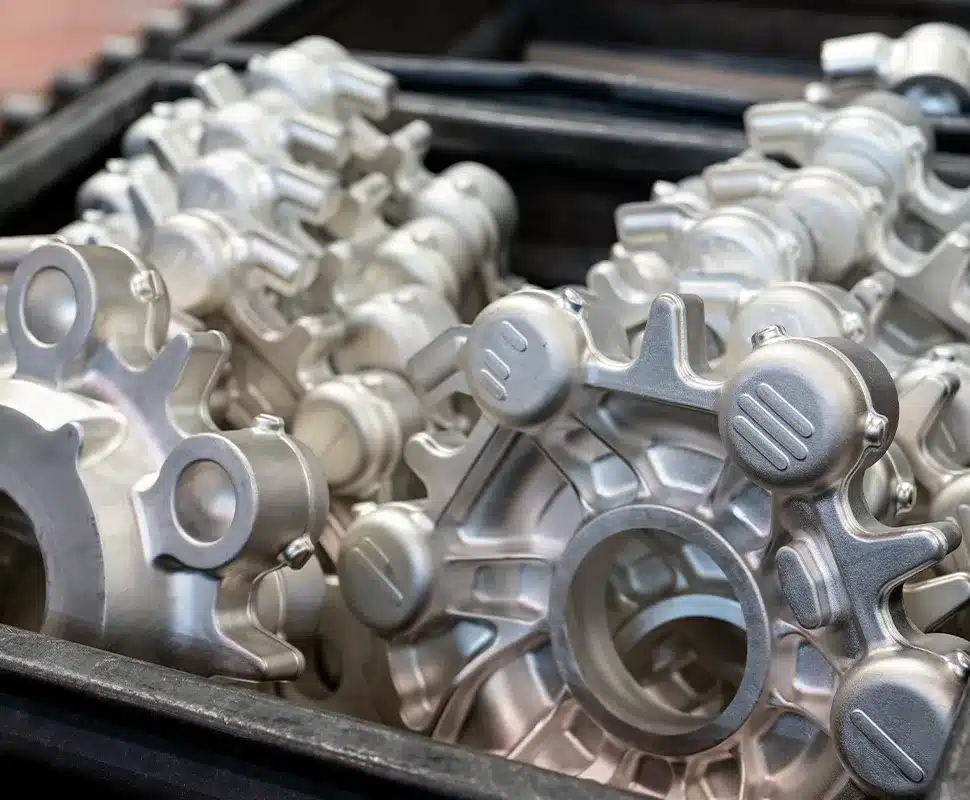
Forging dies are precision tooling systems that shape metal through controlled pressure. In closed die forging, matched upper and lower dies contain shaped impressions that form the final part geometry. These dies must withstand repeated cycles of extreme force, thermal shock, and abrasive wear while maintaining dimensional accuracy over thousands of operations.
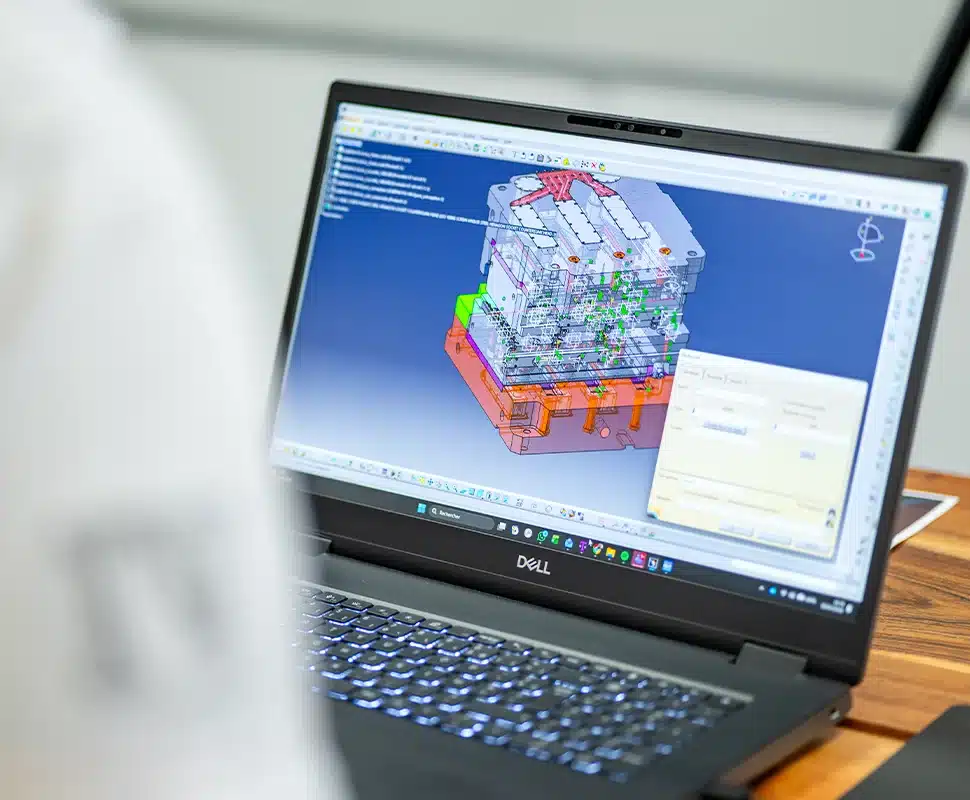
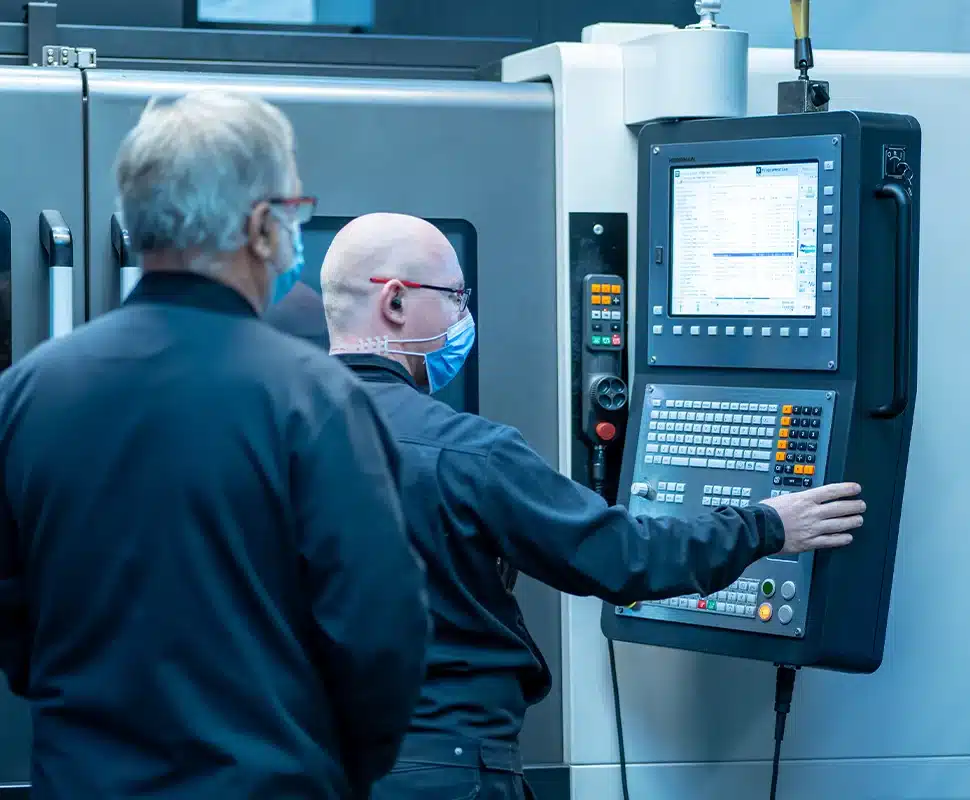
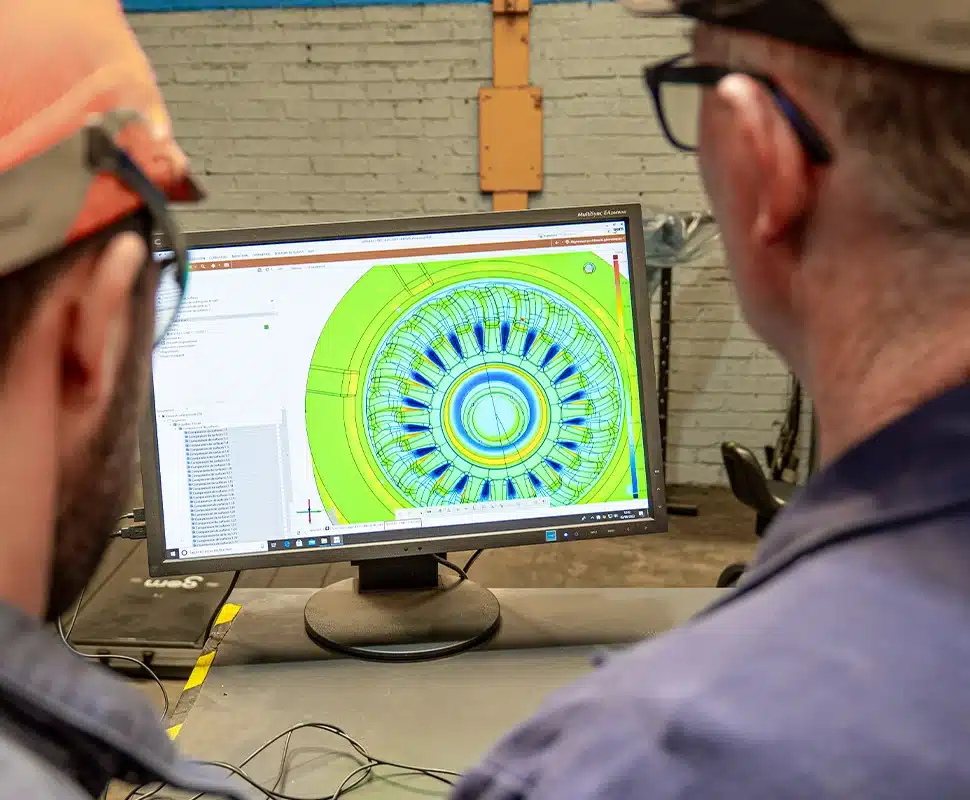
At Setforge, we handle the complete tooling lifecycle internally, from concept and FEM simulation through CNC machining and production validation. This integrated approach gives us direct control over die performance, lead times, and the ability to optimize tooling for our specific processes and materials.
CLOSED DIE FORGING TOOLING
Closed die forging uses matched dies where both halves contain shaped cavities. The heated workpiece is placed between the dies, and when the press closes, metal flows to fill the impressions. A controlled amount of excess material flows into a flash gutter at the parting line. This flash cools quickly and creates back-pressure that forces metal into all die details.
The dies need several key features. Draft angles (optimized for process and material compatibility) allow part release. Fillet radii promote metal flow and reduce tool wear, sharp corners create stress concentrations that lead to premature failure.
Closed die forging requires upfront tooling investment but offers low recurring costs per part. This makes it economical for medium to high production volumes, typically starting around 500-1,000 parts depending on complexity.
COMPLETE IN-HOUSE CAPABILITIES PROCESS
Our integrated tooling operation covers the entire die lifecycle without external suppliers. This gives us direct control over quality, timing, and the ability to optimize dies based on production feedback.
Complete tooling autonomy means faster project launches, better die optimization, and greater flexibility for design changes. We're not dependent on external die shops, our forging and tooling teams work directly together to deliver optimal results.
UNDERSTANDING MATERIAL-SPECIFIC REQUIREMENTS
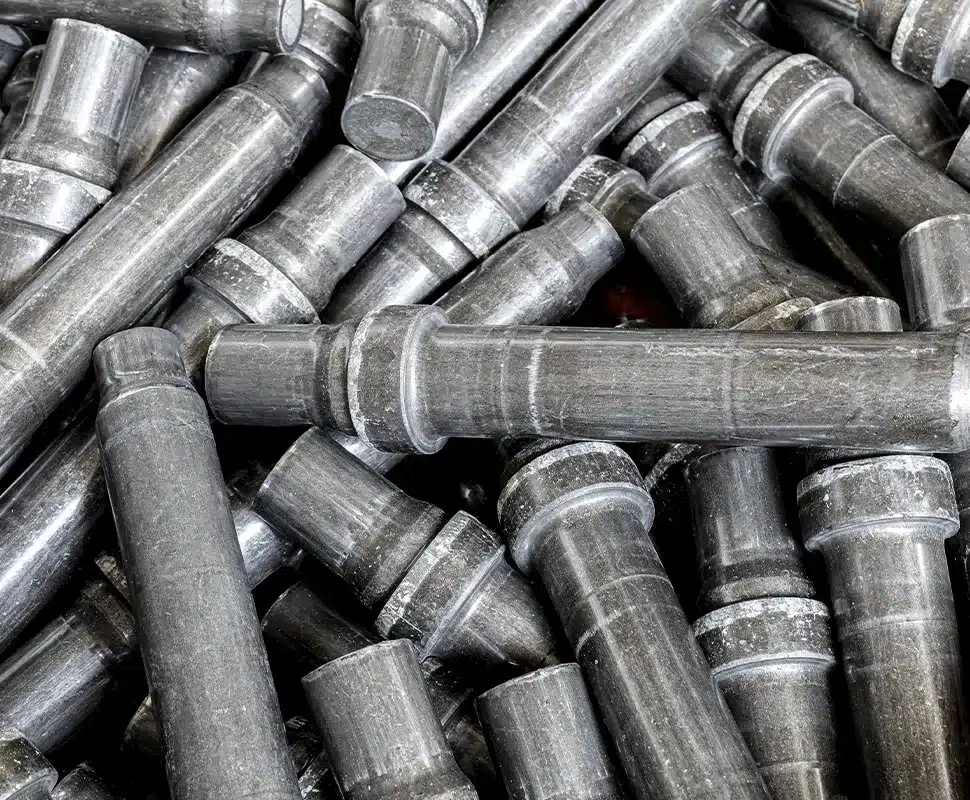
Different forging materials place different demands on tooling. Forging temperature, thermal conductivity, and material strength all influence die design, preheat requirements, and expected tool life.
Understanding these material-specific needs is critical for die optimization and production planning.
WOULD YOU LIKE TO KNOW MORE?
LET’S TALK ABOUT IT!
On our Blog
Cold forging vs. Hot forging: which process fits your part?
31/07/2026
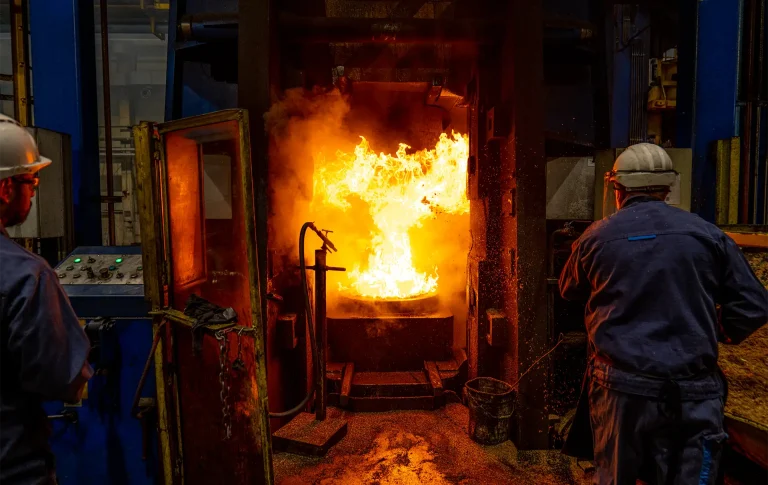
Forging is a manufacturing process, which shapes a solid-phase metal workpiece by applying compressive forces on it.
Read More
Developing a quality warm forging process
10/03/2026
Thanks to the automotive industry and its continuous development towards better, lighter and more cost efficient components, warm forging has gained greater importance. Alone or as a part of specia...
Read More
The undoubted advantages of the process
10/03/2026
Forging is classified in hot, warm and cold, according to the temperature at which is performed.
Read More