
A unique diversity of know-how
Heat Treatment
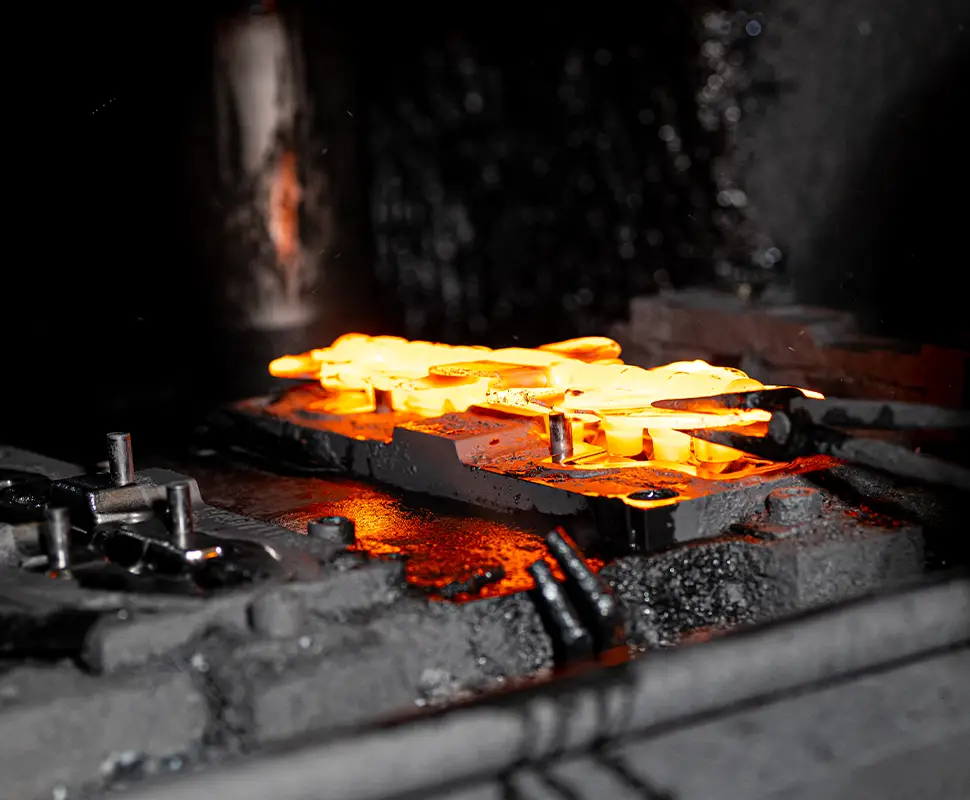
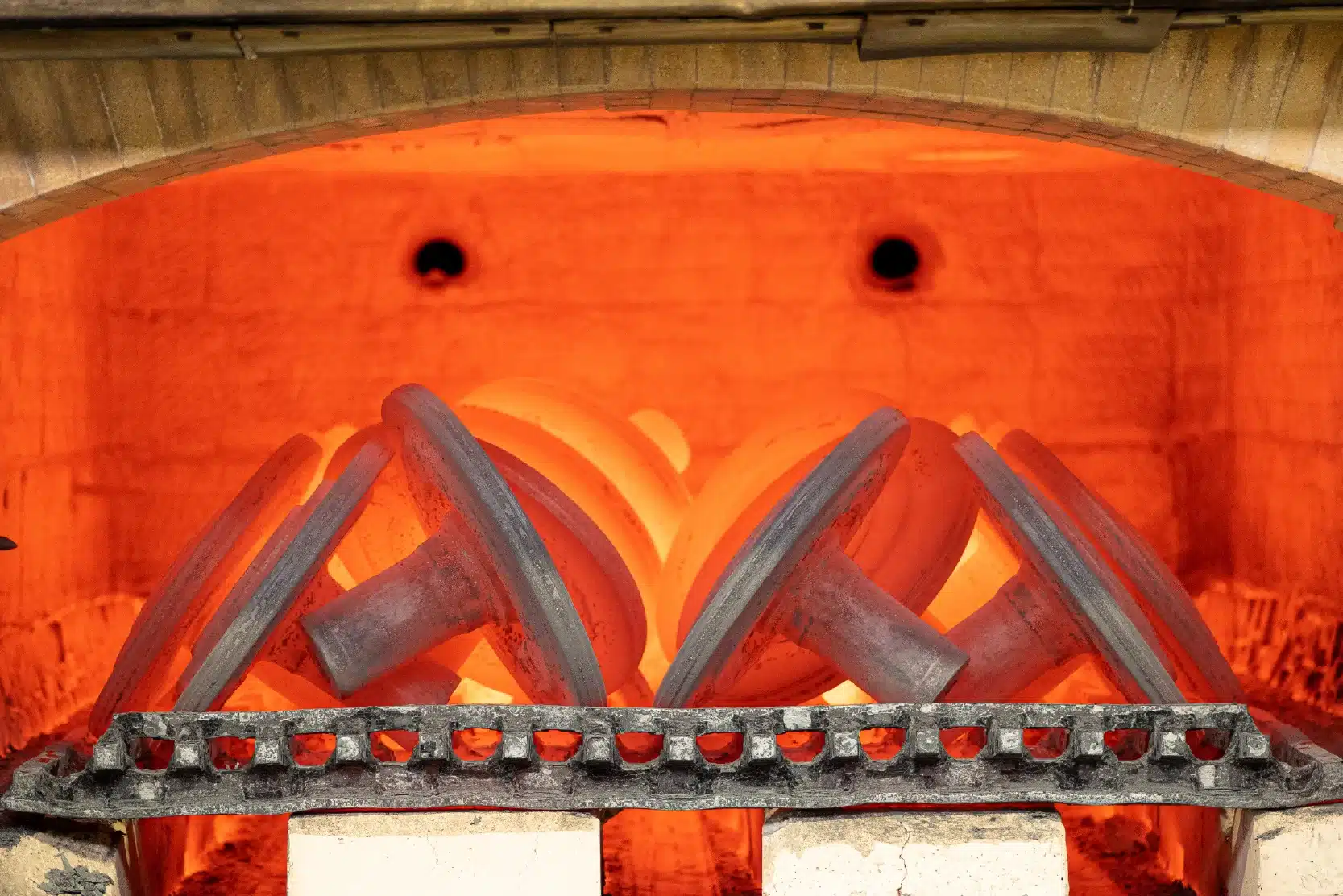
After forging, heat treatment is a decisive step in developing the component's final performance. Forging gives the material its shape and creates a favorable grain flow, while thermal cycles control the microstructure, residual stresses and the metallurgical condition obtained after forming and cooling.
Through precise sequences of heating, holding and cooling, heat treatment tailors strength, hardness, toughness and dimensional stability to the requirements of each application. Properties can thus be optimized to resist wear, impacts, contact pressures or cyclic loading.
UNDERSTANDING STEEL
MICROSTRUCTURE
Heat treatment transforms the phases and constituents present in the steel's microstructure. During heating, the steel can be brought into the austenitic range, then evolve toward different structures depending on its composition, its section size and the cooling conditions.
Ferrite (soft and ductile, 80-100 HB) Soft and ductile, ferrite promotes formability and machinability. It is present in many microstructures of low- and medium-carbon steels.
Pearlite (moderate strength, 500-800 MPa) Made up of ferrite and cementite, pearlite offers an attractive balance of strength, hardness and ductility for many structural applications.
Bainite (40-60 HRC with superior toughness) Bainite combines high strength with good toughness. It is particularly sought after for components subjected to heavy loads, fatigue and impacts.
Martensite (65+ HRC, the highest hardness achievable) Formed during sufficiently rapid cooling, martensite offers very high hardness and strength. It is generally followed by tempering to adjust its toughness and reduce its brittleness.
The cooling rate from the austenitic range plays a central role. Slow cooling generally favors ferrite and pearlite, while intermediate conditions can lead to a bainitic structure. Sufficiently rapid quenching forms martensite. The steel's composition, the austenitizing temperature, the holding time, the part's dimensions and the quenching medium also influence the outcome. A single grade can thus develop very different properties depending on the treatment route applied.
MAIN HEAT TREATMENT METHODS
Following the forging operation, these fundamental processes prepare and optimize your components. Whether removing forging stresses through annealing or developing final mechanical properties through quenching and tempering, these treatments ensure your forged parts meet demanding performance requirements.
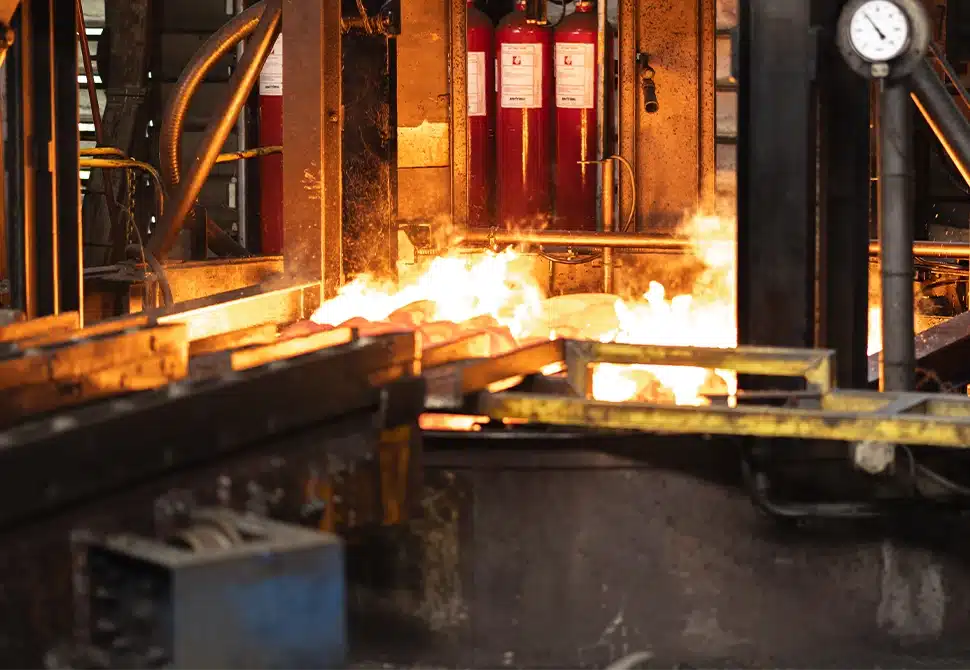
Quenching & Tempering
Hardening with the Right Toughness
After forging has shaped your component and developed optimal grain flow, quenching and tempering transforms the microstructure to achieve final mechanical properties. This two-step process first hardens steel by rapid cooling (quenching), then carefully reheats it (tempering) to achieve the perfect balance of hardness and toughness.
800-950°C
150-650°C controls final properties
Water, oil, polymer or pulsed air
40-65 HRC depending on carbon content
Why quenching & tempering ?
This is the standard treatment for forged components requiring high strength with good impact resistance. The forging process provides excellent grain flow and material integrity, while quenching and tempering develop the hardness and toughness needed for demanding applications. The tempering step reduces brittleness while maintaining most of the hardness gained during quenching.
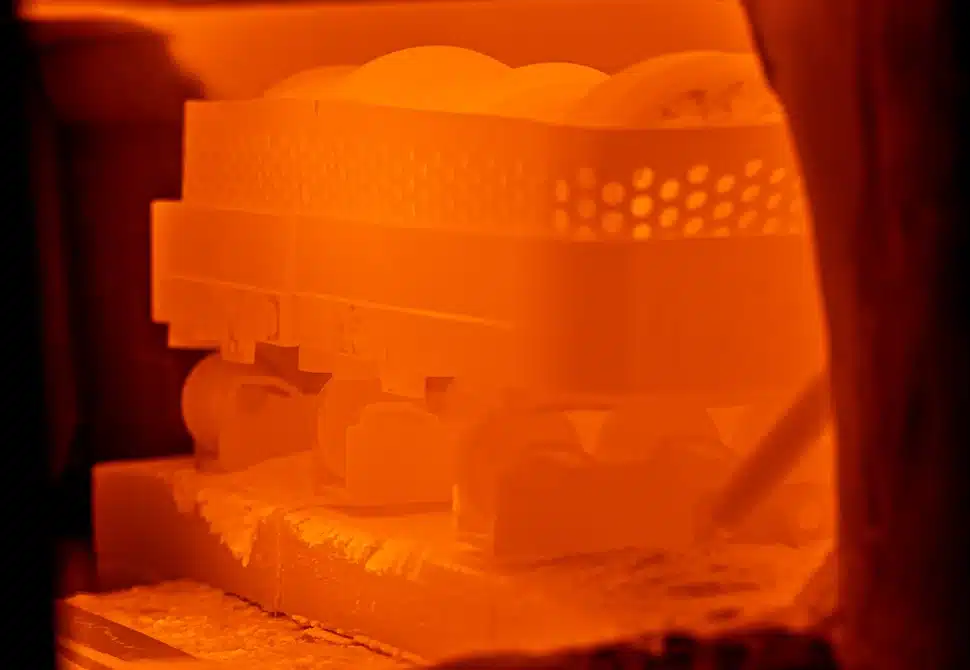
Annealing
Softening for Better Workability
Annealing softens forged parts that have become hardened and stressed during the forming process. The treatment involves heating the steel slowly to transform its structure, holding at temperature for uniform heating, then cooling gradually to develop a softer, more workable material.
800-950°C depending on steel grade
30-50% typical
Slow furnace cooling typical
up to 40%
Why annealing?
After forging, parts often need machining or additional forming operations. Annealing makes them easier to work with by eliminating internal stresses from the forging process and restoring ductility. It's essential for preparing forgings for subsequent machining operations.
SURFACE HARDENING TREATMENTS
These processes are generally applied to machined or near-finished forged components. By enriching their surface with carbon, nitrogen or a combination of both, they create a hard, wear-resistant layer while the forged core retains its toughness.
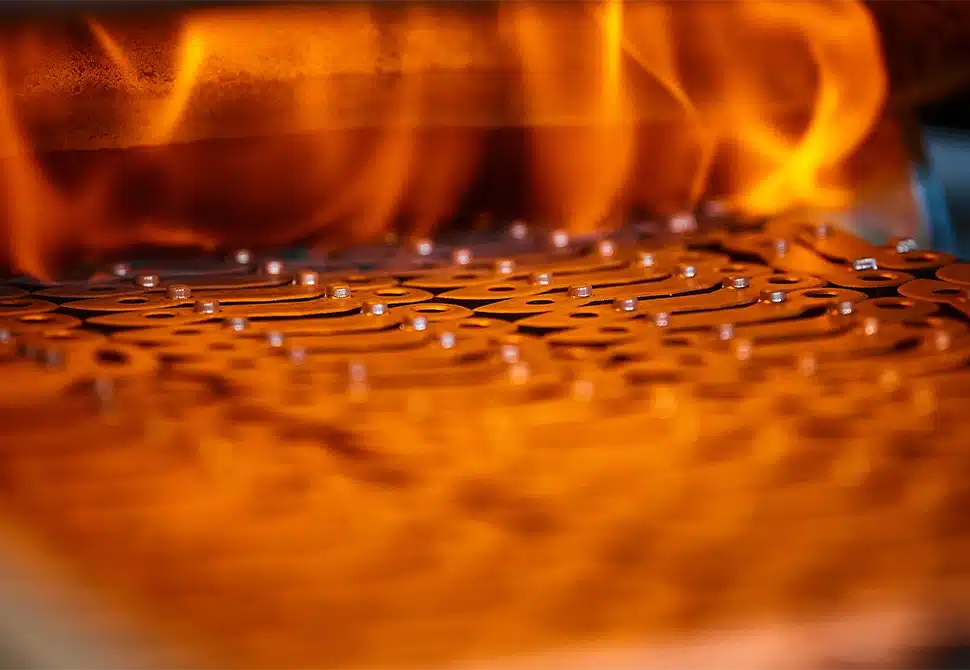
Carburizing
Hard Surface, Tough Core
Carburizing diffuses carbon into the surface of a steel that generally has a low carbon content. After diffusion, the part is quenched and then tempered to obtain a very hard outer case combined with a tougher core capable of absorbing mechanical loads.
0.5-4mm typical
2-24 hours depending on depth
880-940°C
58-64 HRC achievable
Why carburizing?
It is the preferred solution for parts requiring high resistance to wear and contact fatigue while retaining an impact-resistant core. It is notably used for gears, pinions, shafts and driveline components.
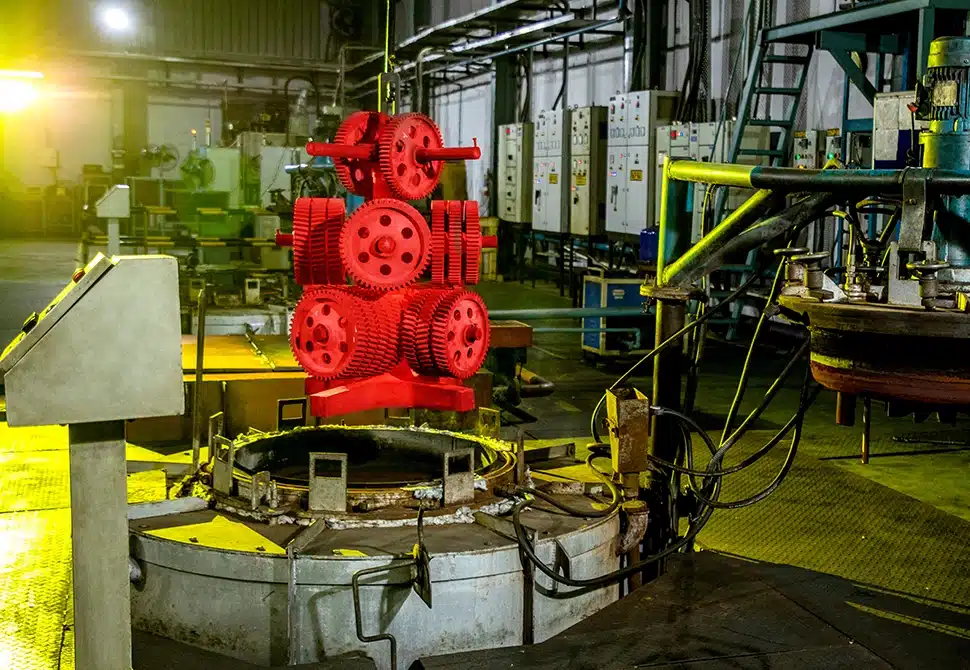
Nitrocarburizing
Fast, Cost-Effective Surface Treatment
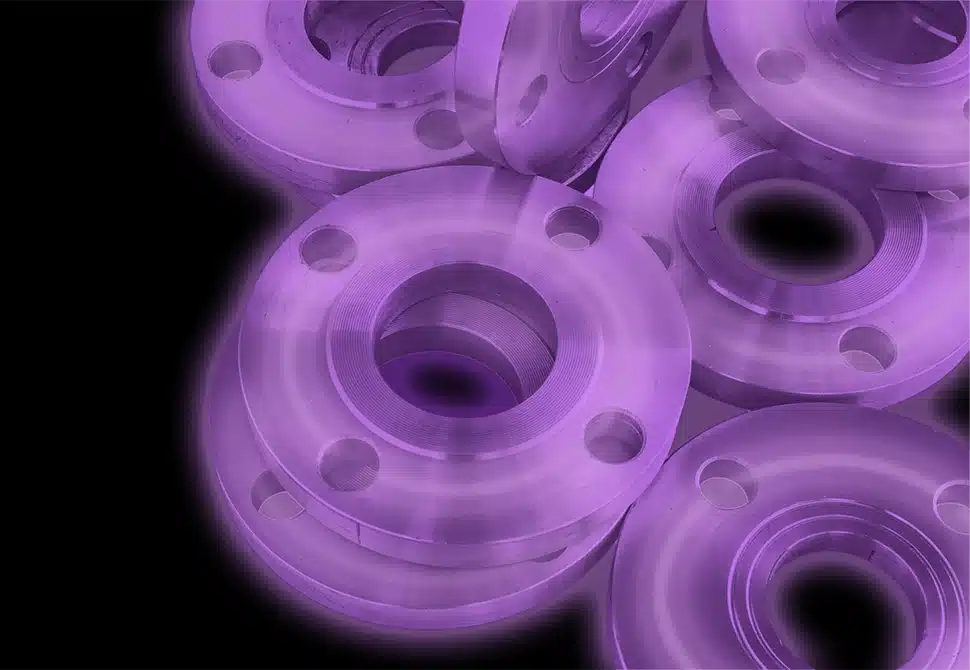
Nitrocarburizing simultaneously introduces nitrogen and a small amount of carbon into the steel's surface, at a temperature below that of carburizing. It produces a thin, hard compound layer combined with a diffusion zone.
540-580°C
Up to 1200 HV
0.01-0.03mm compound layer
40-60% lower than case hardening
Why nitrocarburizing?
The process offers good resistance to wear, friction and galling, with limited dimensional variations. It is particularly suitable for series-produced parts requiring a shallow functional layer and good tribological properties.
Nitriding
Precision Treatment with Minimal Distortion
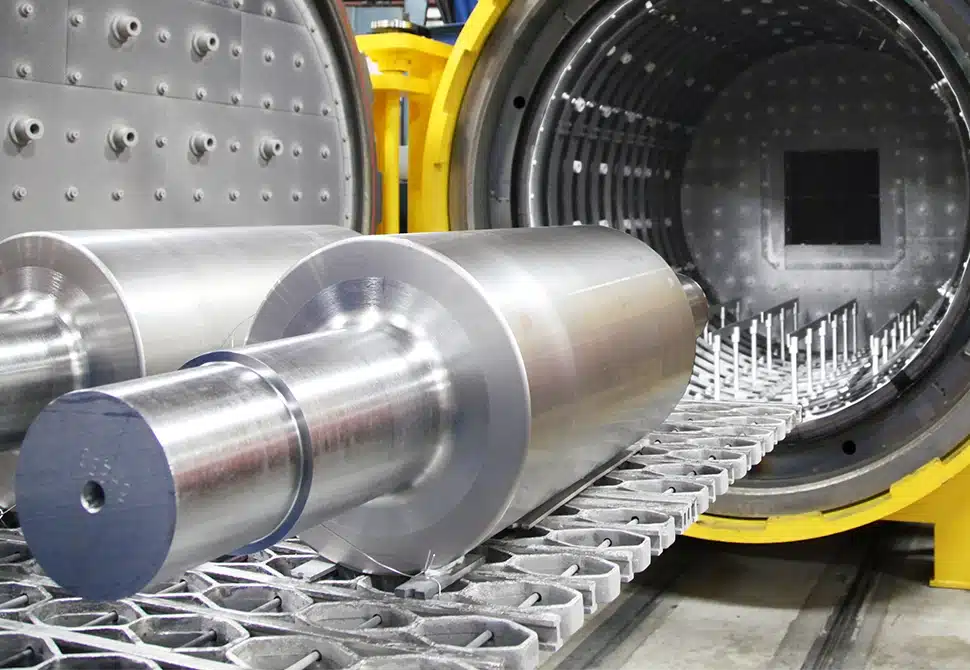
Nitriding diffuses nitrogen into the steel's surface at a relatively low temperature. The nitrogen reacts with certain alloying elements to form very hard nitrides, creating a resistant surface layer without usually requiring a final quench.
500-580°C
Up to 1100 HV
0.1-0.7mm typical
Minimal
Why nitriding?
The treatment's moderate temperature limits dimensional variations, making it particularly suitable for precision parts that have already undergone advanced machining. The nitrided layer improves resistance to wear, galling and surface fatigue.
Carbonitriding
Deeper Hardening for Low-Carbon Steels
Carbonitriding diffuses carbon and nitrogen simultaneously into the steel's surface, in the austenitic range. The treatment is followed by quenching and tempering to create a hardened case with higher hardenability than carbon enrichment alone would provide.
800-950°C
Low-carbon steels
0.1-0.8mm typical
Post-quenching and tempering
Why Carbonitriding?
It is particularly suitable for low-carbon or low-alloy steels requiring a hard, wear-resistant surface. The addition of nitrogen improves the case's hardenability and delivers good performance on small and medium-sized parts.
LOCALIZED HARDENING TREATMENTS
Applied to finished or near-finished forged components, these techniques use a concentrated energy source to rapidly harden specific functional zones. They strengthen gear teeth, bearing seats or wear surfaces without affecting the rest of the part.
Induction Hardening
Fast, Precise, Repeatable
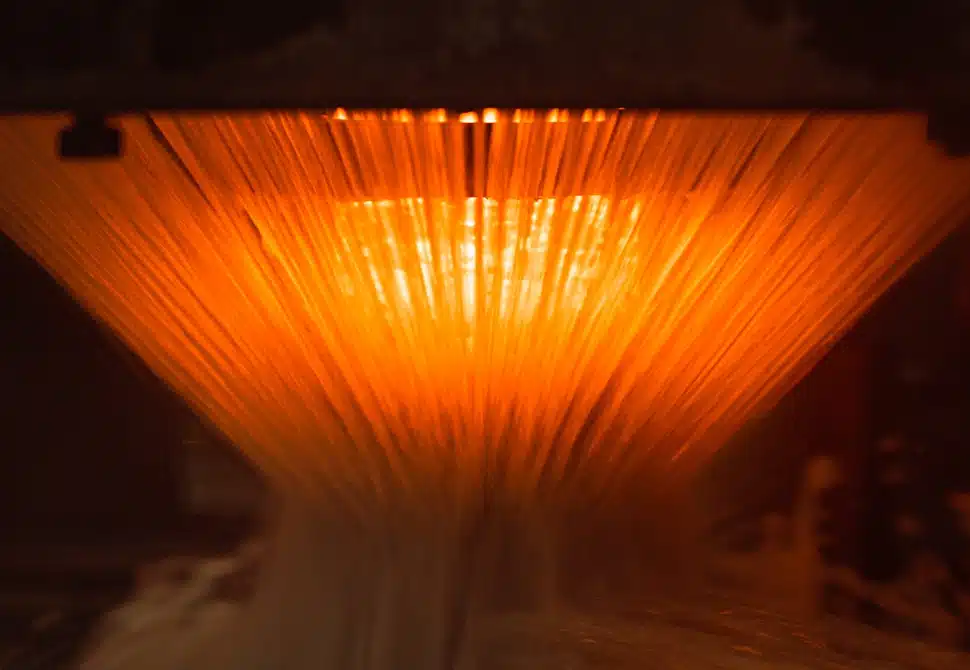
Induction hardening uses an electromagnetic field to rapidly heat a defined zone of the component to its austenitizing temperature. Immediate quenching then transforms the heated layer into martensite, while the core retains its original properties.
1-10 seconds typical
55-65 HRC
0.5-10mm
Minimal due to selective heating
Why induction hardening?
Its speed, precision and repeatability make it particularly suitable for large series and automated lines. It precisely targets the gear teeth, shaft journals, pins and raceways that require high surface strength.
Flame Hardening
Flexible Solution for Large Parts
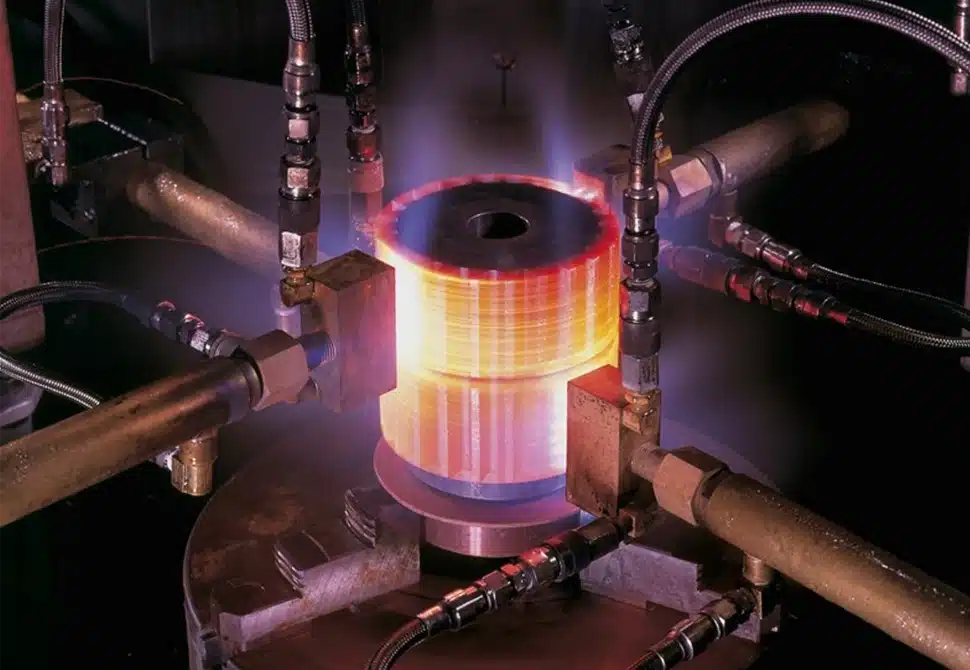
Flame hardening uses an oxy-fuel burner to heat the surface of a steel part to its hardening temperature. The heated zone is then cooled rapidly to form a hard martensitic layer along a controlled path and to a controlled depth.
Moderate (seconds to minutes)
40-60% lower than induction
0.8-6mm typical
Essentially unlimited
Why flame hardening?
Its flexibility allows large parts, irregular shapes and zones difficult to reach by induction to be treated. Its more limited initial investment also makes it an attractive solution for small series, prototypes and massive components.
HEAT TREATMENT at Setforge
Setforge offers a complete industrial solution combining its forging expertise with extensive heat-treatment capabilities. Operations are performed in our facilities or with a network of selected, qualified partners. This organization coordinates the design of the forged part, material selection, machining allowances and the thermal route.
Our metallurgical teams support projects through to achievement of the mechanical and dimensional properties defined for the application.
Choosing the Right Treatment
Quality Control & Testing
Thermal cycles are precisely monitored for temperatures, holding times, atmospheres and cooling conditions. Inspections are carried out according to the component's specifications and the customer's requirements. They can include surface and core hardness measurements, case-depth hardness profiles, metallographic examinations, mechanical testing and dimensional checks. Destructive tests are performed on parts, test specimens or samples according to the applicable inspection plans.
This approach ensures repeatable results, from prototype through to series production. Setforge also operates a Nadcap-accredited heat-treatment facility, meeting the requirements of critical processes for the aerospace industry. Nadcap accreditation is based on technical audits and criteria developed with the leading players in the aerospace, space and defense sectors.
Expert Metallurgical Support
The experts at Setforge Engineering support customers in material selection, treatment choice and the development of thermal routes. This expertise allows metallurgical requirements to be built in from the design of the forged component. Our teams can recommend a standard treatment, adapt an existing route or develop a tailored solution when the hardness, fatigue, wear or dimensional-stability objectives call for a specific approach.
With experience spanning aerospace, automotive, energy and heavy industry, we understand the technical requirements as well as the constraints of industrialization. We support the development of new parts and the improvement of existing components alike.
WOULD YOU LIKE TO KNOW MORE?
LET’S TALK ABOUT IT!
OUR FORGING PROCESSES
Setforge forges parts from 0.1 kg to 1,500 kg across the full range of closed-die forging processes. A breadth of capability that is, quite simply, unique in the market. From prototype to high-volume automotive production, our approach goes well beyond the forge itself: we work alongside our customers from the earliest stages of co-development through to finishing operations, covering every step of the journey from design intent to finished part.
Deep dive into the geometries we forge !
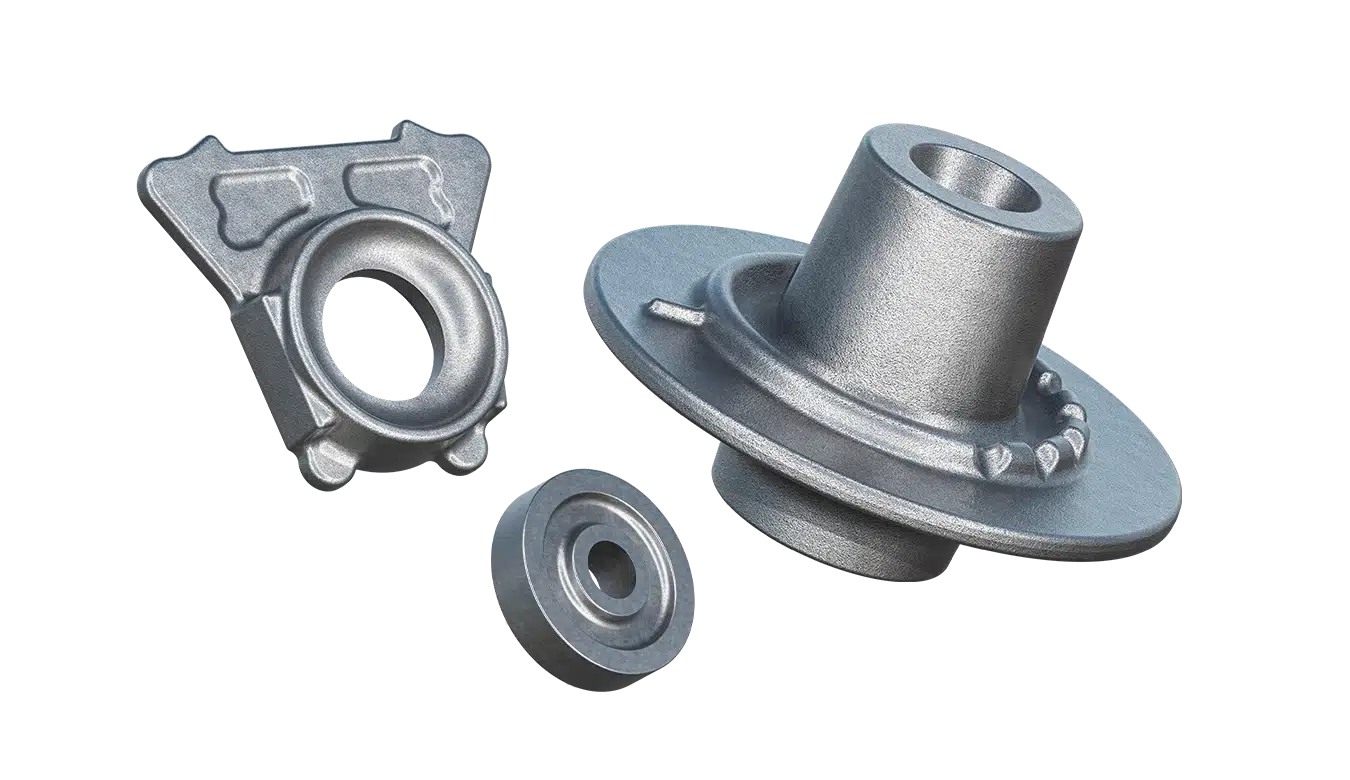
HOT FORGING
From 0.2 kg to 1,500 kg
Suitable for a wide range of complex shapes. Max weight: Steel 1,500 kg | Stainless Steel 1,400 kg | Ti and Ni-based 200 kg.
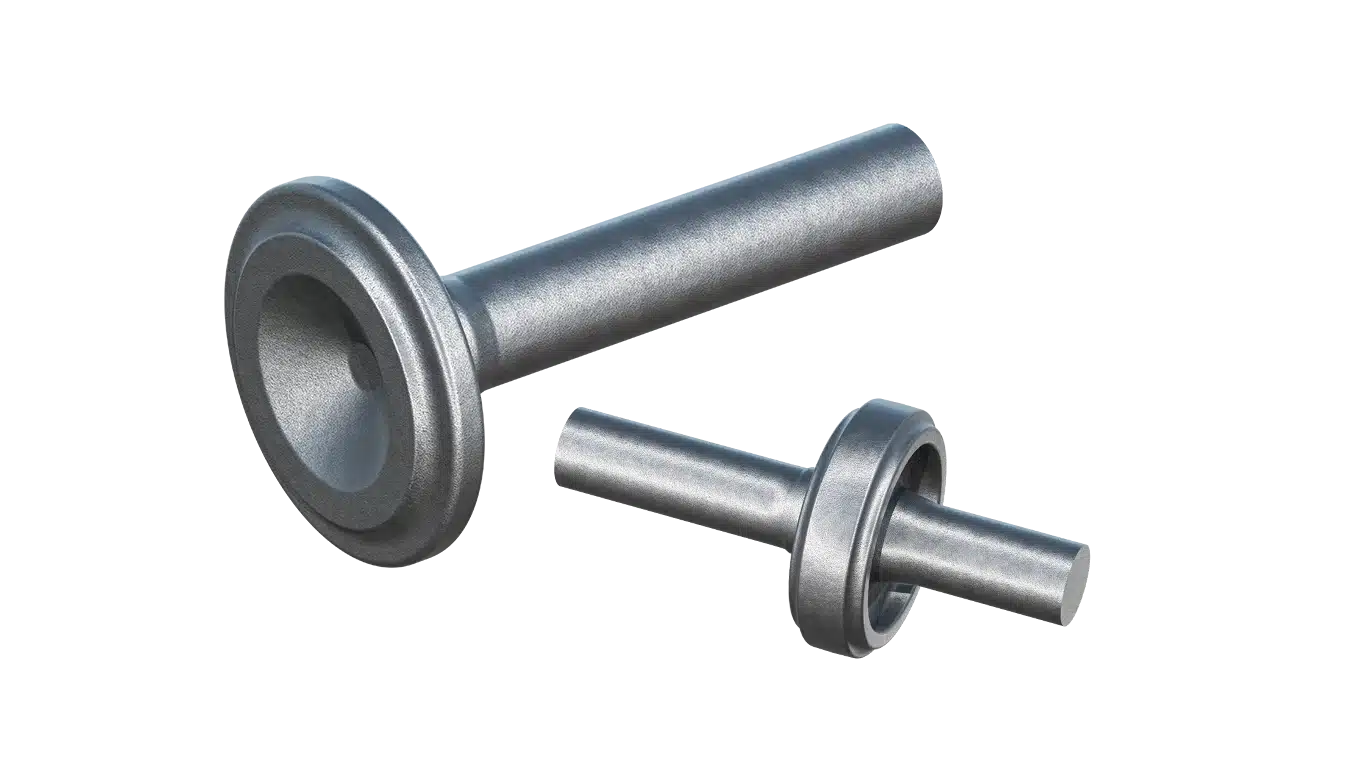
ELECTRICAL UPSETTING
From 0.1 kg to 200 kg
Long parts with flange up to 1,200 mm length, flanged diameter up to 450 mm and initial bar diameter up to 130 mm.
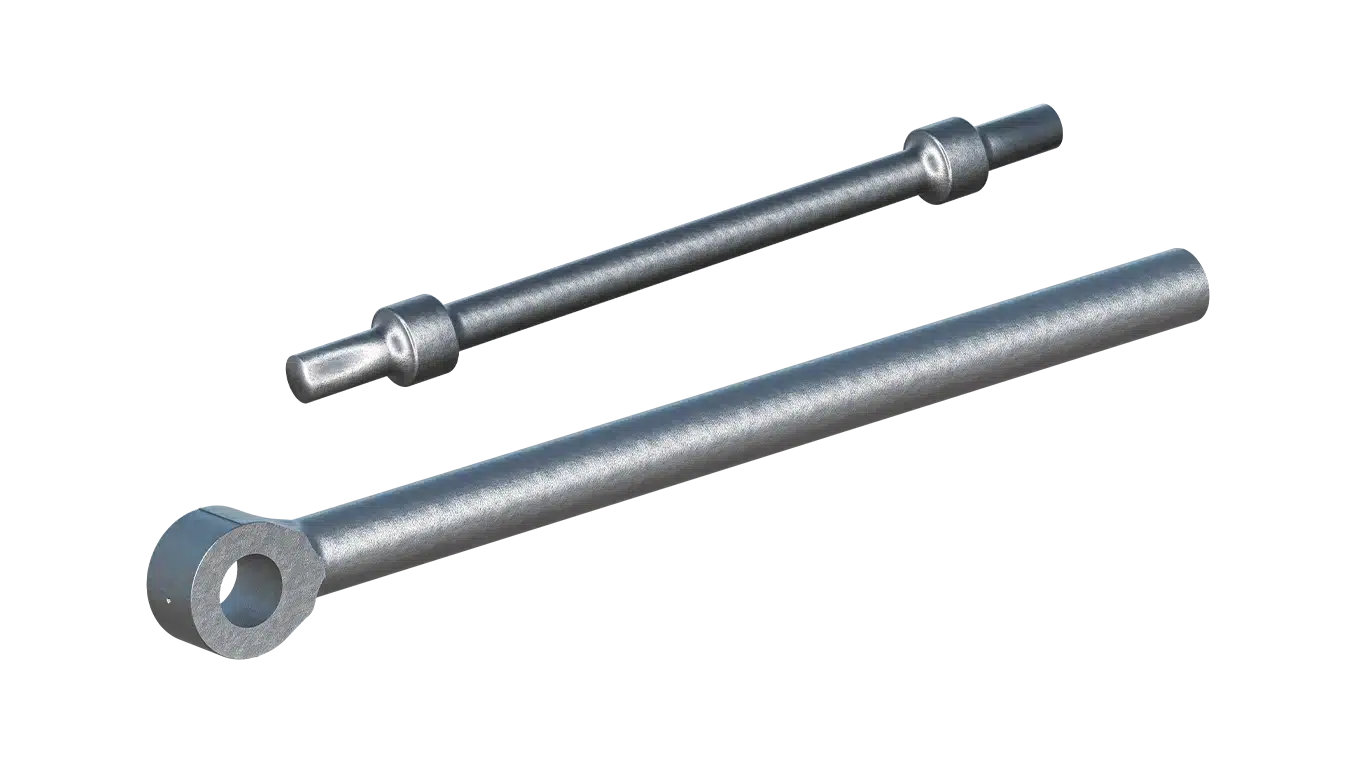
UPSET FORGING
From 2 kg to 600 kg
Long parts with complex head geometry up to 5,000 mm length, head diameter up to 400 mm and initial bar diameter up to 170 mm.
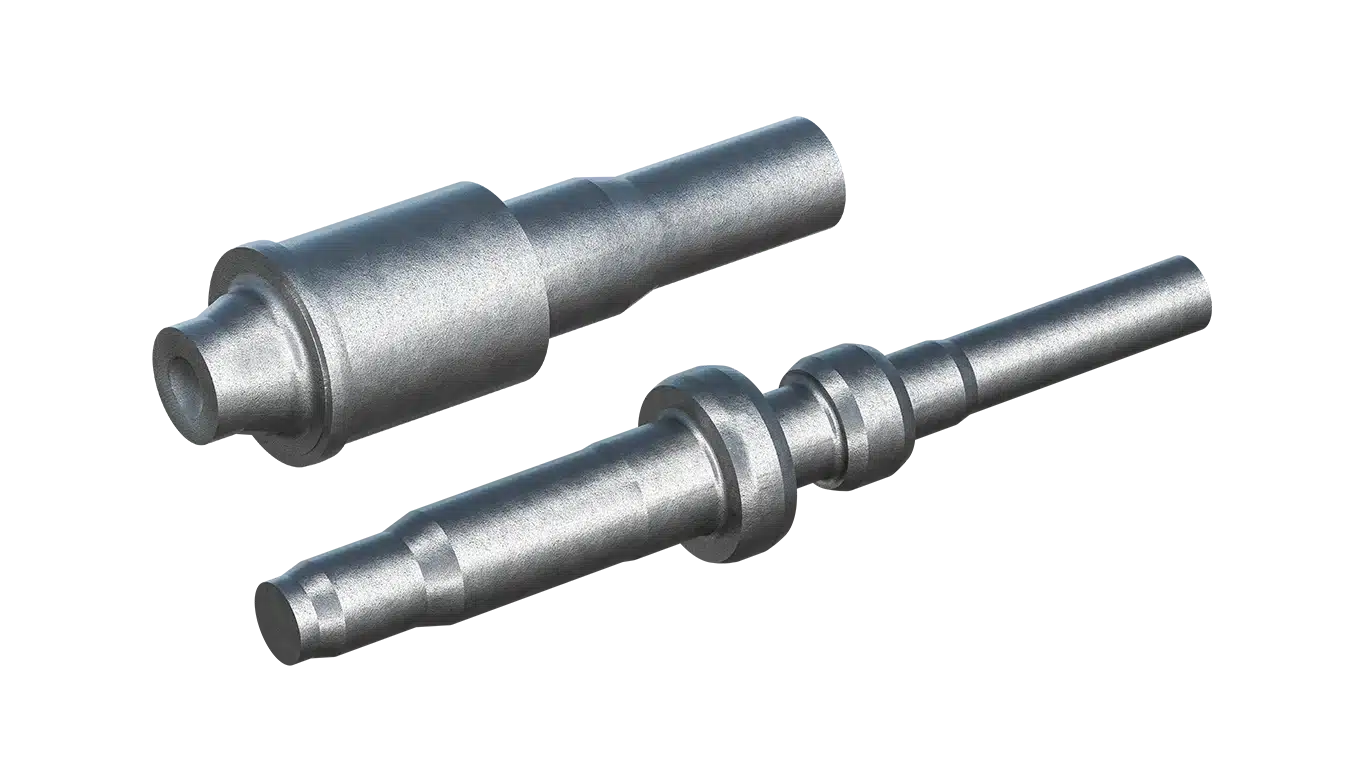
COLD FORGING
From 0.3 kg to 25 kg
Various shafts or long parts with max diameter up to 120 mm and 800 mm length.
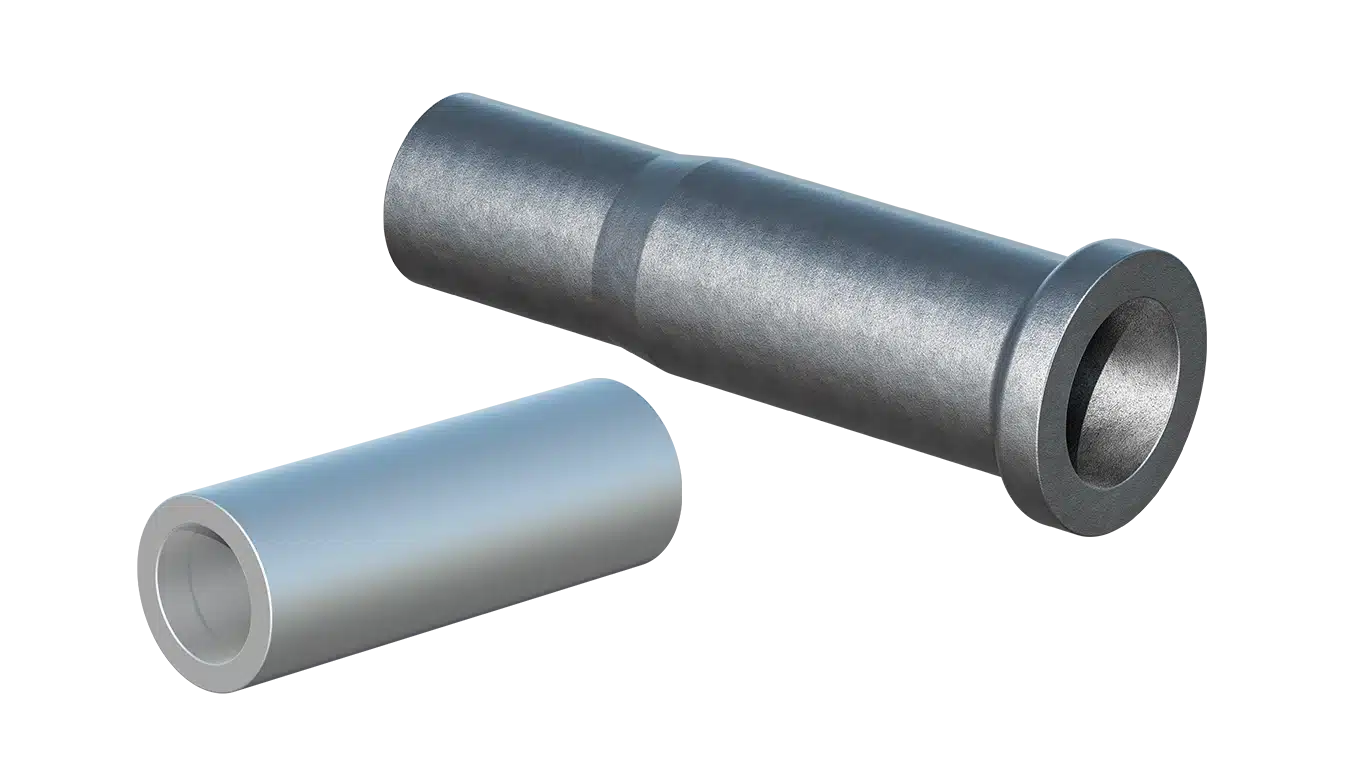
HOT EXTRUSION
Up to 1,500 kg
Tubular and shaft profile, straight or shaped, with or without hot piercing with O/D max 500 mm and length max 1,700 mm.
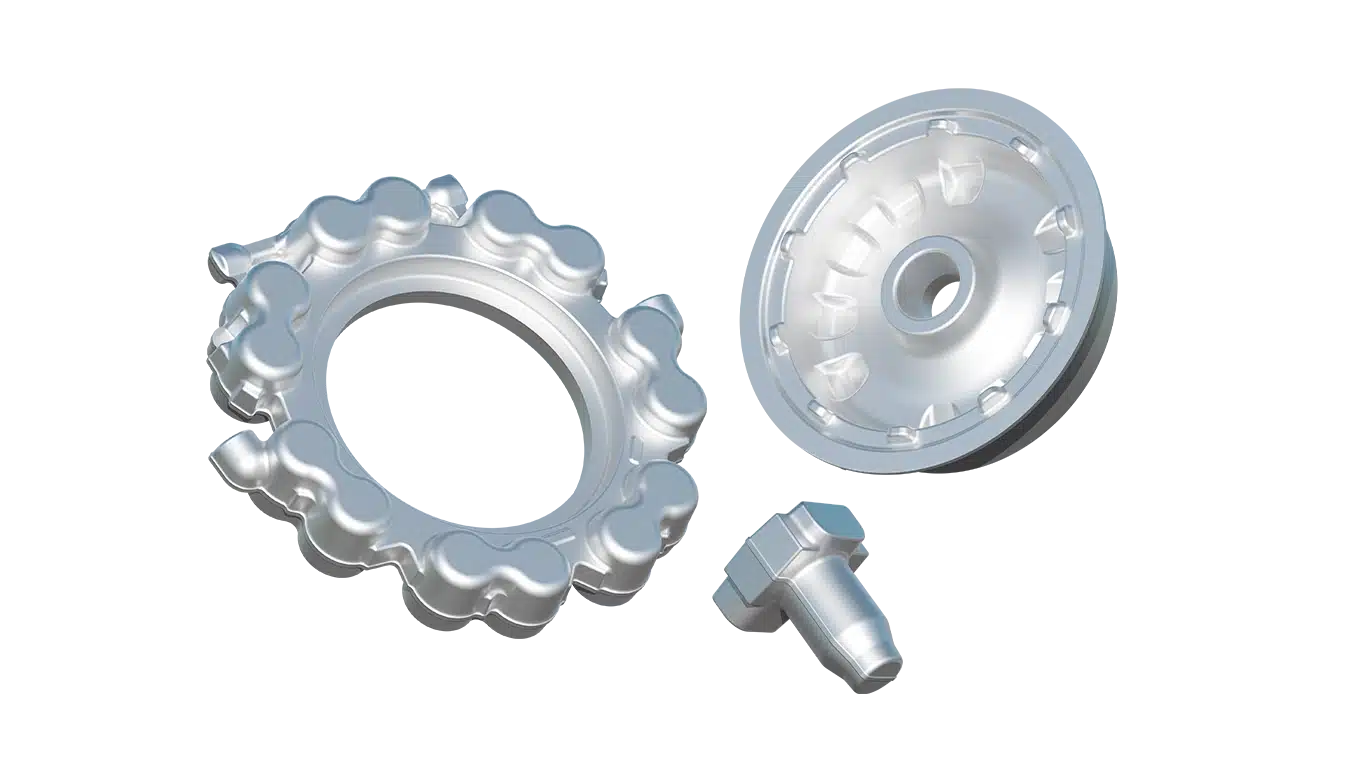
ALUMINUM FORGING
From 0.1 kg to 200 kg
Suitable for a wide range of complex shapes from the 1XXX to the 7XXX series depending on shape geometry.
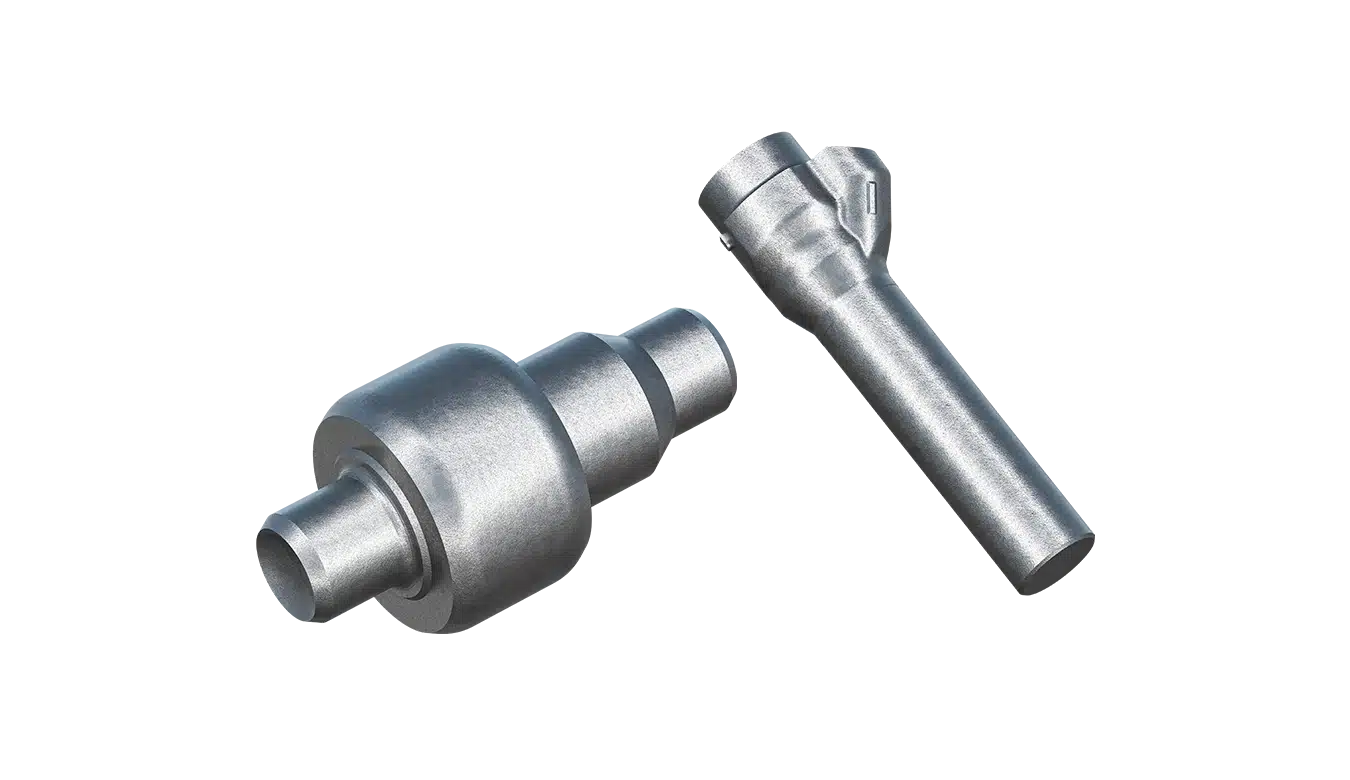
WARM FORGING
Up to 4 kg
Various parts with diameter up to 130 mm and length up to 450 mm.
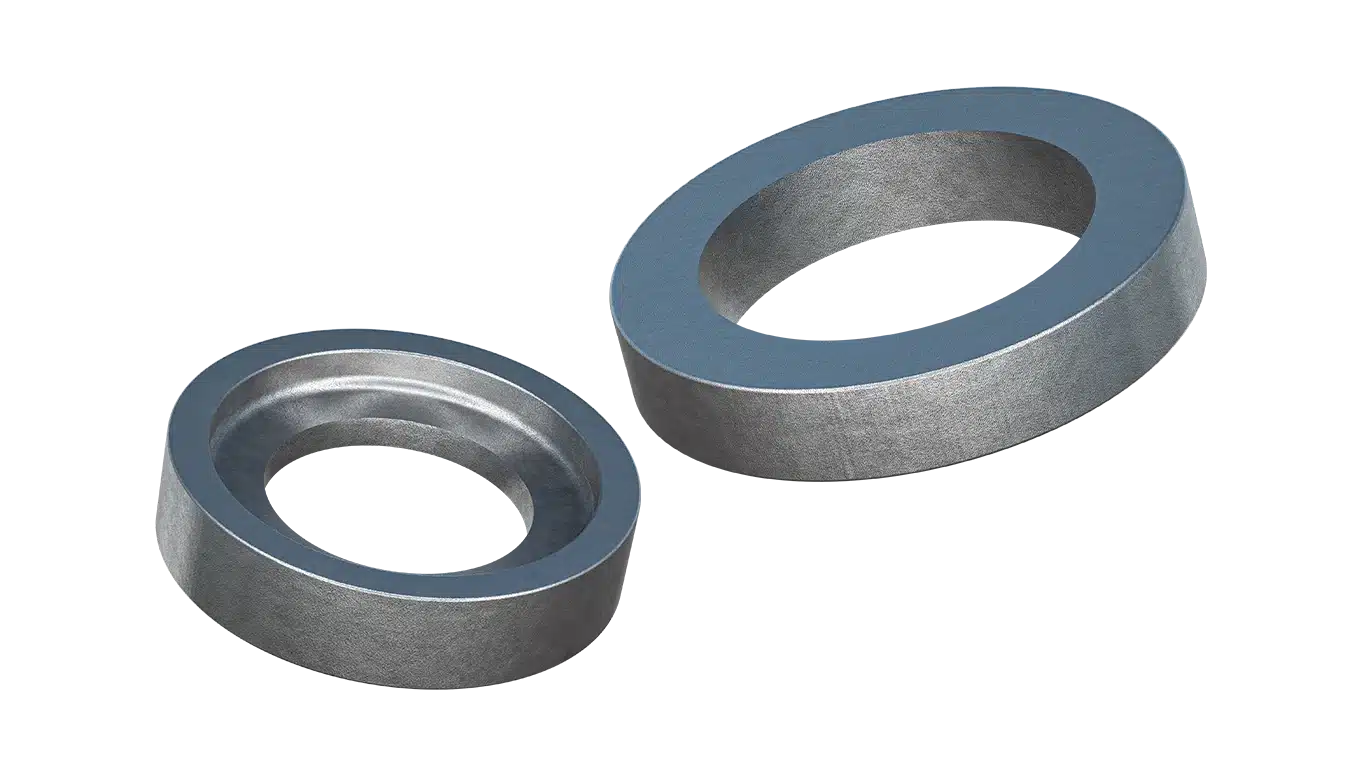
RING ROLLING
Up to 12 kg
Rings and crowns with various cross section geometries up to 250 mm diameter.
A 360° APPROACH
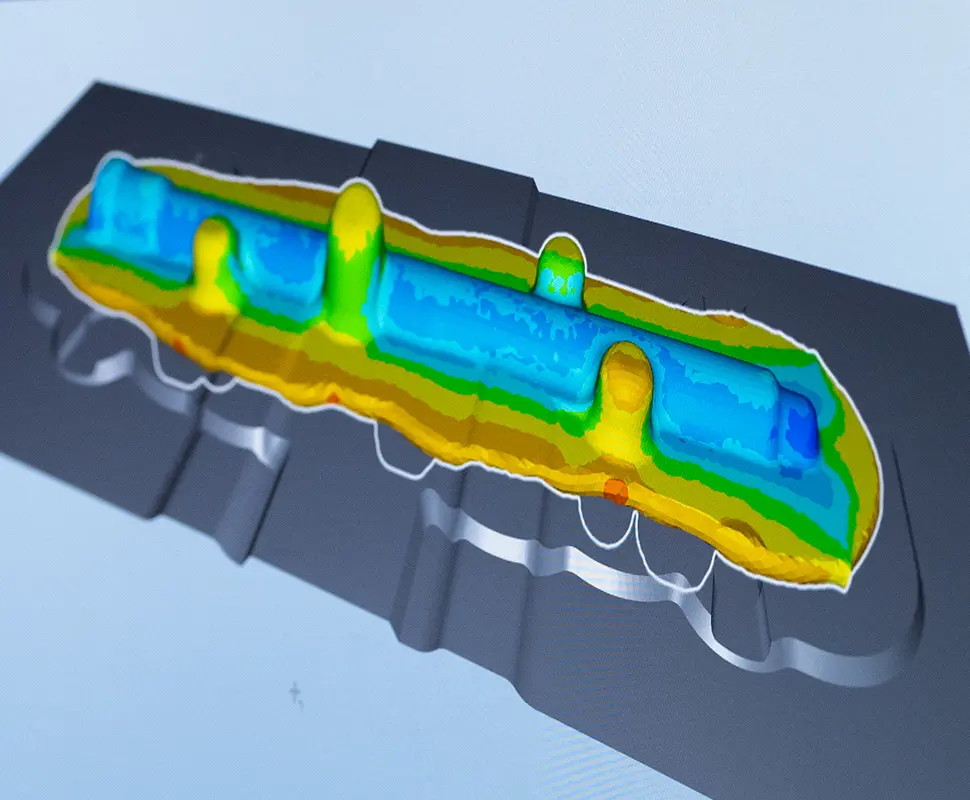
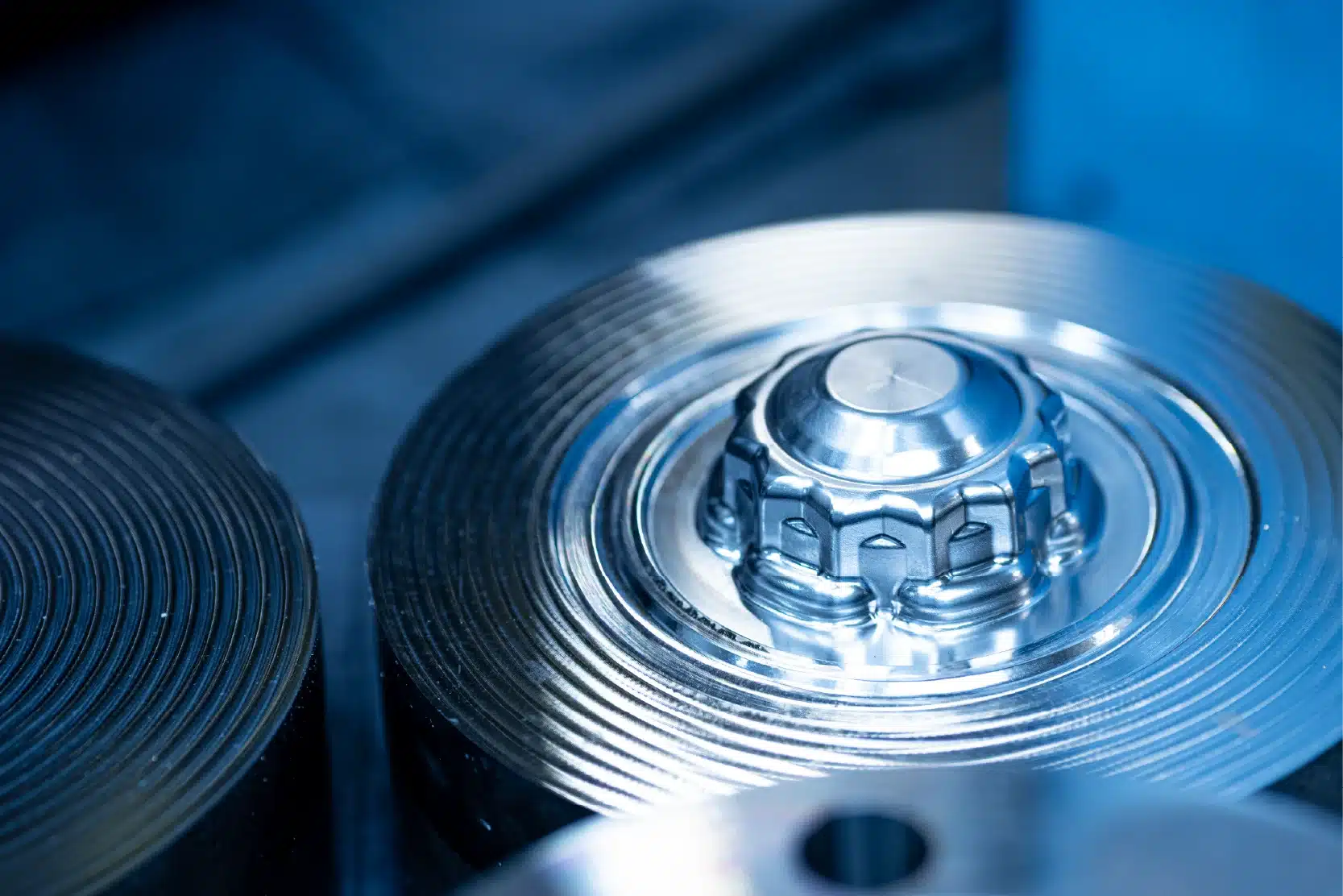
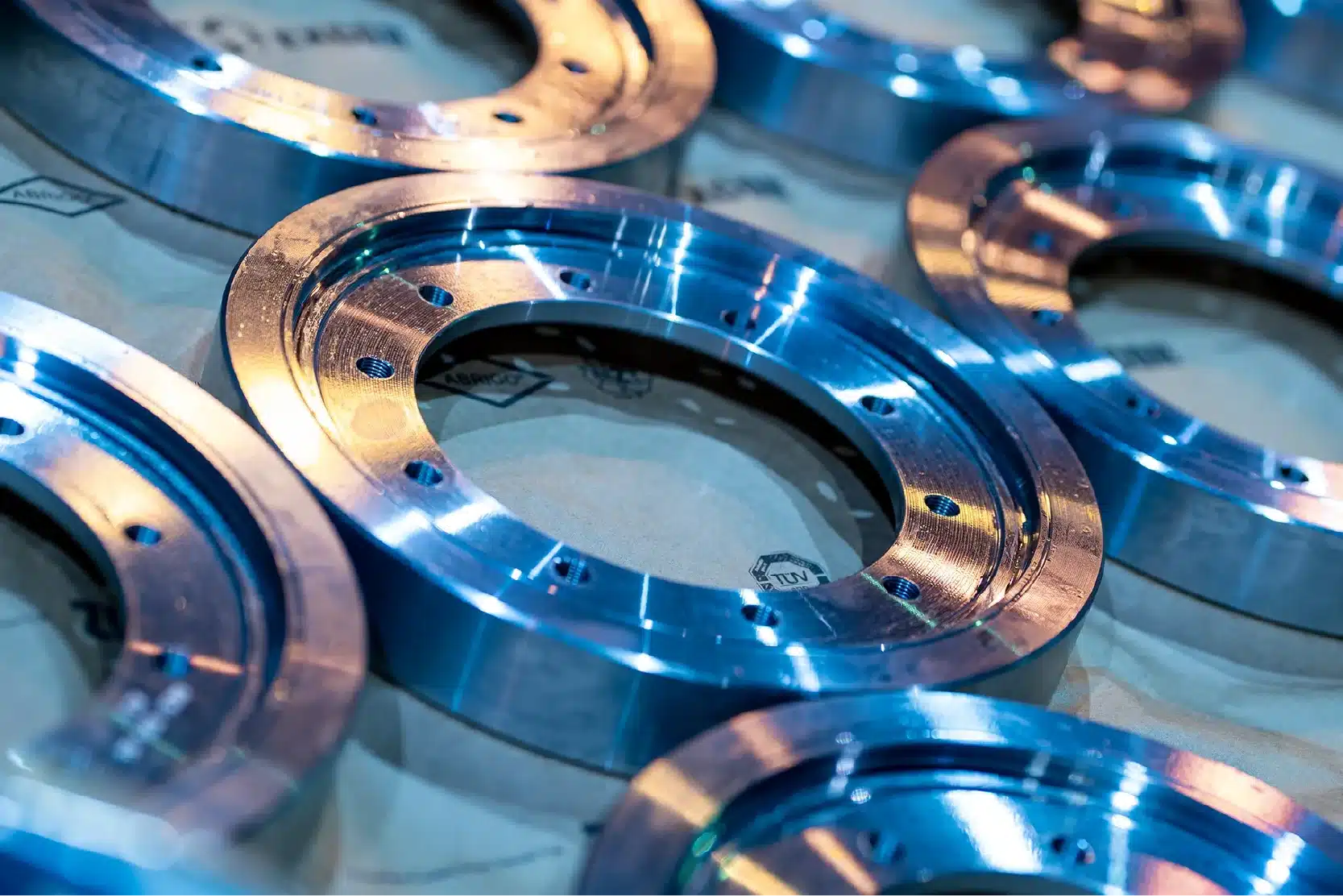
Over the years, we have developed genuine expertise across every discipline that a forged component requires: from early-stage engineering and tooling design to heat treatment and machining operations. Each of these capabilities has been built up through real industrial experience, working closely with OEMs, international Tier 1 suppliers, and machining partners. The result is a partner who understands the full chain, anticipates the constraints at each step, and stays involved from the first technical discussion to the final delivery.
Explore the full range of our capabilities !
On our Blog
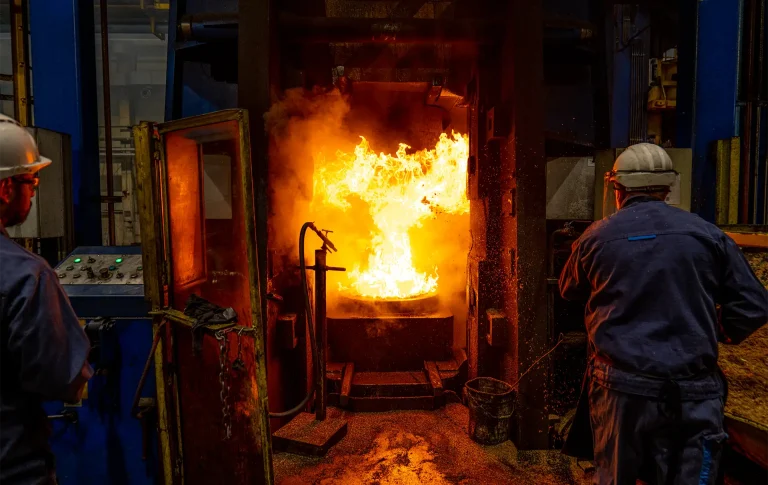
Cold forging vs. Hot forging: which process fits your part?
31/07/2026
Forging is a manufacturing process, which shapes a solid-phase metal workpiece by applying compressive forces on it.
Read More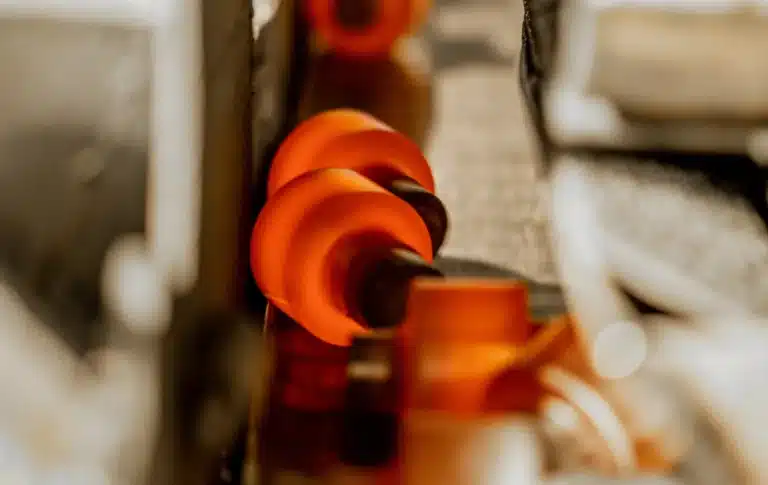
Developing a quality warm forging process
10/03/2026
Thanks to the automotive industry and its continuous development towards better, lighter and more cost efficient components, warm forging has gained greater importance. Alone or as a part of specia...
Read More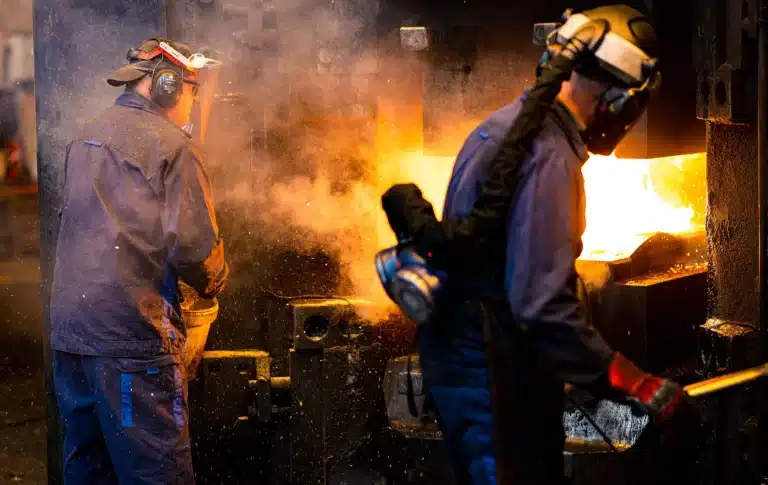
The undoubted advantages of the process
10/03/2026
Forging is classified in hot, warm and cold, according to the temperature at which is performed.
Read More